Tag: Research
-
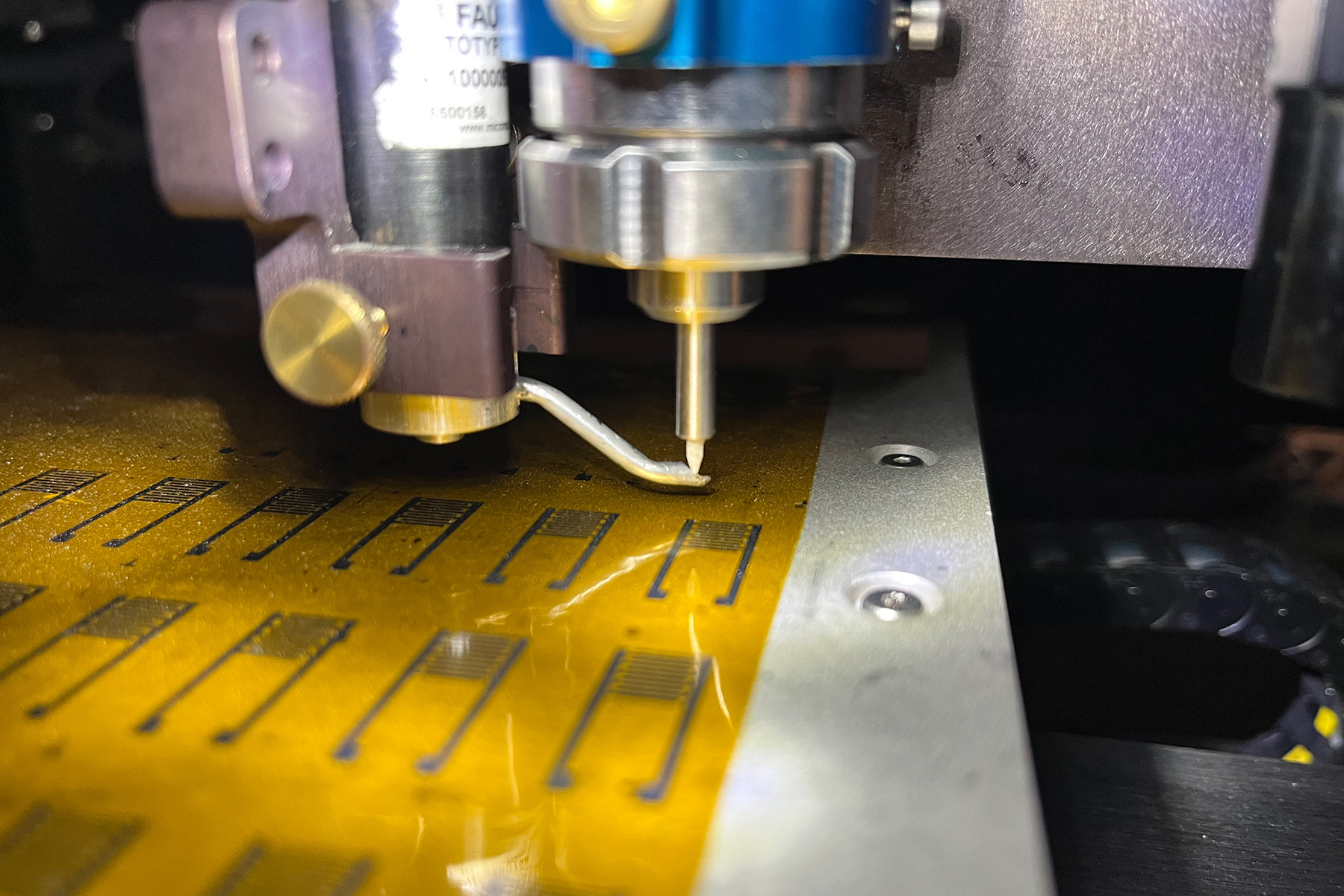
Printed Neurons Communicate With Living Brain Cells
Northwestern scientists have developed flexible, low-cost devices that generate electrical signals realistic enough to activate living brain cells.
-
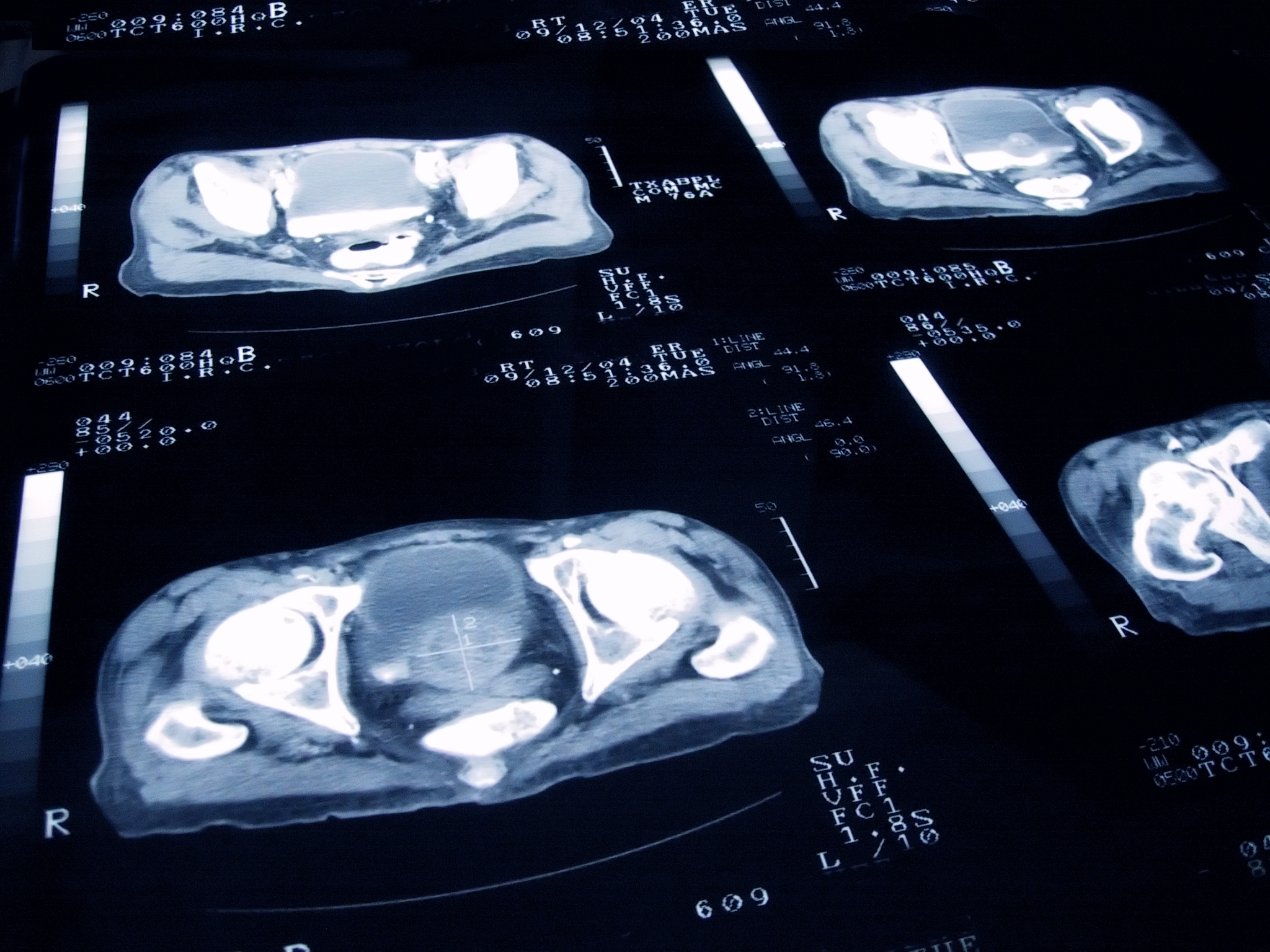
Scans Can Reveal Hidden Prostate Cancer Progression
A large analysis of two major clinical trials has found that the spread of prostate cancer can be detected on imaging scans even when biomarkers remain stable, according to a study published in the Journal of Clinical Oncology.
-

Visionary Biochemist Delivers 2026 Kimberly Prize Lecture
Svetlana Mojsov, PhD, delivered the 2026 Kimberly Prize Lecture on April 20, drawing on decades of groundbreaking research that helped transform the treatment of diabetes and obesity.
-

Neighborhood Social Factors Increase Cardiovascular Disease Risk
Individuals exposed to adverse neighborhood social factors in early adulthood demonstrated a higher risk of developing coronary artery calcification in midlife, a key measure of early cardiovascular disease, according to a recent study published in Nature Communications.
-
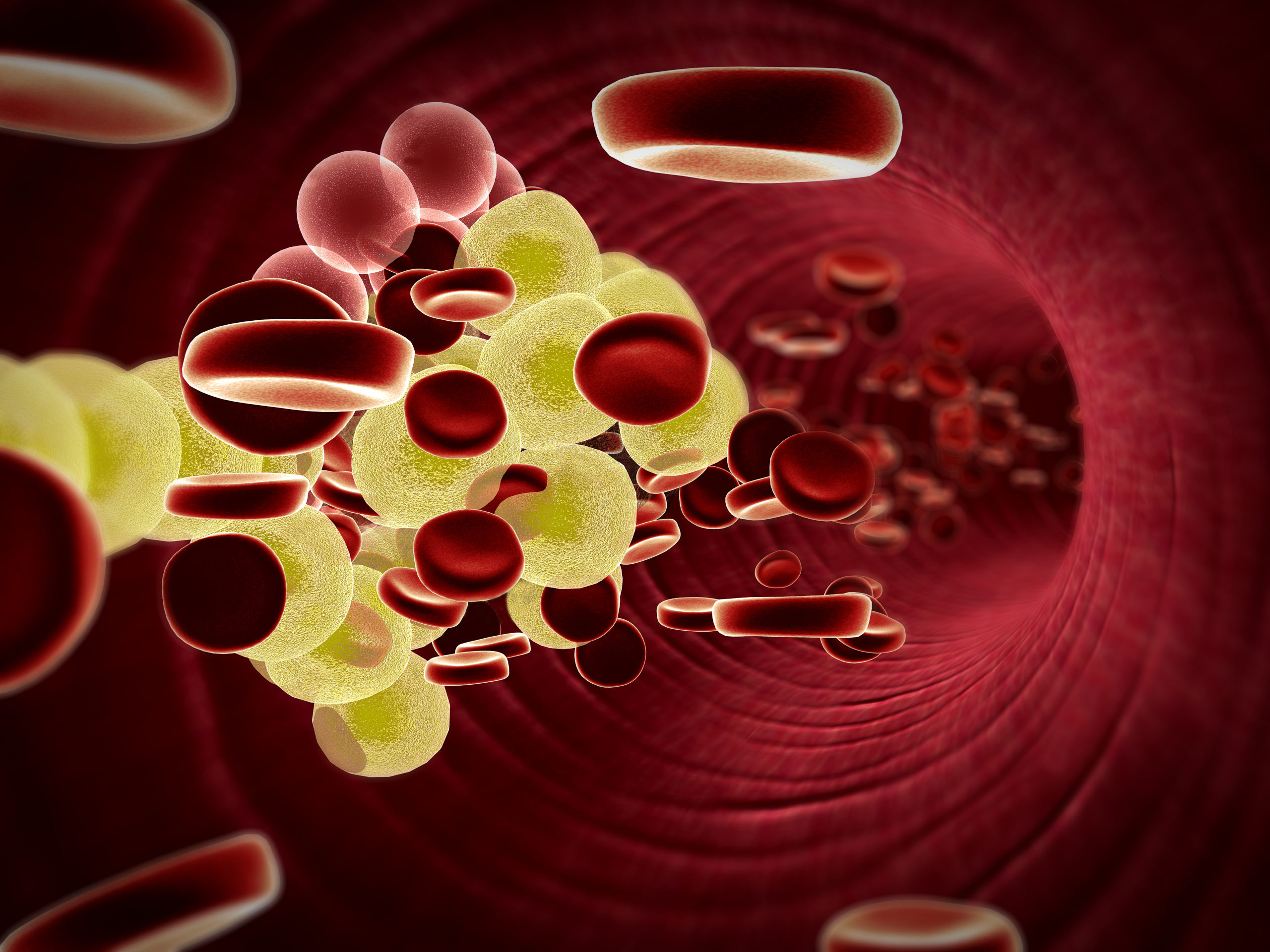
Little-Used Cholesterol Test Could Prevent More Heart Attacks, Strokes
A new Northwestern Medicine study published in JAMA has found that a little-used cholesterol test outperformed standard tests in guiding cholesterol-lowering therapy.
-
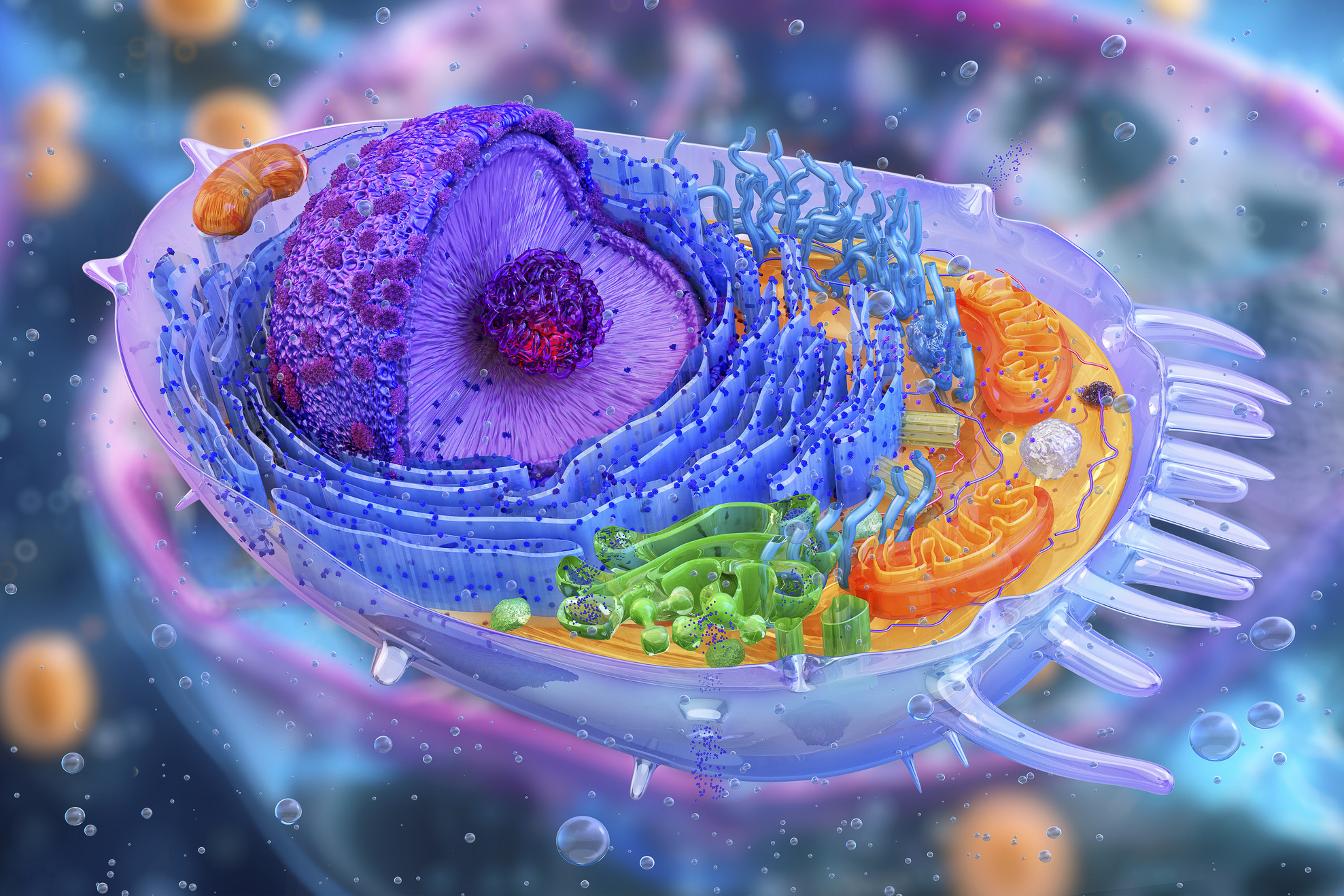
Cells ‘Switch’ on Protein Factories After Injury, Study Finds
Scientists have uncovered a novel mechanism through which skin cells organize and control protein production during homeostasis and wound healing, according to a new study published in Developmental Cell.
-
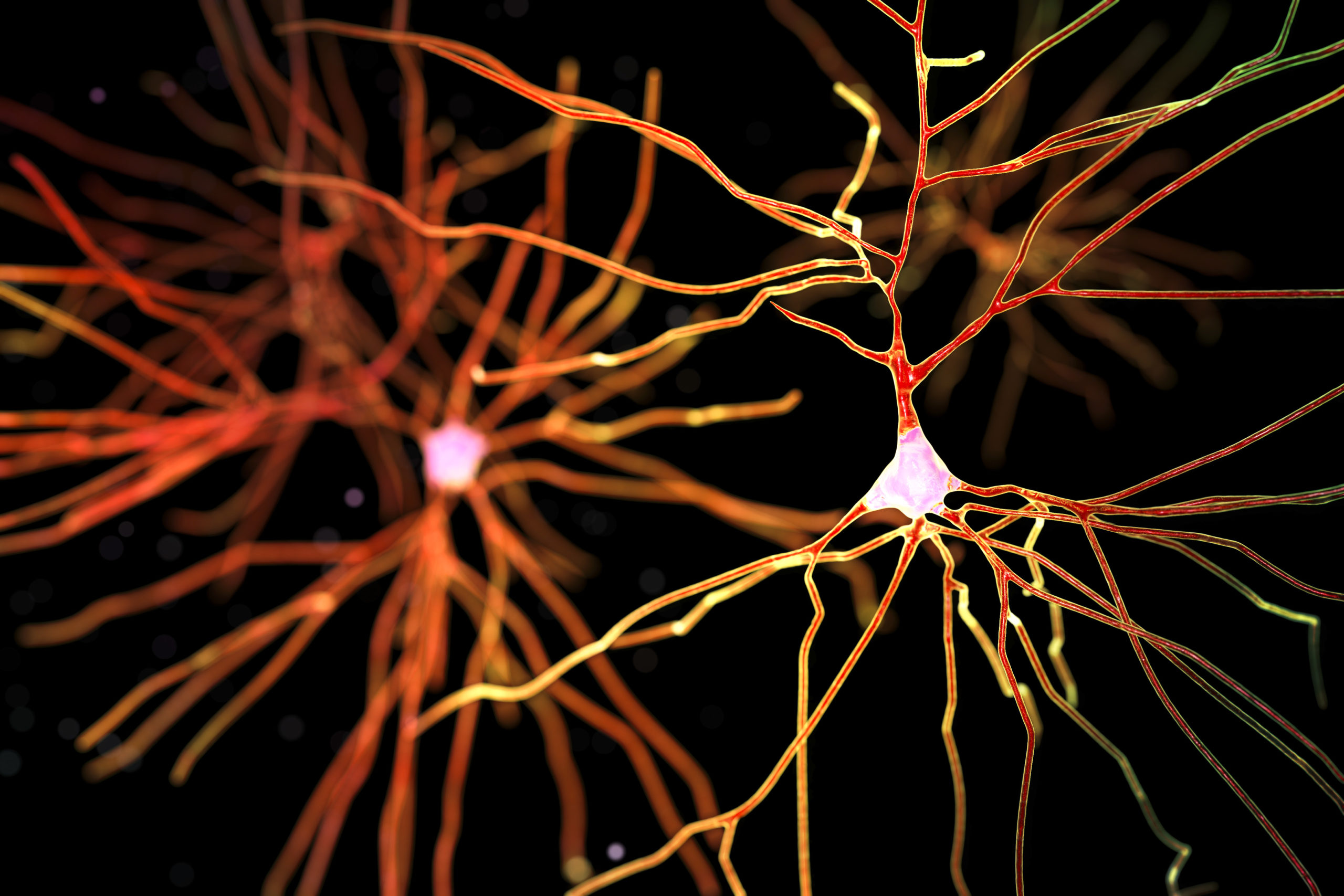
Epilepsy Gene Implicated in Severe Migraine Disorder
Northwestern Medicine scientists have identified mutations in a gene coding for key ion channels in the brain as a new cause of a debilitating form of migraine, according to a study published in Brain.
-

Understanding Cancer’s Hidden Vulnerabilities
Northwestern Medicine scientists have uncovered an unexpected role for a well-known cancer-related protein, revealing a new layer of genetic regulation that could reshape how certain cancers are treated.
-

New Drug Doubles One-Year Survival in Pancreatic Cancer Trial
Patients who received an experimental drug developed at Northwestern University alongside standard chemotherapy were twice as likely to be alive after one year of treatment, compared to those receiving chemotherapy alone.
-

Targeting Novel Long Non-Coding RNA May Improve Glioblastoma Treatment
Scientists have discovered that increased expression of a novel long non-coding RNA drives glioblastoma cell growth alongside a genetic amplification found in more than half of glioblastoma tumors, according to a Northwestern Medicine study published in Nature Cell Biology.