Tag: Pharmacology
-
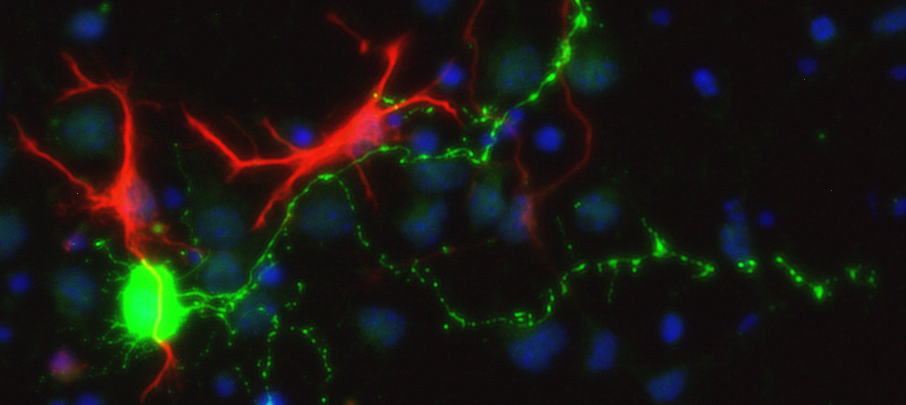
Proteins on Neuron Surfaces Prove Pivotal for Communication
A cell-surface protein is essential for proper microcircuit function in the brain, according to a study published in Nature Communications.
-
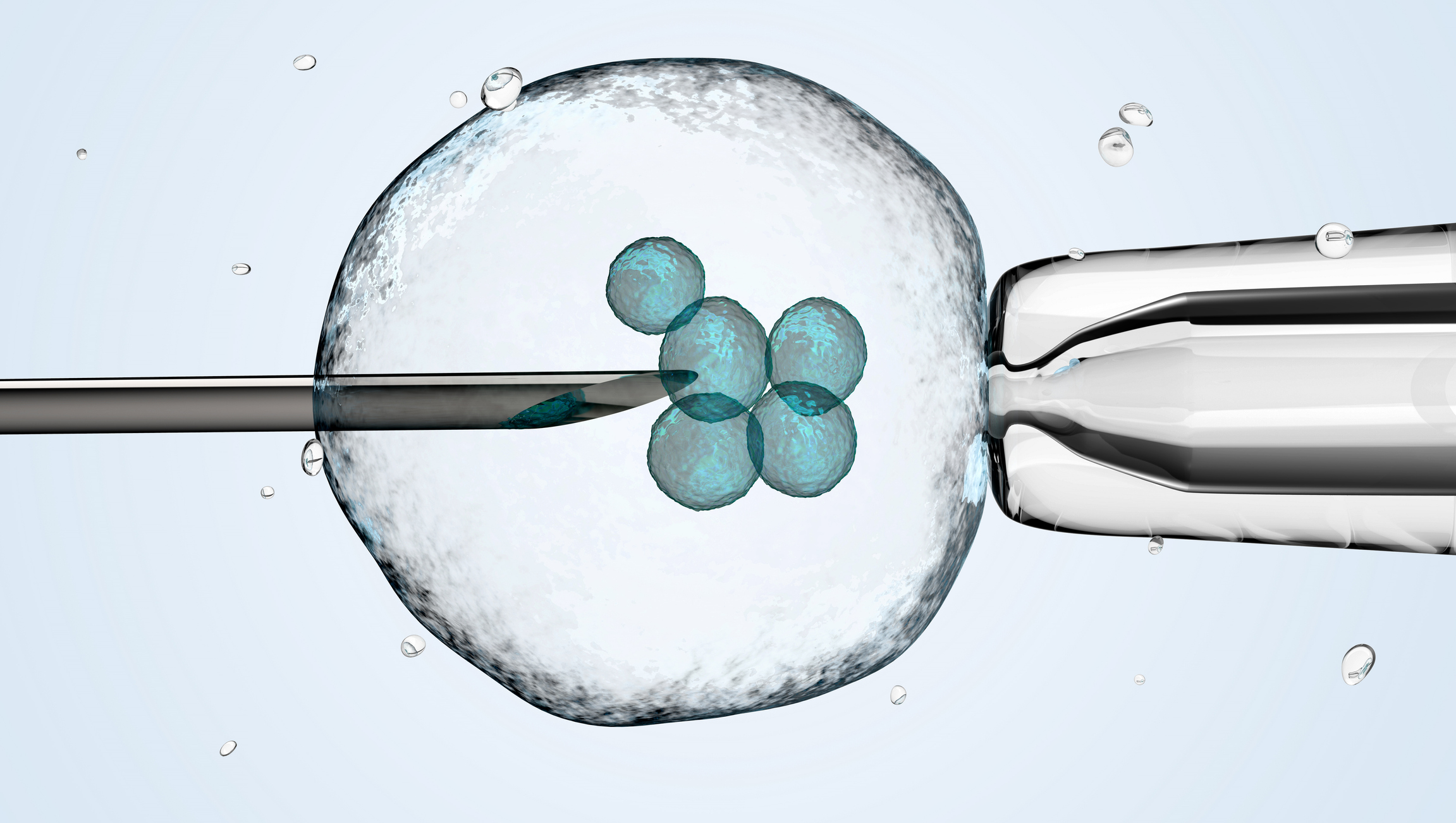
Using Stem Cells for Drug Discovery
A group of scientists combined medicinal chemistry and human stem cells to improve a medication treating a cardiac rhythm disorder, a strategy that could be applied broadly.
-

Rocklin Receives NIH New Innovator Award
Gabriel Rocklin, PhD, assistant professor of Pharmacology, has received the NIH Director’s New Innovator Award, an early-career grant supporting unconventional research projects in the biomedical, behavioral or social sciences.
-

Propelling Synthetic Biology into the Future
In the past decade, synthetic biology — the reengineering of organisms and their genetic information so they can produce a new substance or gain a new ability — has rapidly emerged to the forefront of modern-day science. Northwestern’s Center for Synthetic Biology has been leading the way.
-
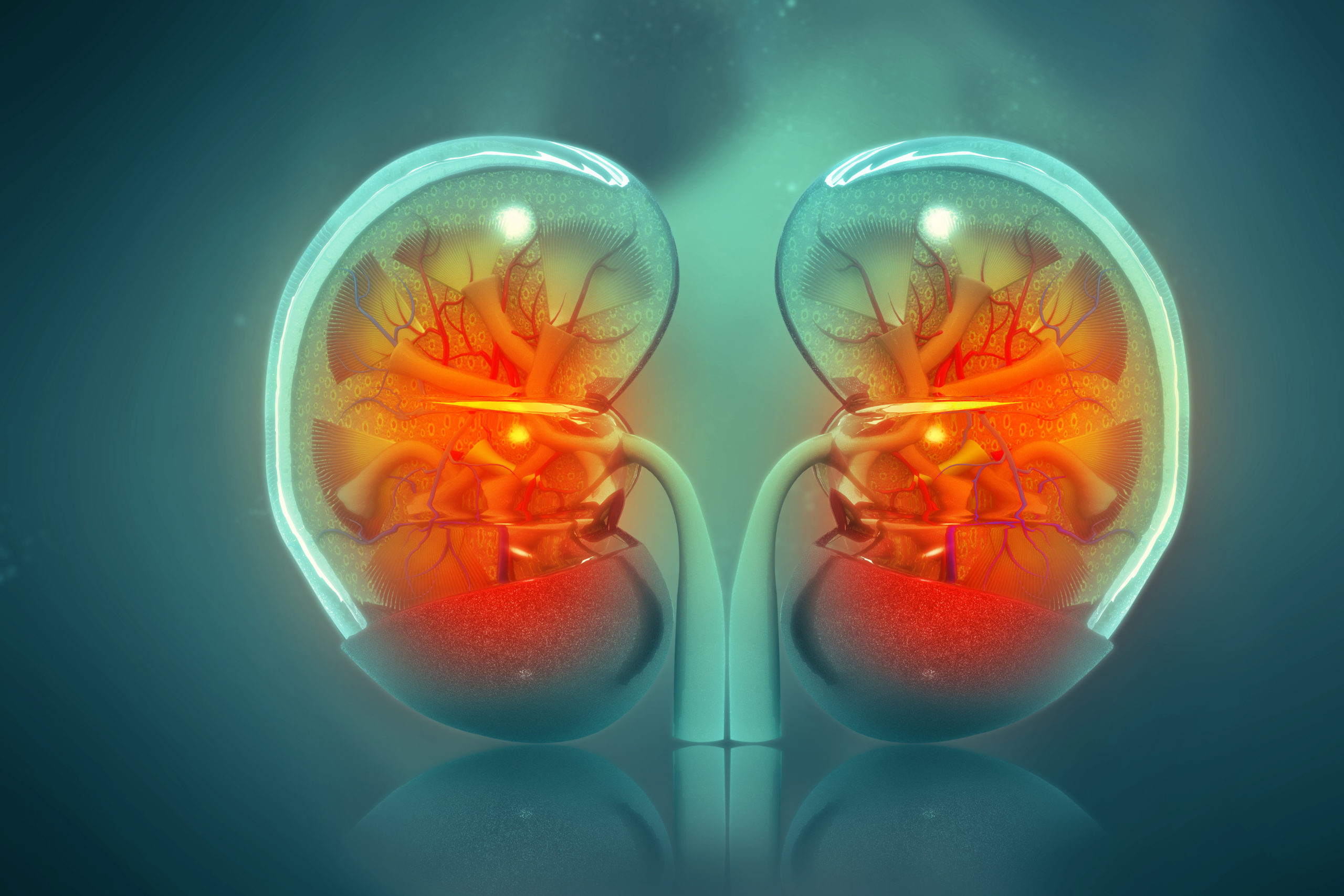
Study Reveals Molecular Mechanisms Behind Genetic Kidney Disease
A Northwestern Medicine study has uncovered the molecular mechanisms behind the development of autosomal dominant polycystic kidney disease (ADPKD) and a potential drug target.
-

African Ancestry Affects Gene Expression
Levels of African ancestry in a person’s genome determines the level at which certain genes are expressed, findings that could offer insight into the different risk of diseases.
-

Experimental Drug May Reduce Cancer Growth and Progression
Scientists co-led by Sui Huang, MD, PhD, found an experimental drug called metarrestin significantly reduced metastasis and cancer progression in mouse models.
-
Expanding Genetic Screening Guidelines for Colon Cancer
A new study provided evidence that current guidelines for genetic screenings for colorectal cancer-associated genes are missing patients and should be expanded.
-
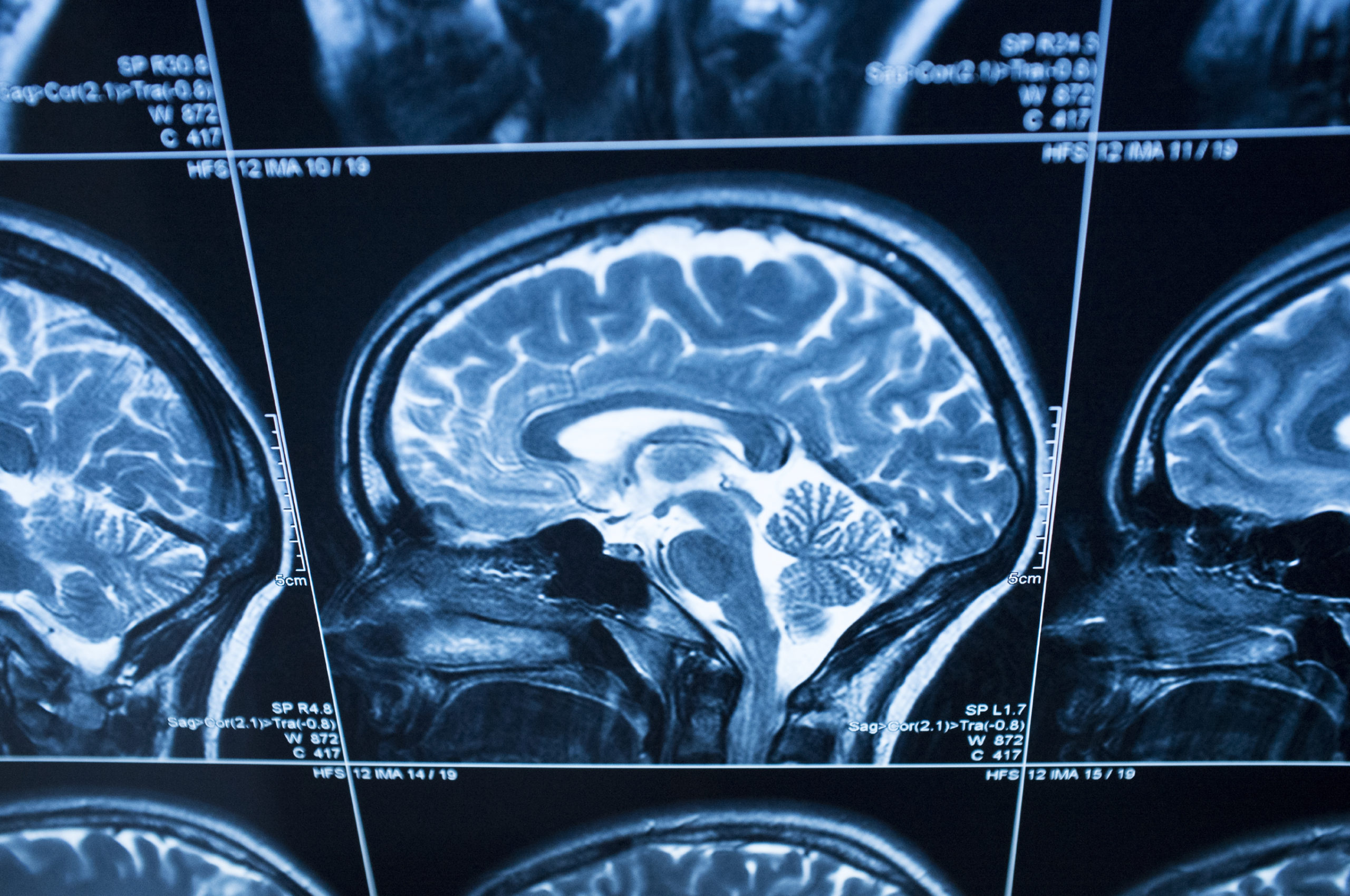
Scientists Discover Unexpected Functions of Neural Protein
A new study identified two new functions of a neural regulatory protein, with possible clinical implications down the line.
-
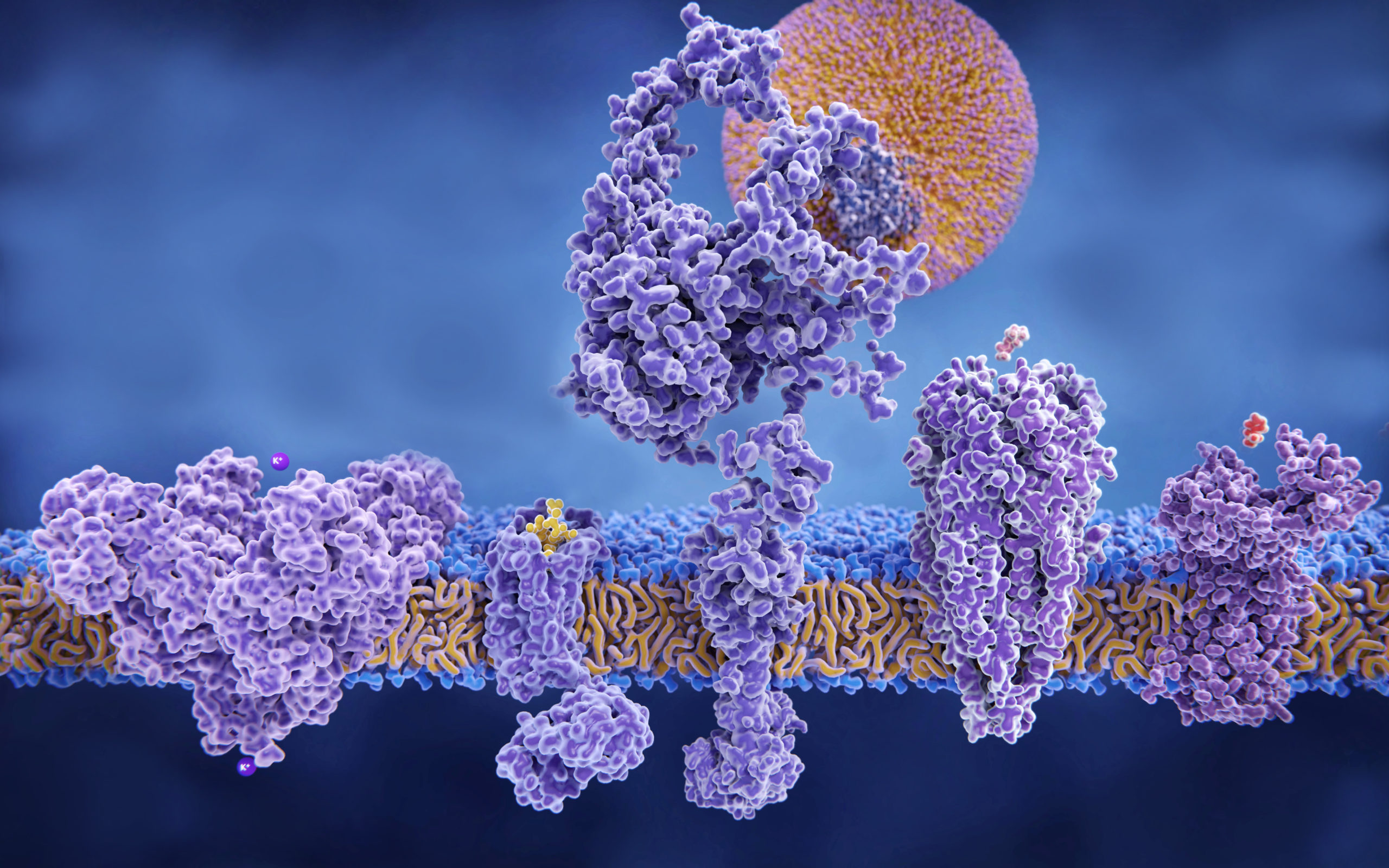
Exploring the Molecular Mechanisms of Ion Channels and Kidney Disease
Northwestern Medicine scientists have discovered the molecular mechanism by which voltage-dependent gates regulate the flow of ions in a unique sub-class of proteins called polycystic receptor potential channels.