Tag: COVID-19
-

Severe COVID-19 Illness Less Frequent In Children
Children with COVID-19 experience severe illness less frequently than adults, but the disease can still be dangerous, according to a recent study.
-

Medical Student Helps Distribute PPE Across Chicago
Tricia Pendergrast, a first-year student, helped start GetMePPEChicago, an organization that has distributed more than 60,000 N95 protective masks and other protective personal equipment to healthcare workers around the city.
-
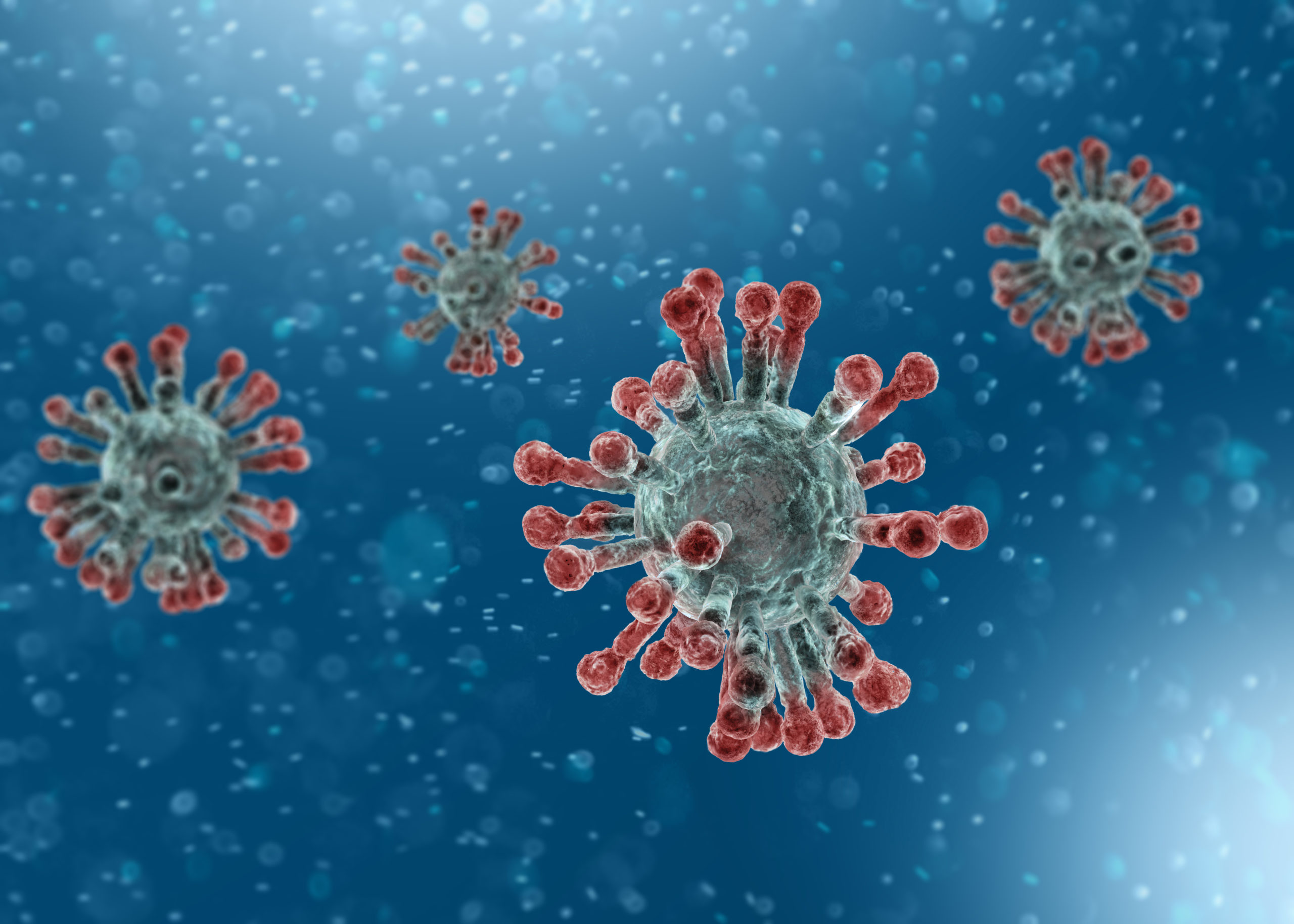
Faculty Share Expertise on Continuing COVID-19 Response Efforts
According to several recent editorials published by Feinberg faculty, there are large and complex issues to grapple with, from COVID-19’s devastating impact on African-Americans to maintaining critical care standards in the face of an unprecedented pandemic.
-
Modeling COVID-19 Transmission and Containment Efforts
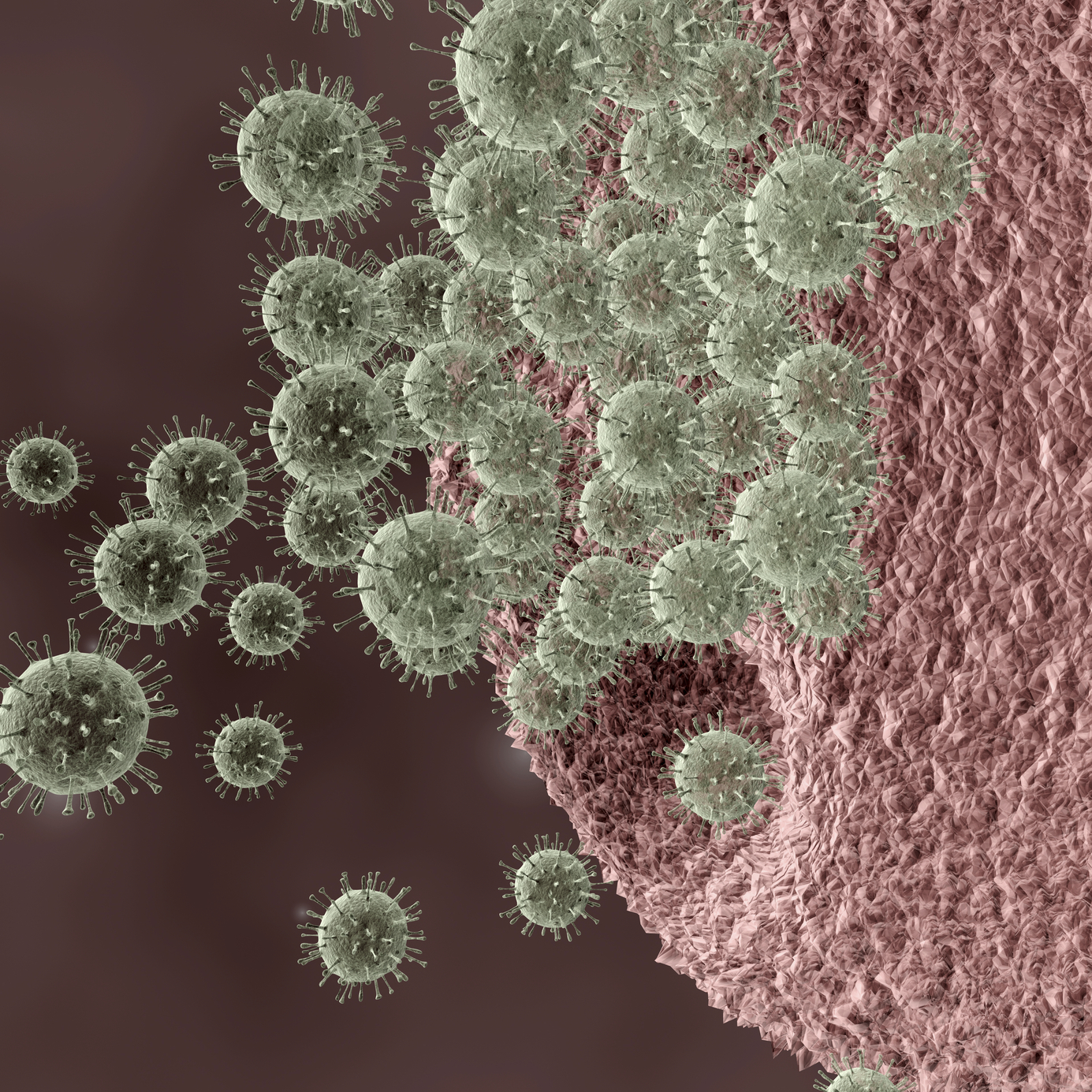
Jaline Gerardin, PhD, assistant professor of Preventive Medicine in the Division of Epidemiology, discussed how data modeling has helped evaluate COVID-19 transmission rates and containment efforts in Illinois during a recent IPHAM webinar.
-
Transitioning to Virtual Medical Curriculum in Response to COVID-19
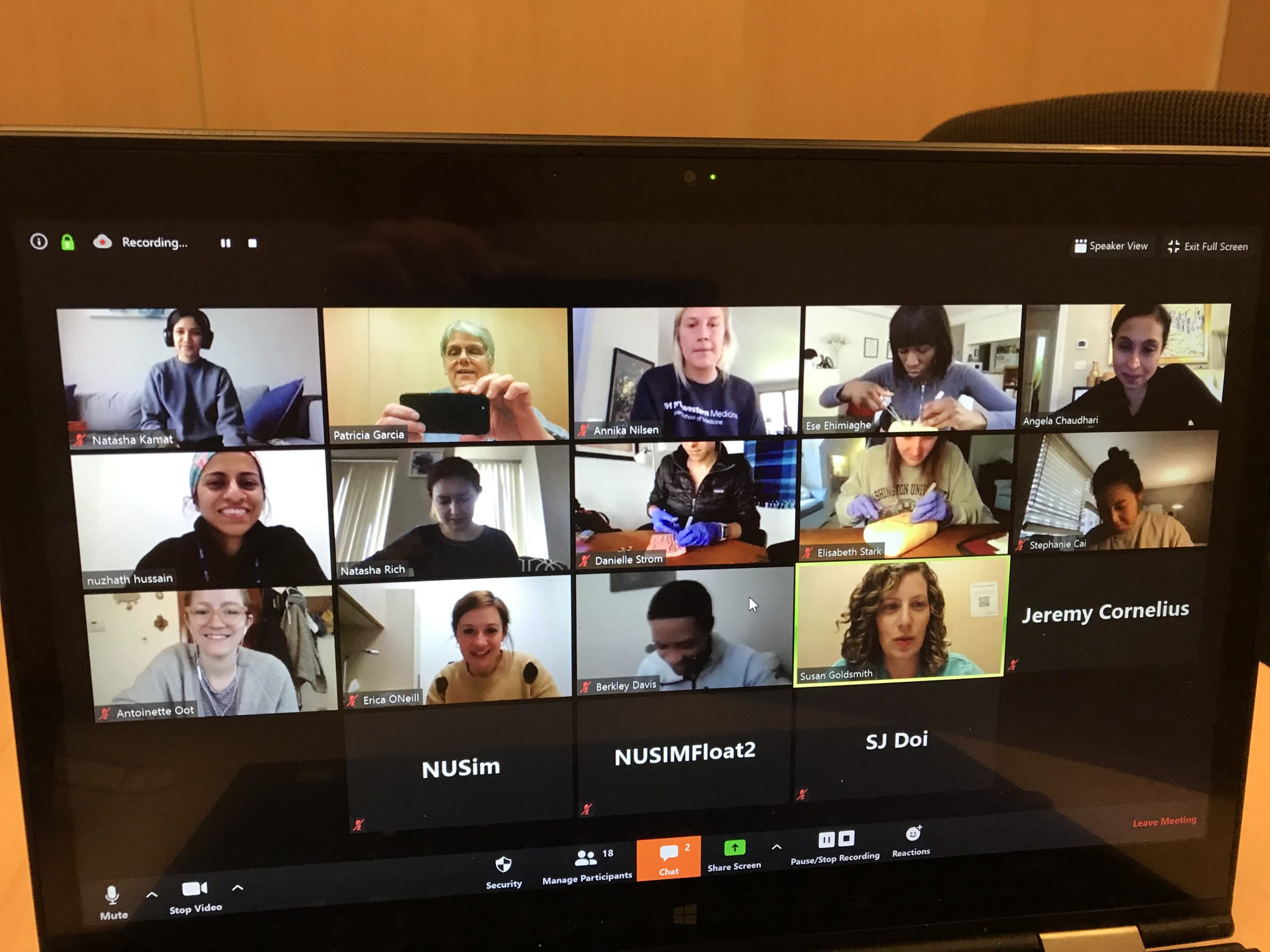
In response to the COVID-19 pandemic and the state of Illinois’ stay-at-home order, Feinberg transformed nearly its entire medical school curriculum to be delivered online. Online learning efforts include virtual simulation courses, telehealth visits, virtual standardized patient exams and online team-based active learning activities.
-
Northwestern Team Develops New Antibody Test for COVID-19
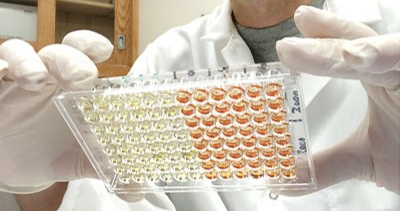
Northwestern University scientists have developed a new method for testing for SARS-CoV-2 (the virus that causes COVID-19) antibodies, requiring only a single drop of blood collected from a simple finger prick.
-

First Wearable Device Continuously Tracks COVID-19 Symptoms
Investigators at Northwestern University and Shirley Ryan AbilityLab in Chicago have developed a novel wearable device and are creating a set of data algorithms specifically tailored to catch early signs and symptoms associated with COVID-19.
-

‘Caution Fatigue’ Could Dent Efforts to Stay Safe
Northwestern Medicine experts discuss the phenomenon of “caution fatigue,” where people may find it difficult to stay on high-risk alert after weeks of social distancing and isolation to stop the spread of COVID-19.
-

Faculty Weigh in on the COVID-19 Response
There are variety of ways improve care delivery, interpret new information, and maintain clinical trials and experiments in the face of the COVID-19 pandemic, according to recent editorials published by Feinberg faculty.
-

Adapting the Education Centered Medical Home to the COVID-19 Crisis
Students are conducting telehealth visits and reaching out to patients at high risk of complications from COVID-19, part of the transition of the Education Centered Medical Home to virtual care.