Tag: Cancer
-

Living After Cancer
Northwestern’s Cancer Survivorship Institute addresses the medical, psychological and social challenges patients face after their cancer is gone.
-
‘Rewired’ Cells Show Promise For Targeted Cancer Therapy
Northwestern University synthetic biologists have developed a general method for “rewiring” immune cells to help overcome immunosuppression in cancer.
-
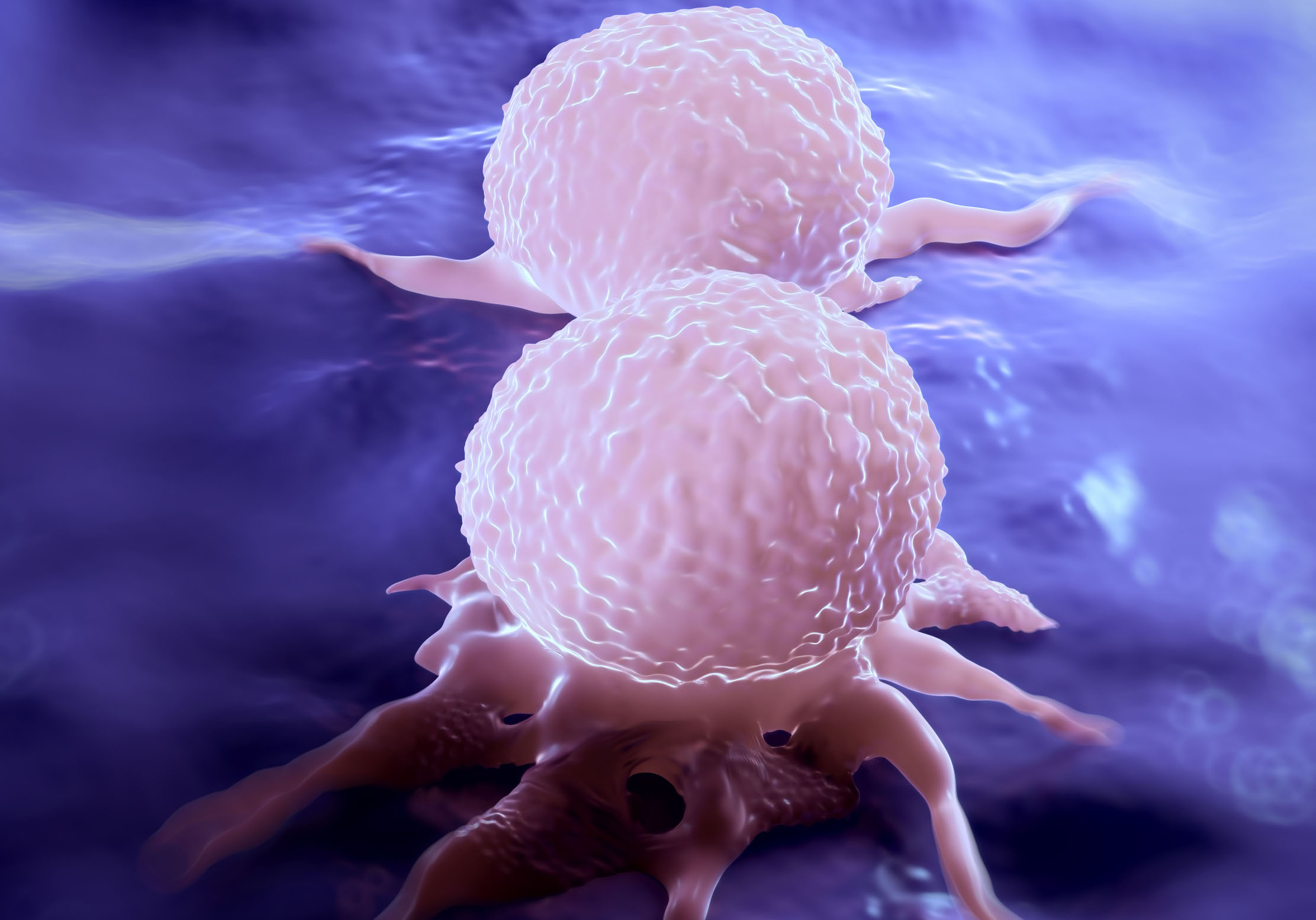
Exploring a New Approach to Treating Aggressive Breast Cancers
A new strategy for targeting a protein called GRP78 could be used to simultaneously provide diagnostic imaging and deliver treatment for inflammatory breast cancer, according to a recent study.
-
Investigating Clinical Trends in HIV-Associated Cancers
Two HIV-associated cancers are less common since the advent of antiretroviral therapy, but still occur in patients with controlled HIV, according to a Northwestern Medicine study.
-
Gene Signature Predicts Response to Radiation Therapy
In a retrospective study, scientists developed and validated a gene expression signature that can predict which patients with prostate cancer will benefit most from postoperative radiotherapy.
-
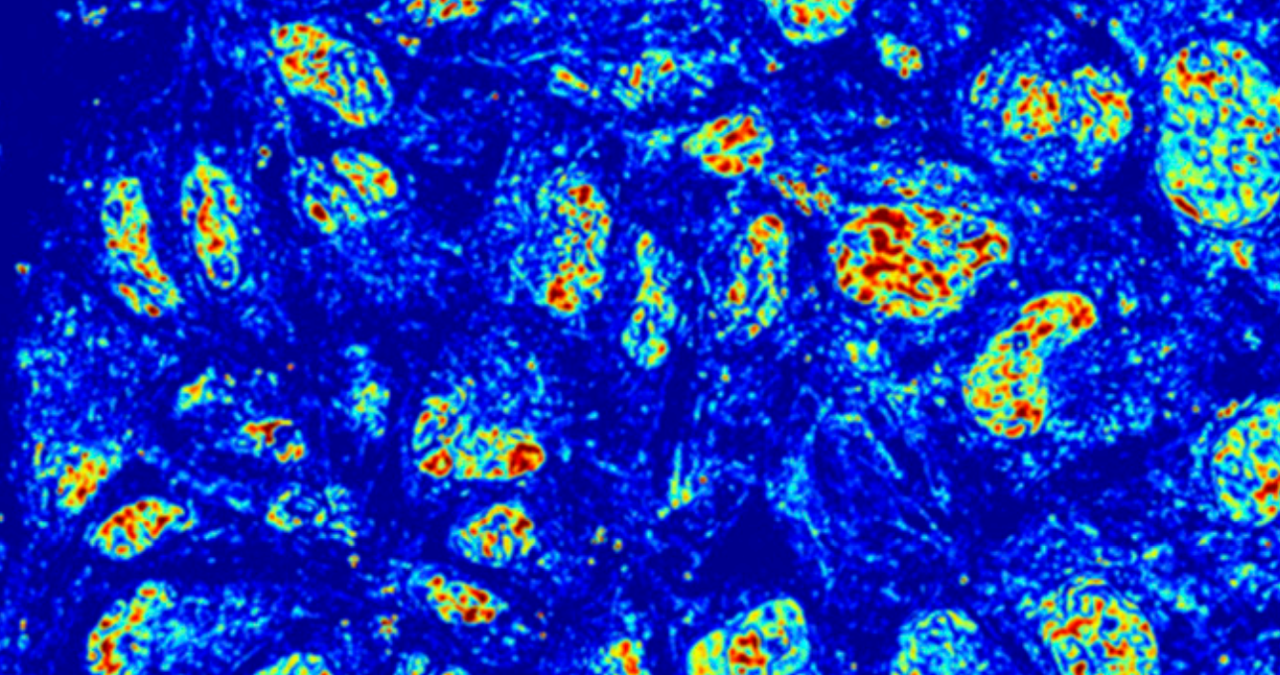
Understanding Chromatin’s Cancer Connection
Northwestern Medicine scientists have developed a new way to image chromatin within living cells, opening the door to large-scale screening techniques, including for cancer.
-

Enzyme Identified as Target Against Triple-Negative Breast Cancer
Northwestern Medicine scientists identified an enzyme as a potential new target for triple-negative breast cancer, a form of breast cancer that is associated with early tumor recurrence and significantly increased mortality rates.
-

Pinpointing the Origins of Prostate Cancer
Northwestern Medicine scientists have identified a protein that acts as a marker for a population of cells that may be an origin for prostate cancers.
-

Renowned Neuro-oncologist Joining Northwestern
Internationally renowned Swiss neuro-oncologist Roger Stupp, MD, will join Northwestern Medicine as a professor of Neurological Surgery.
-

Understanding Signaling Pathways in Brain Tumors
Northwestern Medicine scientists have identified a signaling pathway that regulates the behavior of two subtypes of glioblastomas.