Tag: Cancer
-

Lurie Cancer Center Earns Exceptional Rating from National Cancer Institute
The Robert H. Lurie Comprehensive Cancer Center of Northwestern University has been renewed for a fourth five-year grant, totaling $31.5 million and representing a 36 percent increase over its previous funding.
-
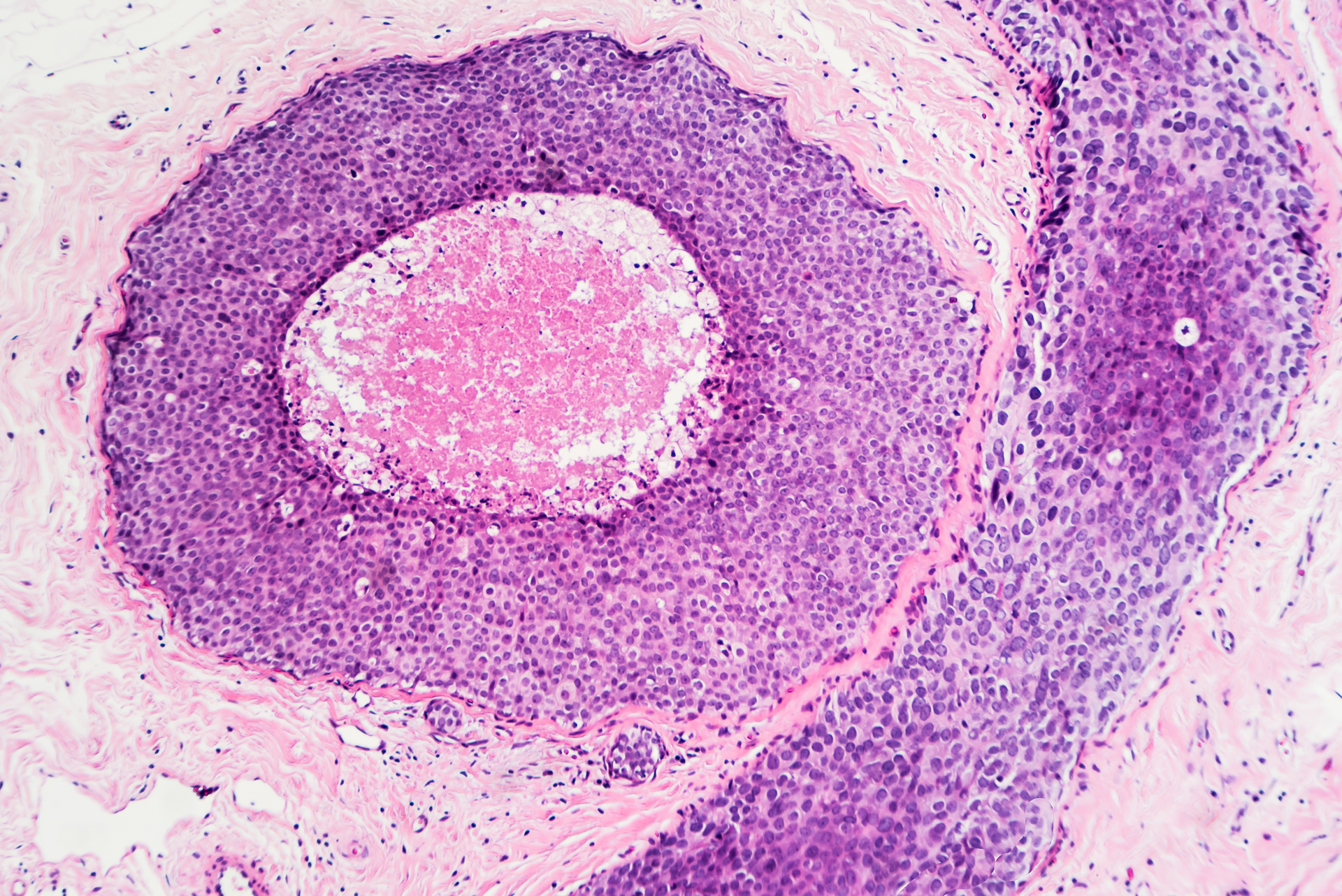
Scientists Examine Epigenetics of Breast Cancer
Northwestern Medicine scientists are using a variety of innovative techniques to uncover the epigenetics of breast cancer, as seen in three recent studies.
-

Shilatifard Named Editor of Science Advances
Ali Shilatifard, PhD, has been appointed editor of Science Advances, an open-access journal published by the American Association for the Advancement of Science, which also publishes the journal Science.
-

Feinberg Faculty to Lead Neuropathology Society
Two Northwestern faculty, including the chair of Pathology, will serve as president and vice president of the American Association of Neuropathologists.
-
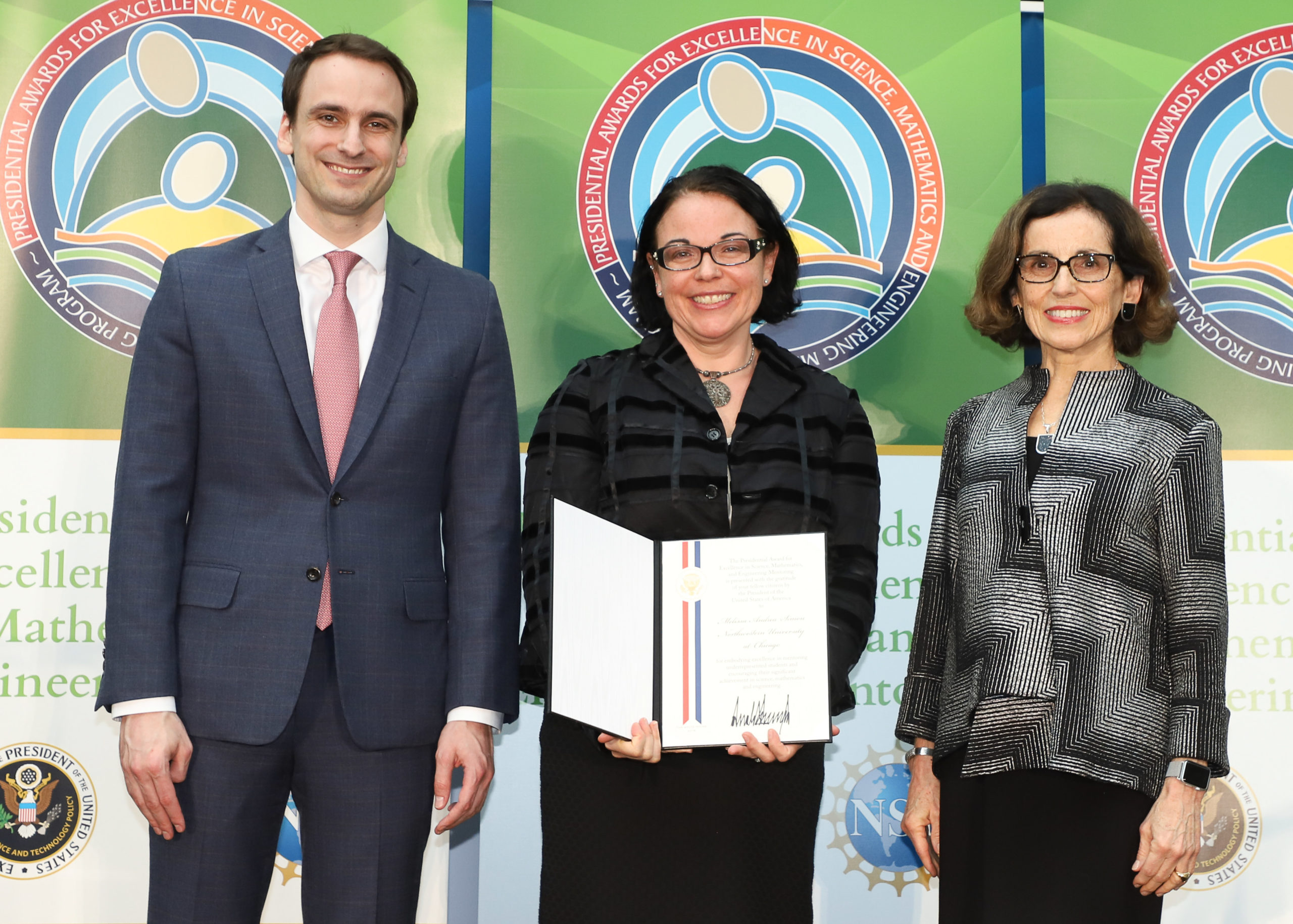
Simon Honored With Presidential Award for Mentorship
Melissa Simon, MD, MPH, the George H. Gardner Professor of Clinical Gynecology, has received the National Science Foundation’s Presidential Award for Excellence in Science, Mathematics and Engineering Mentoring.
-

Clinical Trials Show Promise in Leukemia
Two drugs that target mutations in leukemia showed encouraging results, according to recent clinical trials.
-
Men With Aggressive Prostate Cancer May Get New Powerful Drug Option
An existing drug significantly lowered the risk of metastasis or death when used in men with non-metastatic castrate-resistant prostate cancer and a rising PSA level, according to a study published in the New England Journal of Medicine.
-

Common Antimicrobial May Raise Risk of Colon Disease
Triclosan, a common antimicrobial used in toothpastes and other products, may raise the risk of gut inflammation and colorectal cancer, according to a preliminary animal study.
-

Rare Bacteria Boosts Immunotherapy in Prostate Cancer
A unique bacterial strain isolated from a patient with pelvic pain could be the key to treating prostate cancer with immunotherapy, according to a study published in Nature Communications.
-
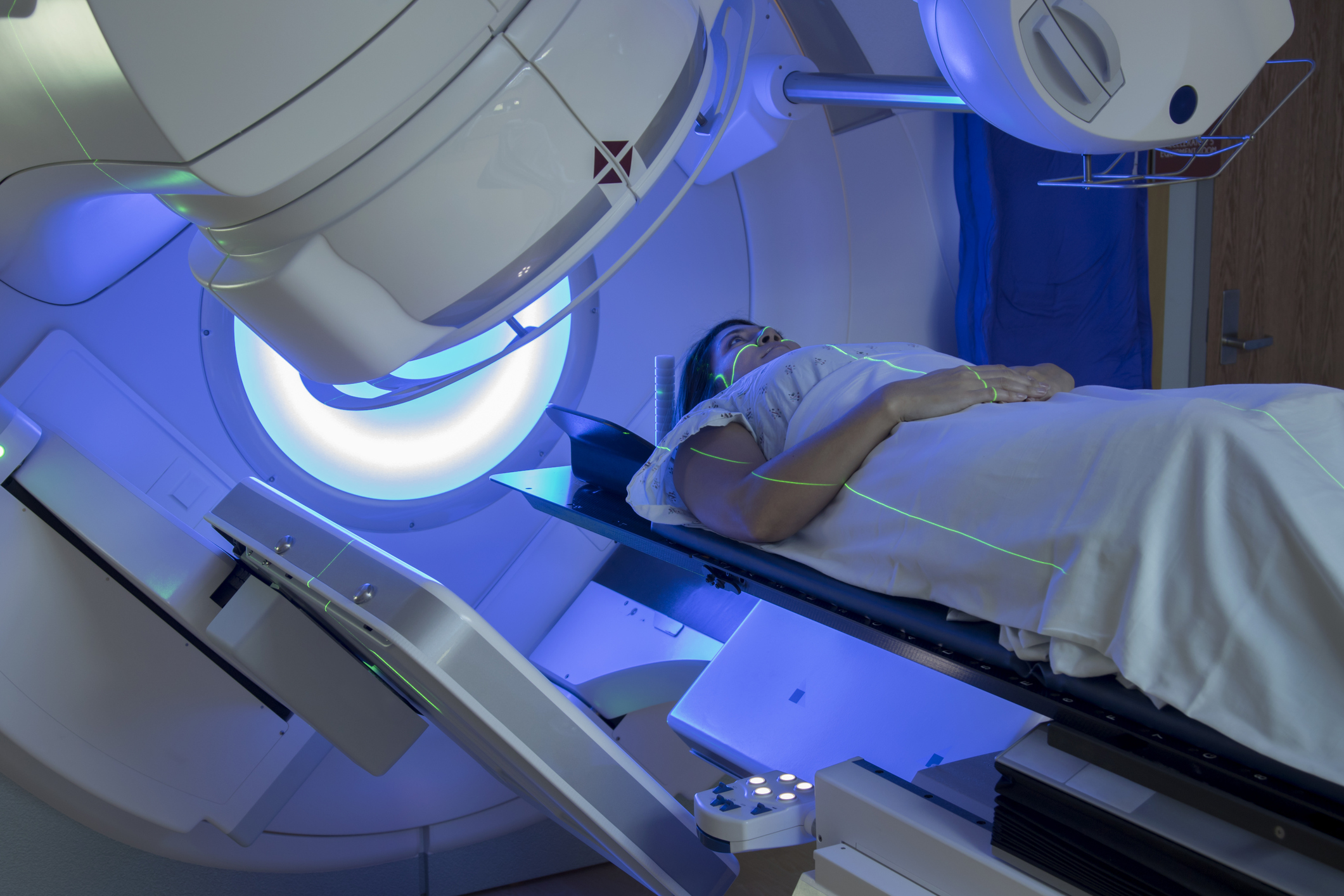
Resident Investigates Radiation Therapy Benefit in Breast Cancer
The presence of cancer cells in the bloodstream of patients with early-stage breast cancer may be predictive of benefit from radiotherapy after surgery, according to a new Northwestern Medicine study.