Tag: Awards
-

Humanism in Patient Care Celebrated at Feinberg
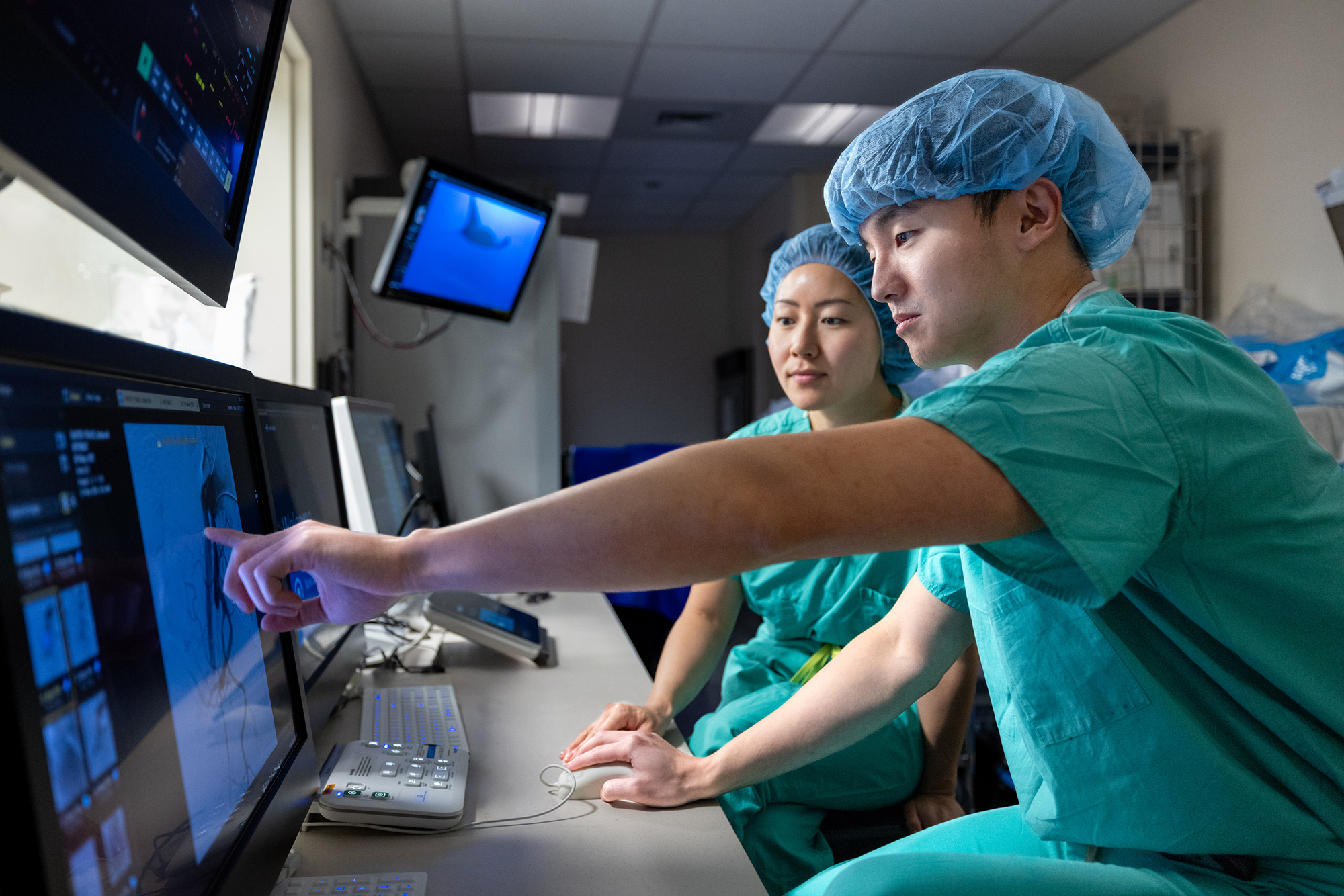
At a recent virtual event, students, residents and faculty were inducted into the Gold Humanism Honor Society and recognized as exemplars of compassionate patient care who serve as role models, mentors and leaders in medicine.
-
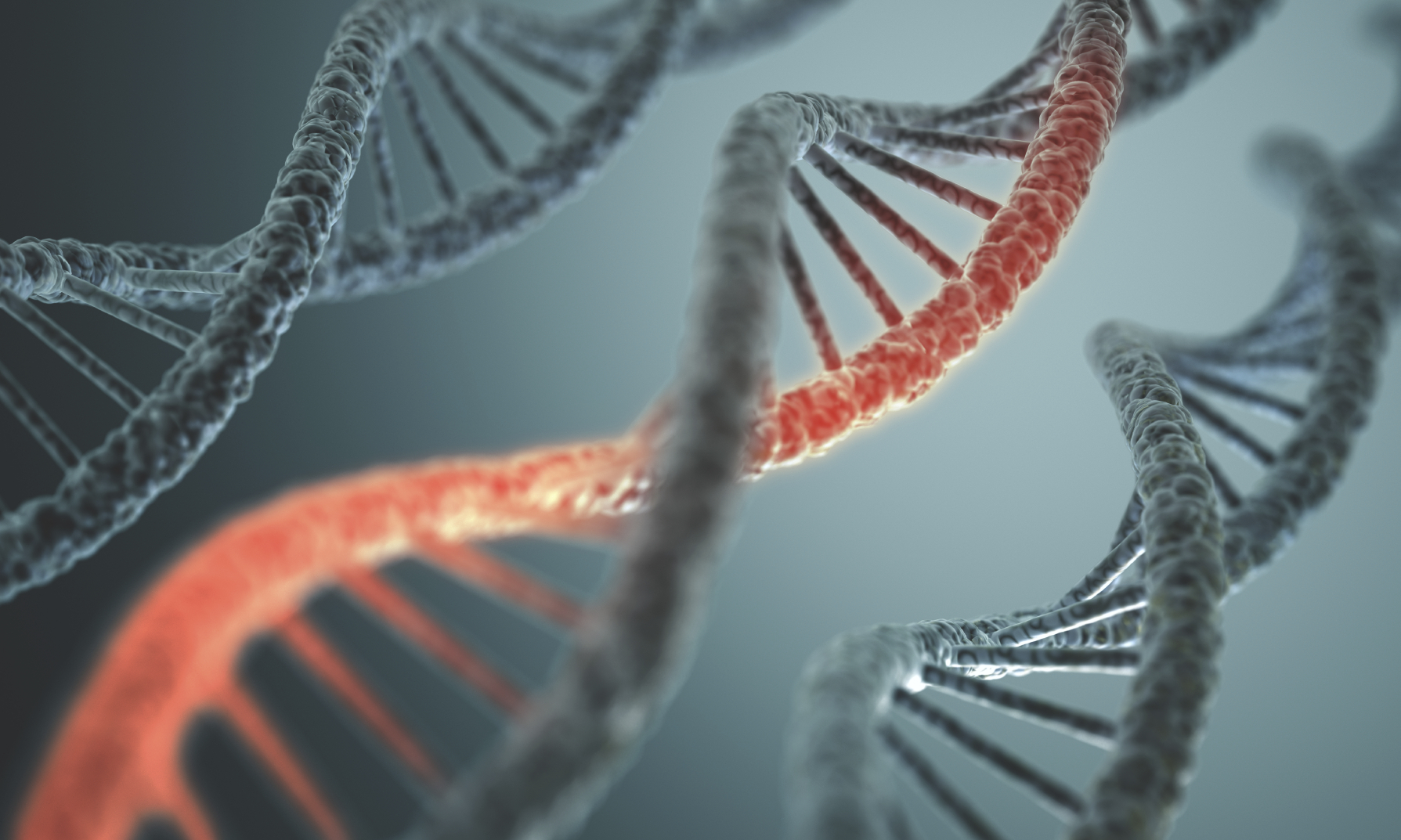
Discovering New Mechanisms in Epigenetics
A series of recent discoveries by Northwestern Medicine scientists point to a more nuanced understanding of how epigenetic regulators function.
-

Proxy Measures Fail to Assess Cardiovascular Care
Using proxy measures of preparedness for hypertension or diabetes care did not accurately assess the ability of low- and middle-income countries to treat patients, according to a study published in PLOS Medicine.
-

Rethinking Cardiac Repair After Injury
A signaling molecule produced by the lymphatic vasculature could be used to promote cardiac repair after heart attack, according to a Northwestern Medicine study published in Nature.
-
Remembering William Schnaper, MD
William “Bill” Schnaper, MD, professor of Pediatrics, who passed away recently after a long illness, was remembered as a committed scientist, friend and champion of mentorship.
-
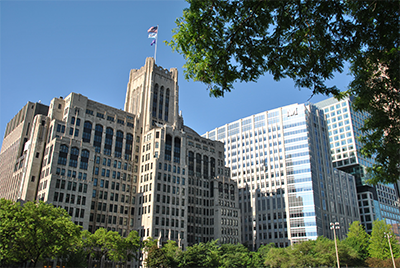
Cheng Named AAAS Fellow
Shi-Yuan Cheng, PhD, professor in The Ken and Ruth Davee Department of Neurology in the Division of Neuro-oncology, has been named a fellow of the American Association for the Advancement of Science (AAAS) for his outstanding contributions to molecular and translational cancer research.
-
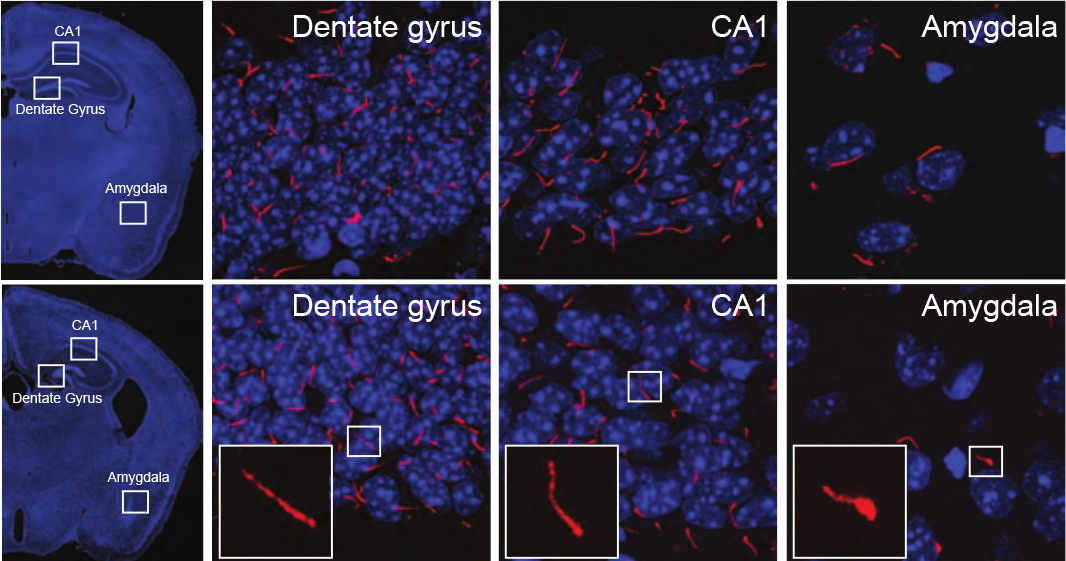
Cilia Defects Linked to Schizophrenia
Mutations in PCM1, a gene involved in the formation of cilia, were linked with schizophrenia in a variety of animal models and in human genome analysis, according to a recent study.
-
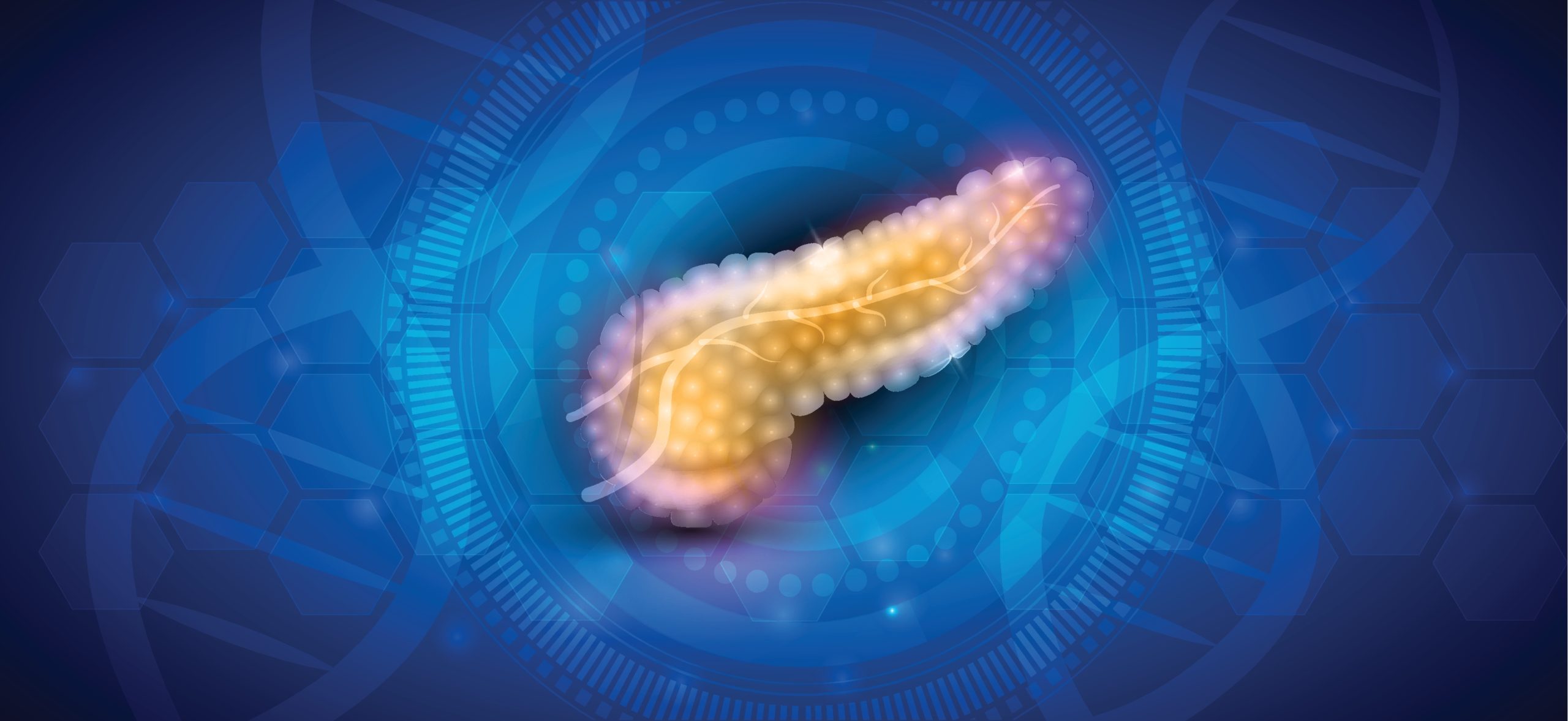
New Path Forward for Pancreatic Cancer Treatment
Combining the current standard-of-care chemotherapy drug with a genetic inhibitor may improve treatment for pancreatic ductal adenocarcinoma, according to a recent study published in PNAS.
-
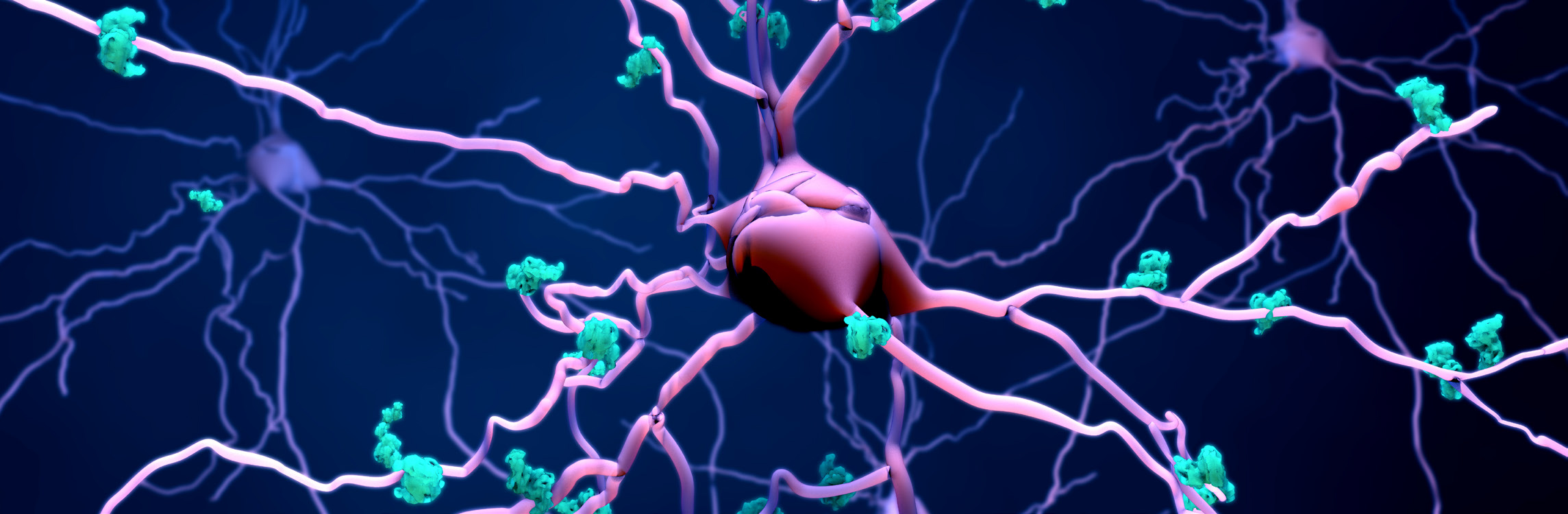
Investigating the Biology of Aging
Feinberg investigators are breaking down the mechanisms of aging and designing solutions to extend healthy living.
-
Les Turner Symposium Celebrates Scientific Discovery in ALS
The 10th Annual Les Turner Symposium on ALS — the first held virtually — featured scientific presentations, updates on innovative clinical trials and a question-and-answer session for patients and caretakers.