Category: Disease Discoveries
-

Novel Genetic Factors Contribute to Parkinson’s Risk
Investigators have discovered novel genetic factors that contribute to the risk of Parkinson’s disease, according to a recent Northwestern Medicine study.
-

Study Identifies Novel Therapeutic Target for Acute Myeloid Leukemia
Northwestern Medicine investigators have discovered the mechanisms by which a particular protein promotes cancer cell proliferation and survival in acute myeloid leukemia, according to findings published in Blood.
-
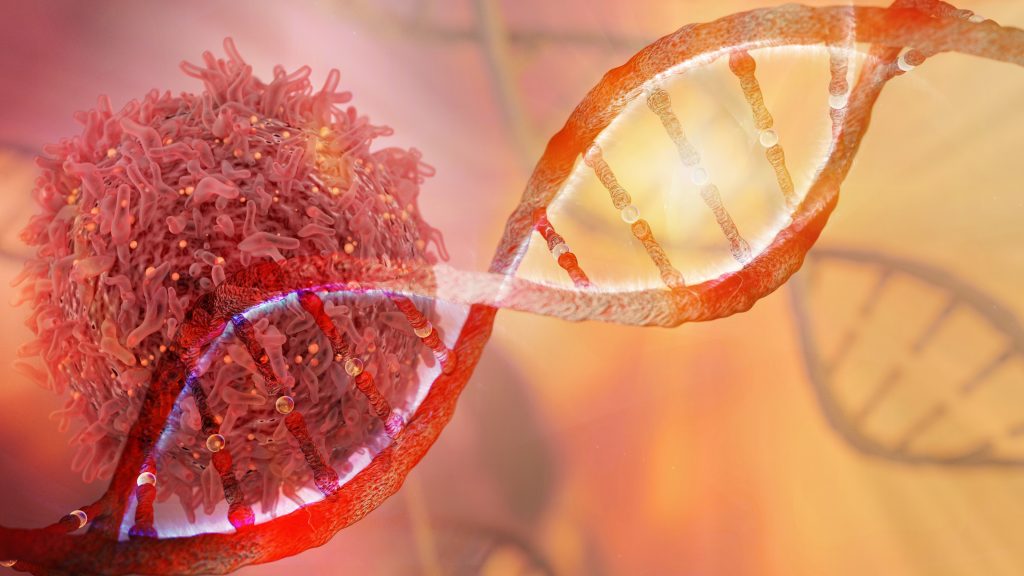
New Gene Target for Aggressive Lung Cancer Discovered
Northwestern Medicine scientists have identified a gene that is responsible for activating an aggressive subtype of small-cell lung cancer for which there is no current effective treatment.
-
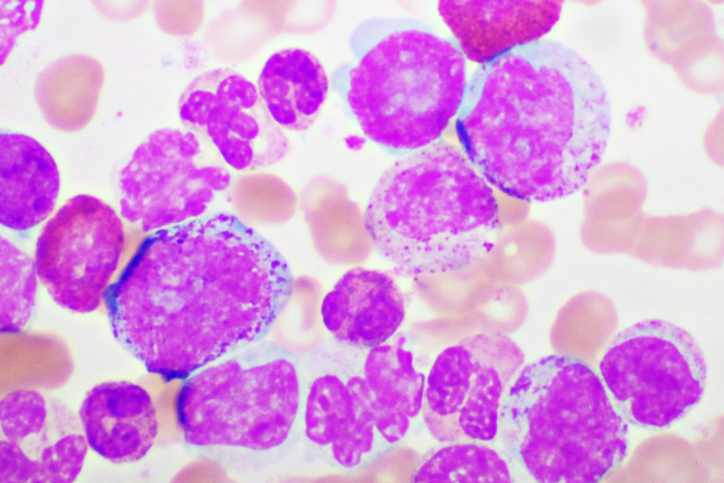
Exploring Novel Mechanisms and Therapeutic Targets for Acute Myeloid Leukemia
Patients with acute myeloid leukemia show large-scale genomic mutations and altered DNA folding patterns that could help identify potential therapeutic targets, according to a Northwestern Medicine study published in Nature.
-

Why Late-Night Eating Leads to Weight Gain, Diabetes
A new study has shown that energy release may be the molecular mechanism through which our internal clocks control energy balance, findings with implications from dieting to sleep loss.
-

Newly Identified Protein Drives Breast Cancer Stemness and Metastasis
Using machine learning, Northwestern scientists have demonstrated that the protein membrane CD81 interacts with CD44 in promoting tumor cell cluster formation and lung metastasis of triple negative breast cancer.
-

Novel Monoclonal Antibody Therapy for SARS-CoV-2
Targeting internal proteins instead of spike proteins may be a promising strategy for monoclonal antibody therapy to combat SARS-CoV-2, the virus that causes COVID-19.
-

Novel Treatment Effective for Bladder Cancer, Study Shows in Mice
An epigenetics drug currently being used for the treatment of blood cancers and rare sarcomas can stop the growth of bladder cancer by activating the immune system, according to a new study.
-

Northwestern Investigates COVID-19: Sentinel Surveillance, ‘Long COVID’ in Children
Northwestern Medicine investigators continue to investigate the impact of the COVID-19 pandemic, from evaluating repurposed drugs in preventing severe disease to using sentinel surveillance to monitor SARS-CoV-2 transmission rates and studying the prevalence of “long COVID” in pediatric patients.
-

Gene Loss Enhances Metastasis and Cancer Progression
Investigators discovered that the loss of the gene SLIT2 in circulating tumor cells regulates metastasis of prostate cancer tumors, according to a Northwestern Medicine study.