Category: Disease Discoveries
-

Immune Cell Circuit Restores Barrier Function in IBD
Scientists have discovered a new communication circuit between immune cells in the intestines, a potential therapeutic target to improve inflammatory bowel disease outcomes, according to a recent study published in the Proceedings of the National Academy of Sciences.
-

Expanding the Evidence for Behavioral Interventions in Gastroenterology
The Division of Gastroenterology and Hepatology at Feinberg has a distinct strength in understanding how behavior and lifestyle influence gastrointestinal (GI) health. The Division conducts research aimed at improving treatments for disorders of the digestive tract and related organs.
-
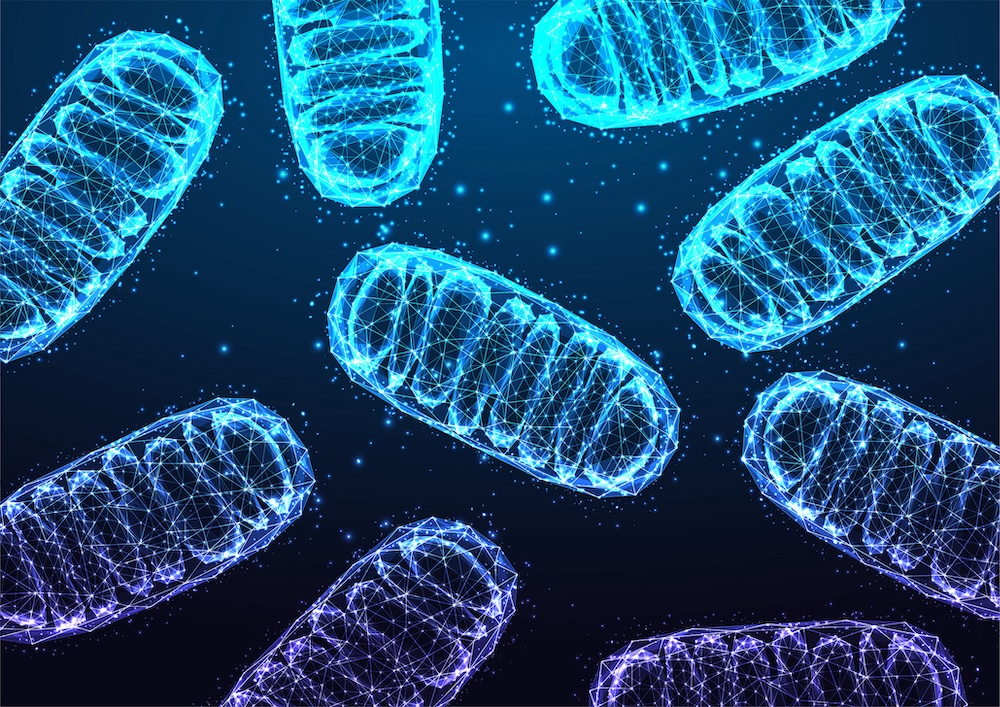
Exploring Intracellular Communication to Understand Neurodegeneration
Investigators have uncovered a new communication pathway between mitochondria and RNA granules that may improve the understanding of how the toxic buildup of the TDP-43 protein leads to the development of certain neurodegenerative diseases, according to a recent study published in Nature Communications.
-
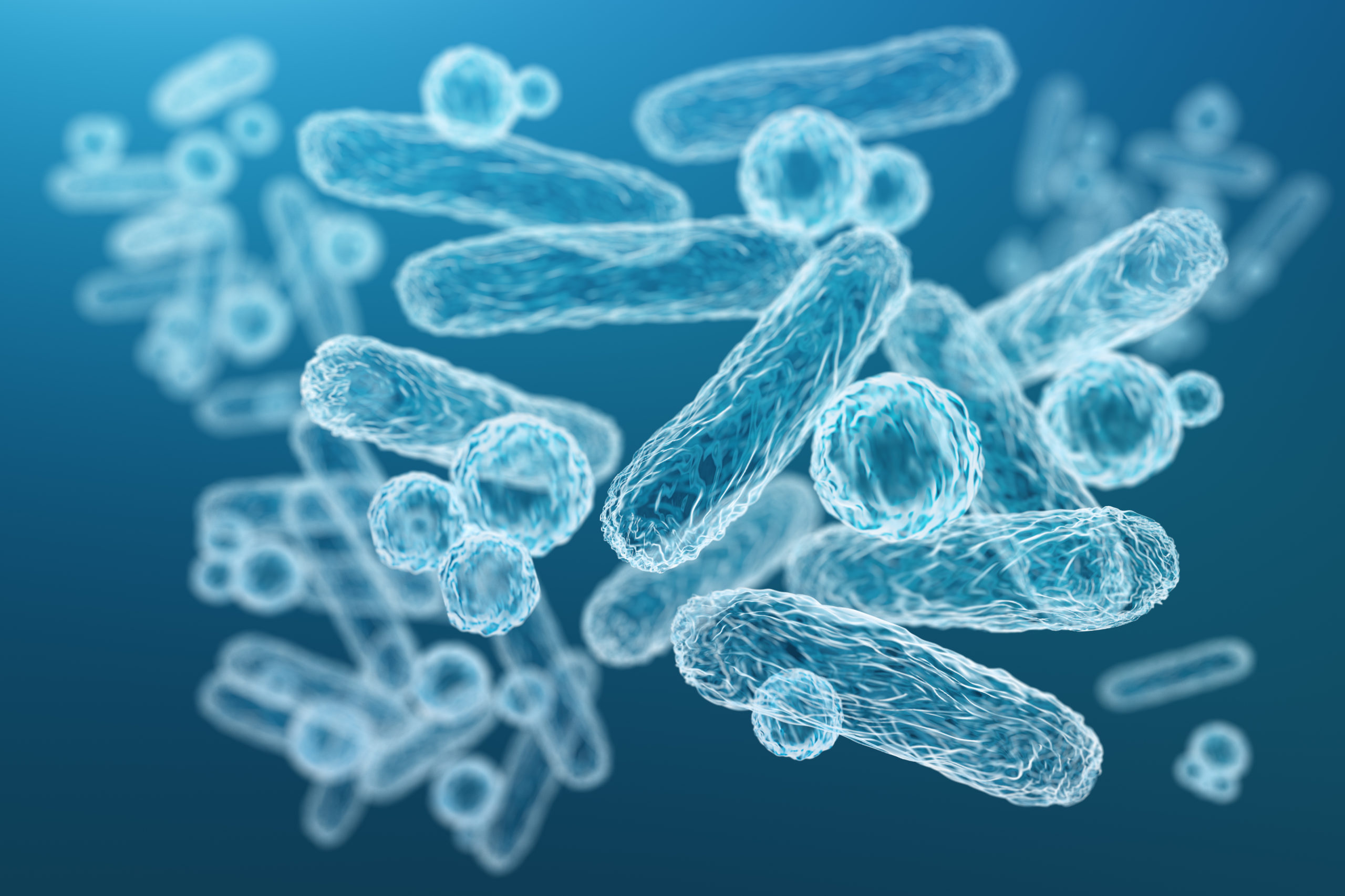
Bacteria ‘Rewire’ Epithelial Cells and Drive Disease in the Gut
A bacterial pathogen that causes colitis and colorectal cancer creates a nutrient-rich niche and “rewires” epithelial cell signaling in the inflamed gut, which promotes bacterial colonization and disease, mechanisms that may be promising therapeutic targets, according to a recent study published in the journal Cell.
-
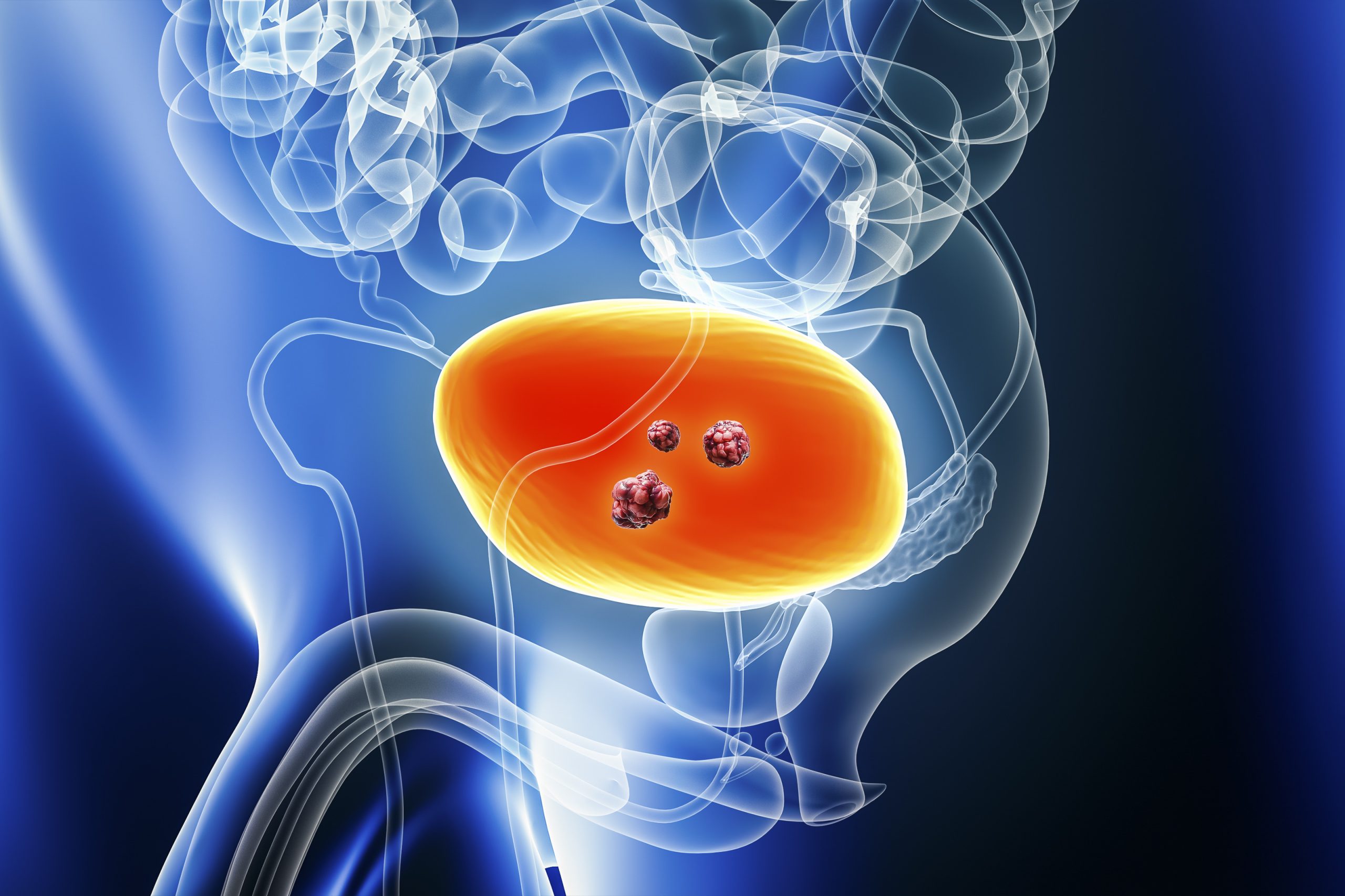
Immune Biomarkers May Predict Response to Bladder Cancer Treatment
A Northwestern Medicine study has offered new clues as to why immunotherapy works well for some bladder cancer patients but fails for others, according to a study published in the Journal of Clinical Investigation.
-

Blood Test May Predict Immunotherapy Response in Head and Neck Cancer
A new Northwestern Medicine study suggests that a simple blood test could help identify which patients with head and neck cancer are most likely to benefit from immunotherapy, according to a study published in the Journal of Clinical Investigation.
-
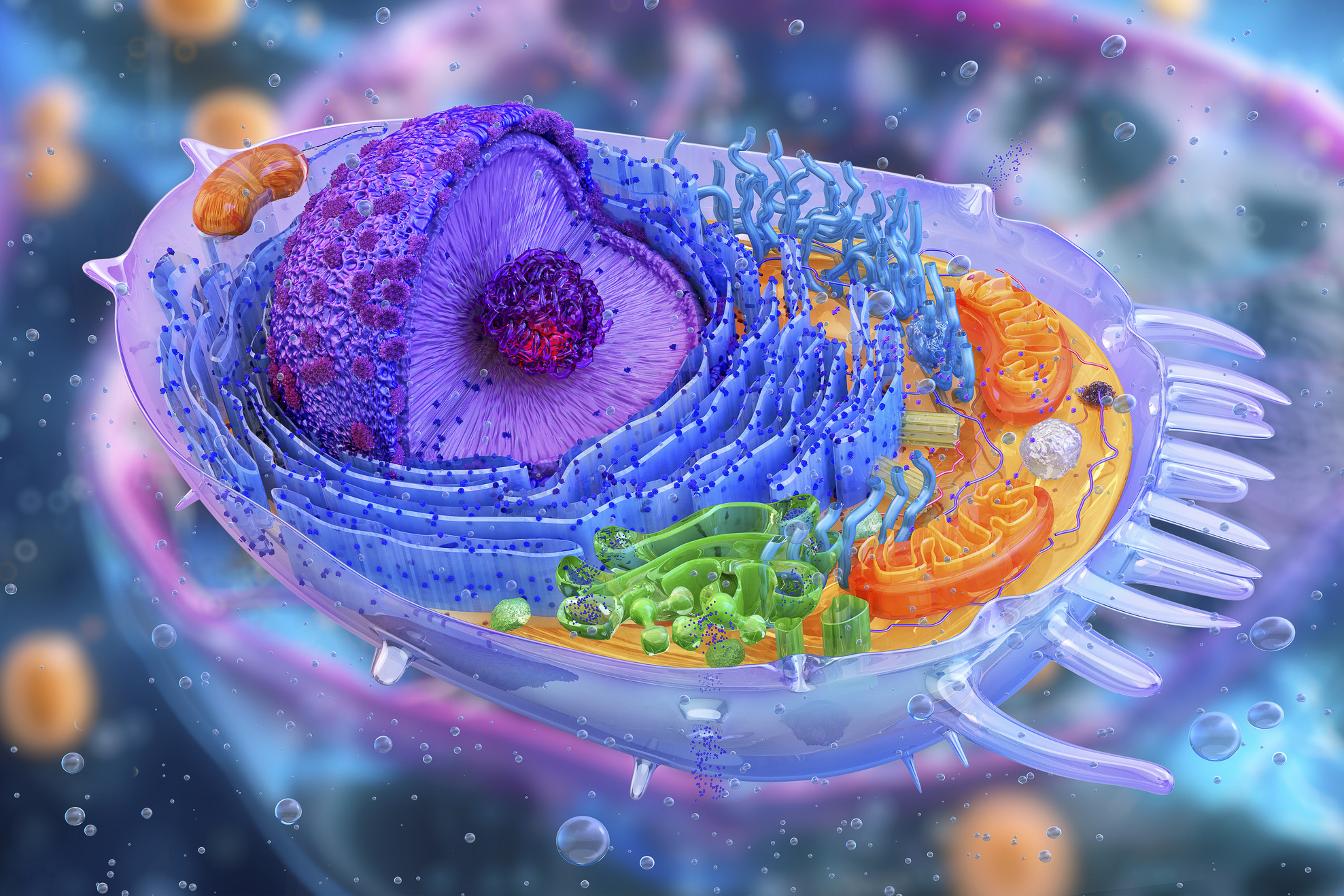
Linking Lysosomal Dysfunction to Severe Neurological Disorders
A new study has identified mutations in a single gene as the cause of a previously unrecognized spectrum of severe neurological disorders, according to a study published in the Journal of Clinical Investigation.
-
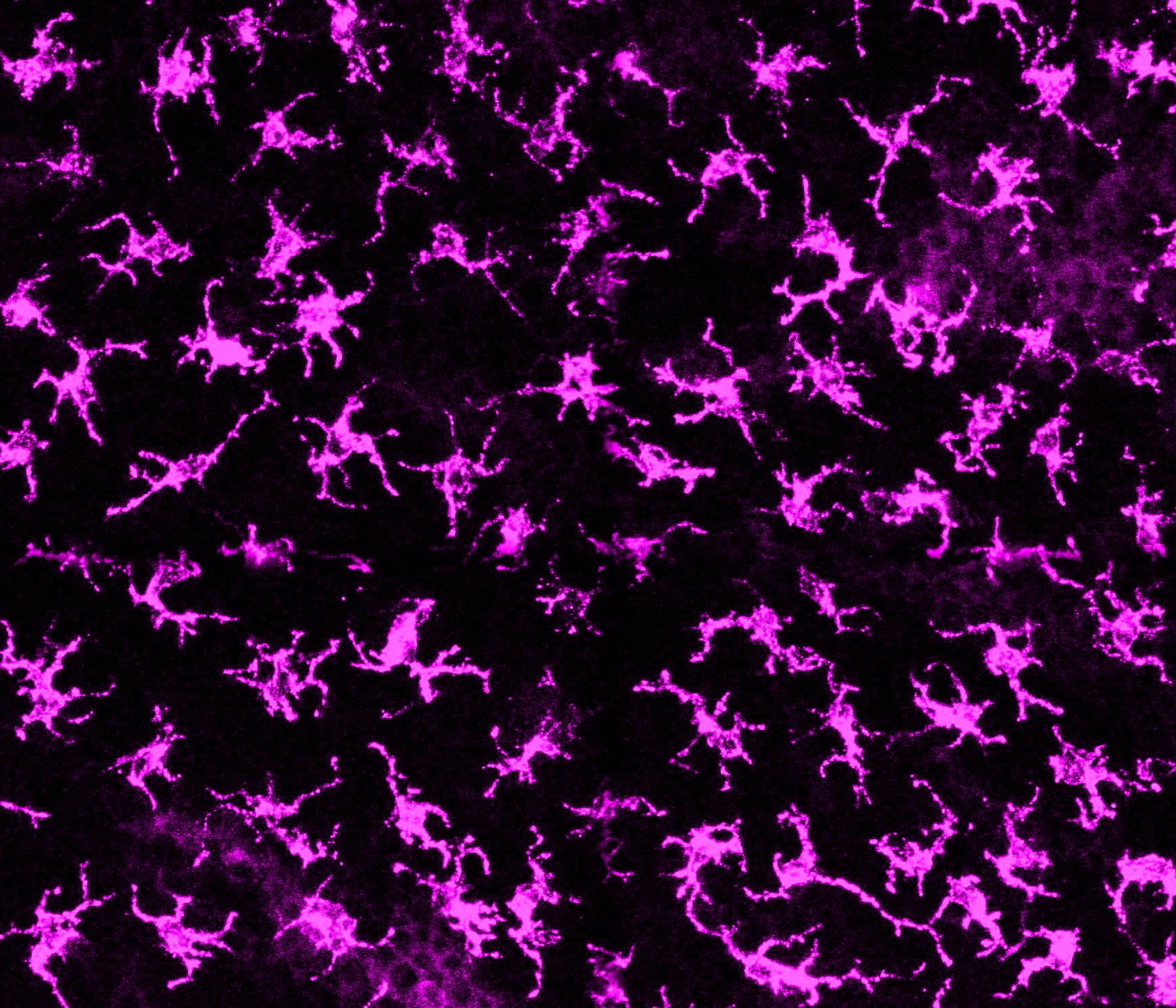
Skin-Resident Immune Cells Drive Neuropathic Pain in Diabetes
In experimental models of diabetes, Northwestern Medicine scientists have discovered that a specialized group of skin-resident immune cells drive neuropathic pain through sex-dependent signaling pathways, according to a recent study published in The Journal of Clinical Investigation.
-
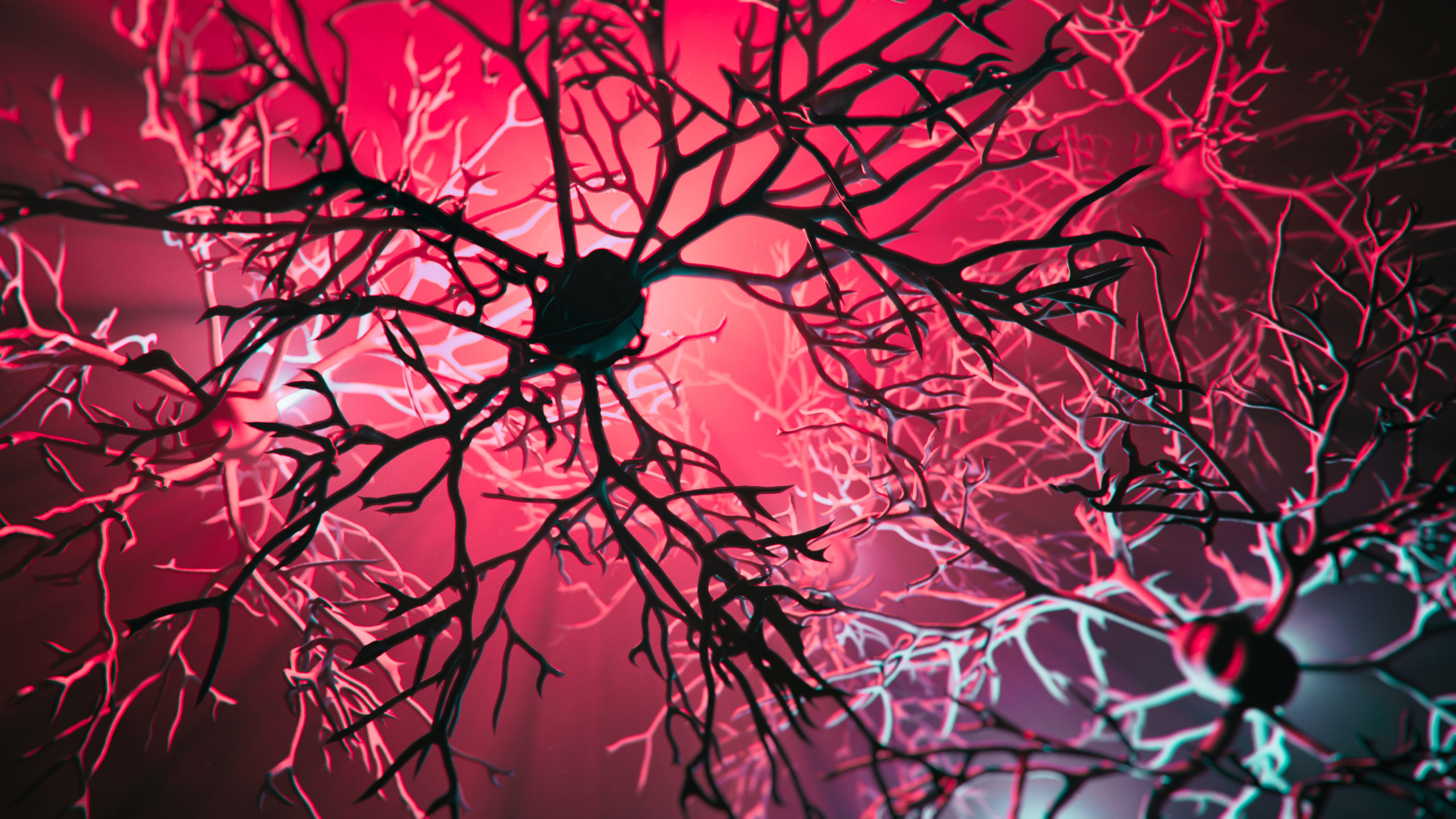
ALS is Driven by a Domino‑Like Chain Reaction That Begins in Nerve Cells
A new Northwestern Medicine study provides evidence that ALS unfolds through a domino‑like sequence of events that begins with an early breakdown inside motor neurons and is followed by a damaging inflammatory response.
-
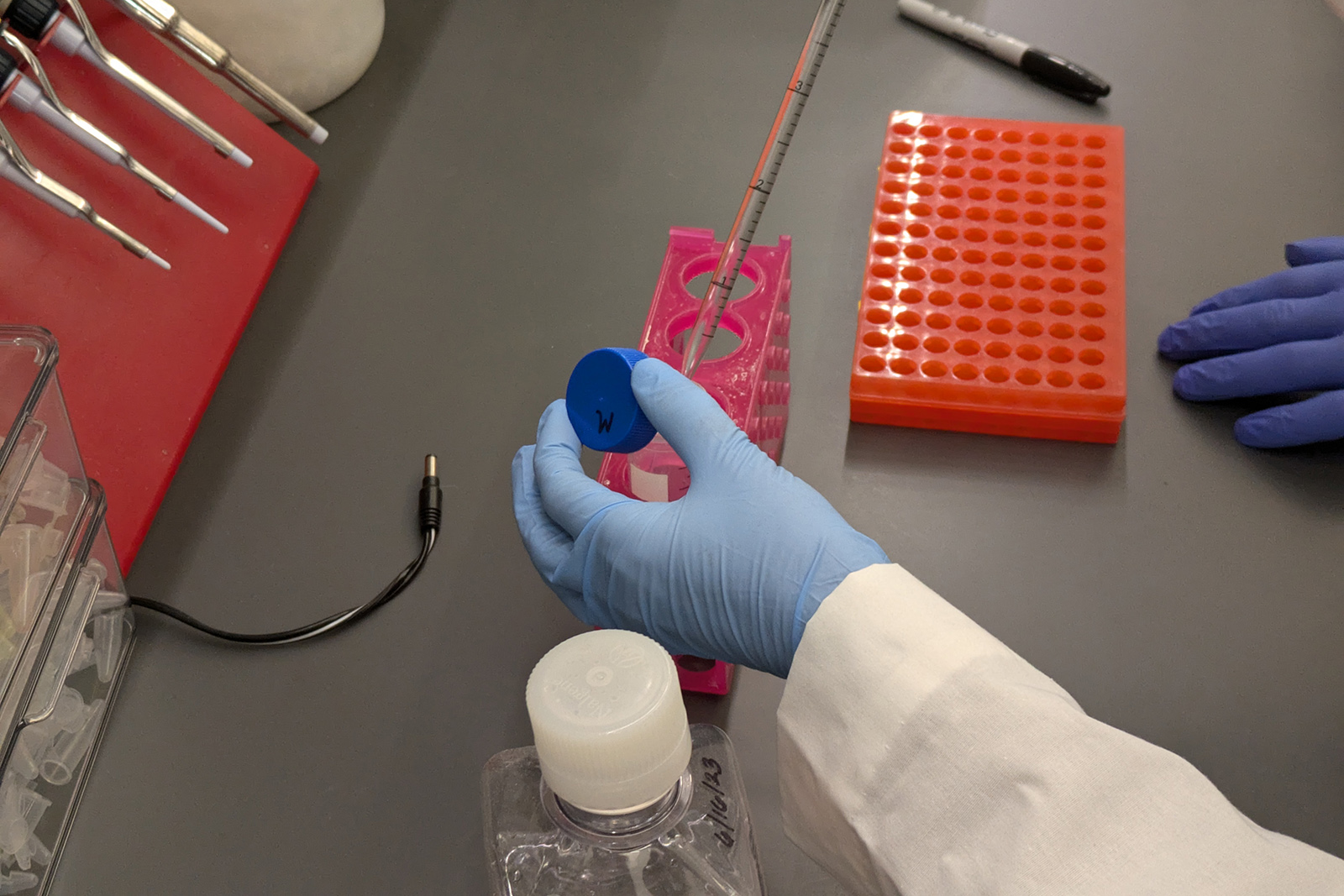
Metformin Slows Mitochondrial Energy Production, Promotes Glycemic Control
A new Northwestern Medicine study has found that metformin, a commonly prescribed diabetes drug, focuses primarily on the gut, acting to prevent glucose levels rising in the blood by driving glucose utilization inside cells lining the intestine.