Category: Disease Discoveries
-
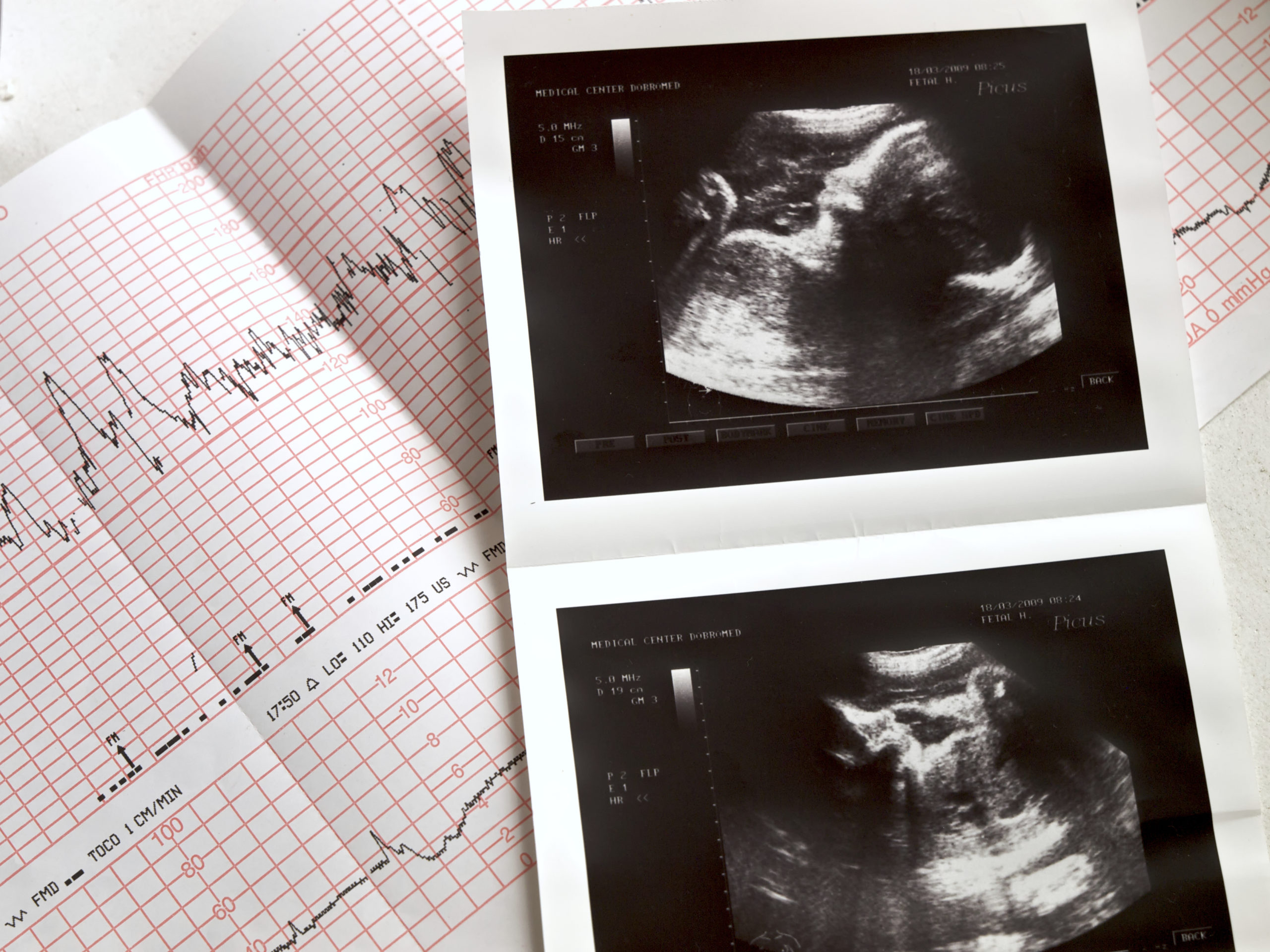
Treatment of Rare Childhood Epilepsy Could Begin Before Birth
A new Northwestern study suggests that interventions for epilepsy can start during pregnancy, as early as 15 weeks gestation, well before symptoms appear, according to a study published in Nature Communications.
-

Reinfection Raises Long COVID Risk in Children and Adolescents
Children and adolescents who are reinfected with SARS-CoV-2 face a significantly higher risk of developing long COVID, according to a large, multi-institutional study published in The Lancet Infectious Diseases.
-
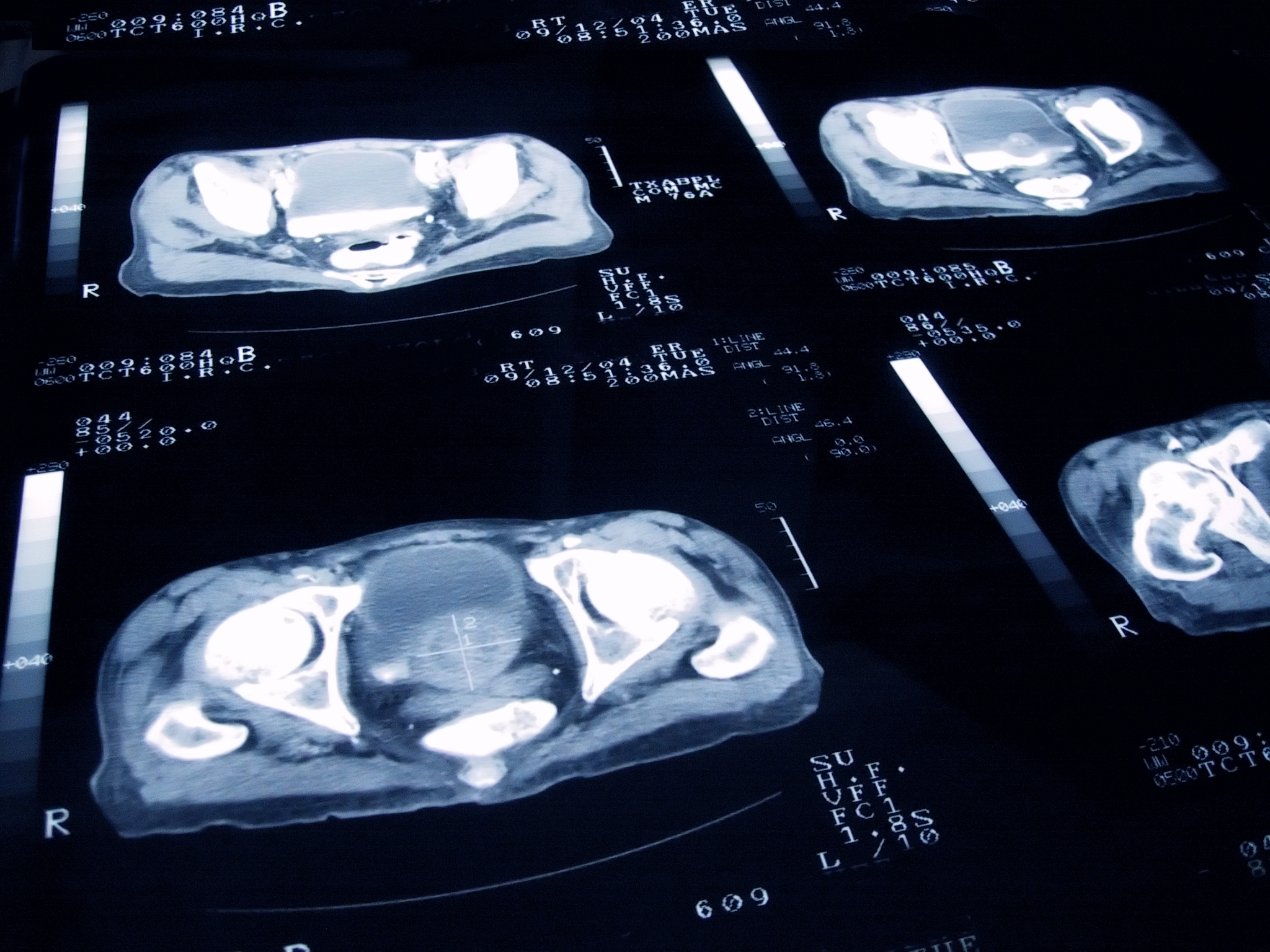
Scans Can Reveal Hidden Prostate Cancer Progression
A large analysis of two major clinical trials has found that the spread of prostate cancer can be detected on imaging scans even when biomarkers remain stable, according to a study published in the Journal of Clinical Oncology.
-

Neighborhood Social Factors Increase Cardiovascular Disease Risk
Individuals exposed to adverse neighborhood social factors in early adulthood demonstrated a higher risk of developing coronary artery calcification in midlife, a key measure of early cardiovascular disease, according to a recent study published in Nature Communications.
-
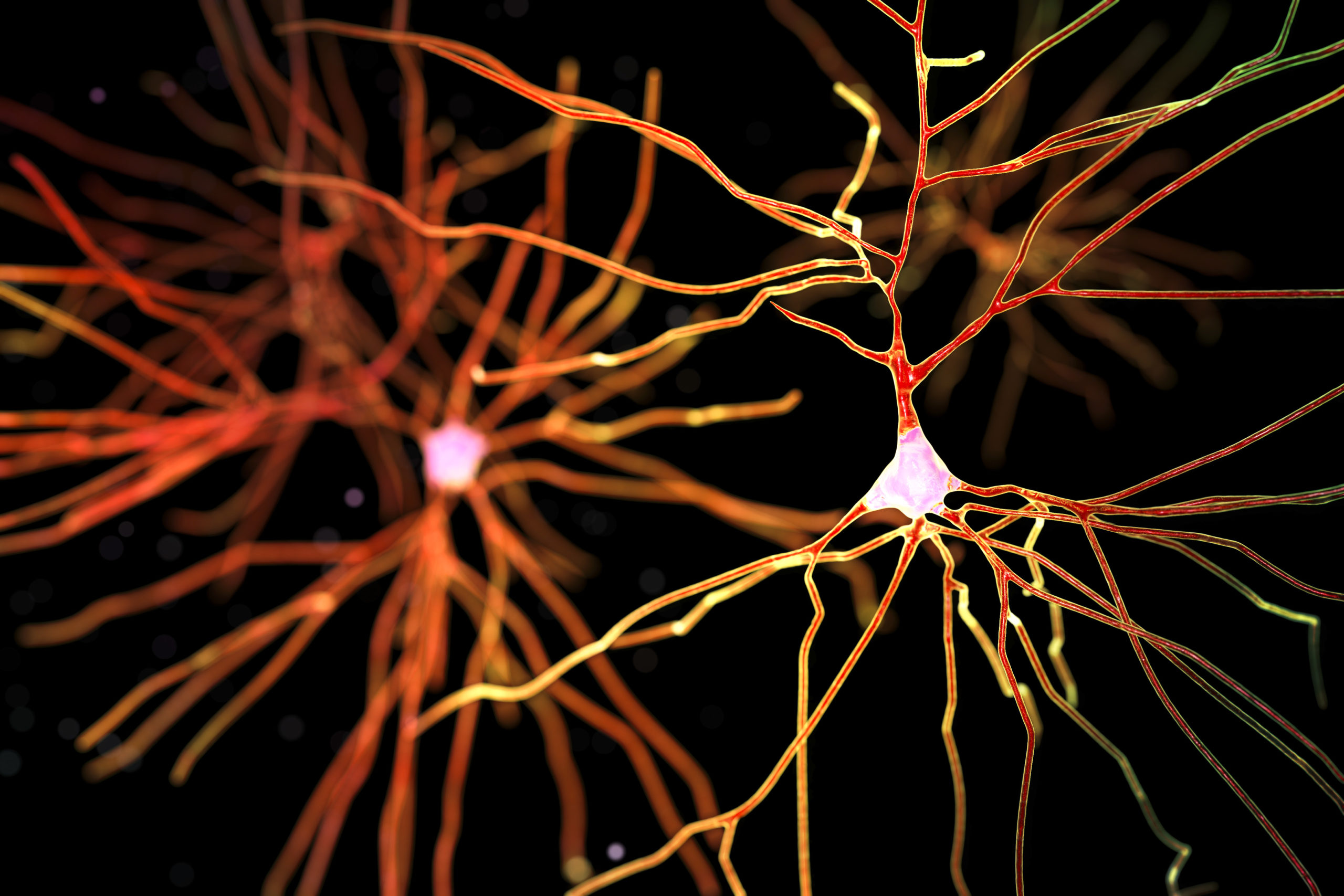
Epilepsy Gene Implicated in Severe Migraine Disorder
Northwestern Medicine scientists have identified mutations in a gene coding for key ion channels in the brain as a new cause of a debilitating form of migraine, according to a study published in Brain.
-

Understanding Cancer’s Hidden Vulnerabilities
Northwestern Medicine scientists have uncovered an unexpected role for a well-known cancer-related protein, revealing a new layer of genetic regulation that could reshape how certain cancers are treated.
-

Long Non-Coding RNA May be a Promising Therapeutic Target for Cancer
Northwestern Medicine scientists have discovered that a specific long non-coding RNA activates oncogenic signaling pathways in prostate cancer cells and drives tumor progression, underscoring its potential as a therapeutic target, according to a recent study published in Nature Communications.
-

Overlooked Cells Linked to Poor Outcomes in Breast Cancer
A little-studied group of cancer cells circulating in the bloodstream may play a bigger role in breast cancer progression than previously thought, according to new research published in Science Translational Medicine that sheds light on how the disease spreads and why some patients fare worse than others.
-

Uncovering a Genetic Driver of Rare Early-Onset Dementia
A global team of scientists has uncovered a new genetic risk factor for a rare and aggressive form of early-onset dementia, according to a study published in Nature Genetics.
-
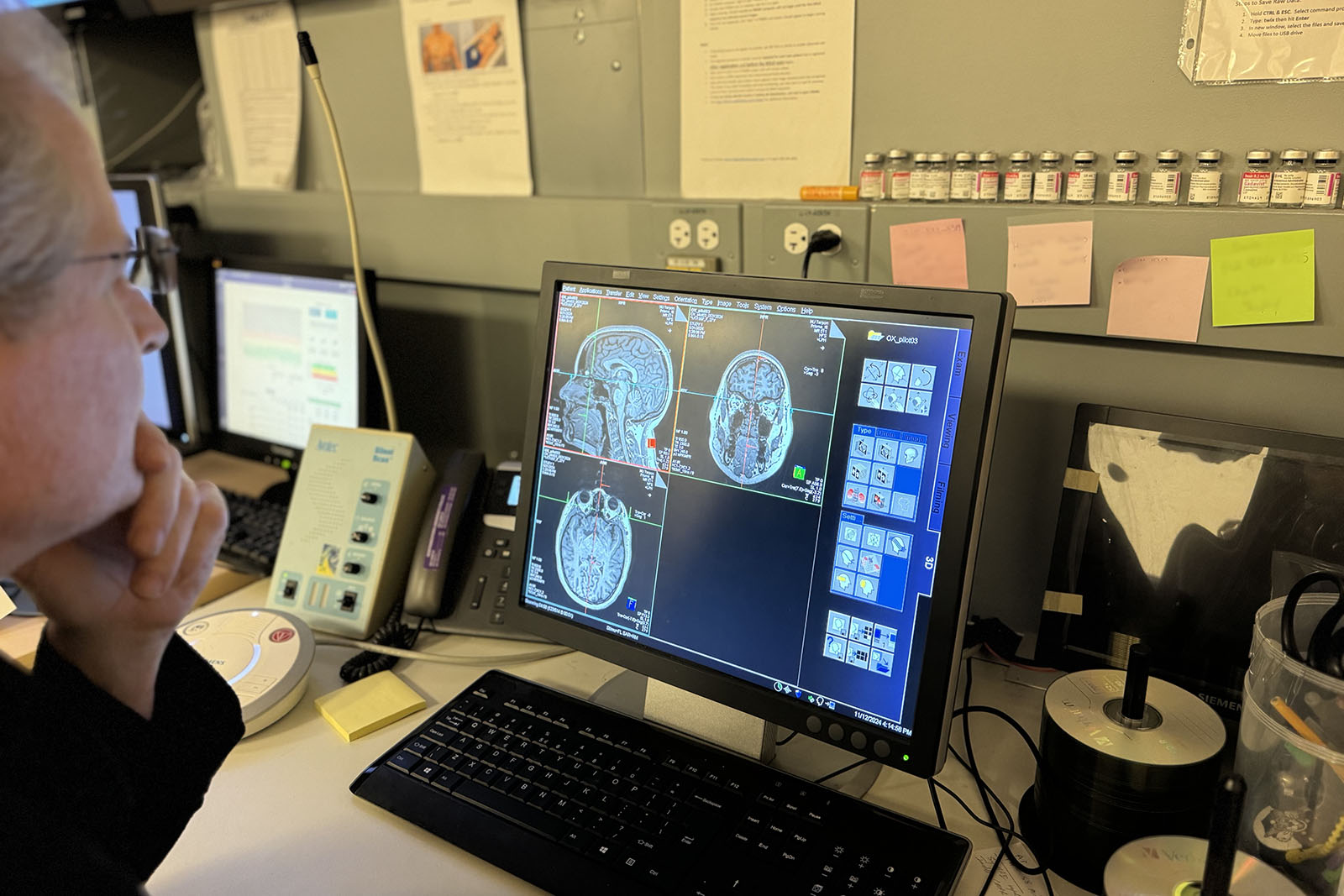
Imagination is More Than Sensory Replay
A new Northwestern University study suggests that higher‑level brain systems that interpret and organize perception may play a central role in imagination in addition to sensory systems.