Category: Clinical Breakthroughs
-

Novel Monoclonal Antibody May Improve Sepsis Treatment
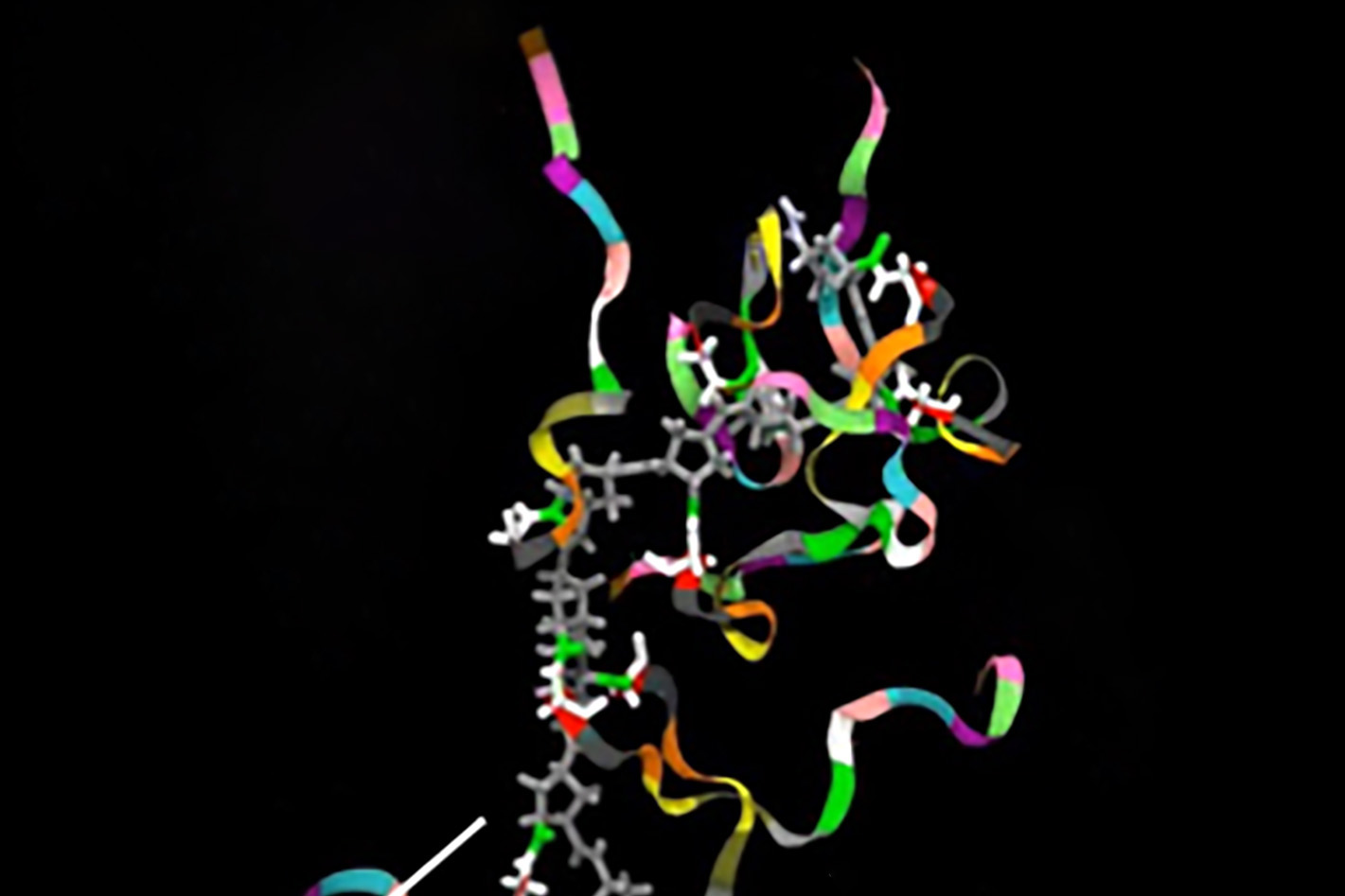
A novel monoclonal antibody treatment developed in collaboration with Northwestern Medicine scientists reduced inflammation and immune dysregulation in mouse models of sepsis, underscoring the antibody’s therapeutic potential in treating the disease, according to a recent study.
-

Wearable Sensors Could Reshape Obesity Treatment
Northwestern scientists have created a new lifestyle medicine program that uses three wearable sensors to capture real-world eating behavior in unprecedented detail.
-

Timely Pain Treatment Linked to Reduced Hospitalizations for Children with Sickle Cell Disease
A new study has found that prompt administration of opioid pain relief in emergency departments reduces the likelihood of hospitalization for children with sickle cell disease, according to findings published in JAMA Pediatrics.
-

Investigating New Treatments for Spinal Muscular Atrophy
A new clinical trial has revealed encouraging results for a muscle-targeting therapy aimed at improving motor function in children and adolescents with spinal muscular atrophy, according to a study published in The Lancet Neurology.
-

Remote Chronic Pain Treatments Improve Chronic Pain Management
Two chronic pain treatments based on cognitive behavioral therapy (CBT) — telehealth coaching and online self-completed pain coping skills training — improved pain severity and quality of life compared to usual care in patients with high-impact chronic pain, according to a recent study published in JAMA.
-

CVD Risk Prediction Tool May Help Guide Statin Therapy
A cardiovascular disease risk prediction tool developed by Northwestern Medicine scientists may also be effective for identifying which patients most benefit from statin therapy, according to a recent study published in JAMA Cardiology.
-

Novel Biomarkers May Help Improve Cardiovascular Disease Risk Prediction
Scientists have discovered more than 100 new epigenetic biomarkers that may help predict cardiovascular disease risk and inform preventive care measures to improve long-term outcomes, according to a recent study published in Circulation.
-

New Strategy Doubles Chemo Effectiveness in Treatment-Resistant Cancer
Northwestern scientists have discovered that the organization of a cell’s genetic material dictates cancer’s ability to adapt, according to a recent study published in the Proceedings of the National Academy of Sciences.
-

New Wireless Sweat Patch May Improve Cystic Fibrosis Treatment
A new wireless and wearable device developed by Northwestern Medicine scientists measures specific biomarkers in a person’s sweat and has the potential to improve clinical decision-making for cystic fibrosis, as detailed in a recent study published in the Proceedings of the National Academy of Sciences.
-

New Drug Shows Promise in Treating a Common Cause of Hypertension
A novel drug may significantly improve outcomes for a subset of patients with high blood pressure, according to findings published in The New England Journal of Medicine.