Category: Clinical Breakthroughs
-
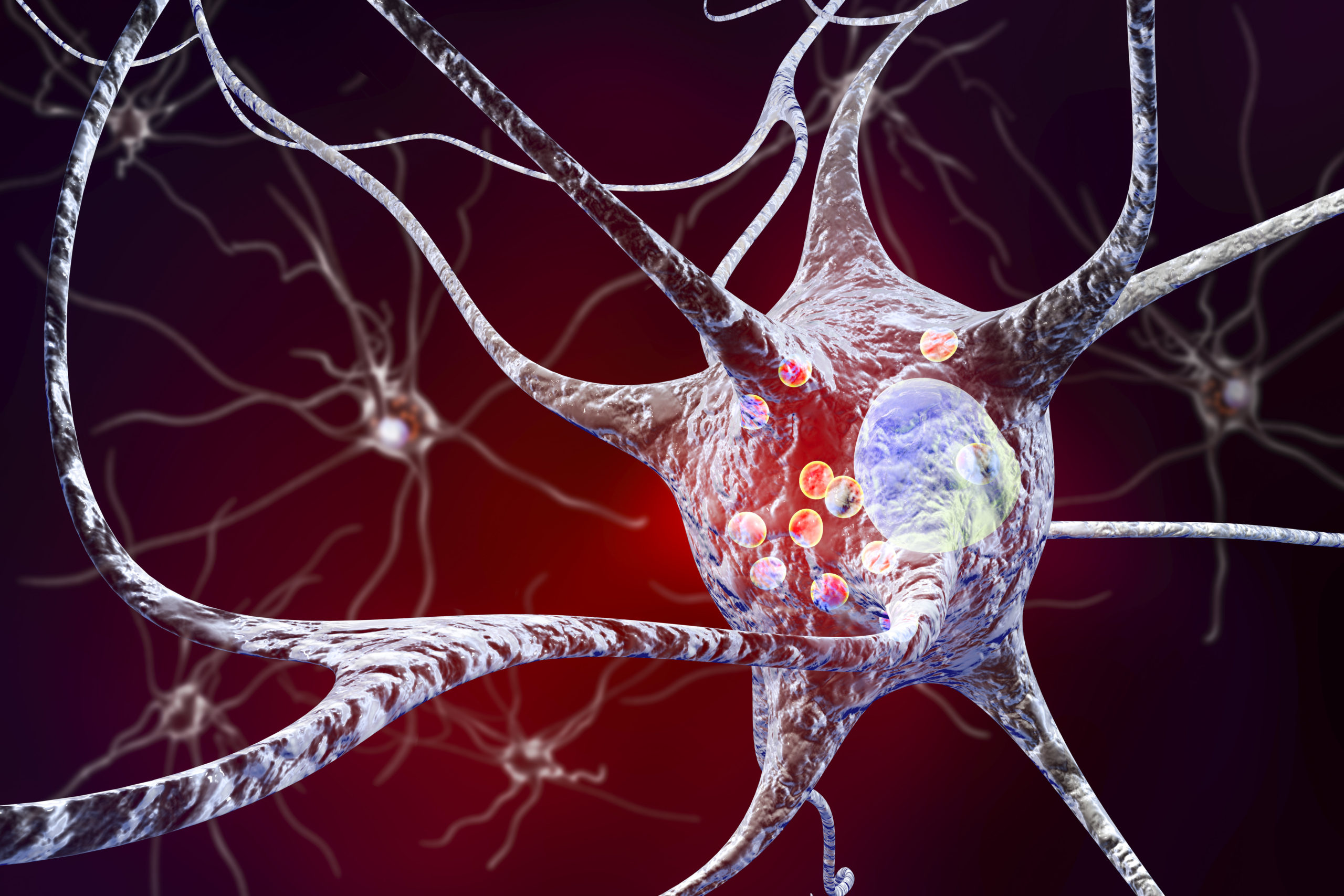
Experimental Drug Lowers Parkinson’s-Linked Protein in Early Trial
An experimental drug designed to silence a gene strongly linked to Parkinson’s disease has shown encouraging effects in a first-in-human clinical trial, according to a study published in Nature Medicine.
-
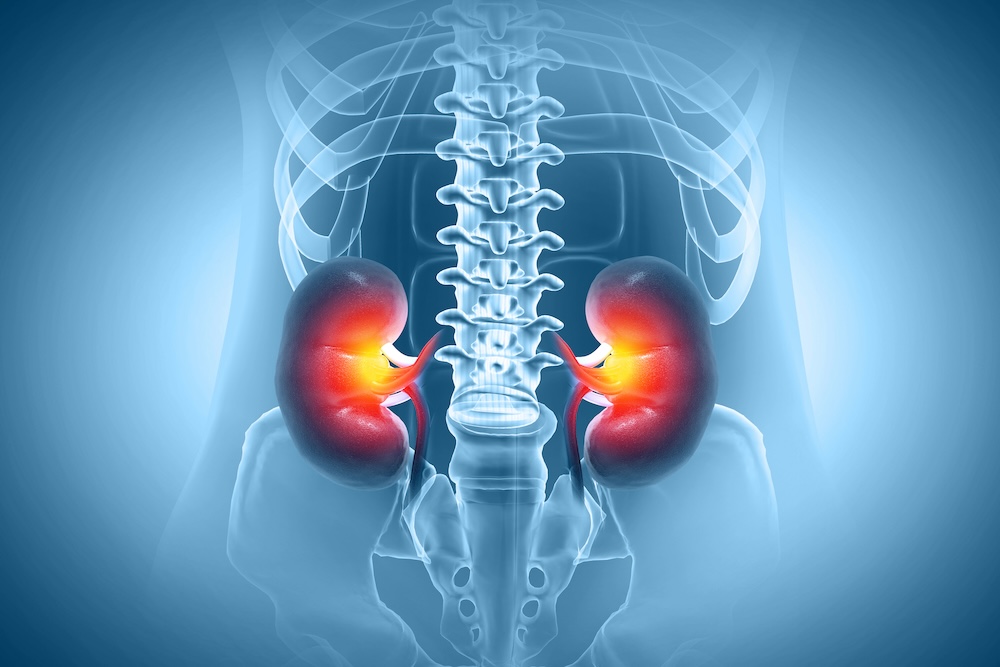
Policy Intervention Linked to Increase in Kidney Transplants in Black Patients
A national policy intervention implemented to address transplant inequities caused by race-based kidney function equations was associated with an increase in organ transplant rates among Black patients, according to a recent study published in JAMA Internal Medicine.
-
Bariatric Surgery in Adolescents ‘Reprograms’ Kidney Biology to Promote Recovery
Scientists have discovered novel molecular mechanisms that contribute to recovery from diabetic kidney following bariatric surgery in adolescents with type 2 diabetes and obesity, mechanisms that may serve as potential targets for non-surgical treatments for diabetic kidney disease, according to a multi-institutional study published in The Journal of Clinical Investigation.
-
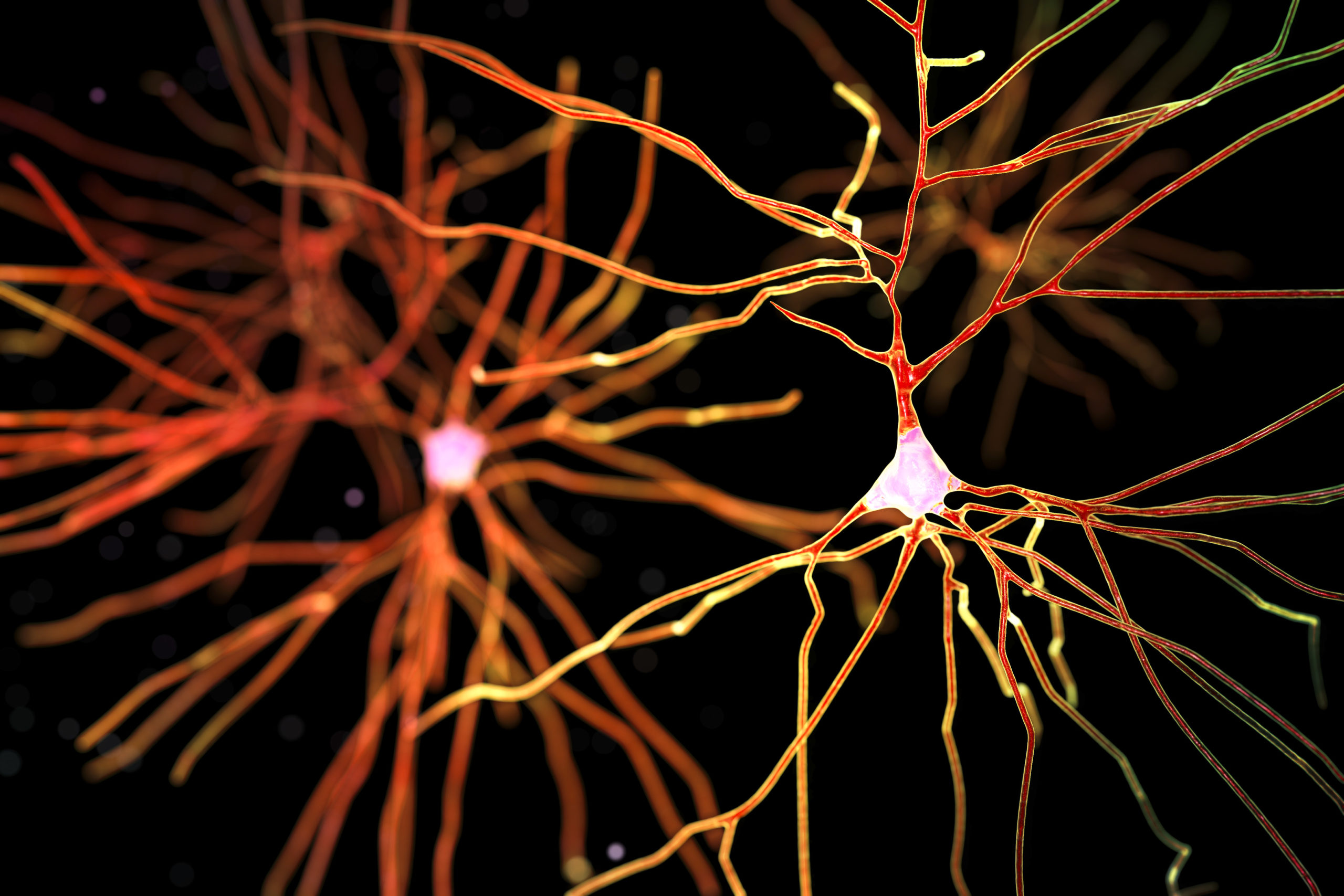
FDA-Approved Compound Promotes Neuroprotective Effects in Parkinson’s Disease
Northwestern Medicine scientists have discovered an FDA-approved compound promotes neuroprotective effects in experimental models of Parkinson’s disease, according to a recent study published in The Journal of Clinical Investigation.
-

Automated Screening and Education Increases Urinary Incontinence Diagnoses
Implementing an automated urinary incontinence screening and educational program in primary care practices significantly increased awareness and treatment referrals in women with the condition, according to a recent study published in JAMA Internal Medicine.
-

CAR T-cell Therapy Improves Survival in Relapsed or Refractory Lymphoma
CAR T-cell immunotherapy improved progression-free and overall survival in patients with relapsed or refractory marginal zone lymphoma, according to a recent clinical trial published in The Lancet.
-

AI Model Predicts Language Development in Children with Hearing Loss
An advanced machine learning model predicted spoken language outcomes in children who received cochlear implants more accurately than traditional machine learning approaches, according to a recent Northwestern Medicine-led international multi-center study.
-
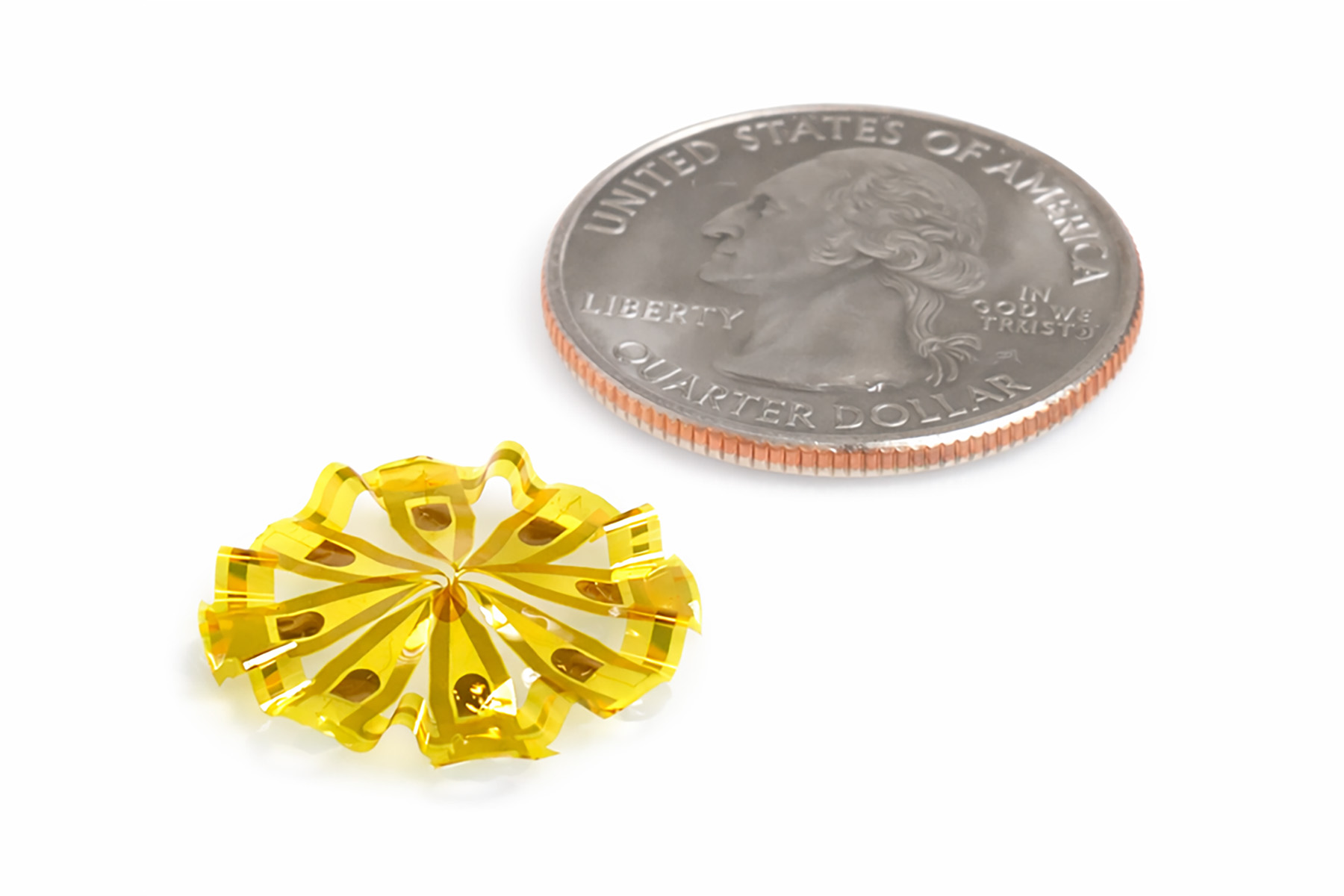
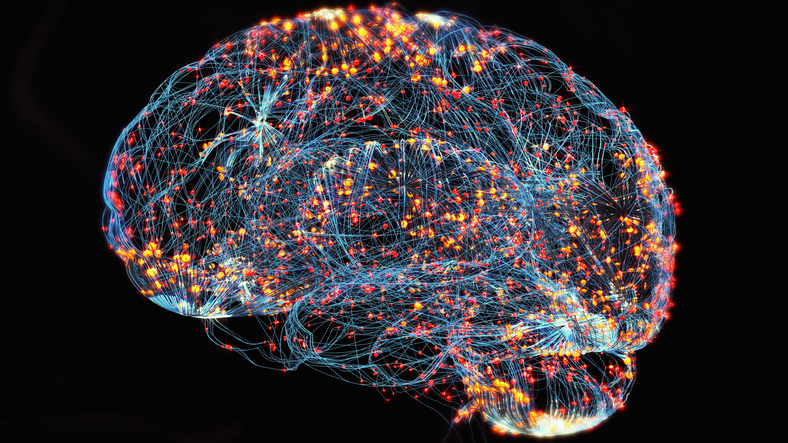
Living ‘Mini Brains’ Meet Next-Generation Bioelectronics
A team led by Northwestern University and Shirley Ryan AbilityLab scientists have developed a new technology that can eavesdrop on the hidden electrical dialogues unfolding inside miniature, lab-grown human brain-like tissues.
-

Experimental Stroke Drug Slows Bleeding but Doesn’t Improve Recovery
A global clinical trial has found that recombinant factor VIIa, a drug designed to rapidly slow bleeding in the brain after a hemorrhagic stroke, does not improve long‑term recovery for patients, according to a study published in The Lancet
-

Advancing Preventive Care and Cardiovascular Risk Prediction Through Online Tools
Recently named to the Time100 Health 2026 list, Sadiya Khan, MD, is establishing herself as a leader in preventive cardiology and calling for younger people to think about their heart health earlier in life.