Category: Clinical Breakthroughs
-
Noninvasive Treatment Boosts Immune Response Against Glioblastoma
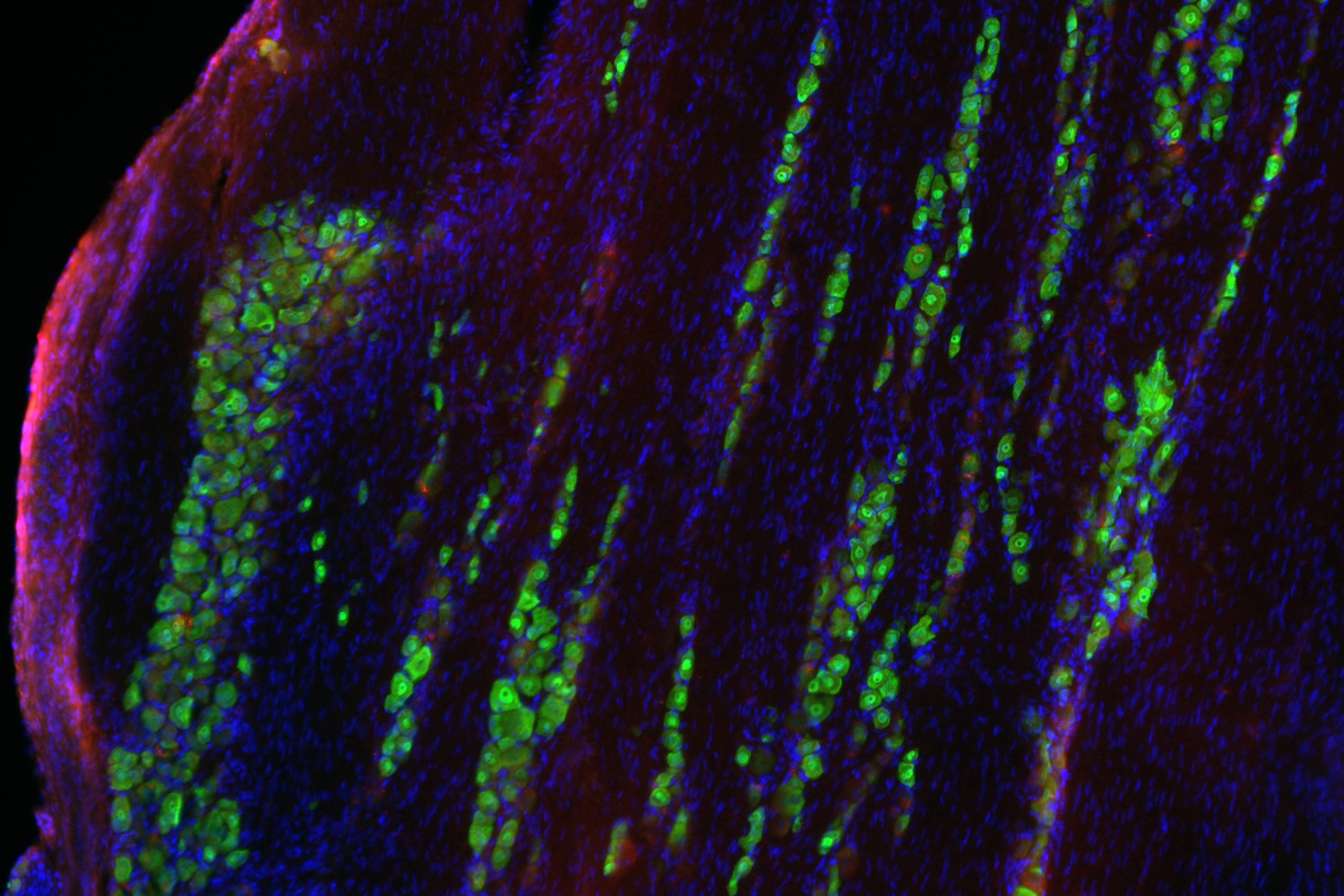
Northwestern Medicine scientists, along with collaborators from the Washington University School of Medicine, have developed a noninvasive nanomedicine approach that may improve the treatment of glioblastoma, according to a recent study published in the Proceedings of the National Academy of Sciences.
-
Novel Biomarker May Predict Immunotherapy Resistance
Northwestern Medicine scientists have identified a novel biomarker for immune immunotherapy resistance in cancer that may also serve as a potential therapeutic target for patients who don’t respond well to immunotherapy, according to a recent study published in The Journal of Clinical Investigation.
-

New ‘Heart Percentile’ Calculator Helps Young Adults Grasp Their Long-Term Risk
A new Northwestern Medicine study introduces a first-of-its-kind online calculator that uses percentiles to help younger adults forecast and understand their risk of a heart event over the next 30 years.
-

Hormone Therapy Does Not Increase Cardiovascular Disease Risk in Younger Postmenopausal Women
While menopausal hormone therapy increased cardiovascular disease risk in postmenopausal women older than 70 years with vasomotor symptoms, hormone therapy did not significantly affect cardiovascular disease risk in younger postmenopausal women, according to a recent study published in JAMA Internal Medicine.
-

Comparing COVID-19 Vaccines
A recent study has provided the first side-by-side comparison of how three major COVID-19 vaccine types differ in triggering immune responses and sustaining protection.
-
New Study Shows Lung Cancer Surveillance in the United States Misses Most Patients; Northwestern Medicine Investigators Urge Universal Age-based Screening
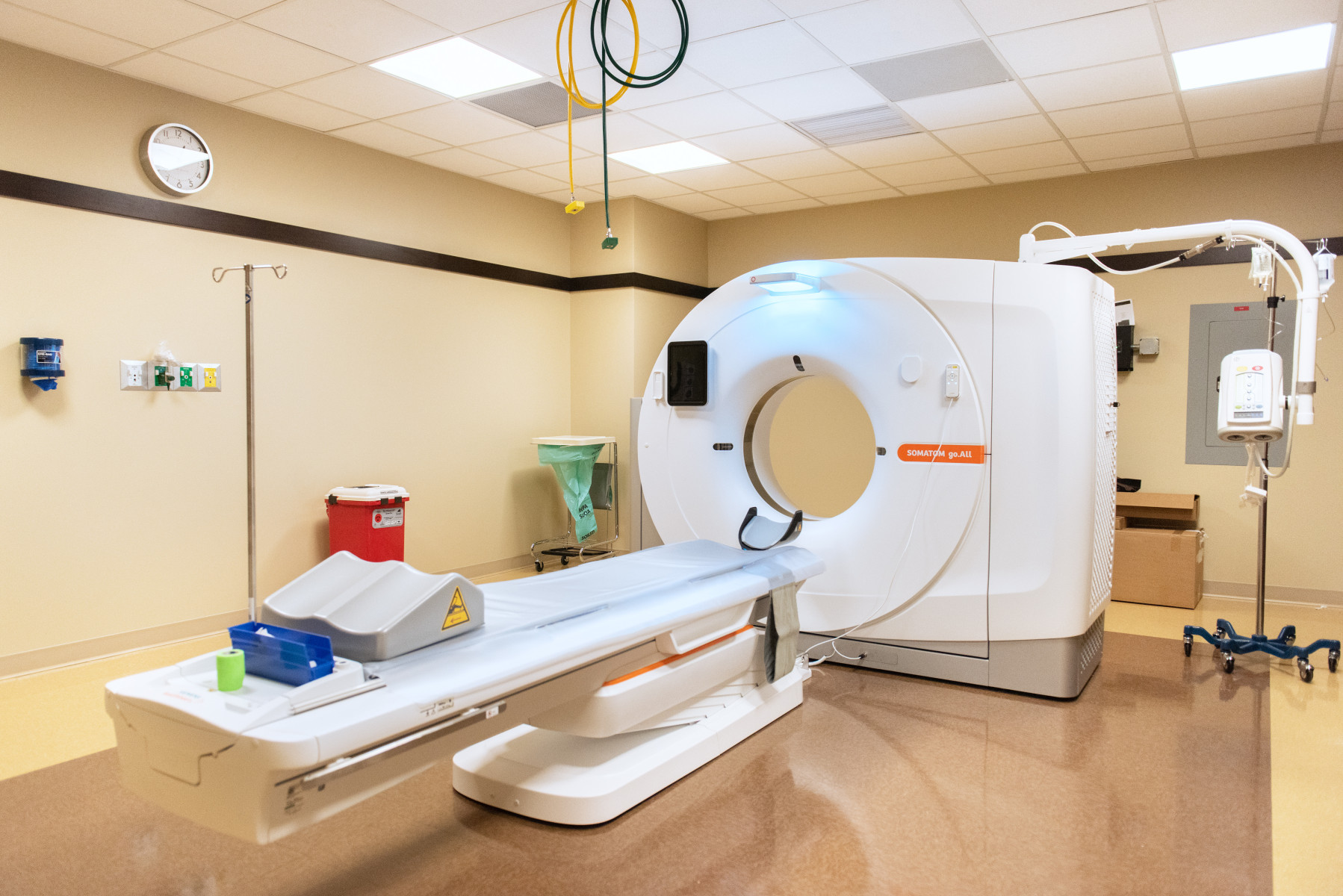
In a new study of nearly 1,000 consecutive patients treated for lung cancer at Northwestern Medicine, investigators discovered only 35 percent would have qualified for screening according to the U.S. Preventive Services Task Force (USPSTF) screening criteria.
-

New Study Could Help Your Doctor Make Smarter Treatment Decisions
By presenting just the “sweet spot” of treatment alternatives in an electronic health record system, physicians were more likely to choose a high-quality alternative, according to a recent study.
-

Aortic Valve Replacements and Surgery Show Similar Long-Term Survival Rates
Patients with severe aortic stenosis who had a transcatheter aortic valve replacement procedure demonstrated similar seven-year survival outcomes compared to patients who had traditional surgery, according to a recent study published in The New England Journal of Medicine.
-

Novel Imaging Approach May Improve Treatment for Spinal Cord Injuries
Northwestern Medicine investigators have developed a new imaging approach to more accurately assess blood flow in the spinal cord, a method that could be used to better inform treatment for neurological diseases and injuries, as described in a recent study published in Scientific Reports.
-

Preventing Lung Disease in Preterm Babies
A multicenter clinical trial found that intratracheal steroids do not reduce the risk of lung disease or death in extremely preterm infants, according to the study published in JAMA.