Category: Clinical Breakthroughs
-

Expanding the Evidence for Behavioral Interventions in Gastroenterology
The Division of Gastroenterology and Hepatology at Feinberg has a distinct strength in understanding how behavior and lifestyle influence gastrointestinal (GI) health. The Division conducts research aimed at improving treatments for disorders of the digestive tract and related organs.
-

Novel Synthetic Biomolecule Degrades Disease-Related Proteins
Northwestern Medicine scientists have developed a novel synthetic biomolecular condensate that can target and degrade intracellular disease-causing proteins, providing a framework for new therapeutic approaches for a wide range of diseases, as detailed in a recent study.
-

Study Uncovers Potential Gene Therapy for Late-Stage Parkinson’s Side-Effects
Northwestern Medicine scientists have discovered that suppressing excitatory synaptic transmission in a small group of neurons in the brain may reverse levodopa-induced dyskinesia in patients with late-stage Parkinson’s disease without reducing the symptomatic benefits of levodopa treatment, according to a recent study published in Neuron.
-

Asthma Drug Improves Treatment of Aggressive Cancers in Preclinical Studies
A drug widely used to treat asthma and allergies may also help fight aggressive cancers, reports a new Northwestern Medicine study that uncovered how tumors hijack common white blood cells to evade immunotherapy.
-

Wearable Polygraph Detects Hidden Stress
Northwestern University engineers have developed a small, wireless polygraph system you can wear, designed to sense underlying stress hidden deep within the body.
-

Building Capacity for Research in Ukraine
Two Feinberg investigators, Sara Huston, MS, and Steven P. Cohen, MD, have been collaborating with scientists in Ukraine to better understand how war is impacting Ukrainians through inquiries into DNA use for family reunification and better treating amputees’ pain.
-
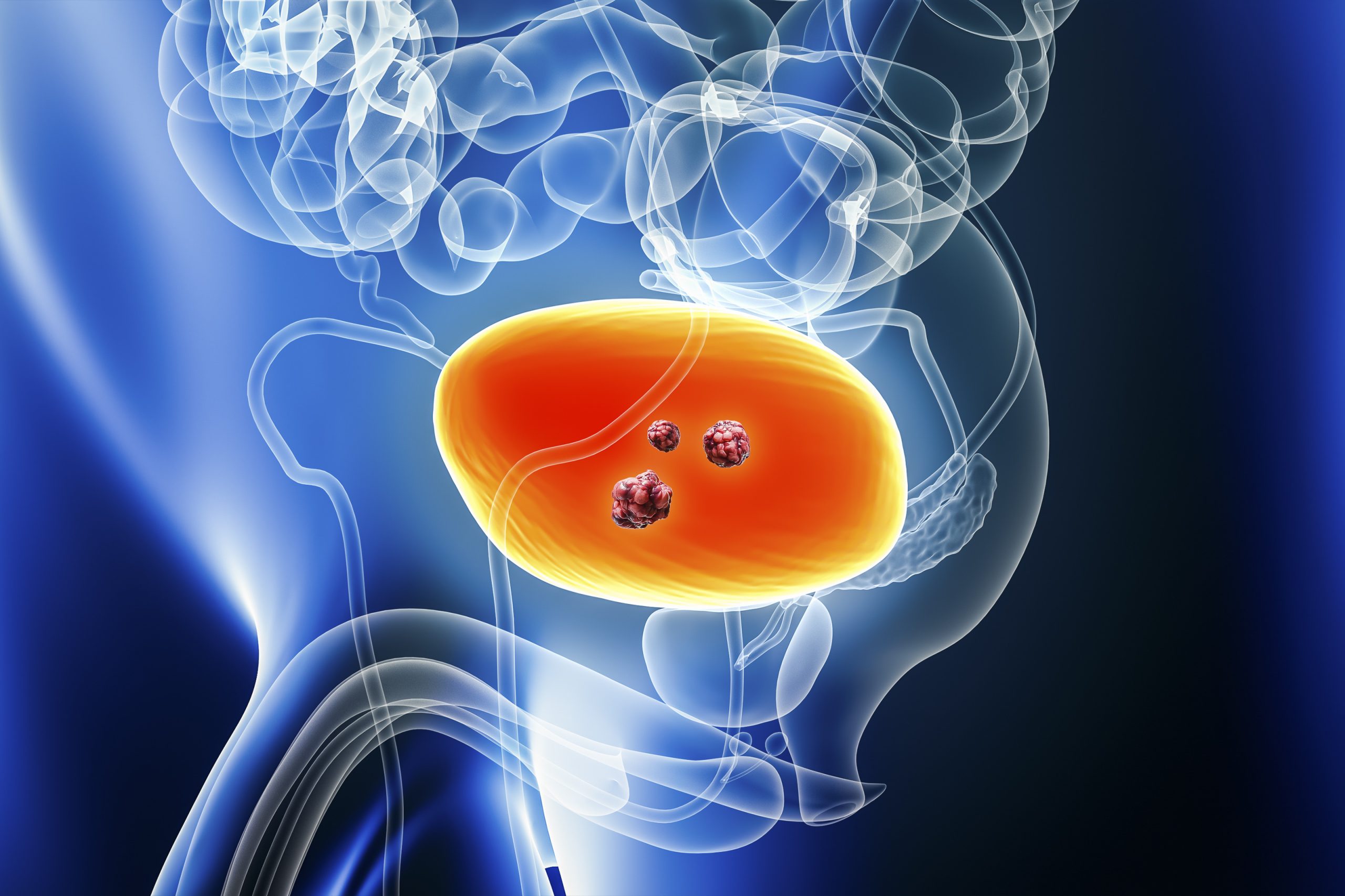
Understanding Treatment Response in High-Risk Bladder Cancer
A new study may pave the way toward more personalized treatments for patients with high-risk bladder cancer, according to a study published in European Urology.
-

Time-Restricted Eating Supports Weight Loss in Women with PCOS
A time-restricted eating program promoted greater weight loss in women with polycystic ovary syndrome (PCOS) than no intervention, according to a randomized controlled trial published in Nature Medicine.
-

Nonsurgical Heart Valve Replacement Improves Patient Outcomes
Patients with severe heart valve disease who underwent nonsurgical transcatheter tricuspid valve replacement showed significant improvements in overall cardiovascular health status and quality of life within 30 days post procedure, according to a recent study published in JAMA.
-

New U.S. Estimates of Sepsis in Kids Point to Urgent Need to Reduce High Mortality Rates
New estimates of rates of sepsis during pediatric hospitalizations have been obtained by a multicenter team of investigators, using clinical data from electronic health records.