Category: Clinical Breakthroughs
-

Study Reveals Striking Excess Deaths for Black Americans Over Last 20 Years
From 1999 through 2020, Black Americans experienced more than 1.6 million excess deaths and more than 80 million excess years of life lost compared to white Americans, according to a recent study published in JAMA.
-
Investigators Identify Mechanisms Behind Chemotherapy Resistance
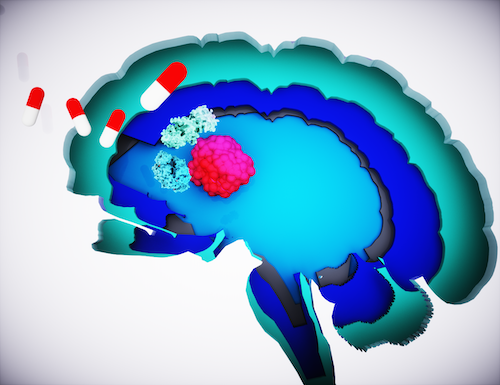
A team led by Northwestern Medicine investigators have discovered novel cellular mechanisms that lead to chemotherapy resistance in recurrent glioblastoma, according to findings published in Science Advances.
-

Increasing Early Cardiovascular Screenings for Dilated Cardiomyopathy
An informational communications tool provided to patients with dilated cardiomyopathy helped increase cardiovascular screenings in their first-degree relatives who have a higher risk of developing the genetic disease, according to findings published in Circulation.
-

Bioengineered Protein May Prevent COVID Infections and Improve Survival
A novel protein developed by Northwestern Medicine investigators improved survival and prevented brain infection in mice infected with SARS-CoV-2 when administered intranasally, according to a recent study.
-
Combination Treatment Improves Survival in Endometrial Cancer
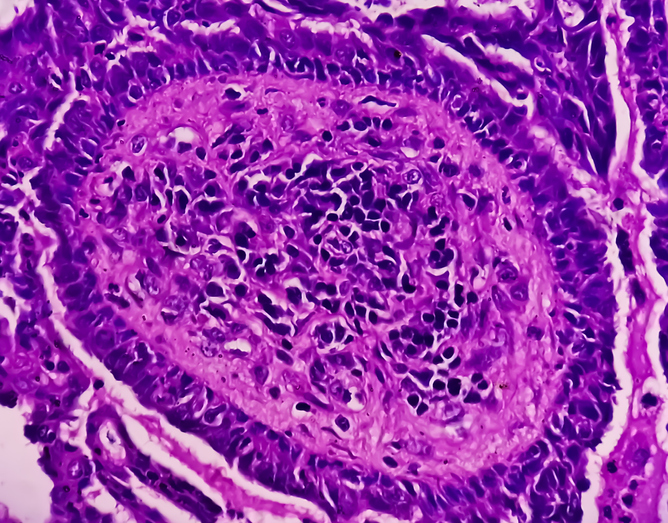
Patients with endometrial cancer who received the immunotherapy drug pembrolizumab in addition to chemotherapy had longer progression-free survival compared to chemotherapy alone, according to a recent clinical trial published in the New England Journal of Medicine.
-

Powerful Chemotherapy Drug Reaches Brain Tumors in Humans Using Novel Ultrasound Technology
A Northwestern Medicine study used a novel ultrasound device to temporarily open the blood-brain barrier to deliver chemotherapy to treat glioblastoma.
-
Discovery Could Improve Survival of Bladder Cancer Patients
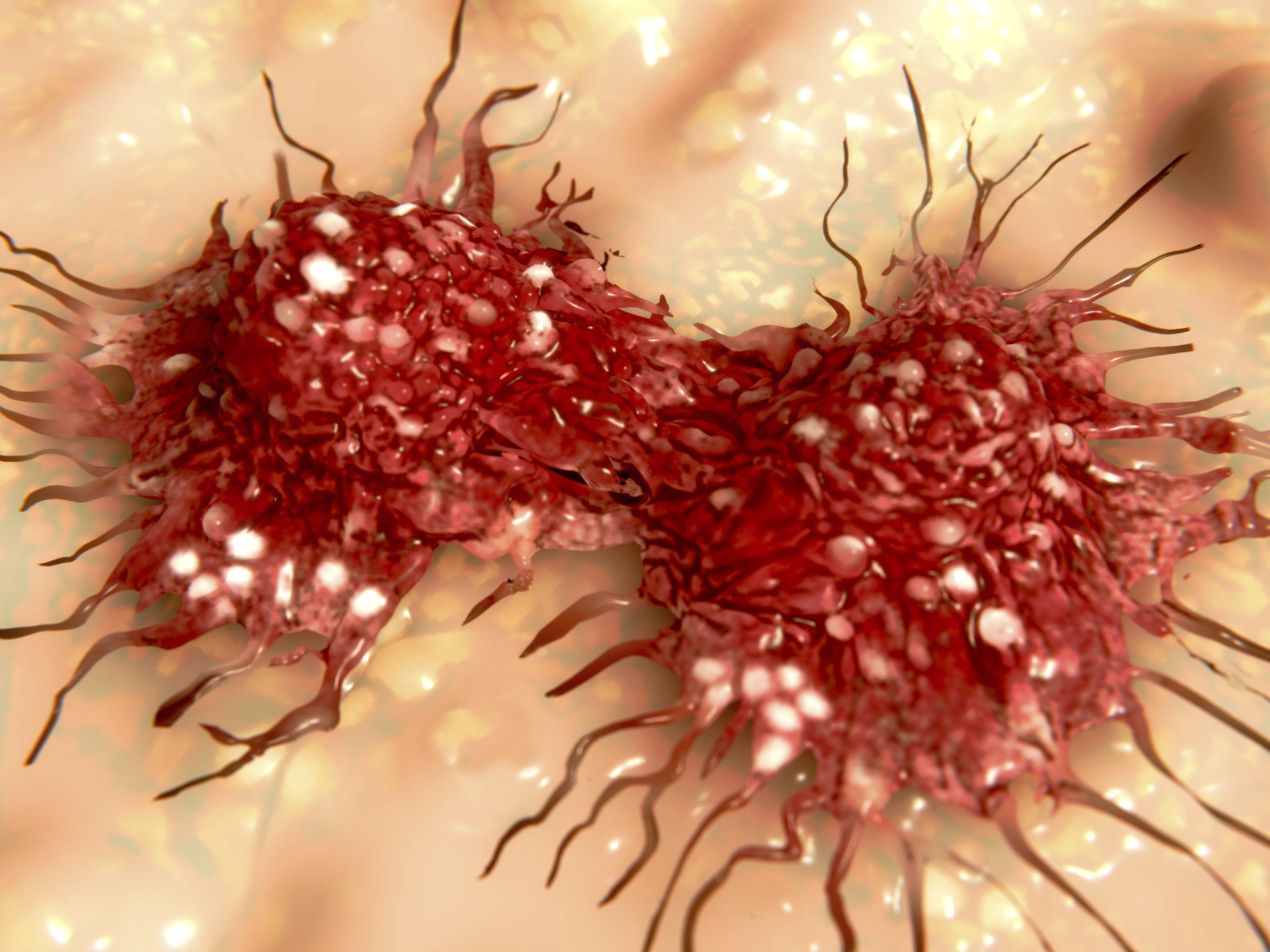
Northwestern Medicine scientists have developed a biomarker signature test to predict which tumors will respond to immunotherapy.
-
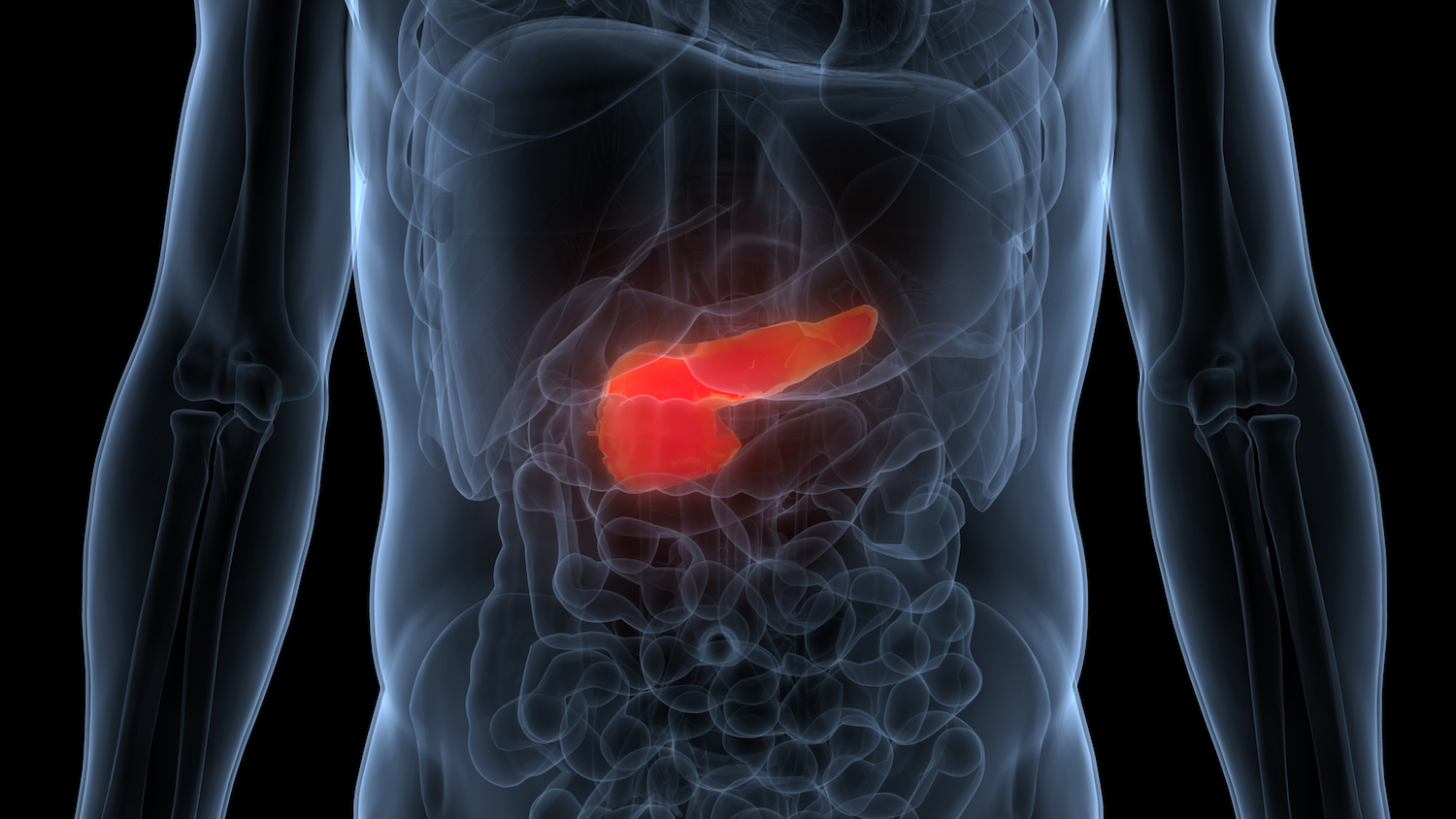
Combination Treatment Extends Progression-Free Survival in Pancreatic Cancers
A combination treatment approach using two chemotherapy drugs improved treatment response and progression-free survival in patients with advanced pancreatic neuroendocrine tumors, according to a recent clinical trial published in the Journal of Clinical Oncology.
-

Combination Treatment Extends Progression-Free Survival in Brain Cancer
Repeat radiation therapy combined with monoclonal antibody treatment extended progression-free survival in patients with recurrent glioblastoma, according to a recent clinical trial published in the Journal of Clinical Oncology.
-

Use Age, not Weight, to Screen for Diabetes
Focus on age, not weight, to capture the greatest number of people in all racial and ethnic groups with prediabetes and diabetes, reports a new Northwestern Medicine study published in the American Journal of Preventive Medicine.