Author: kwm107
-

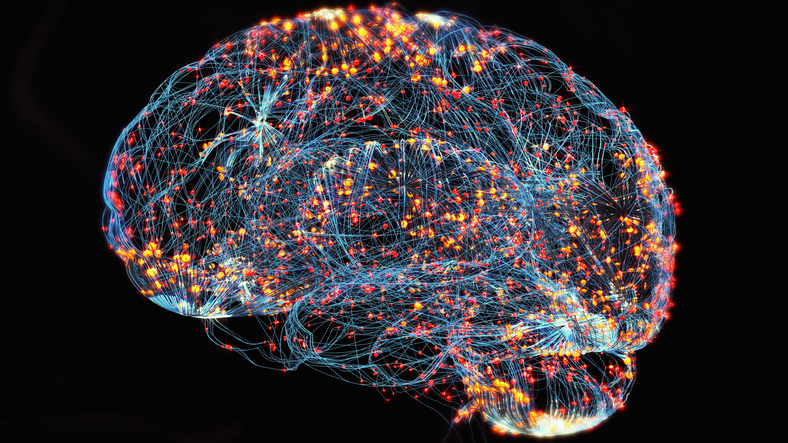
Stimulation Excites the Brain to Form Better Memories
For the first time, scientists were able to specifically change the way the brain’s memory centers form new memories, according to a new Northwestern Medicine study.
-
Northwestern Hospitals Among the Best in Latest U.S. News Rankings
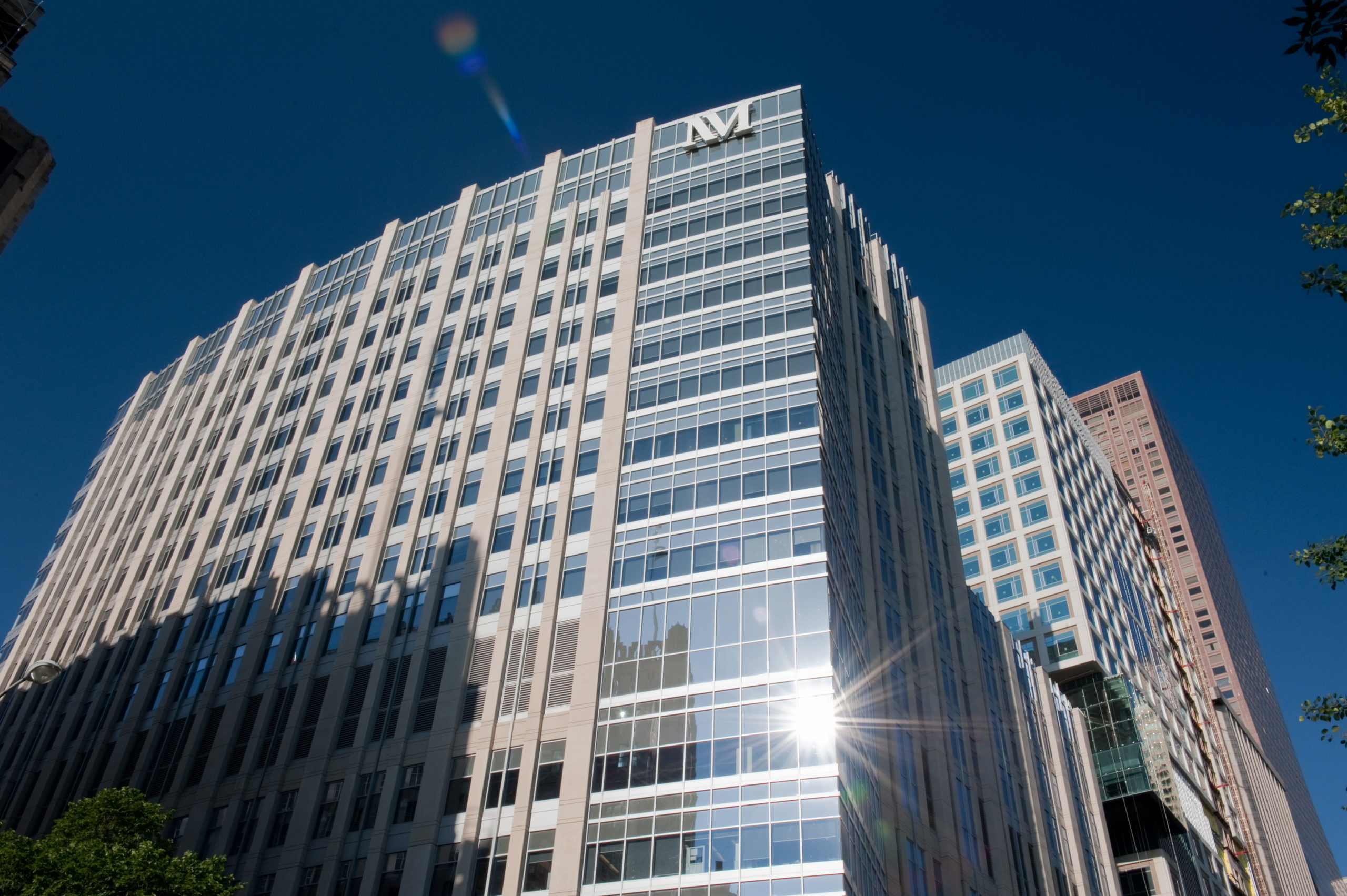
U.S. News & World Report recognized four Northwestern Medicine hospitals in its 2018-19 rankings of America’s Best Hospitals. The Shirley Ryan AbilityLab once again earned the top spot among rehabilitation hospitals in the country, and Lurie Children’s ranked first among children’s hospitals in Illinois.
-
Lurie Cancer Center Earns Exceptional Rating from National Cancer Institute
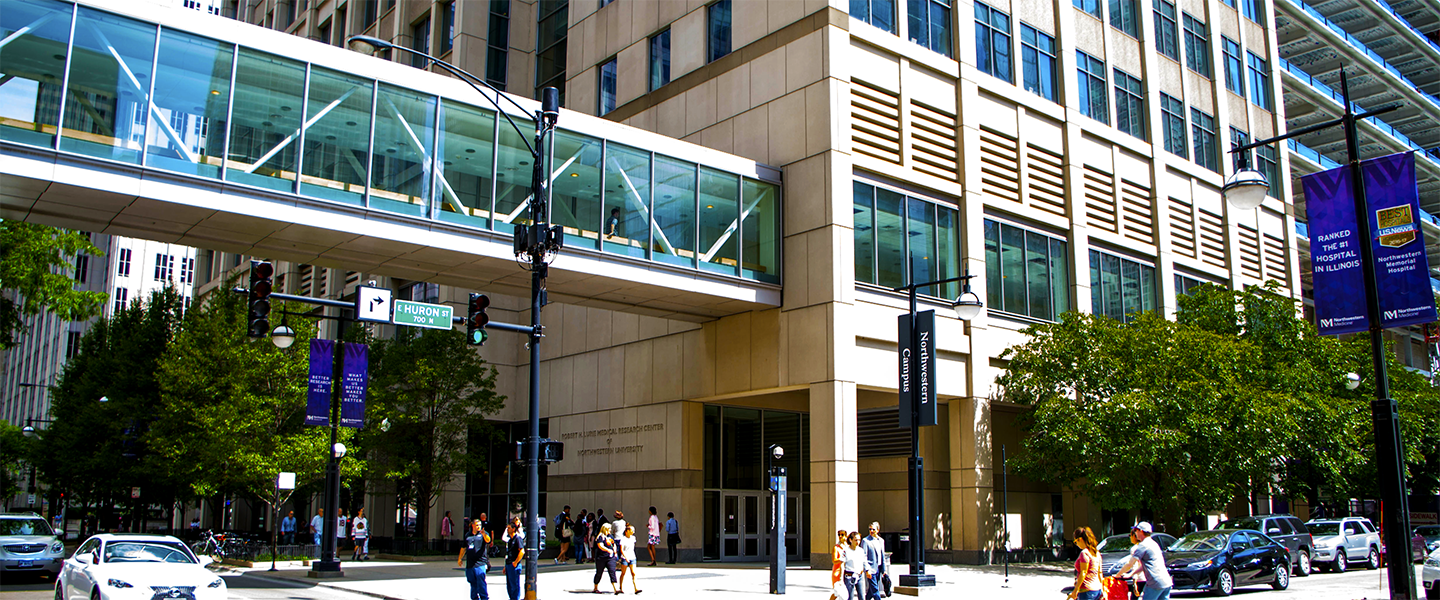
The Robert H. Lurie Comprehensive Cancer Center of Northwestern University has been renewed for a fourth five-year grant, totaling $31.5 million and representing a 36 percent increase over its previous funding.
-
Why Internal Scars Won’t Stop Growing
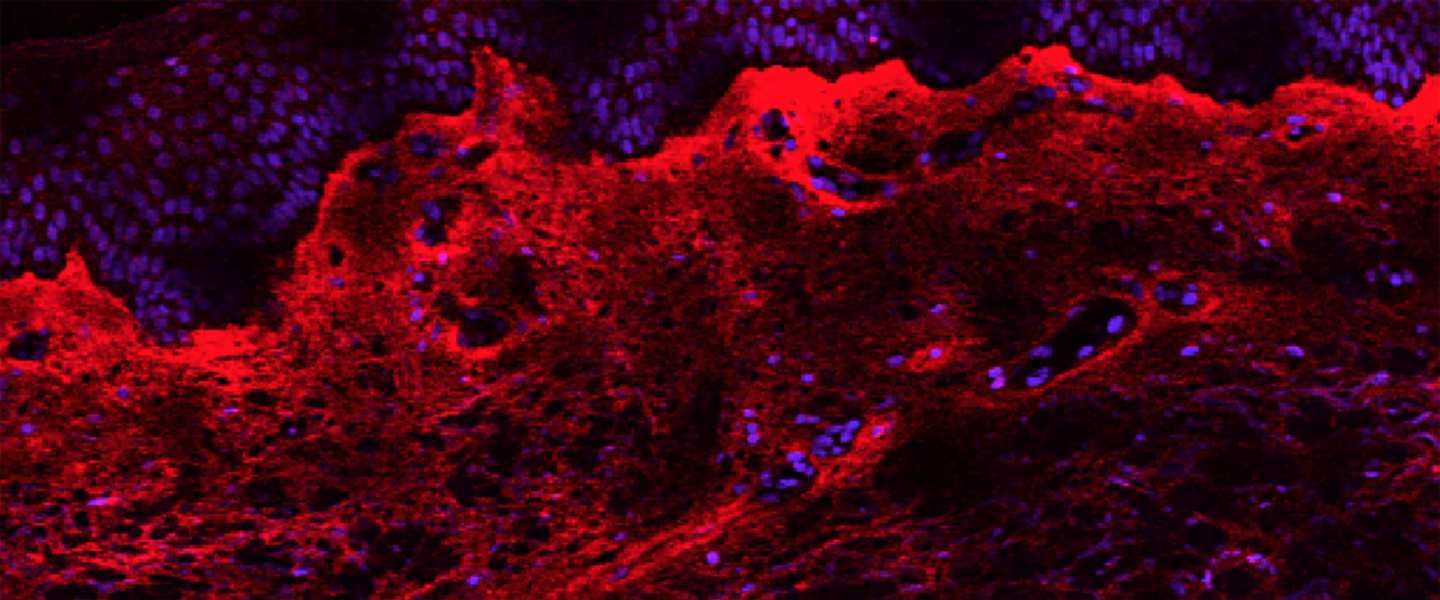
A new Northwestern Medicine study has identified a trigger of some fibrotic diseases and an experimental compound to treat it.
-

Northwestern Medicine Receives Grant to Lead Research into Atrial Fibrillation and Stroke
The American Heart Association recently selected Northwestern Medicine as one of six centers to be part of a new, grant-funded national network dedicated to researching and understanding the causes of atrial fibrillation, the most common type of irregular heartbeat.
-
Finding Links Between Inflammation and Infection
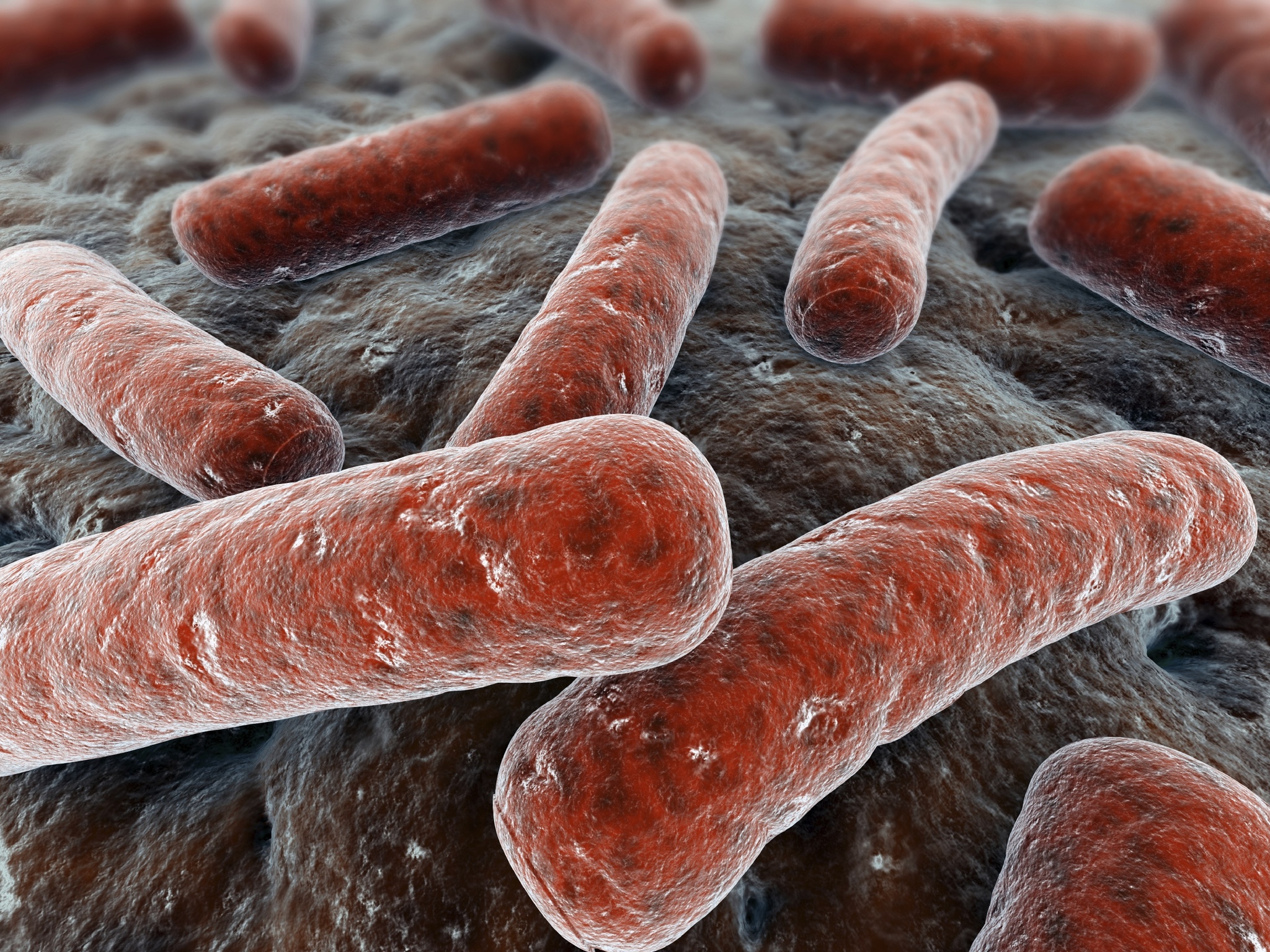
Samantha Genardi, a fourth-year student in the Driskill Graduate Program (DGP), studies cell response to bacterial infection in the laboratory of Chyung-Ru Wang, PhD, professor of Microbiology-Immunology.
-
Take Part in the First Feinberg Scientific Images Contest
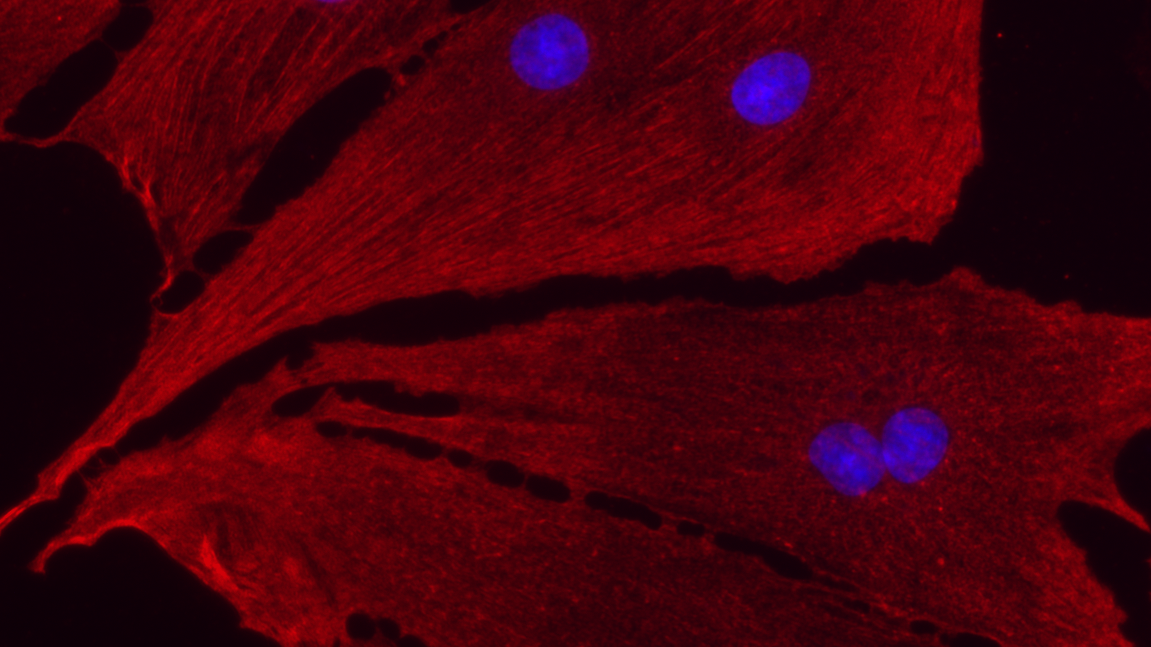
Submit your most visually interesting scientific images for the first Feinberg Scientific Images Contest: All entries will be entered into a lottery for an Apple iPad, and each image will be considered for inclusion in a gallery inside the new Louis A. Simpson and Kimberly K. Querrey Biomedical Research Center.
-
Northwestern University and Deerfield Management Launch Lakeside Discovery to Provide Tomorrow’s Solutions in Healthcare
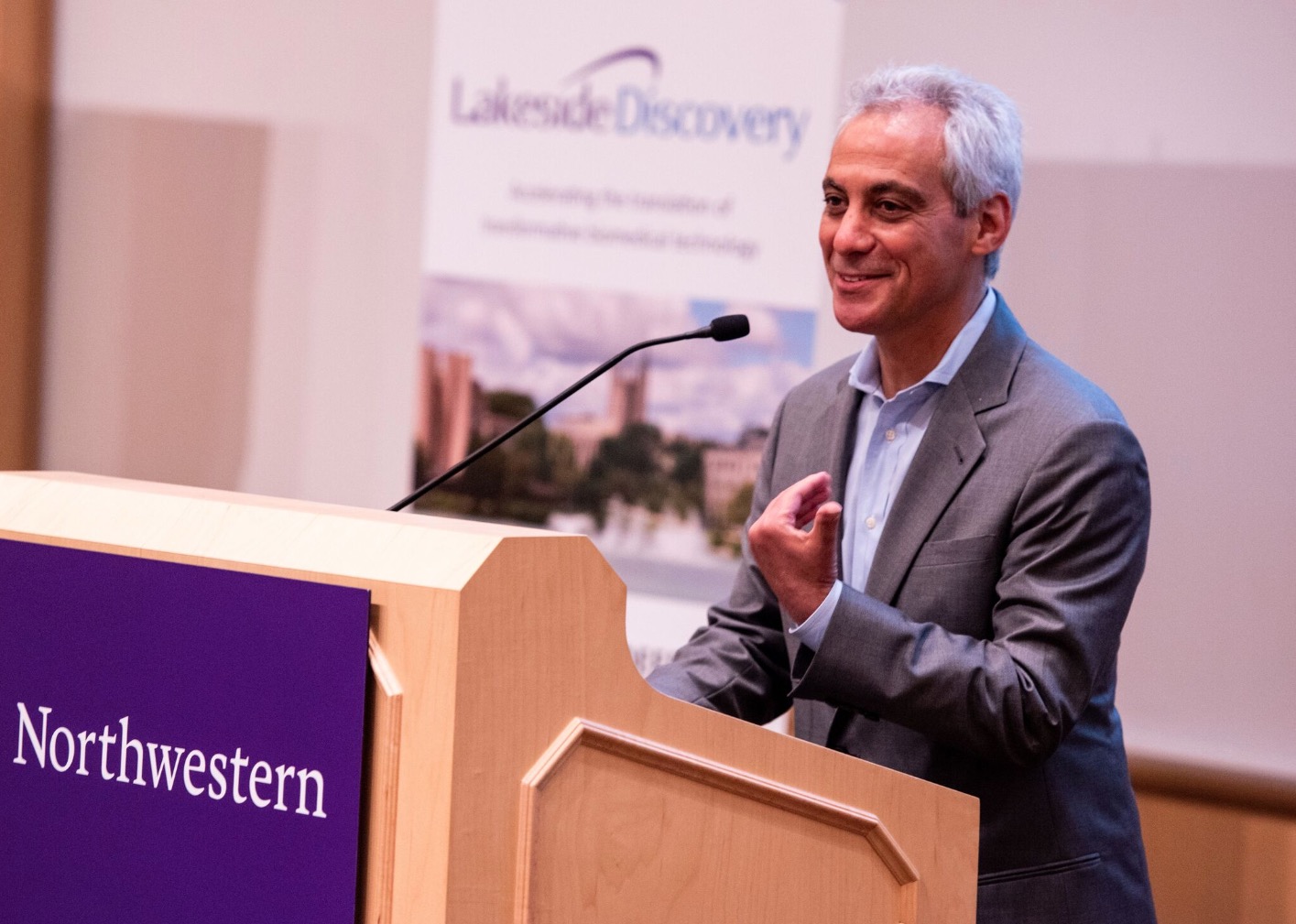
Northwestern University and Deerfield Management launched Lakeside Discovery, LLC, formally announced the partnership which will provide up to $65 million of targeted funding and deep development expertise to advance promising Northwestern research.
-
Professional Programs Celebrate White Coat Ceremonies
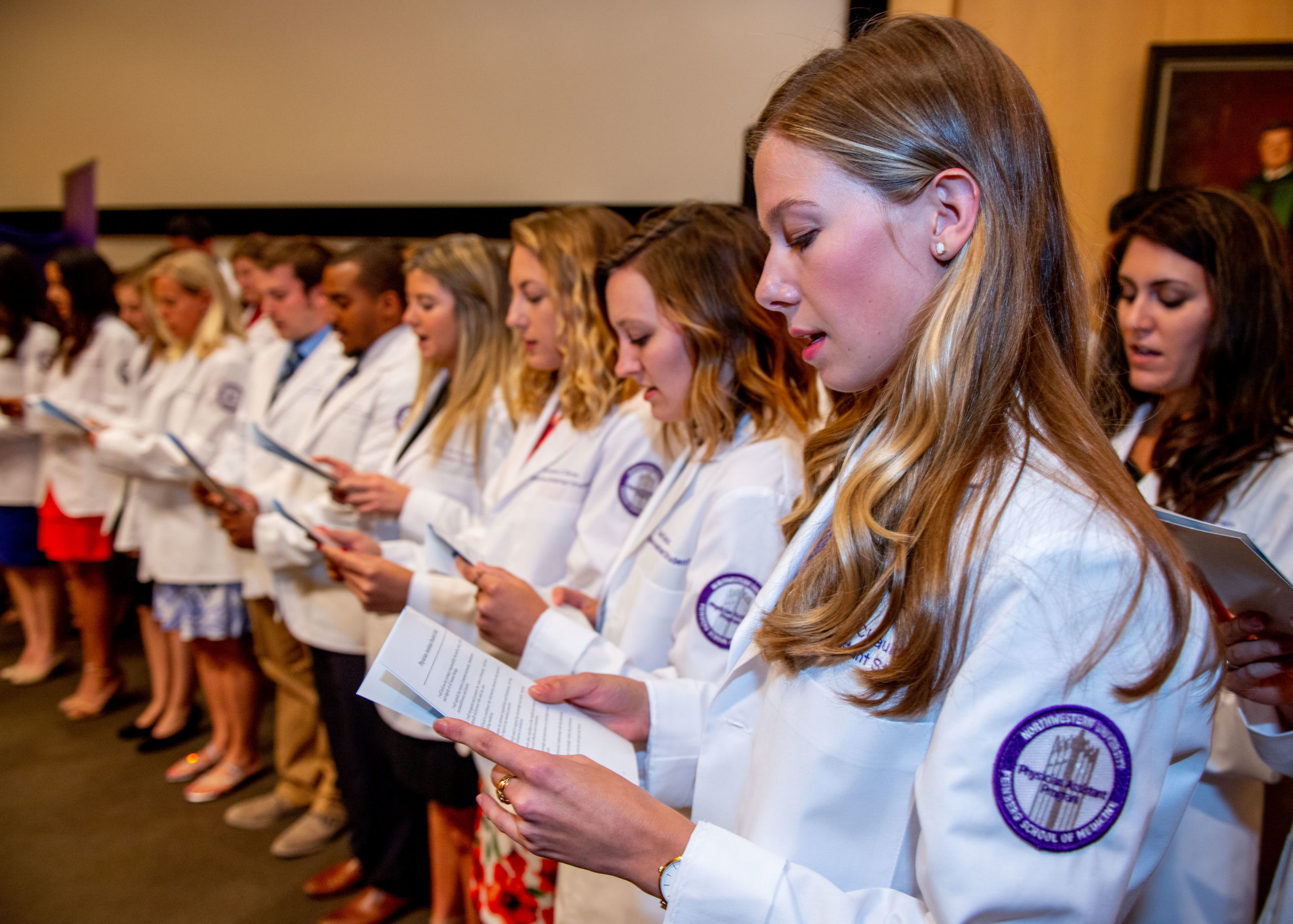
Each June, Feinberg puts on white-coat ceremonies for students in its Doctor of Physical Therapy and Physician Assistant programs.
-
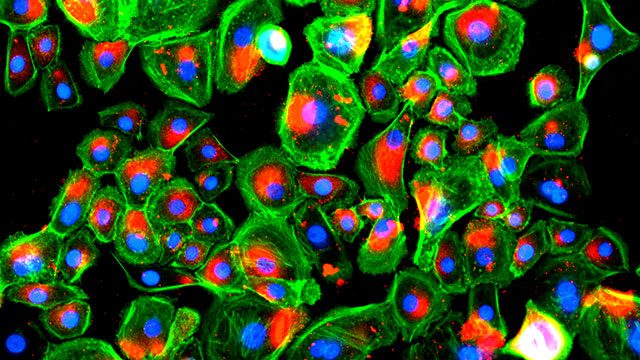
Regenerative Bandage Accelerates Healing in Diabetic Wounds
A new device called a regenerative bandage, developed by Northwestern scientists, quickly heals hard-to-treat diabetic wounds and sores without using drugs.