Author: kwm107
-
Tumors Dramatically Shrink With New Approach to Cell Therapy
Northwestern scientists have developed a new tool to harness immune cells from tumors to fight cancer rapidly and effectively.
-
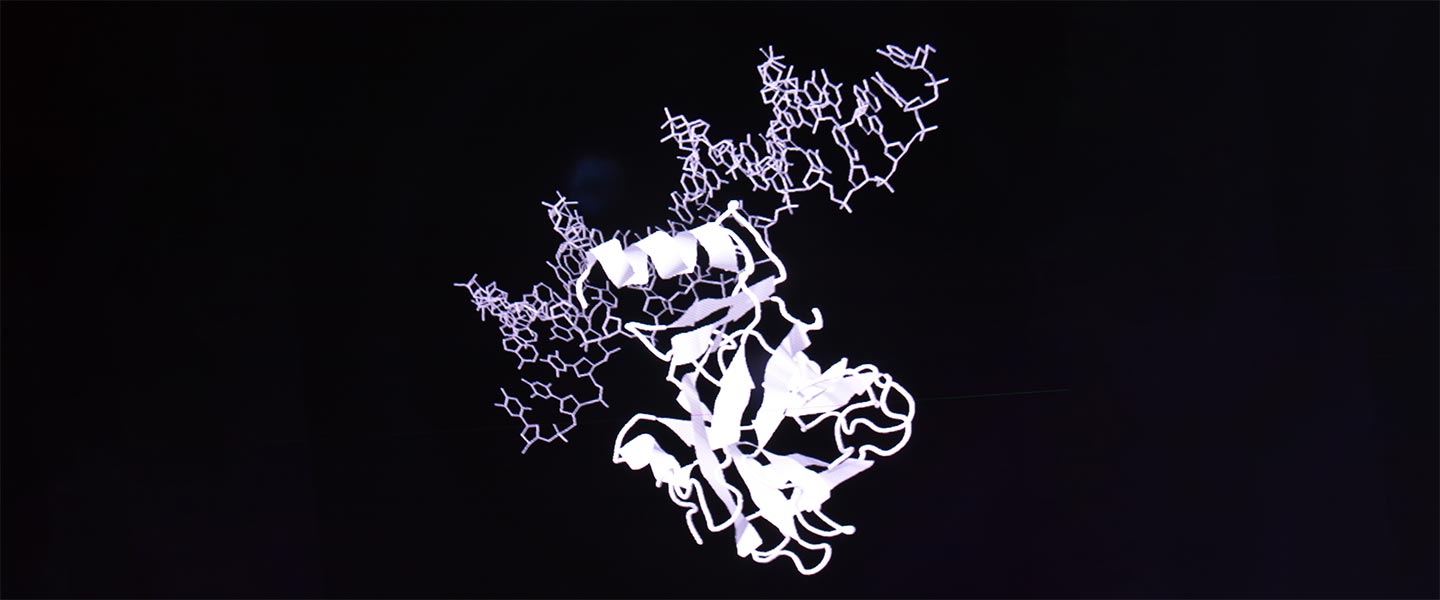
Scientists Identify Proteins That Could Predict Liver Transplant Rejection
Northwestern University scientists have discovered families of proteins in the body that could potentially predict which patients may reject a new organ transplant, helping inform decisions about care.
-

Stern and Woolley Named AAAS Fellows
Northwestern University professors Paula H. Stern and Catherine Woolley have been selected 2021 fellows of the American Association for the Advancement of Science (AAAS).
-

Gender Disparities in Publishing May be Widening for Physicians Due to COVID-19
A new Northwestern Medicine study has found men’s scholarly productivity increased, but women physicians were submitting less during the increase in work-from-home during the pandemic.
-
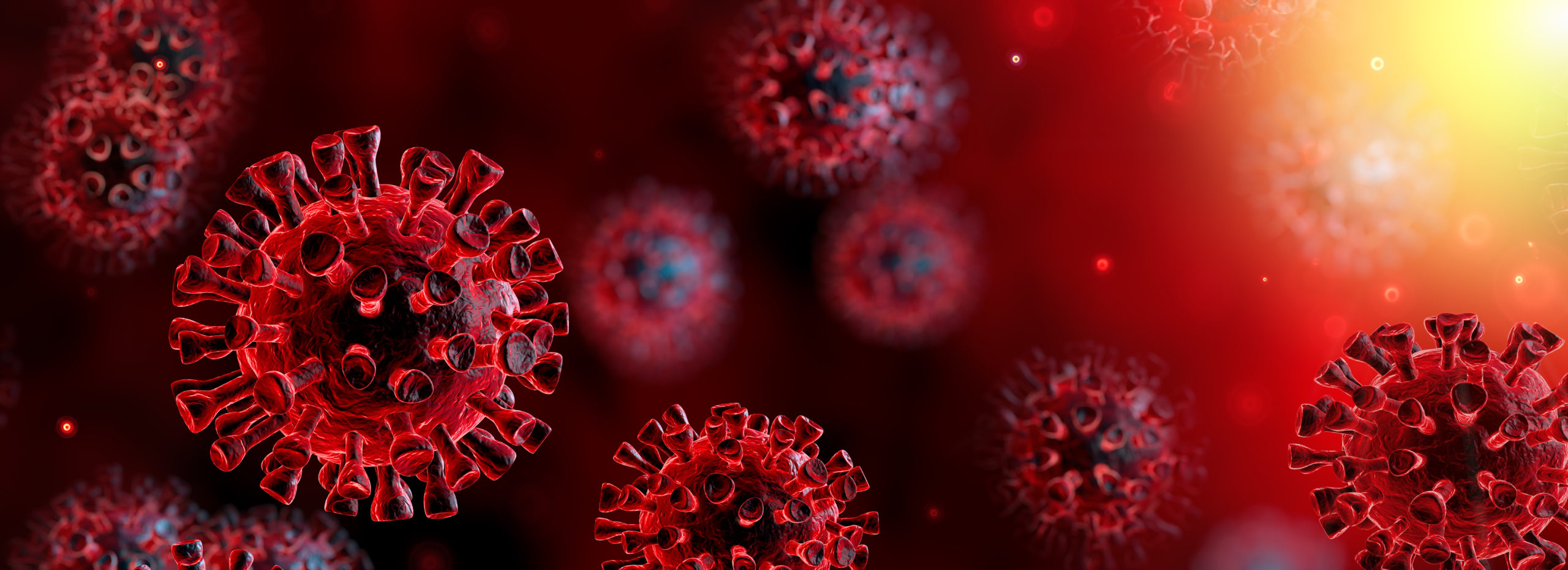
Nano Bubbles Could Treat, Prevent Current and Future Strains Of SARS-Cov-2
A new study has identified naturally occurring nano-sized particles that can block infection from broad strains of SARS-CoV-2 virus in preclinical studies.
-
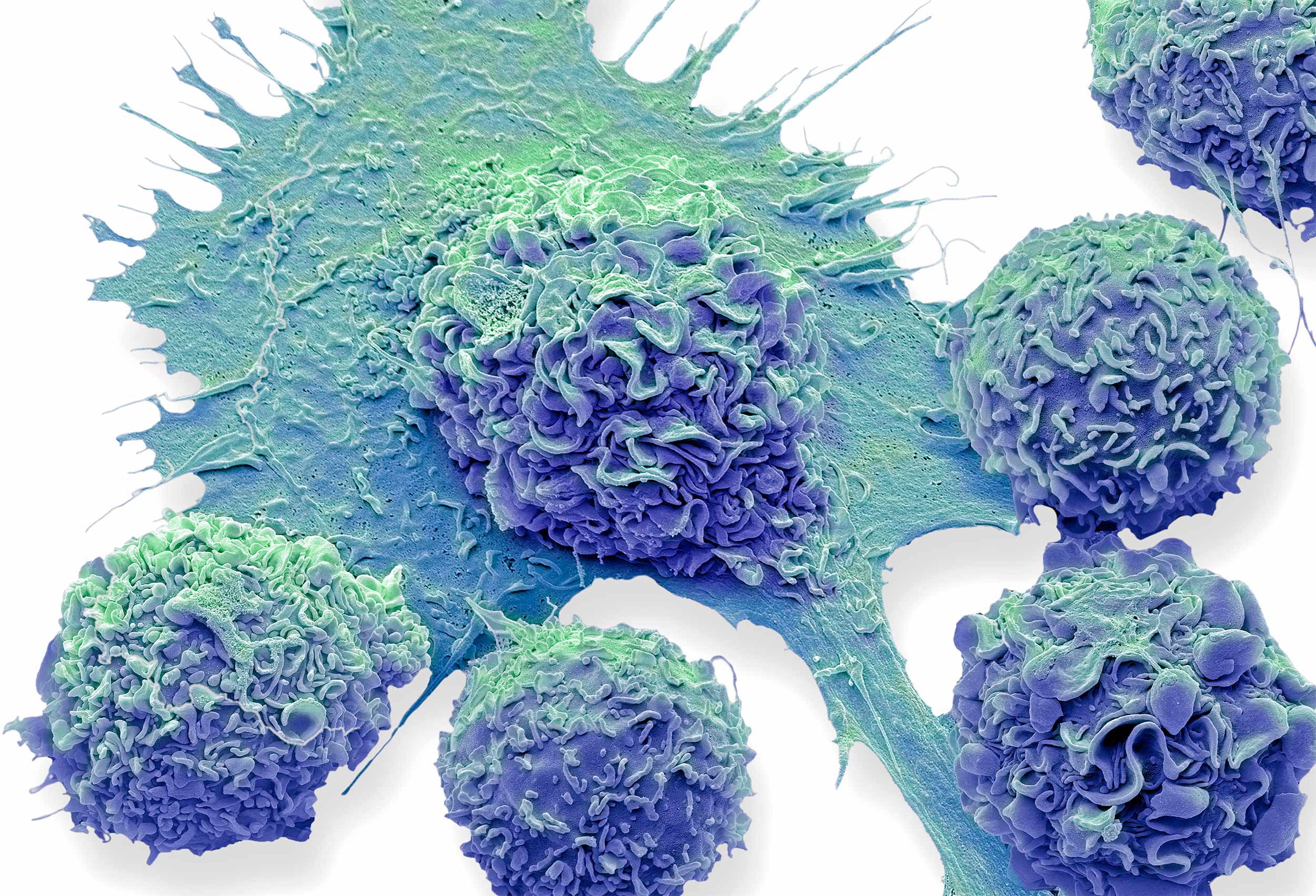
Balancing Act: The Science of Inflammation
Feinberg scientists including the lab of William Muller, MD, PhD, are investigating how regulating inflammation can be a pathway to treating a range of diseases.
-
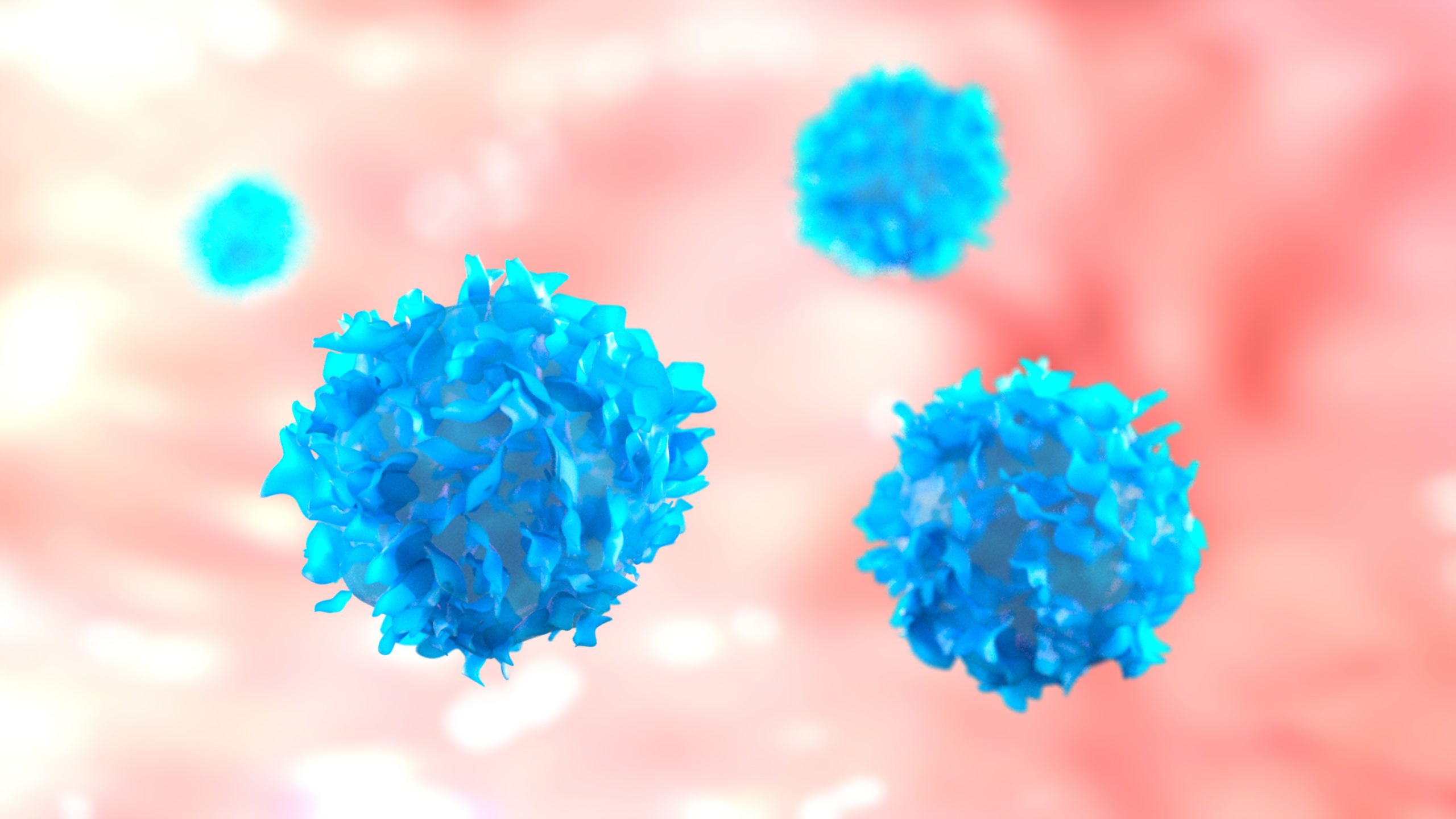
Nanotherapy Offers New Hope for the Treatment of Type 1 Diabetes
A new Northwestern study has discovered a technique to help make immunomodulation more effective, potentially improving treatment for type 1 diabetes.
-

In Cancer Treatment, Quality of Life Matters More and More
A Northwestern Medicine study has found that a new combination immune therapy treatment not only extended cancer patients’ lives better than other treatments, it also was less toxic to their overall health than other drugs on the market.
-
Winter Elected President of the American Society of Hematology
Jane Winter, MD, a highly regarded lymphoma expert, will serve as president of the American Society of Hematology for a year-long term through December 2022.
-
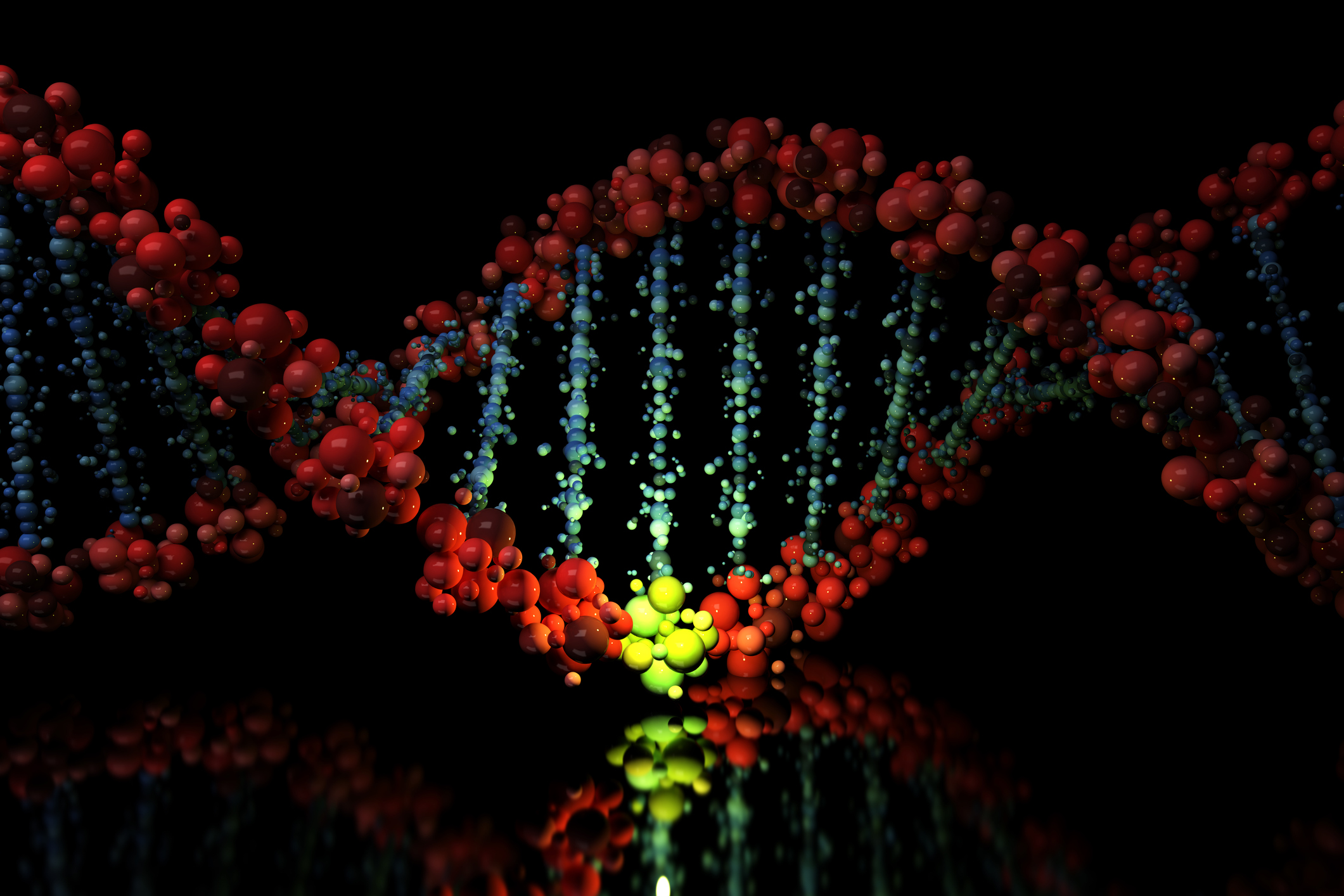
Secondary Structures in DNA are Associated With Cancer
A new Northwestern Medicine study reports that DNA manifested as knot-like folds and third rungs between DNA’s two strands may drive cancer development and an important regulatory enzyme could be associated with the formation of these unusual structures.