Author: kwm107
-
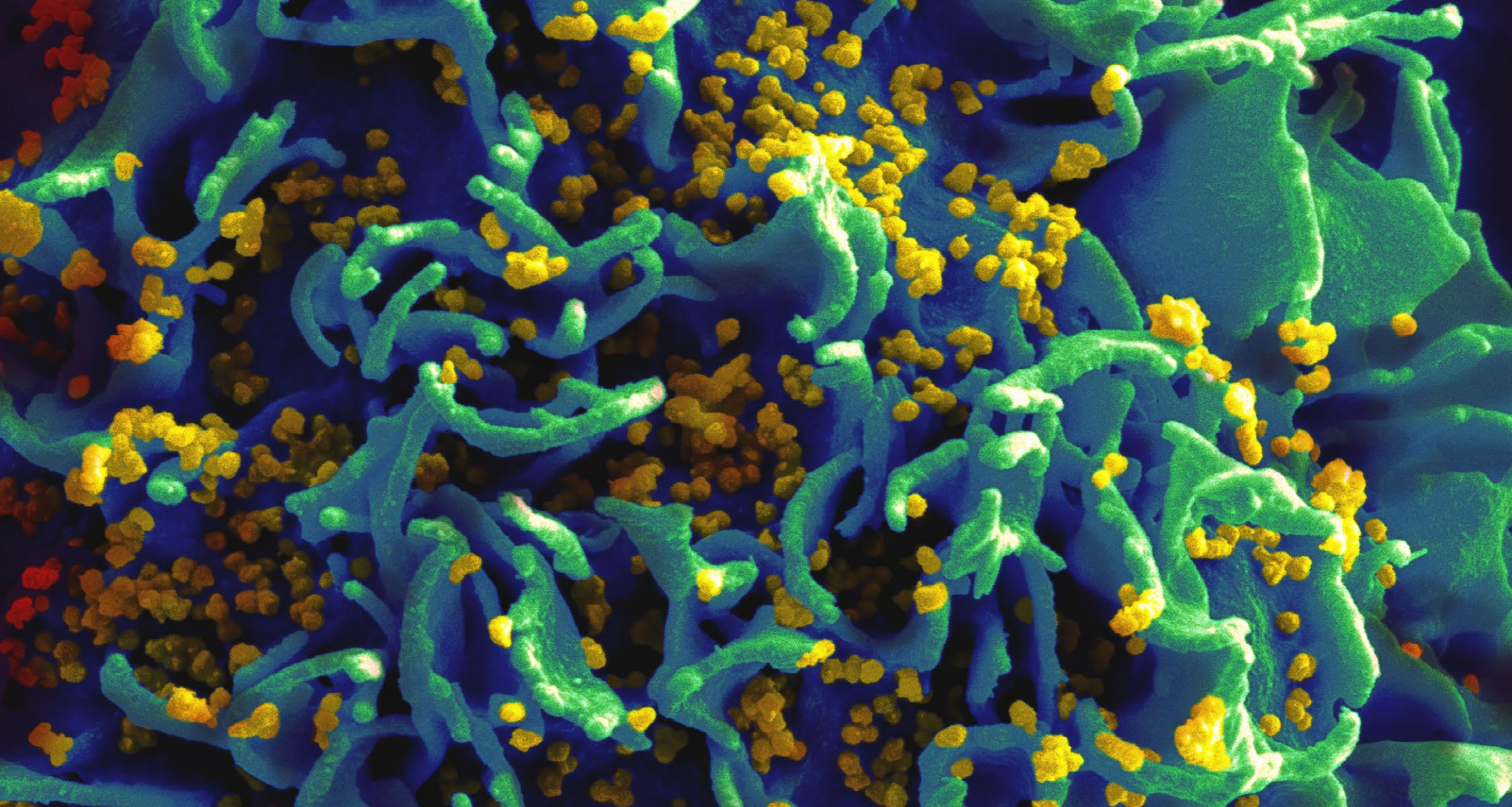
CRISPR and HIV: New Technique in Human Blood Unveils Potential Paths Toward Cure
New advances in CRISPR gene-editing technology may lead to longer-lasting treatments and new therapeutic strategies for HIV/AIDS.
-

Feinberg Ranks Among Top Medical Schools in the Nation
Northwestern University Feinberg School of Medicine has been recognized as one of the best medical schools in the nation, ranking 17th among research-oriented institutions, according to the latest U.S. News & World Report rankings.
-

New Course Preps Medical Students for the Next Disaster
Feinberg students are being trained in a two-week emergency preparedness course on how to manage natural disasters, mass shootings or pandemics.
-

Teaching AI to Read Fetal Ultrasound in Low- and Middle-Income Countries
Northwestern Medicine and Google are collaborating on a project to bring fetal ultrasound to developing countries by combining AI (artificial intelligence), low-cost hand-held ultrasound devices and a smartphone.
-
Nanoparticle-Based COVID-19 Vaccine Could Target Future Infectious Diseases
A new publication outlines the structure-function relationships between the first spherical nucleic acid vaccine developed to protect against viral infections, including COVID-19.
-

Exposure to Artificial Light During Sleep May Increase Risk of Heart Disease and Diabetes
Exposure to even moderate ambient lighting during nighttime sleep, harms cardiovascular function during sleep and increases your insulin resistance, according to a new study.
-

First Potential Immunization Against RSV for Healthy Infants Found Highly Effective in Phase 3 Trial
A new drug has been shown to be highly effective against pediatrics infections caused by respiratory syncytial virus (RSV).
-

Possible Third Cure To HIV: Progress in a Time of Regression
Associate vice president of research Richard D’Aquila, MD, shares his perspective on the news of a possible third person cured of HIV, and the progress of HIV research in the future.
-

Poor Heart Health Before Pregnancy Linked to Adverse Outcomes
A new study shines a spotlight on an important but often overlooked matter of the heart — optimizing cardiovascular health before getting pregnant.
-

Police Violence Linked to Higher Rates of Preterm Delivery, Heart Disease Among Black Women
A new study suggests that one contributor to inequities in pregnancy and cardiovascular outcomes may be the stress created by police violence occurring in Black women’s neighborhoods.