Author: kwm107
-

Exploring Genetic Sex Differences in Alzheimer’s
An international team of scientists has uncovered new insights into how previously unstudied X chromosomes in women may contribute to Alzheimer’s Disease risk, according to a multicenter study published in the journal Molecular Psychiatry.
-

2024 Year in Review
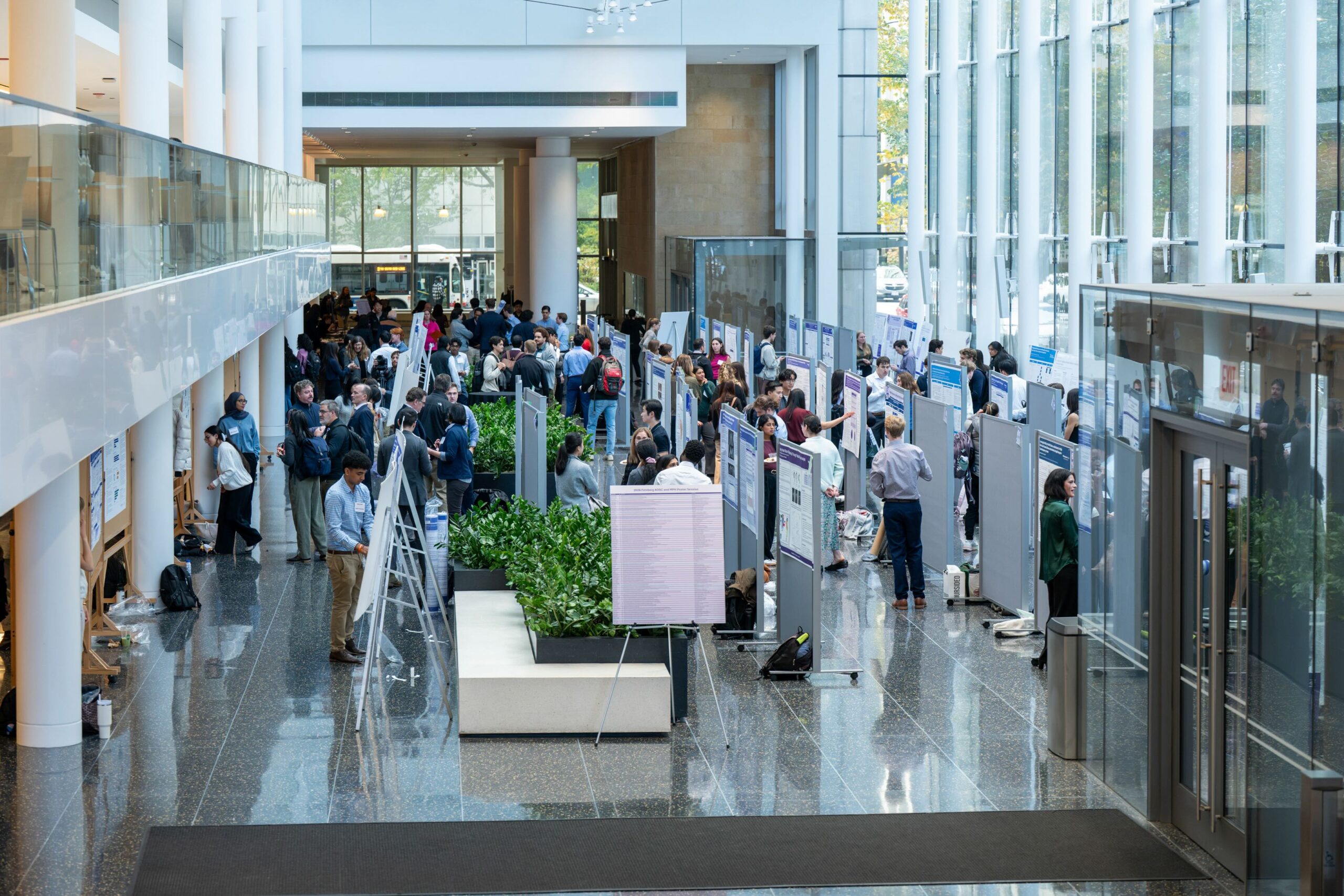
Feinberg experienced a year of stellar growth and scientific achievement in 2024, from honors and awards to unprecedented research discoveries.
-

Unravelling the Mysteries of Calcium Channel Regulation
Scientists have uncovered new insights into the molecular players behind calcium channel regulation, a biological process that coordinates a wide array of physiological responses, according to a study published in the Proceedings of the National Academy of Sciences.
-

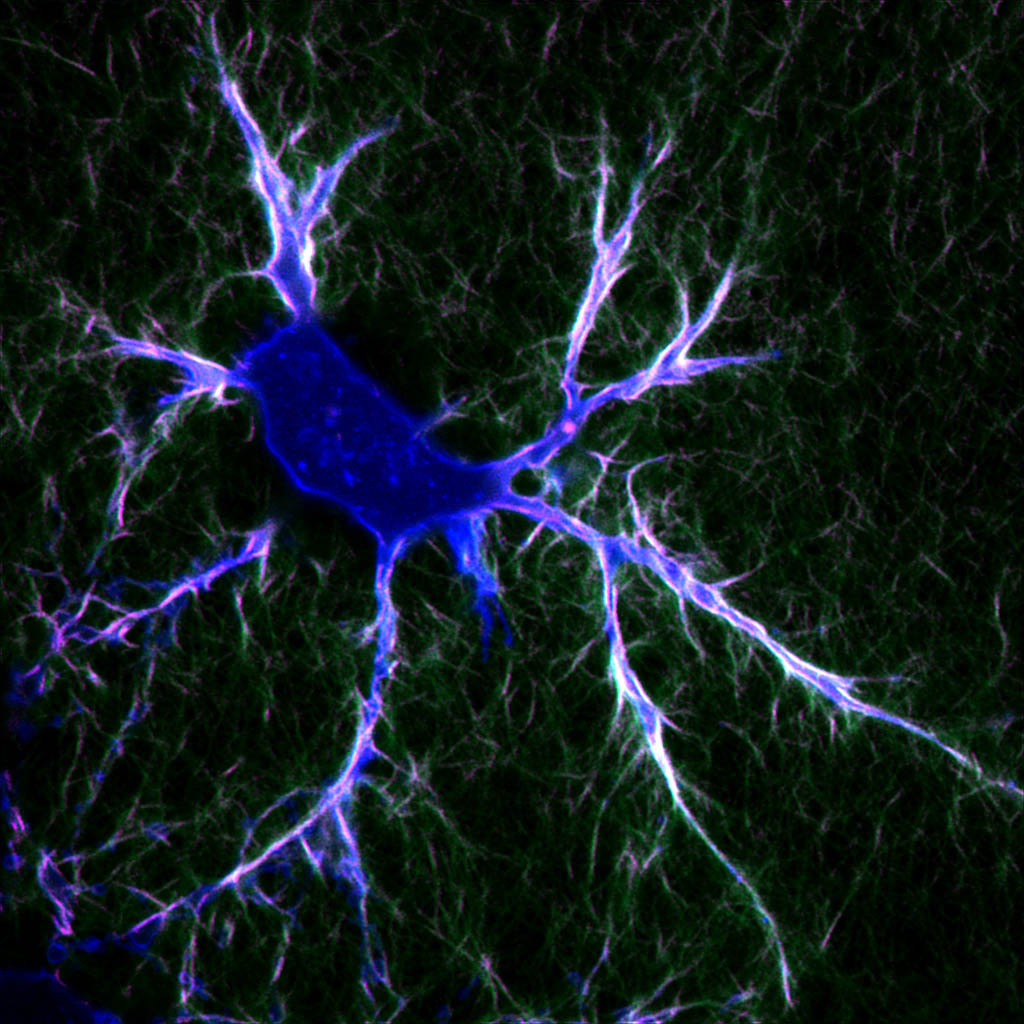
2024 in Scientific Imagery
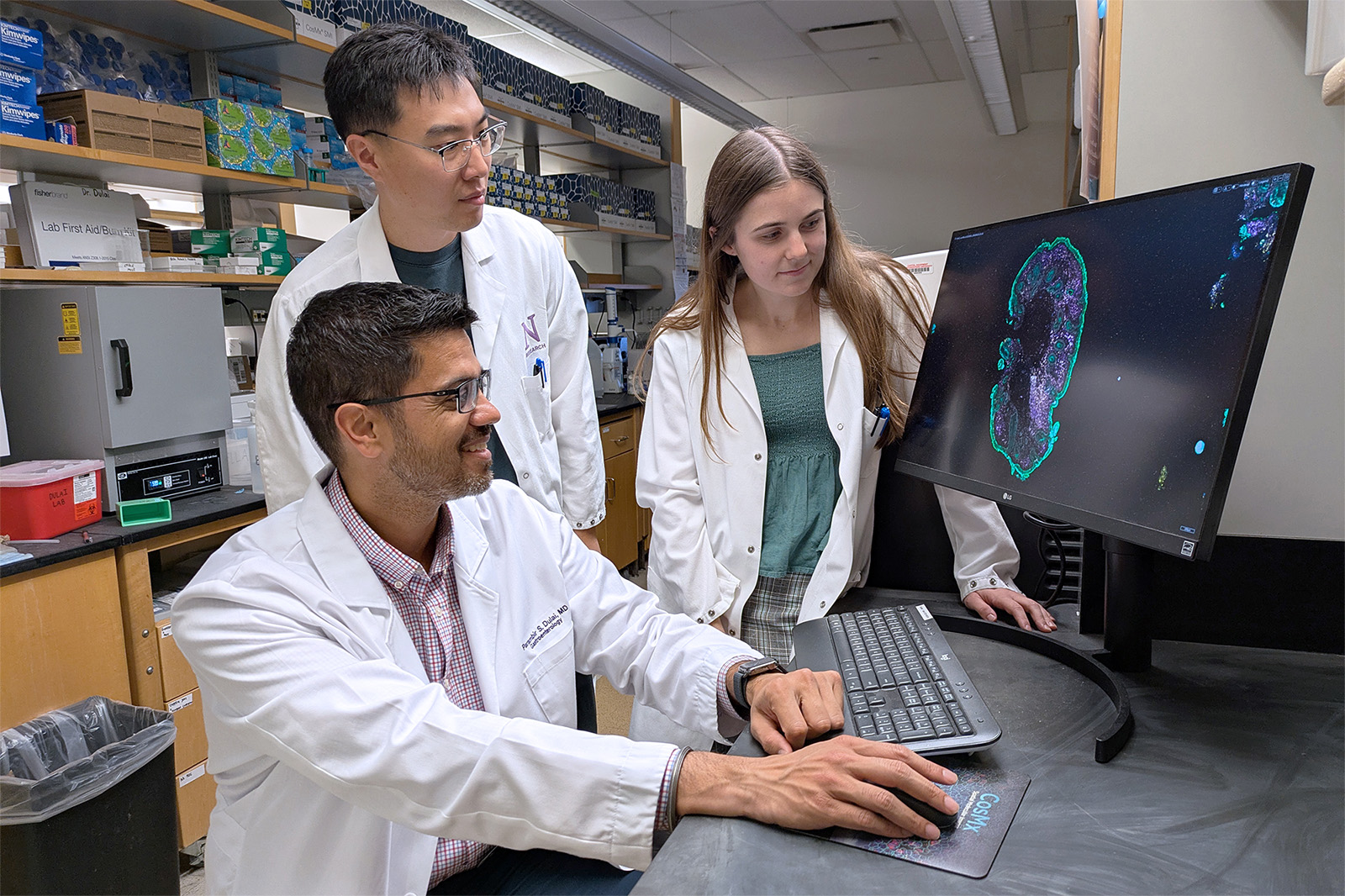
From probing the human brain to elucidating mechanisms behind cellular responses, Feinberg investigators have provided stunning new snapshots of biological processes invisible to the naked eye.
-

How Your Breathing Coordinates Brain Rhythms During Sleep
For the first time in humans, breathing rhythms during sleep have been linked to hippocampal brain waves that strengthen memory consolidation, according to a recent Northwestern study.
-
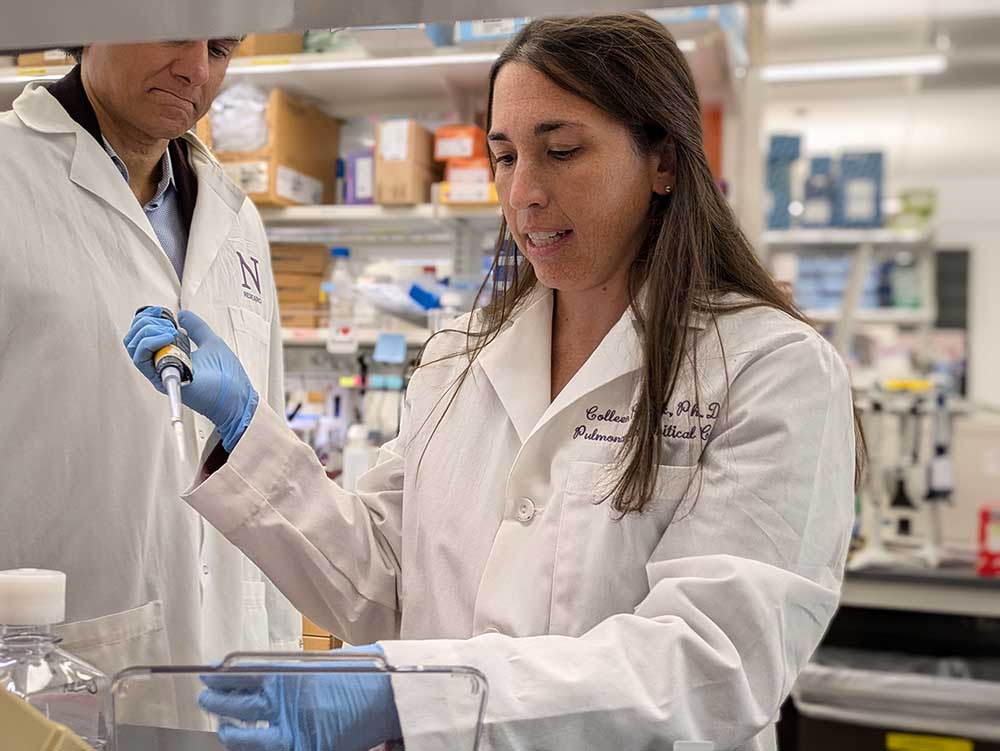
Study Shows Diabetes Drug Lowers Blood Sugar by Interfering With Mitochondria
A new study has provided direct evidence in mice that the drug reversibly cuts the cell’s energy supply by interfering with mitochondria to lower glucose levels.
-

Unlocking New Possibilities for Cancer Immunotherapy
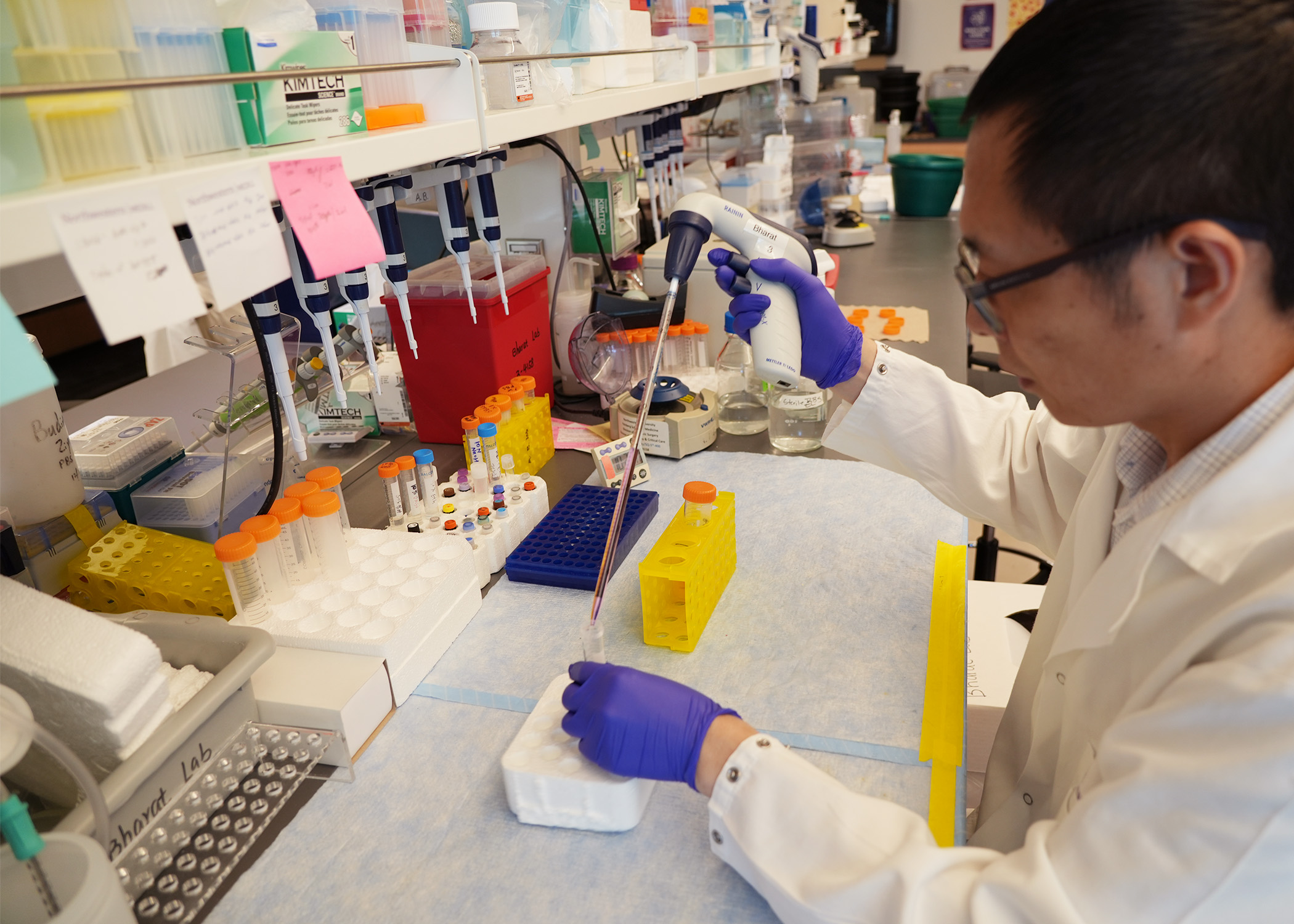
Northwestern Medicine scientists have developed a method for identifying reactive cysteines on peptide antigens within the immune system, a development which may prove useful in cancer immunotherapy, according to a study published in Nature Communications.
-

Preparing Tomorrow’s Physician Leaders
Feinberg medical students will undergo intensive leadership coaching as part of their education under the new Leadership Identity Formation and Training initiative, or LIFT.
-

Shaking Sensor Continuously Monitors Inflammation
Northwestern University scientists have designed a new implantable device that can monitor fluctuating levels of proteins within the body in real time.
-

Remembering Influential Radiologist Lee Rogers
Lee Rogers, ’59 MD, professor emeritus and longtime former chair of Radiology, has died at 90.