Author: kwm107
-
Potential Target for Treating Severe Malaria Identified
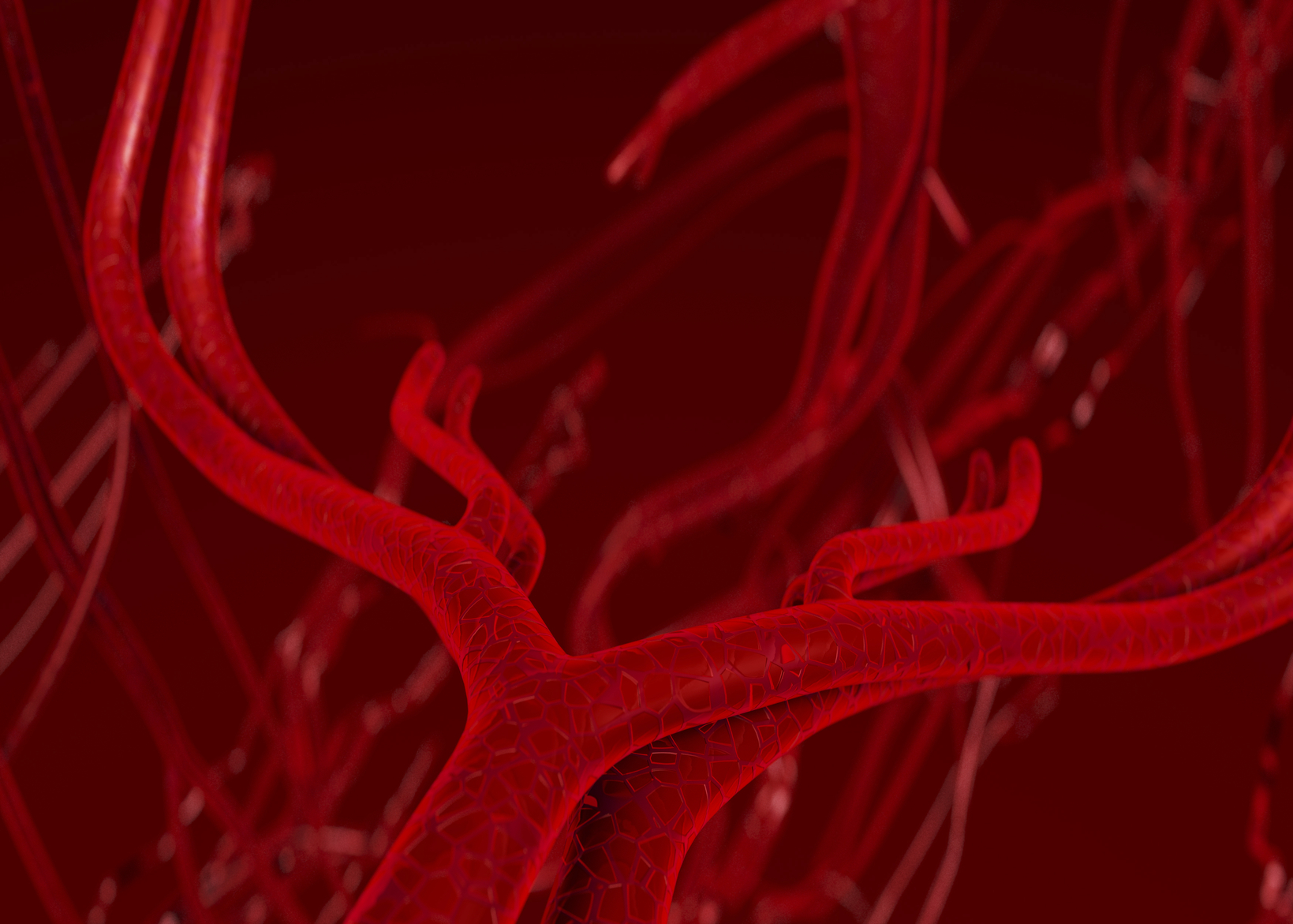
A pair of proteins that promote blood vessel formation are associated with the development of severe malaria, and they may be a target for future therapeutics, according to recent research.
-
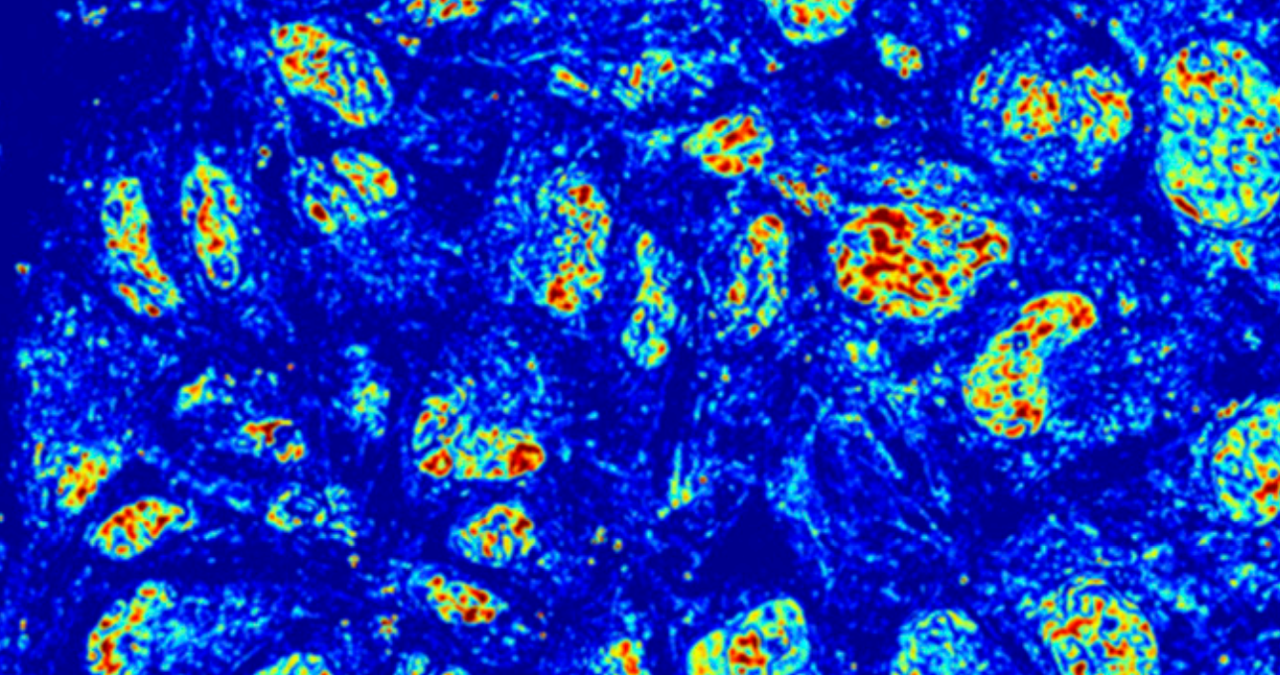
Understanding Chromatin’s Cancer Connection
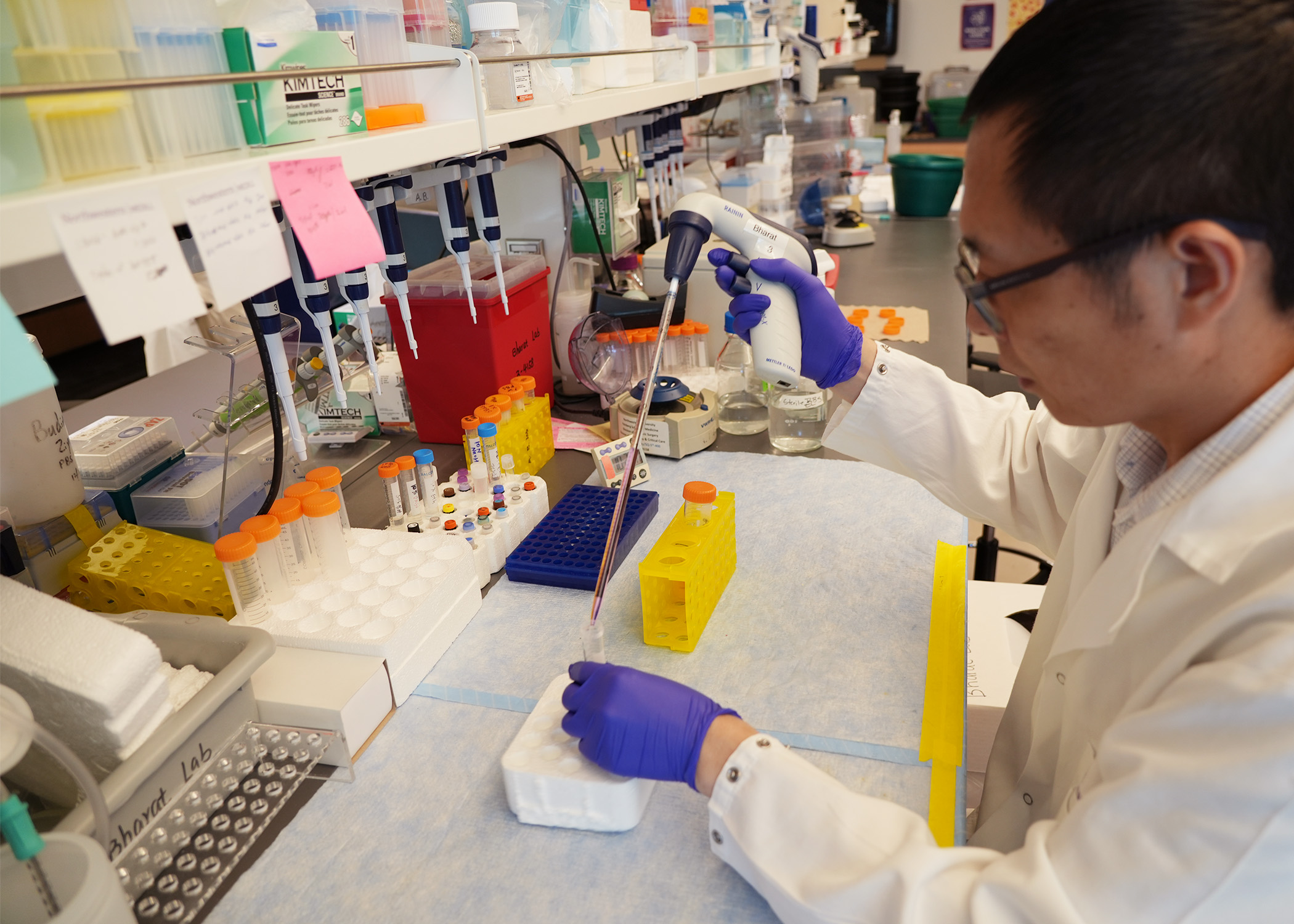
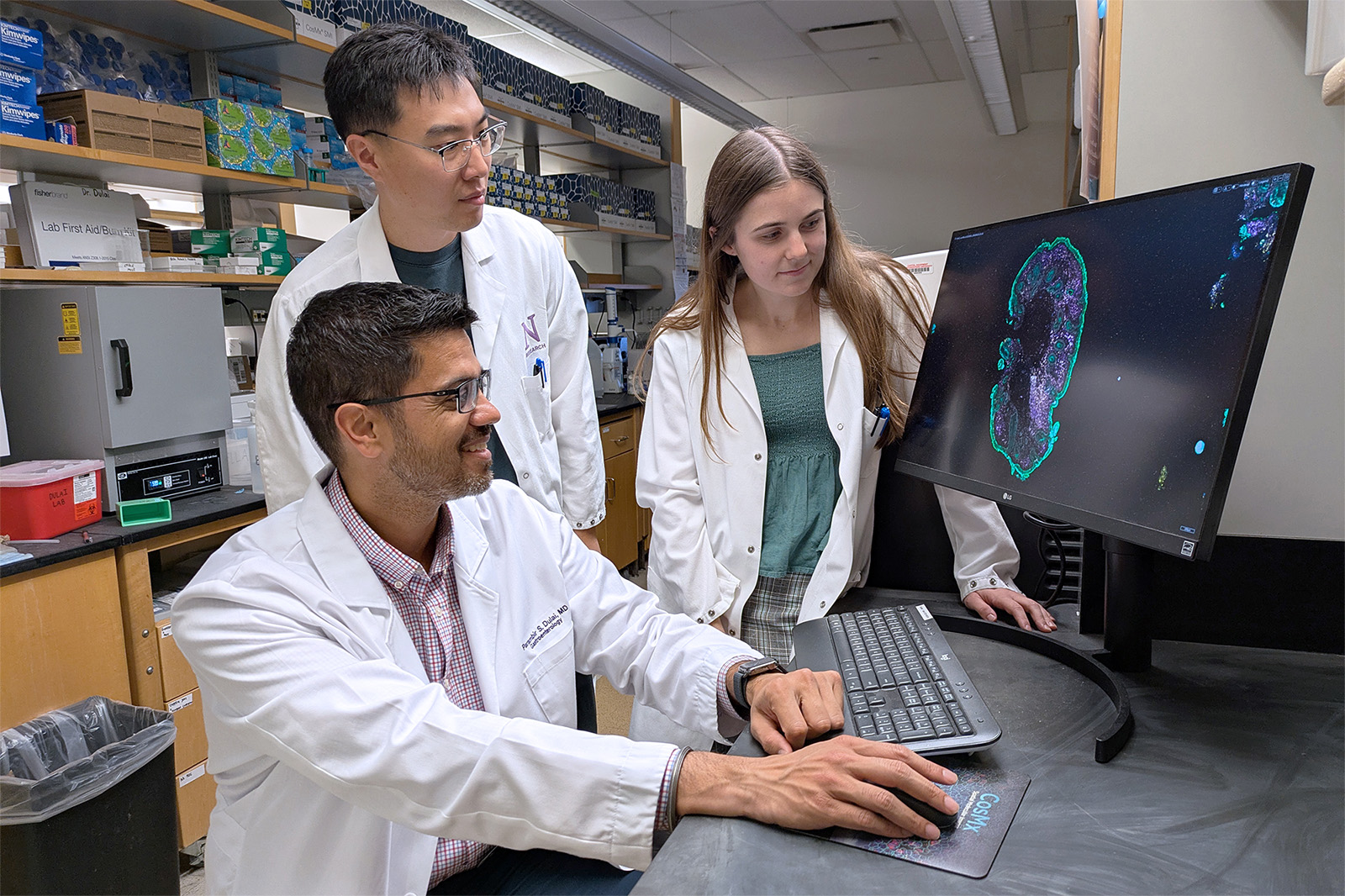
Northwestern Medicine scientists have developed a new way to image chromatin within living cells, opening the door to large-scale screening techniques, including for cancer.
-

Enzyme Identified as Target Against Triple-Negative Breast Cancer
Northwestern Medicine scientists identified an enzyme as a potential new target for triple-negative breast cancer, a form of breast cancer that is associated with early tumor recurrence and significantly increased mortality rates.
-

Imaging Stroke Risk in Four Dimensions
Research from McCormick School of Engineering and Northwestern Medicine scientists describes new MRI technique that can detect blood flow velocity to identify who is most at risk for stroke.
-
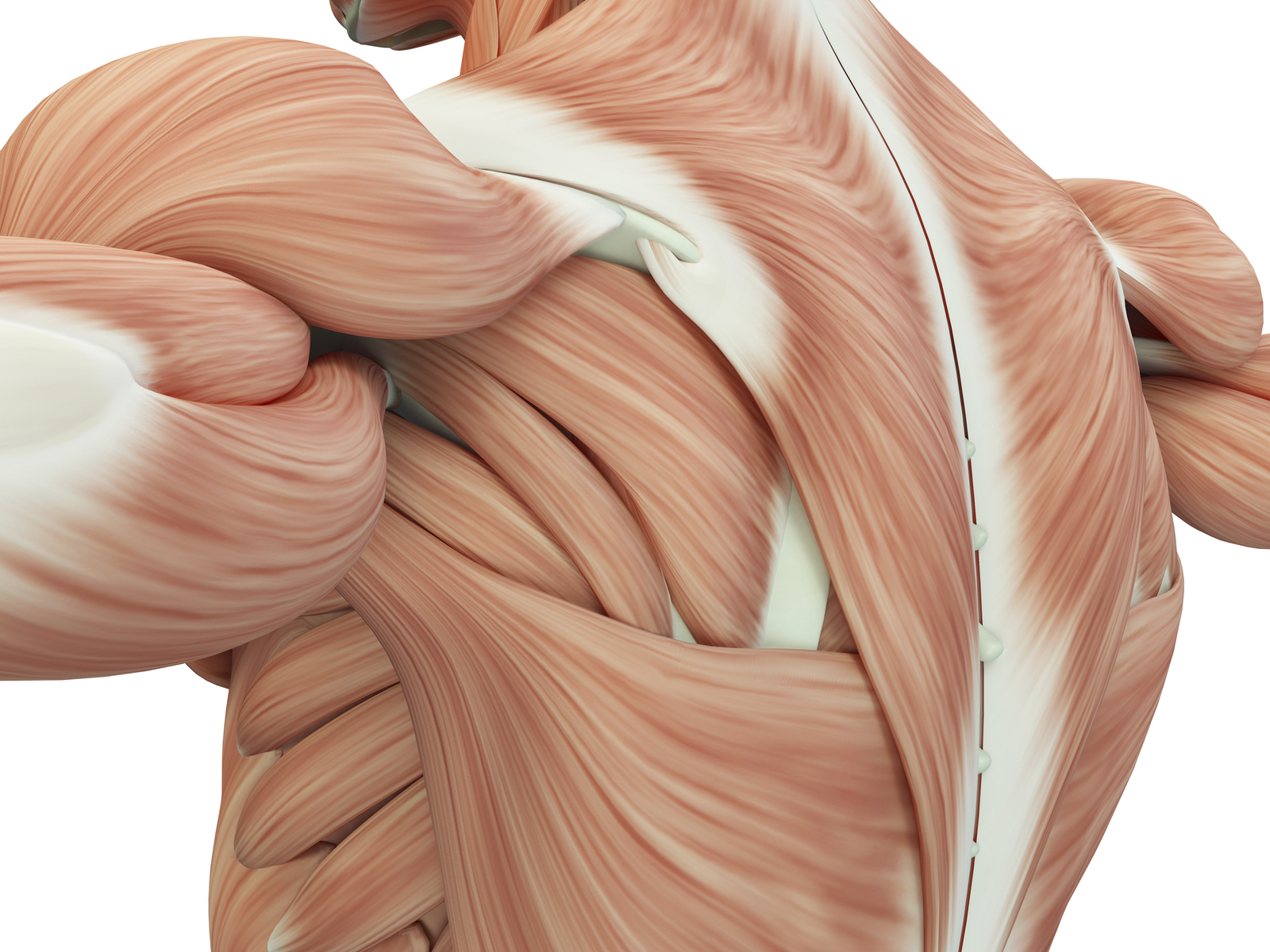
Muscles Have Circadian Clocks That Control Exercise Response
Northwestern Medicine scientists have discovered circadian clocks in muscle tissue that control the muscle’s metabolic response and energy efficiency depending on the time of day.
-

Renowned Neuro-oncologist Joining Northwestern
Internationally renowned Swiss neuro-oncologist Roger Stupp, MD, will join Northwestern Medicine as a professor of Neurological Surgery.
-
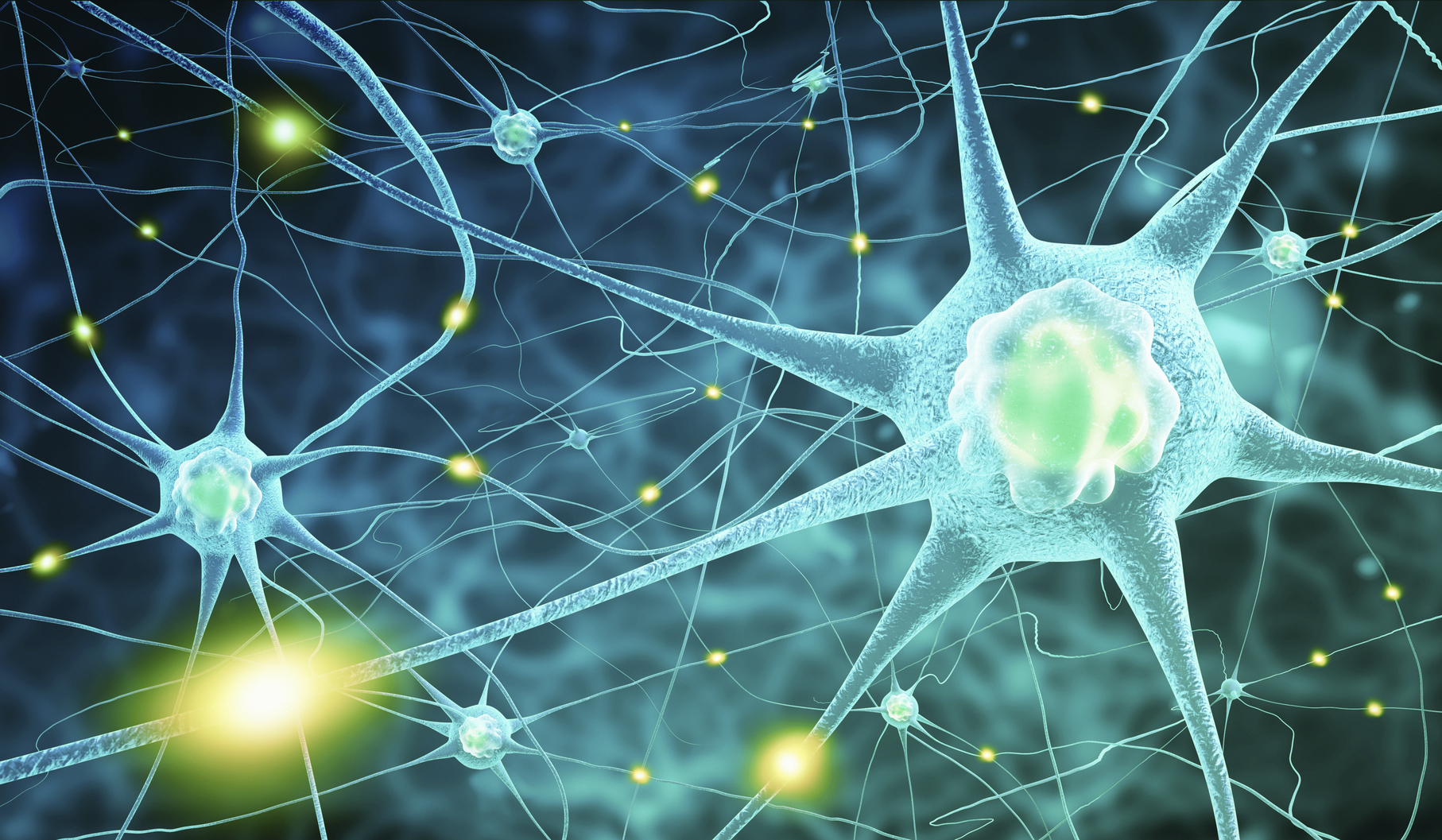
Scientists Find New Path in Brain to Ease Depression
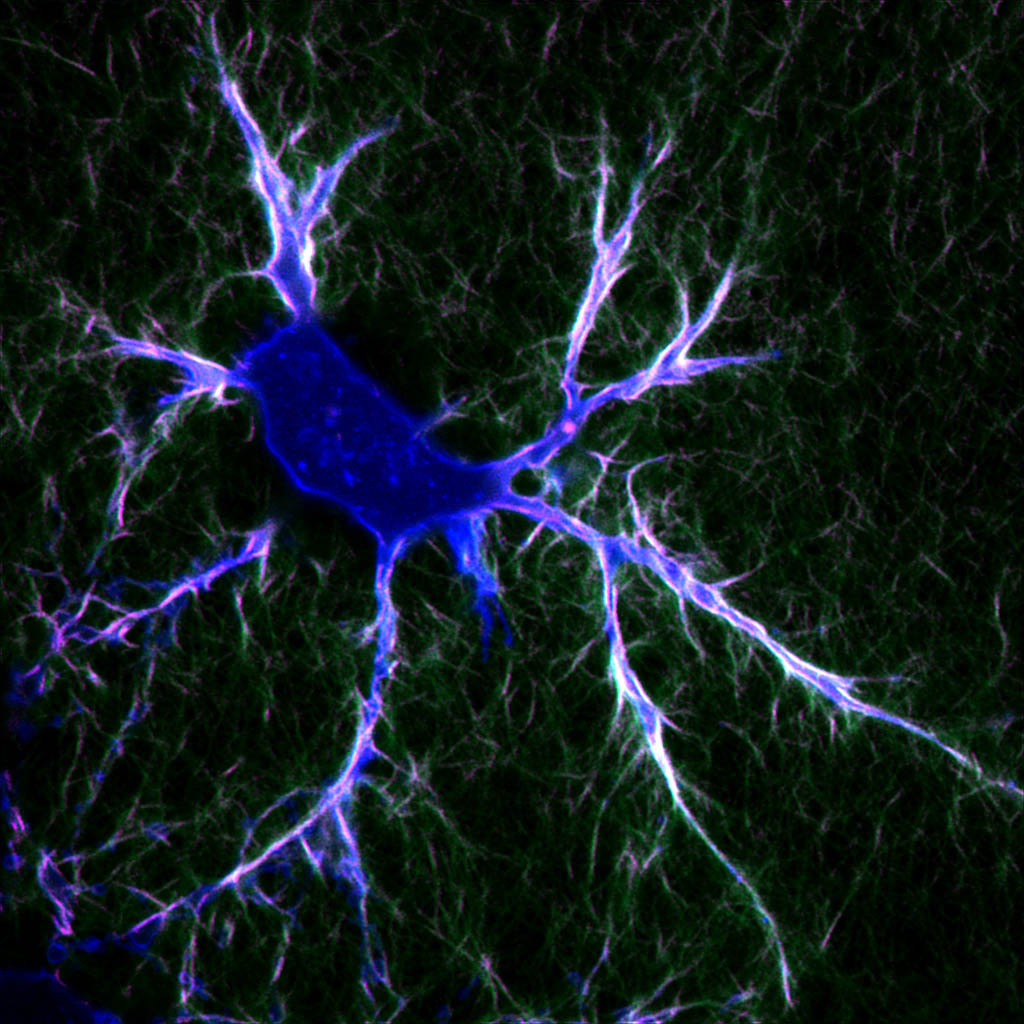
A new pathway in the brain can be manipulated to alleviate depression, offering a promising new target for developing a drug that could be effective in individuals for whom other antidepressants have failed.
-

Medical Education Day Celebrates Outstanding Teaching and Learning
Feinberg faculty, students and staff gathered to celebrate and advance medical education through workshops, lectures and presentations at the 6th Annual Medical Education Day.
-

New Leader of Public Health Named
Ronald Ackermann, MD, MPH, has been named senior associate dean for public health and director of the Institute for Public Health and Medicine (IPHAM), succeeding IPHAM’s inaugural leader, Rowland Chang, MD, MPH.
-
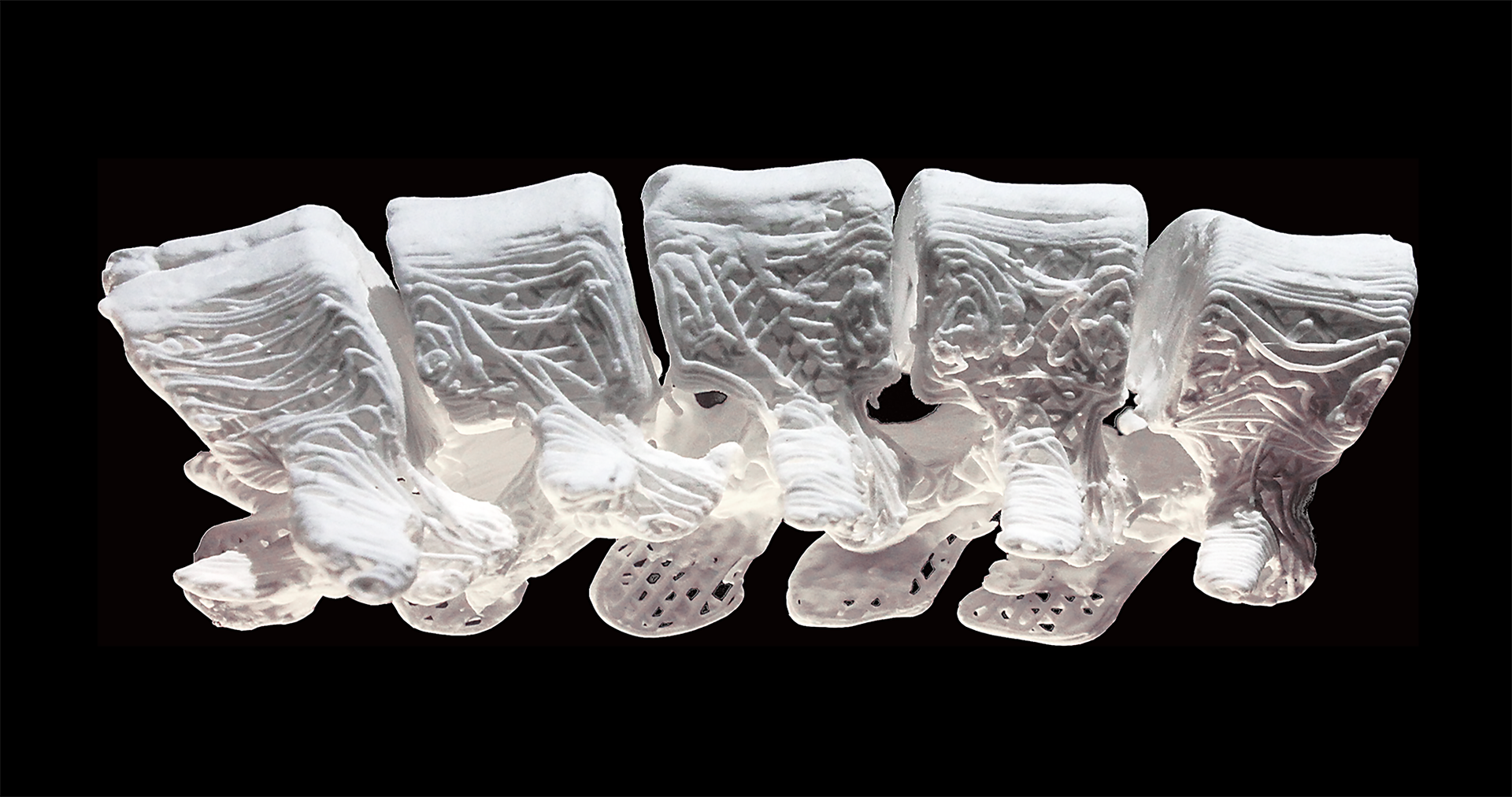
Promising Biomaterial to Build Better Bones with 3-D Printing
A 3-D printable ink developed by Northwestern scientists produces synthetic bone implants with unique properties to induce bone regeneration.