Author: Olivia Dimmer
-

Reinfection Raises Long COVID Risk in Children and Adolescents
Children and adolescents who are reinfected with SARS-CoV-2 face a significantly higher risk of developing long COVID, according to a large, multi-institutional study published in The Lancet Infectious Diseases.
-

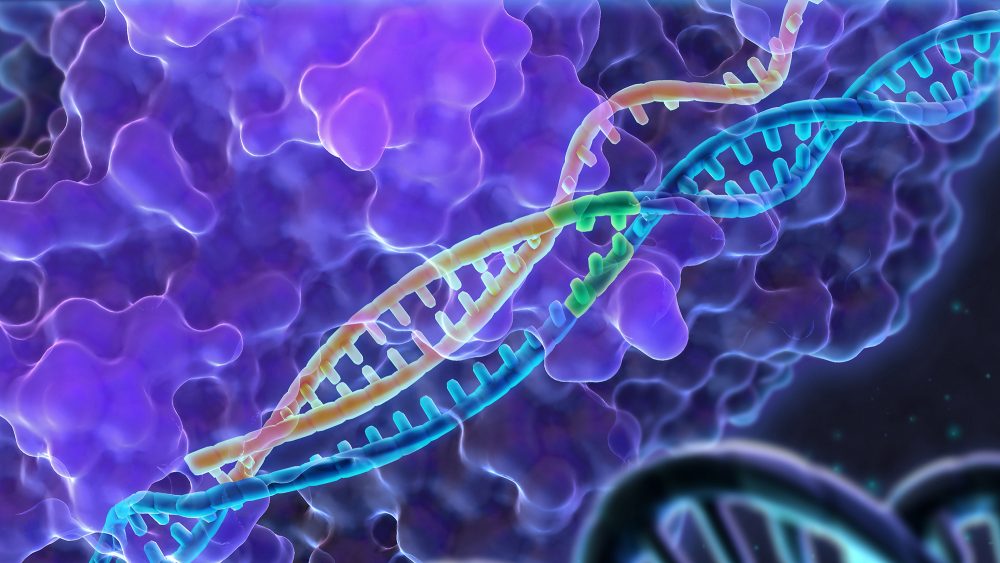
New Tool Collects Biology Data into Cellular Atlases
A new computational method could dramatically accelerate efforts to map the body’s cells in space, according to a study published in Nature Genetics.
-

Holmes Named 2026 Medical Librarian of the Year
Kristi Holmes, PhD, associate dean for knowledge management and strategy, has been named the 2026 Medical Librarian of the Year by the Friends of the National Library of Medicine.
-
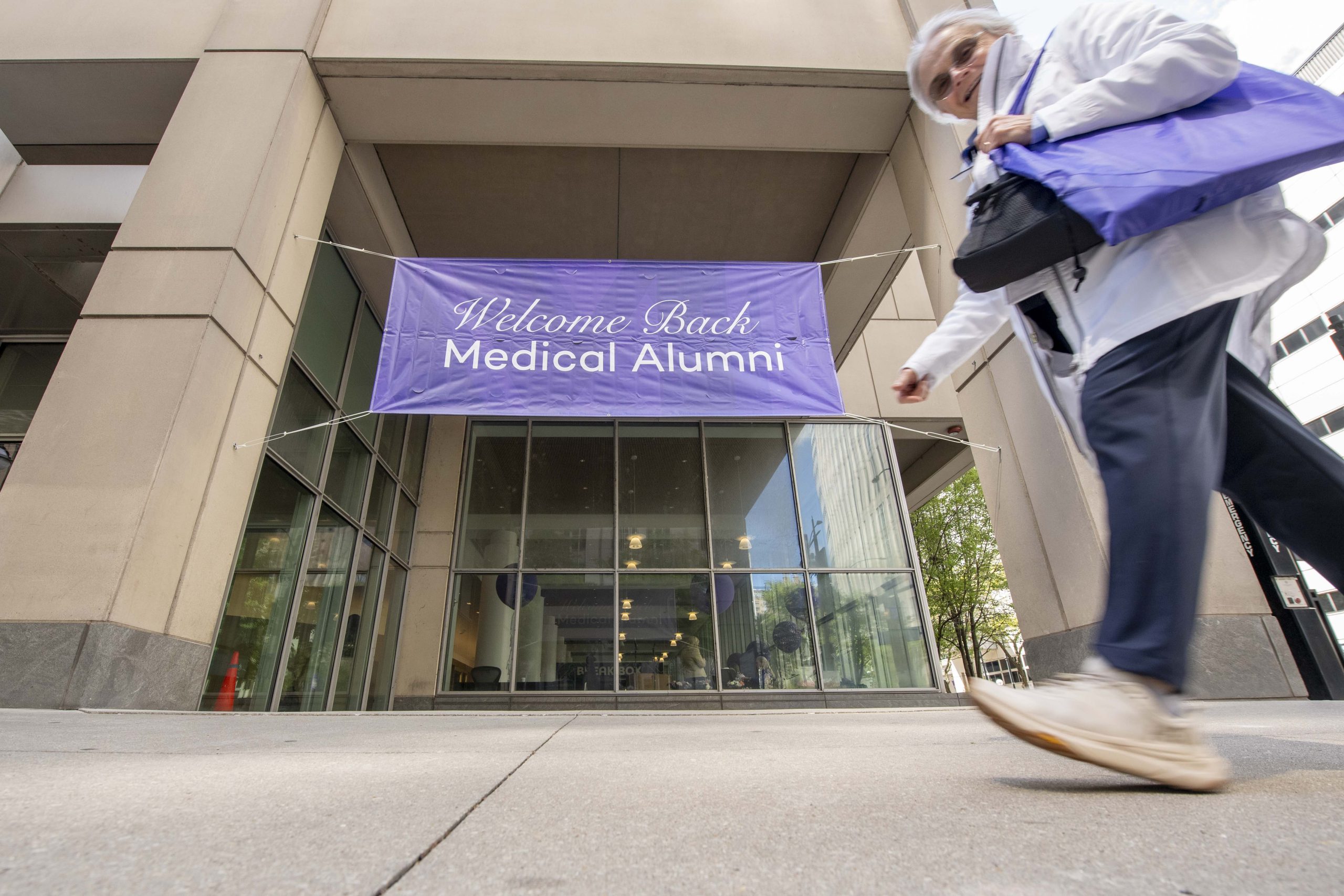
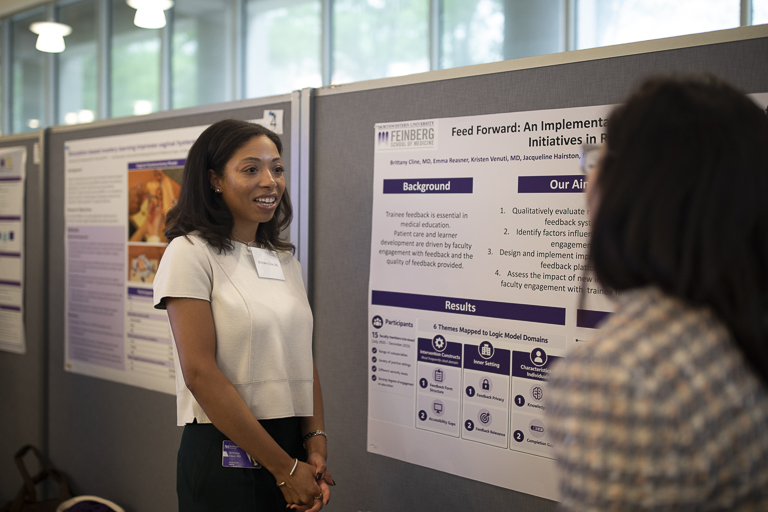
Feinberg Classmates Return to Campus for Alumni Weekend 2026
Feinberg alumni returned to campus on May 1 and 2 for Alumni Weekend 2026, an event dedicated to reconnecting classmates and celebrating milestone reunions.
-
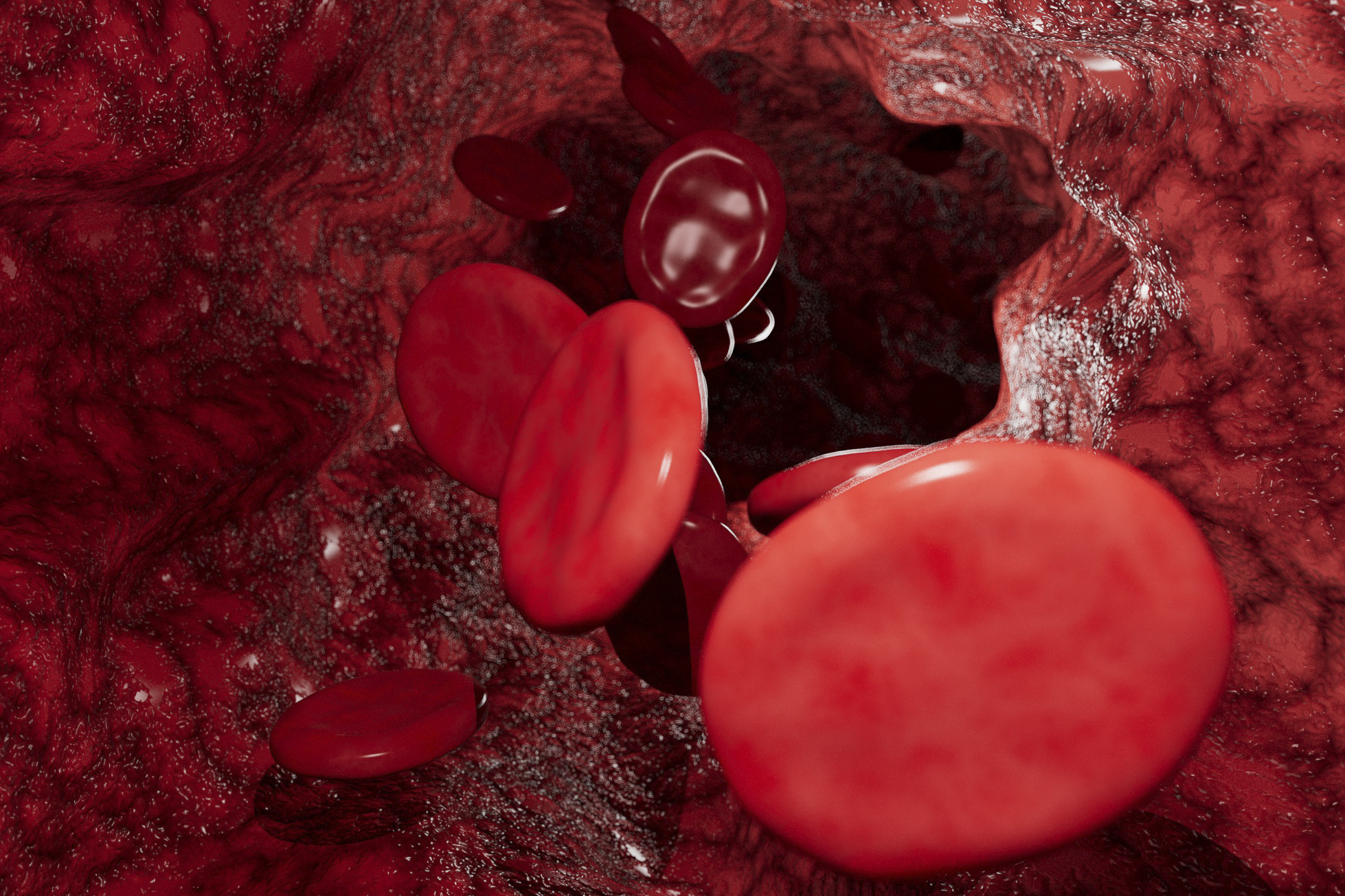
Stents Can Ease Symptoms of Post-Thrombotic Syndrome
A procedure designed to reopen blocked veins successfully reduced pain, swelling and disability in people with post-thrombotic syndrome — a common and often debilitating complication of deep vein thrombosis — according to results of a clinical trial published in The New England Journal of Medicine.
-
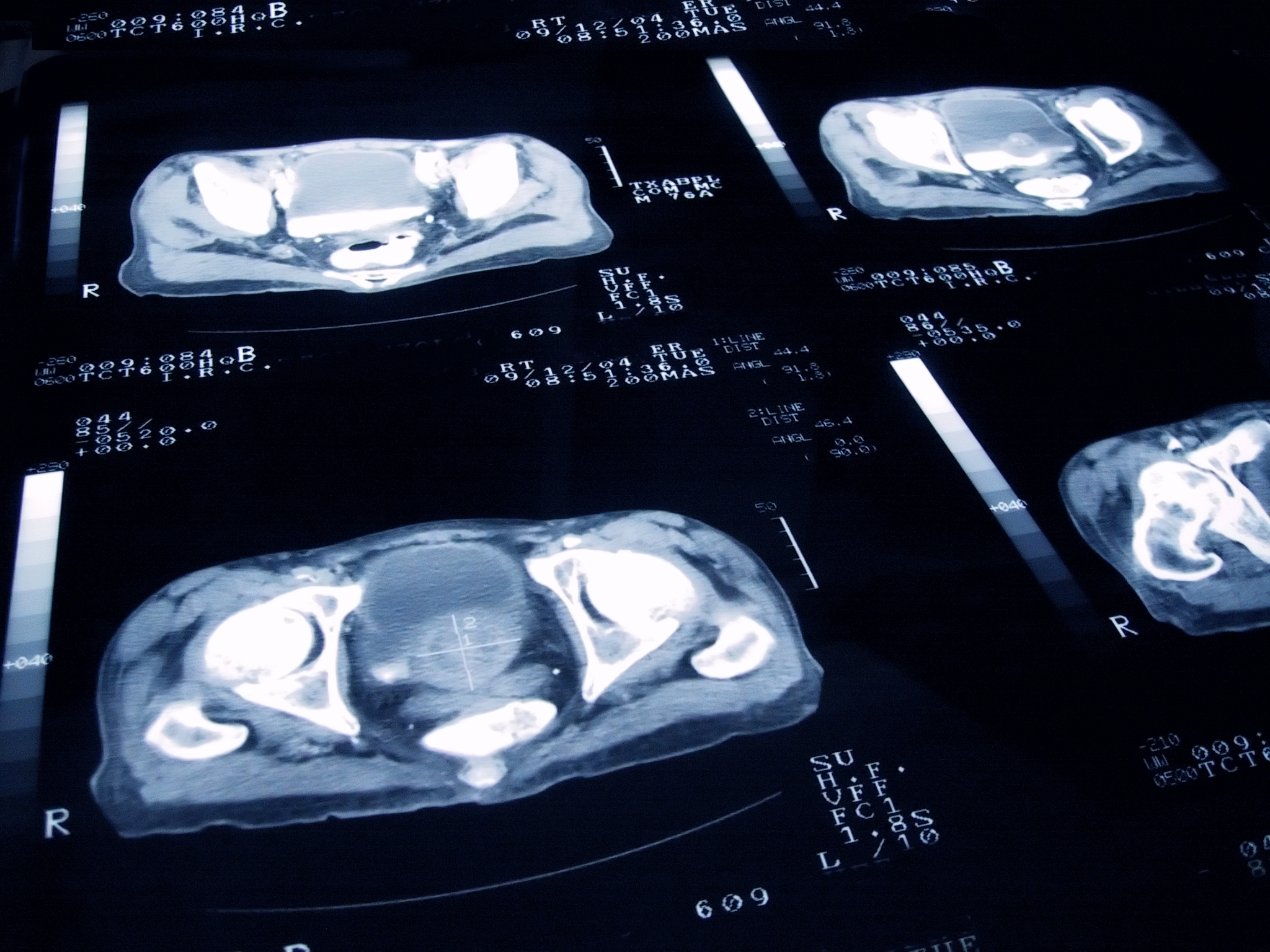
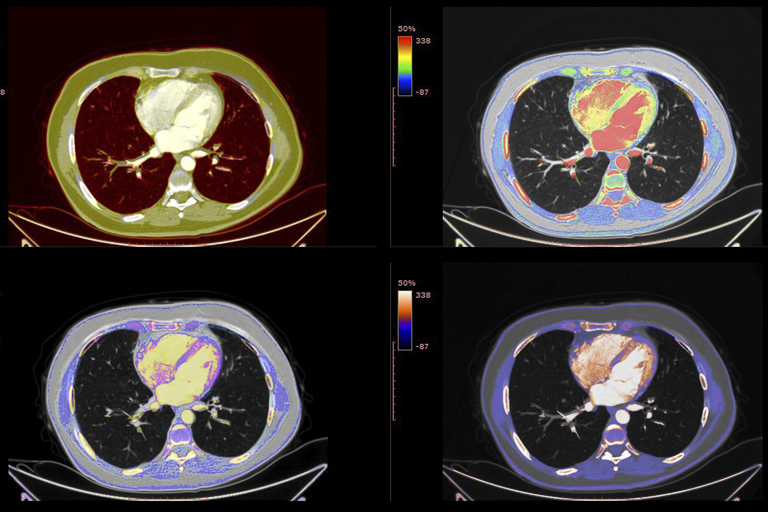
Scans Can Reveal Hidden Prostate Cancer Progression
A large analysis of two major clinical trials has found that the spread of prostate cancer can be detected on imaging scans even when biomarkers remain stable, according to a study published in the Journal of Clinical Oncology.
-

Visionary Biochemist Delivers 2026 Kimberly Prize Lecture
Svetlana Mojsov, PhD, delivered the 2026 Kimberly Prize Lecture on April 20, drawing on decades of groundbreaking research that helped transform the treatment of diabetes and obesity.
-

Bass Named 2026 AAAS Member
Joseph Bass, MD, PhD, has been selected as a member of the American Academy of Arts and Sciences, the oldest general scientific society in the United States.
-

Neighborhood Social Factors Increase Cardiovascular Disease Risk
Individuals exposed to adverse neighborhood social factors in early adulthood demonstrated a higher risk of developing coronary artery calcification in midlife, a key measure of early cardiovascular disease, according to a recent study published in Nature Communications.
-
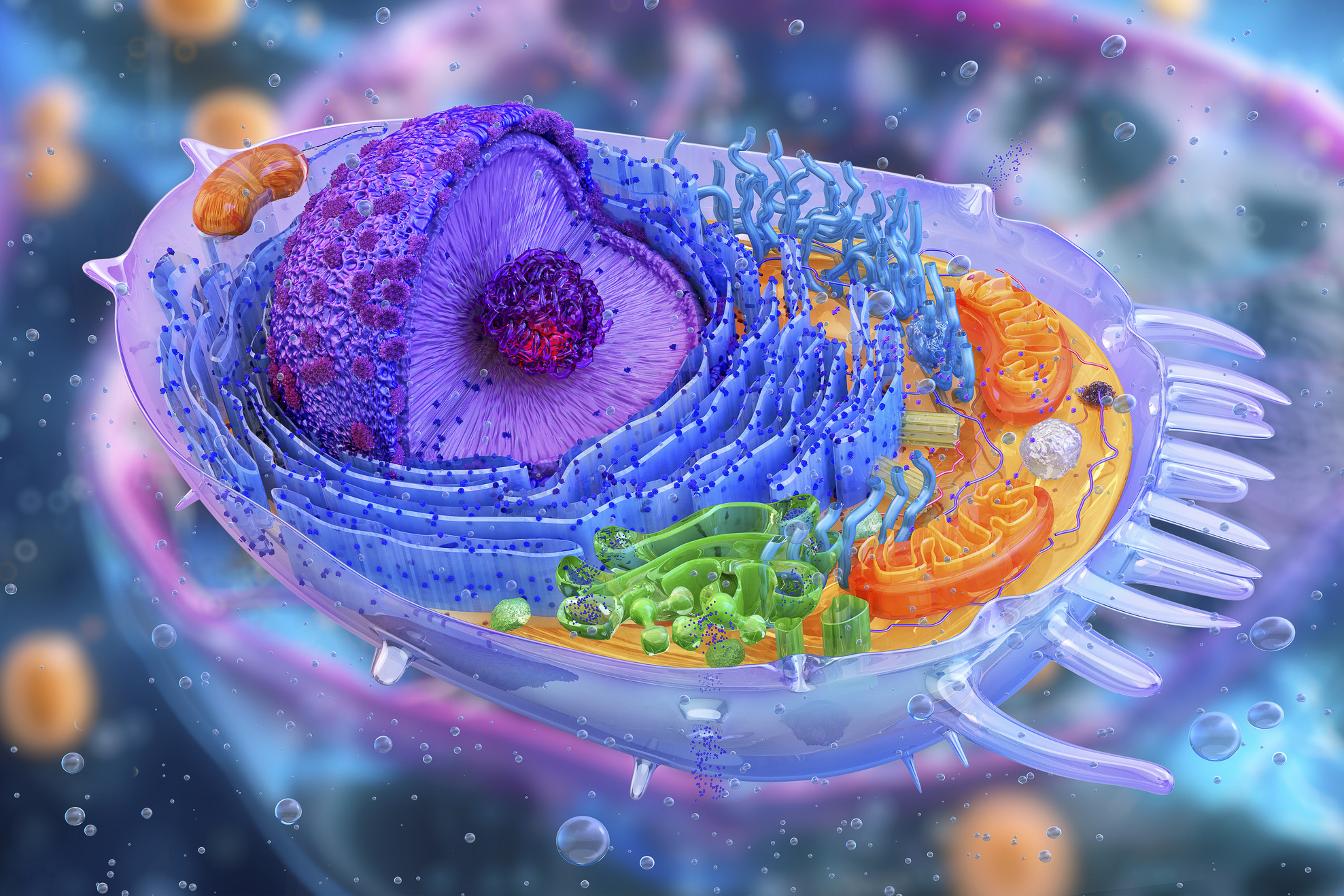
Cells ‘Switch’ on Protein Factories After Injury, Study Finds
Scientists have uncovered a novel mechanism through which skin cells organize and control protein production during homeostasis and wound healing, according to a new study published in Developmental Cell.