Author: Olivia Dimmer
-
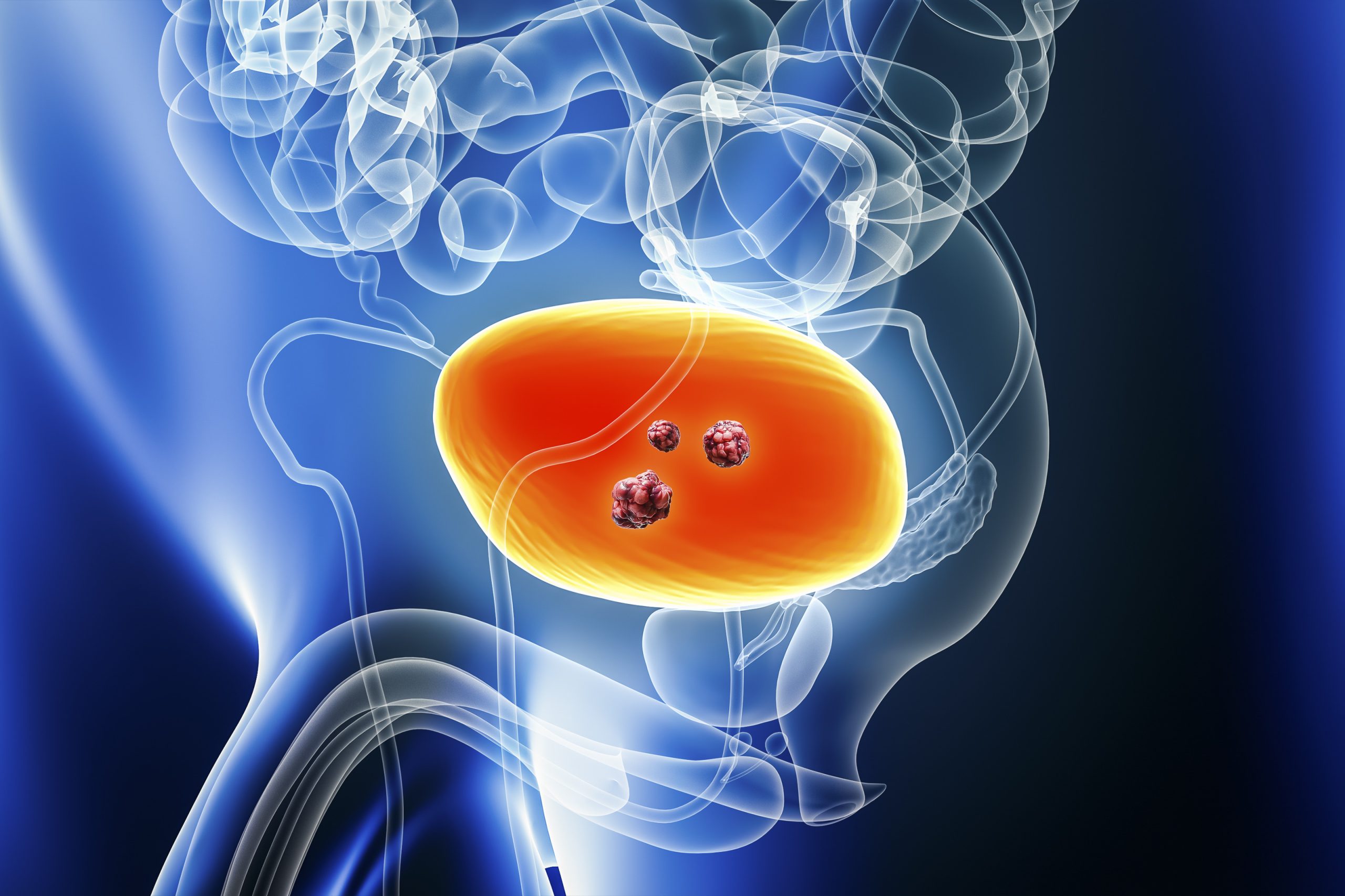
Immune Biomarkers May Predict Response to Bladder Cancer Treatment
A Northwestern Medicine study has offered new clues as to why immunotherapy works well for some bladder cancer patients but fails for others, according to a study published in the Journal of Clinical Investigation.
-

Blood Test May Predict Immunotherapy Response in Head and Neck Cancer
A new Northwestern Medicine study suggests that a simple blood test could help identify which patients with head and neck cancer are most likely to benefit from immunotherapy, according to a study published in the Journal of Clinical Investigation.
-

Overlooked DNA Structures Help Organize the Genome
Northwestern Medicine scientists have discovered that little-studied DNA structures play a central role in organizing the human genome and controlling gene activity, according to a new study published in the Proceedings of the National Academy of Sciences.
-
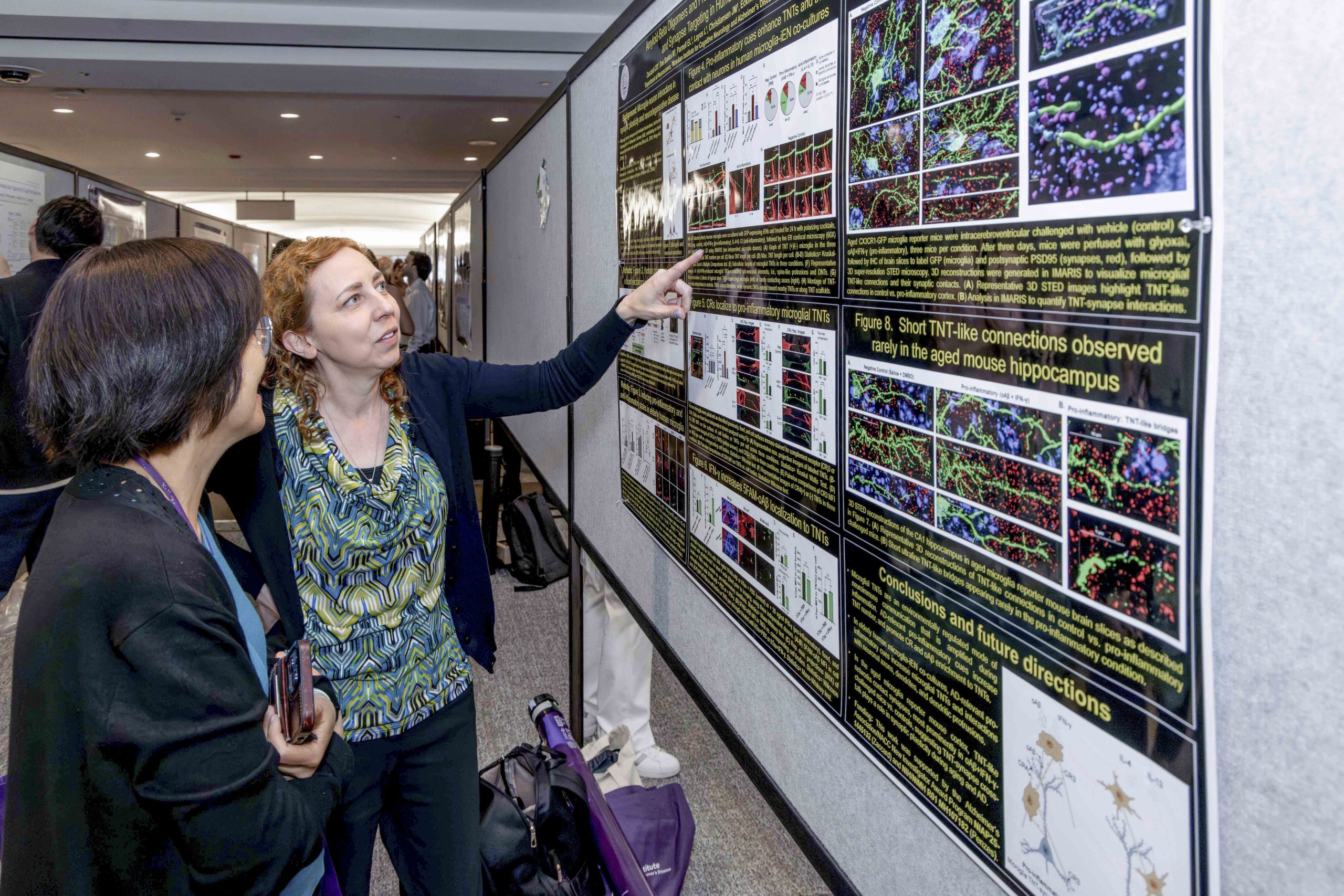
Alzheimer Day Highlights Research Advances and Community Engagement
Faculty, clinicians, investigators and community members gathered on May 19 for Alzheimer Day, an annual conference dedicated to advancing understanding of dementia and connecting cutting-edge research with patients and families.
-

‘Toxic’ Molecule Plays Vital Role in Gene Regulation and Development
A molecule once thought to be a harmful metabolic byproduct may play a crucial role in early development and gene regulation, according to a new study published in Nature that challenges decades of biochemical assumptions.
-

Feinberg Students Launch Inaugural Day of Service Across Chicago
Students from across Northwestern University Feinberg School of Medicine’s academic programs came together on Sunday, May 3, for the inaugural Feinberg Day of Service — a new student-led initiative centered on volunteerism, community partnership and cross-program connection.
-
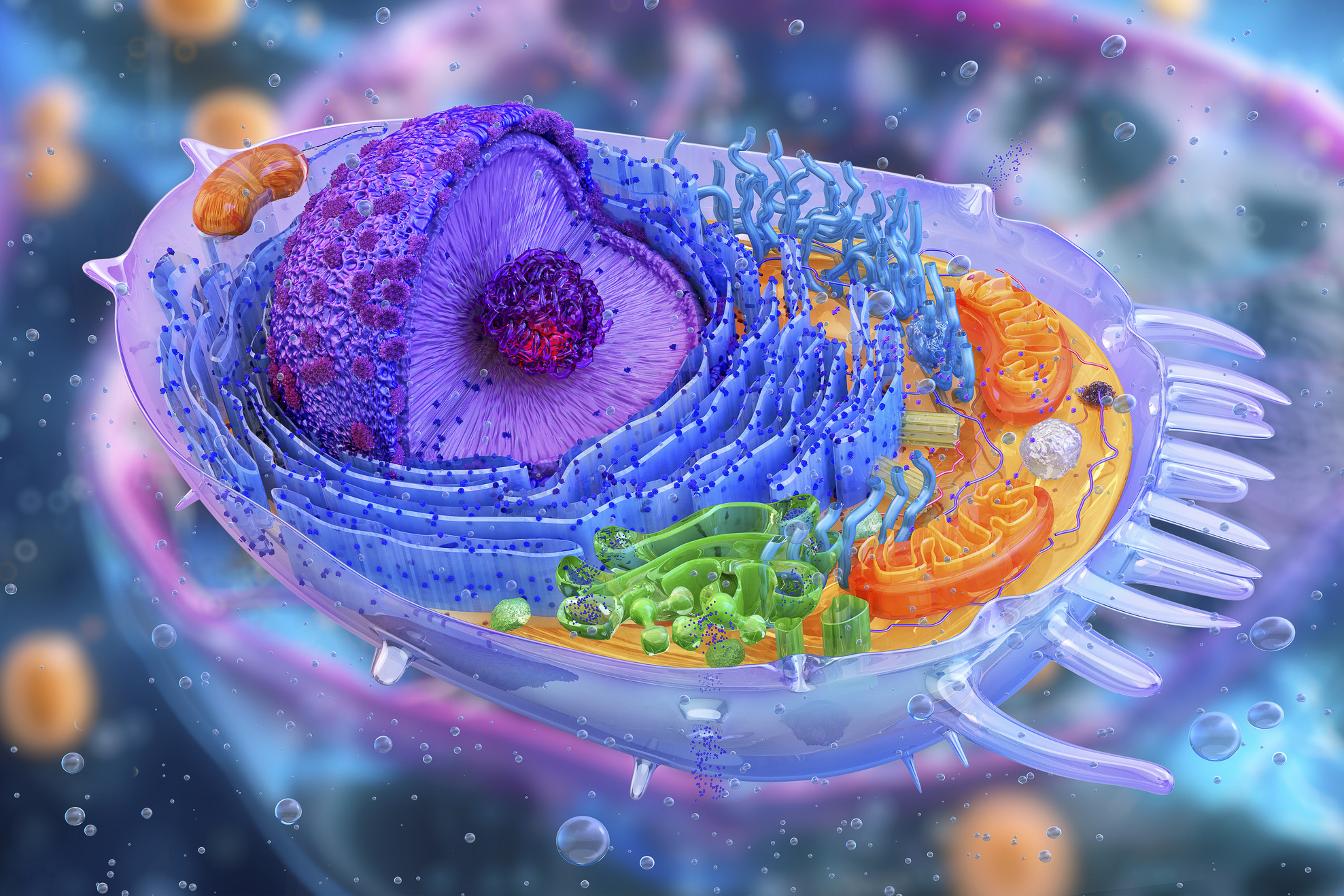
Linking Lysosomal Dysfunction to Severe Neurological Disorders
A new study has identified mutations in a single gene as the cause of a previously unrecognized spectrum of severe neurological disorders, according to a study published in the Journal of Clinical Investigation.
-
Understanding Treatment Response in High-Risk Bladder Cancer
A new study may pave the way toward more personalized treatments for patients with high-risk bladder cancer, according to a study published in European Urology.
-

Reinfection Raises Long COVID Risk in Children and Adolescents
Children and adolescents who are reinfected with SARS-CoV-2 face a significantly higher risk of developing long COVID, according to a large, multi-institutional study published in The Lancet Infectious Diseases.
-

New Tool Collects Biology Data into Cellular Atlases
A new computational method could dramatically accelerate efforts to map the body’s cells in space, according to a study published in Nature Genetics.