Author: Olivia Dimmer
-

Experimental Stroke Drug Slows Bleeding but Doesn’t Improve Recovery
A global clinical trial has found that recombinant factor VIIa, a drug designed to rapidly slow bleeding in the brain after a hemorrhagic stroke, does not improve long‑term recovery for patients, according to a study published in The Lancet
-

Study Finds Widespread Screening for Rare Cholesterol Disorder Not Cost-Effective
Screening all young people for a genetic form of dangerously high cholesterol could prevent heart attacks and strokes later in life, but would not be cost-effective under the current healthcare system, according to a new modelling study published in JAMA.
-
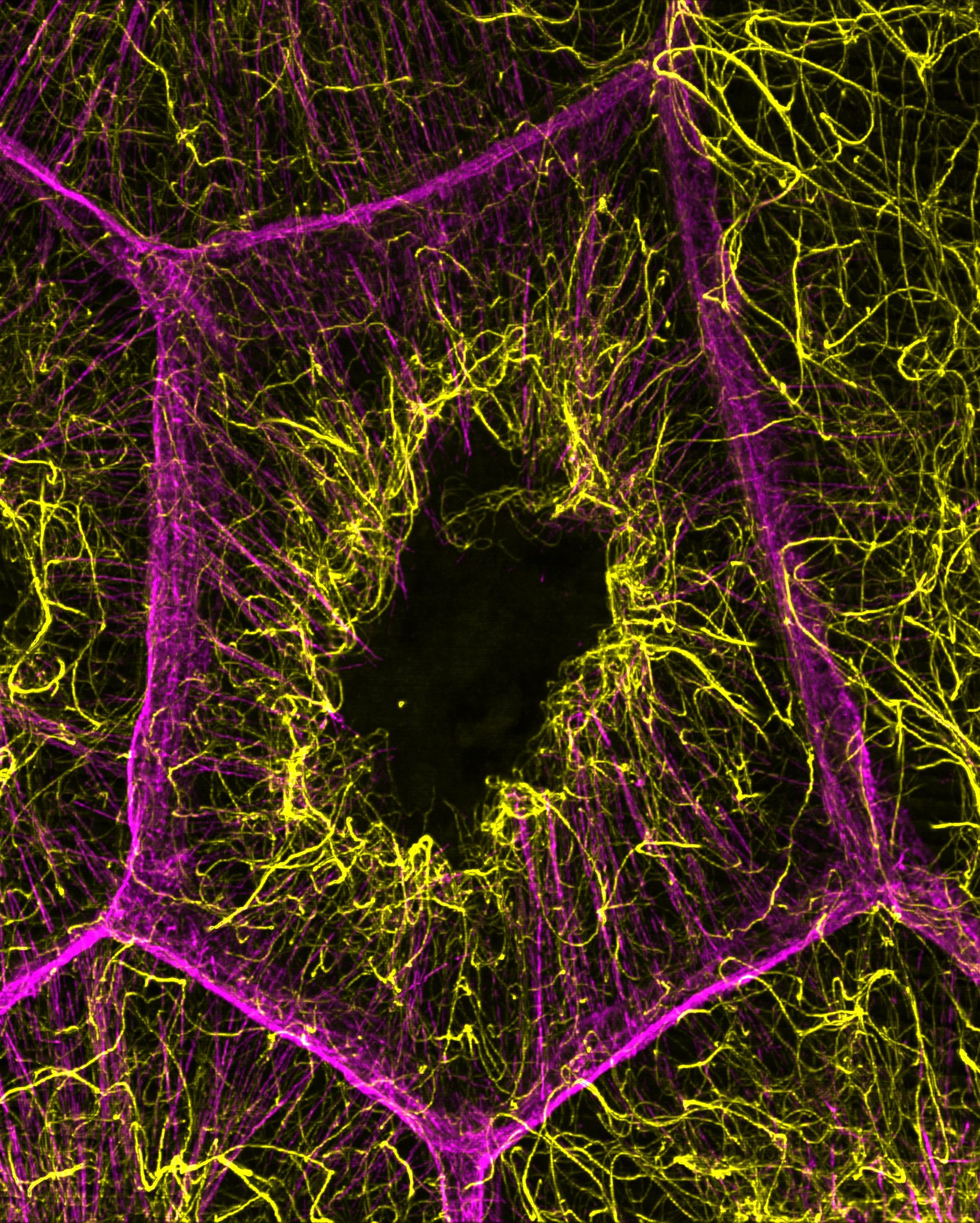
Cells’ Systems Cooperate to Form ‘Scaffolding’ During Egg Development
A Northwestern Medicine study has shed light on one of the most intricate construction projects in biology: how cells build and coordinate the internal scaffolding needed to create a healthy egg, according to a recent study published in the Journal of Cell Biology.
-
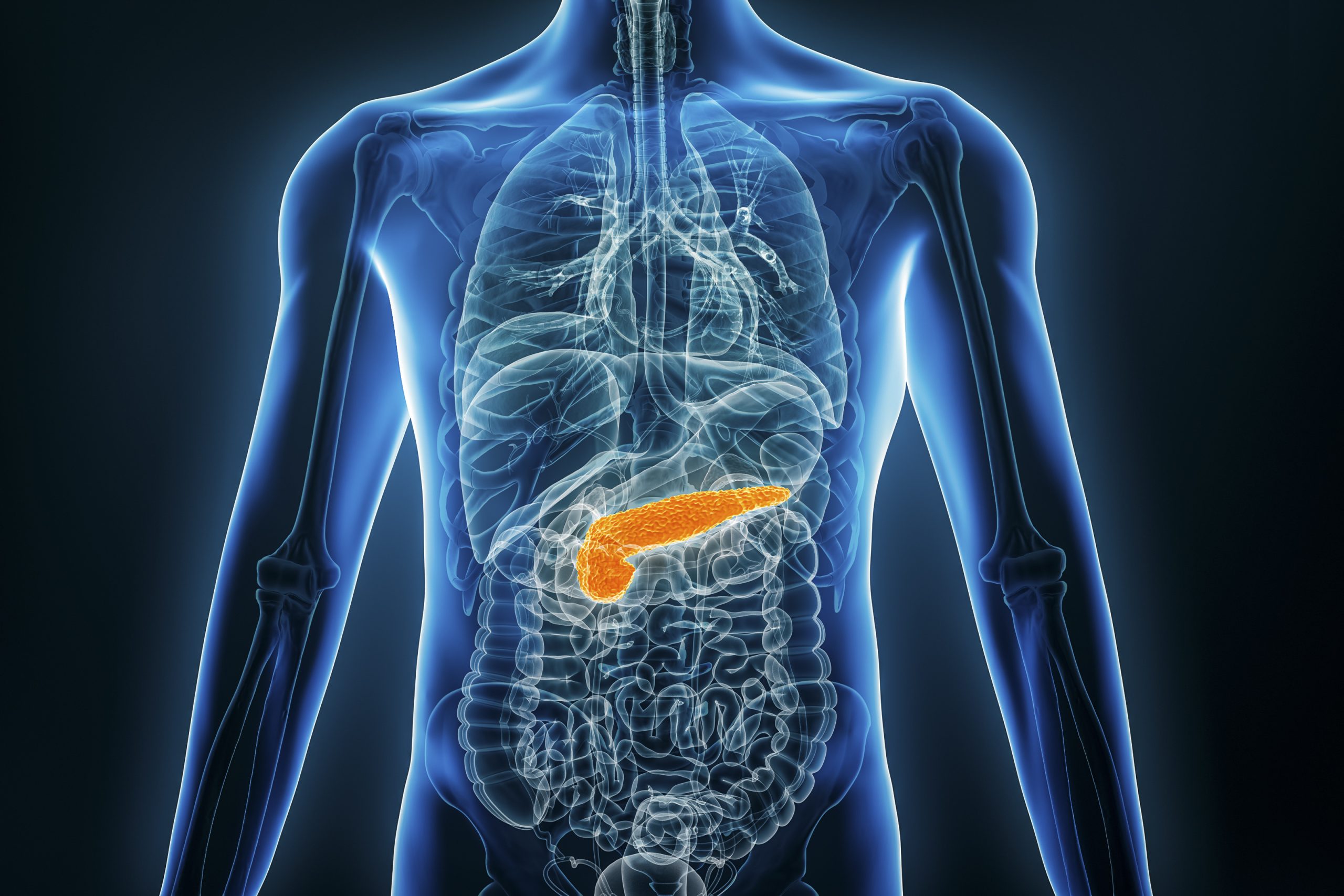
Common Procedure Does Not Prevent Recurrent Pancreatitis, Trial Finds
A multicenter clinical trial published in JAMA has found that a long-used endoscopic procedure does not prevent recurrent pancreatitis in adults with an anatomic anomaly, challenging decades of conventional wisdom.
-
Targeting Key Proteins in Fight Against ALS
Northwestern Medicine scientists have zeroed in on a cellular gatekeeper that may hold promise for treating abnormal protein accumulation in neurodegenerative diseases, according to a study published in Nature Communications.
-

How Inflammation Fuels Blood Cancer Risk
A Northwestern Medicine-led study published in The Journal of Clinical Investigation has uncovered why older individuals with specific genetic mutations face a heightened risk of developing serious blood cancers.
-

Investigating Treatments for Peripheral Artery Disease
A common diabetes medication does not help people with peripheral artery disease (PAD) walk farther, according to results from a major U.S. clinical trial published in JAMA.
-
Experimental Drug Shows Promise for Rare Genetic Disorder
A new experimental therapy has shown encouraging results in treating a rare and progressive lysosomal storage disorder, according to findings from a multi-year clinical trial published in the New England Journal of Medicine.
-
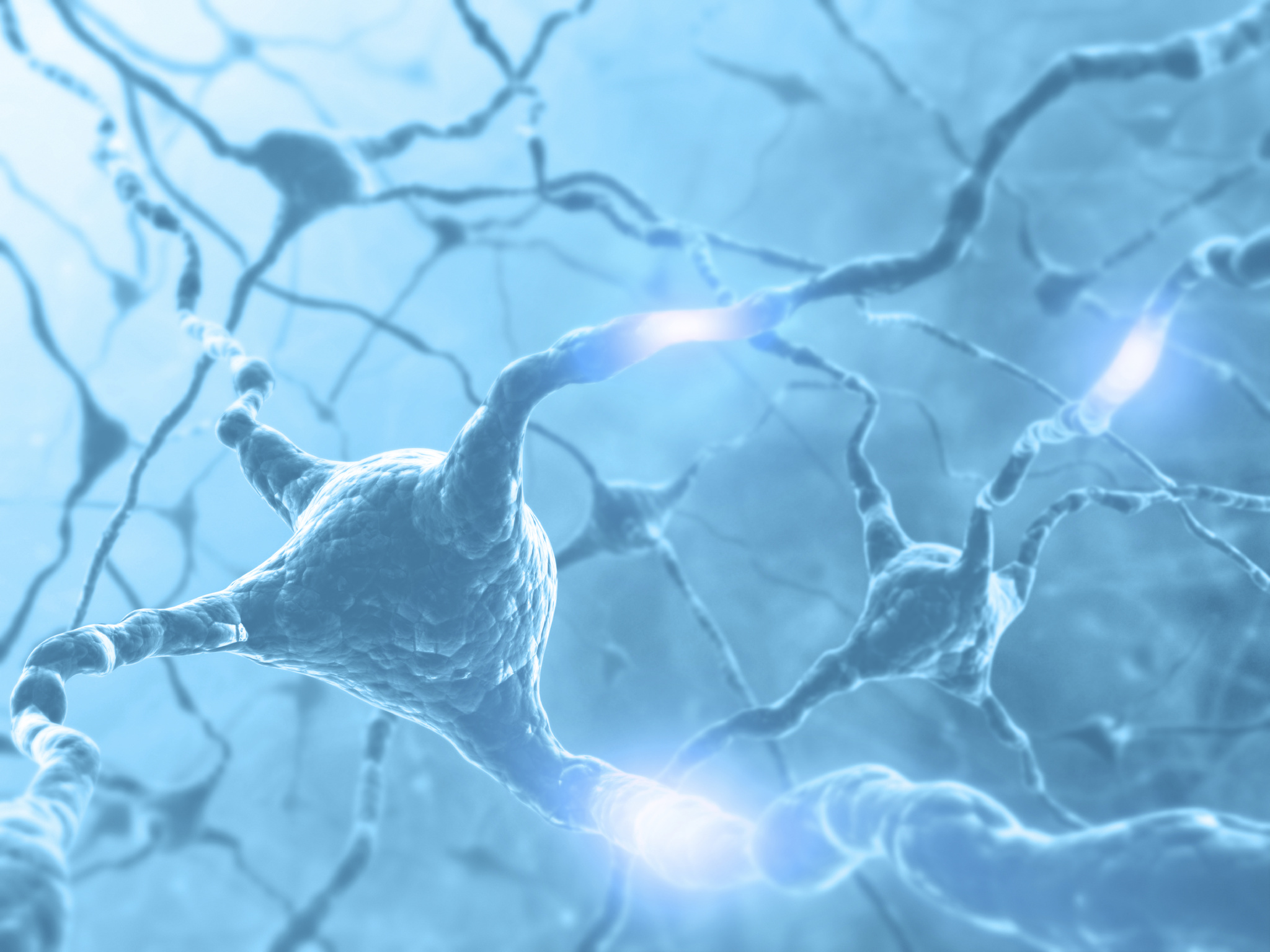
New Treatment Directions for Rare Brain Disorder
A Northwestern Medicine study has uncovered a promising new therapeutic approach for a rare genetic brain disorder, according to findings published in Nature Communications.
-
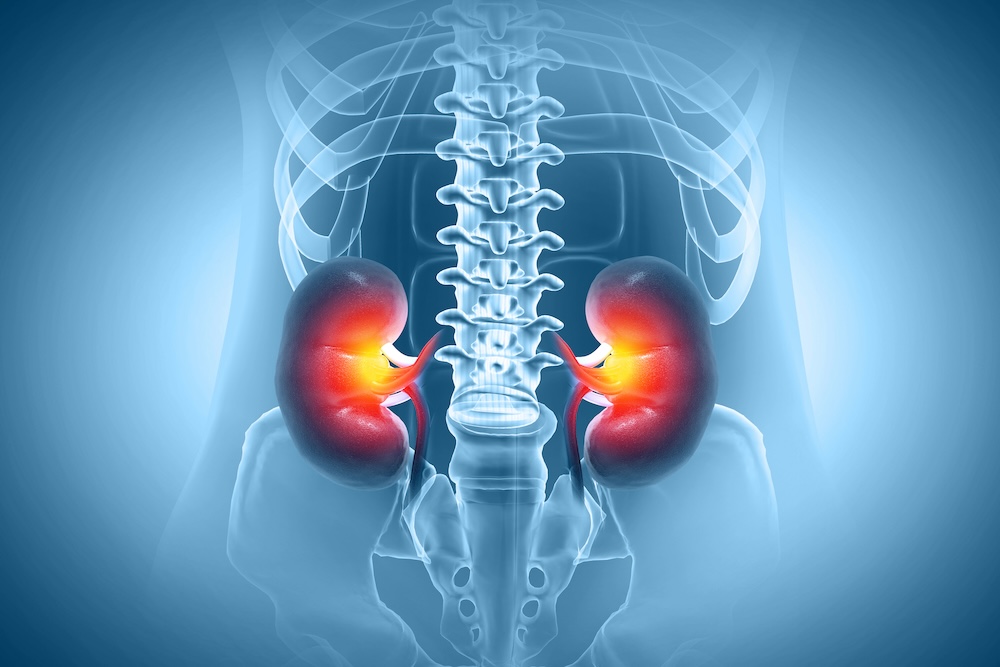
Novel Mechanism Regulates Essential Enzyme Production in Kidneys
Scientists have discovered previously unknown cellular mechanisms that regulate the production of renin, an essential enzyme in the kidney, findings that could improve the understanding of how the kidney regulates its function and how chronic kidney disease develops, according to a recent study published in Cell.