Search results for: “shilatifard+published”
-
Protein Implicated as Driver of Lung Cancer
Northwestern Medicine scientists have uncovered how a testis-specific protein contributes to tumor growth and progression when it is mis-expressed in lung cancer, according to a study published in Science Advances.
-

Novel Mechanism Eliminates ‘Bad’ Enzyme During Gene Expression
Northwestern Medicine investigators have discovered a novel mechanism that recognizes and eliminates ‘bad’ transcriptional elongation enzymes during gene expression, findings that may inform the understanding of adrenal diseases, according to a recent study published in Science Advances.
-
Novel Technique May Accelerate Study of Gene Regulation
Investigators from the laboratory of Ali Shilatifard, PhD, have developed a novel technique to precisely and efficiently study gene regulation, which may accelerate the development of new therapeutic strategies, according to a recent study published in Molecular Cell.
-

Understanding Cellular Transcription Responses to Oxygen Deprivation
A multiprotein complex is essential for regulating cellular transcription response to oxygen deprivation, a key feature of cancer, according to a Northwestern Medicine study published in the Proceedings of the National Academy of Sciences.
-

Novel Role for Metabolites in Cellular Metabolism Discovered
Investigators led by Issam Ben-Sahra, PhD, have discovered how cellular metabolism fluctuates in response to changes in levels of pyrimidines, metabolites used by cells to make DNA and RNA, according to a recent study published in Science.
-
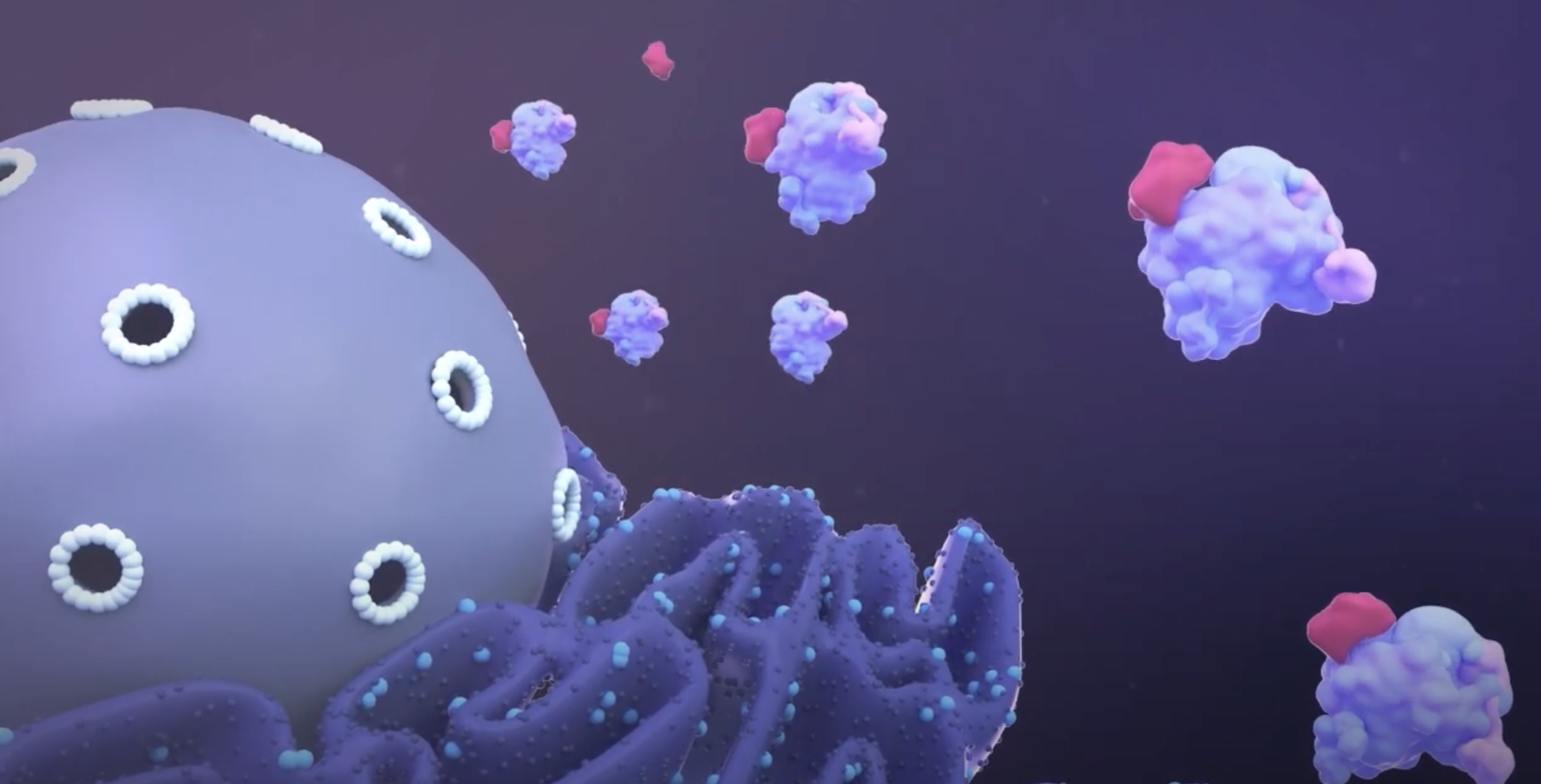
Localized Genetic Mutations May Serve as Biomarker for Wide Range of Cancers
Northwestern Medicine investigators have successfully localized novel molecular mechanisms behind a genetic mutation found in a wide range of cancers, which could serve as a biomarker for improving patient stratification and treatment, according to findings published in Proceedings of the National Academy of Sciences.
-
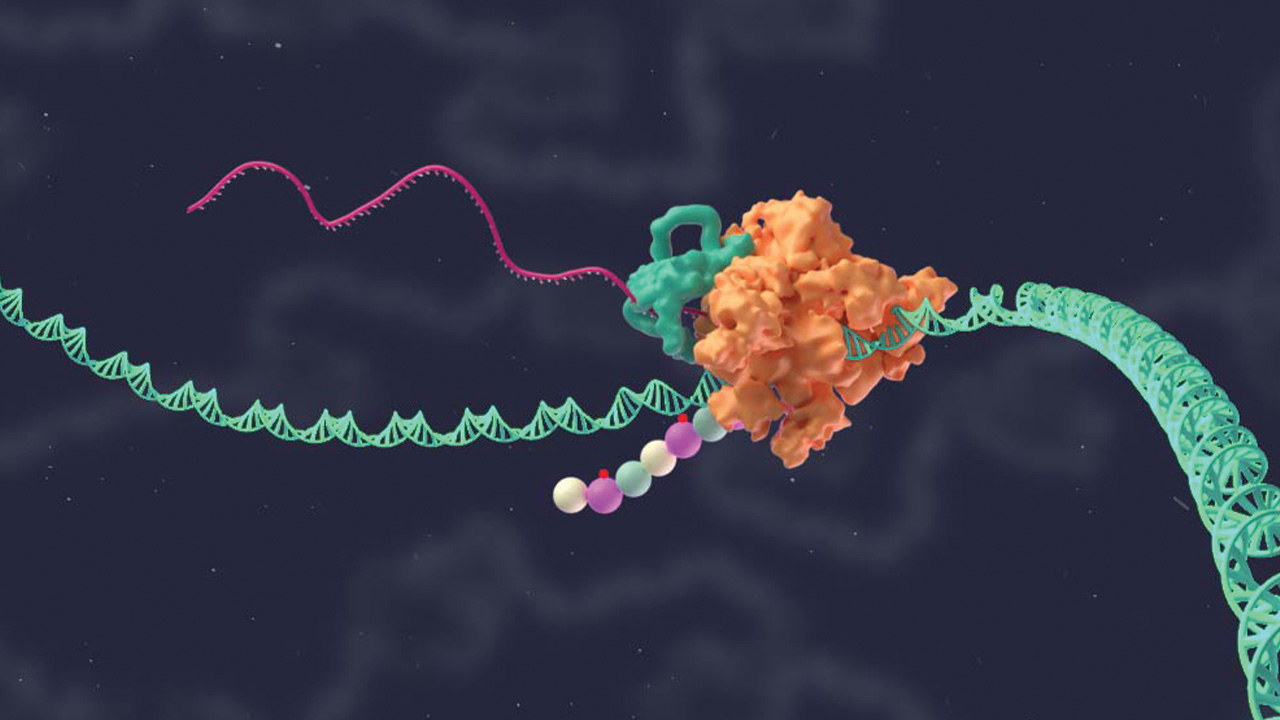
New Human Gene Cluster Sequence Discovered
Investigators from the laboratory of Ali Shilatifard, PhD, have discovered a new repeat gene cluster sequence that is exclusively expressed in humans and non-human primates, according to findings published in Science Advances.
-
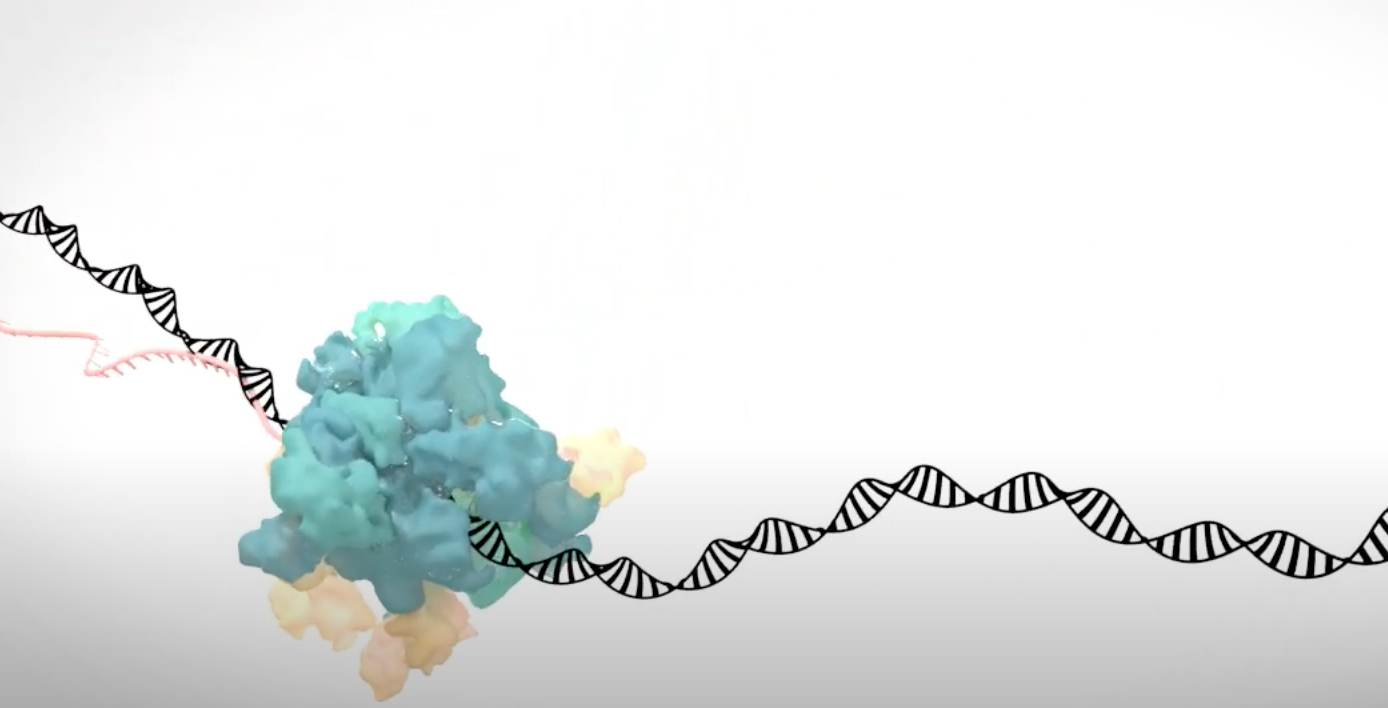
Exploring Transcription Elongation Control in Development, Disease and Aging
In a recent article published in Molecular Cell, the laboratory of Ali Shilatifard, PhD, provided a comprehensive overview of the current understanding of the elongation stage of DNA transcription and how its dysregulation is associated with developmental defects, disease and aging.
-
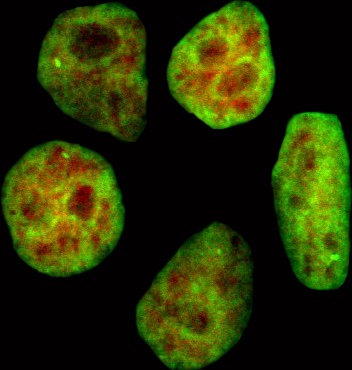
Investigating the Link Between Iron Deficiency and Regulation of Cell Growth
Northwestern Medicine investigators have uncovered new mechanisms by which iron deficiency inhibits cell growth and proliferation in eukaryotic cells, findings that could improve the understanding of cancer growth and the development of targeted cancer therapies.
-

Understanding Metabolites Underlying Eye Development
Aerobic glycolysis, the process by which cells transform glucose into lactate, is essential for eye development in mammals, according to a new Northwestern Medicine study published in Nature Communications.