Tag: Urology
-

Combination Therapy Shows Promise in High-Risk Prostate Cancer, Study Finds
A large international clinical trial has found that adding the drug apalutamide to standard hormone therapy before and after prostate cancer surgery significantly improves outcomes for men with high-risk disease, according to details published in The New England Journal of Medicine.
-
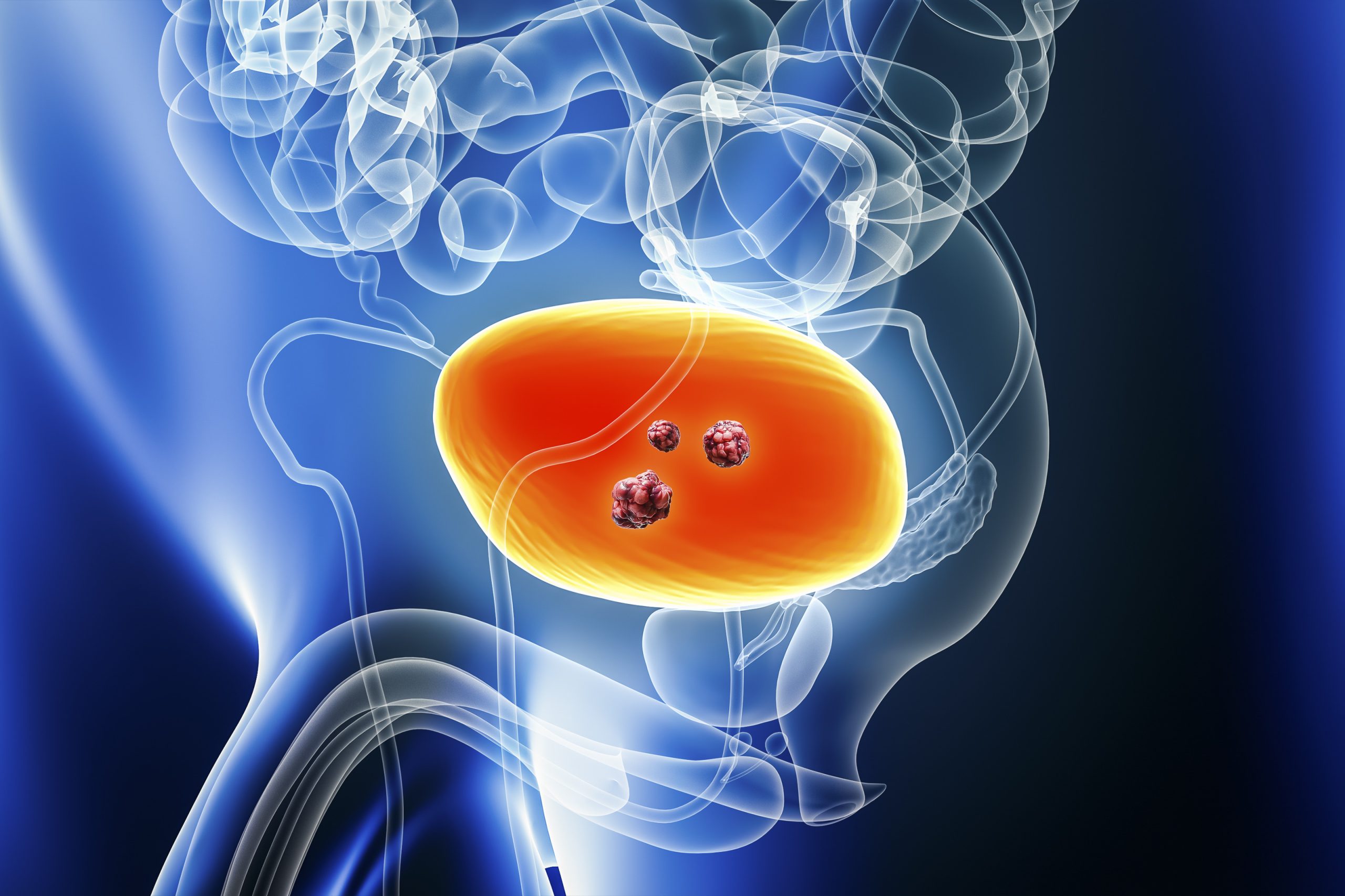
Immune Biomarkers May Predict Response to Bladder Cancer Treatment
A Northwestern Medicine study has offered new clues as to why immunotherapy works well for some bladder cancer patients but fails for others, according to a study published in the Journal of Clinical Investigation.
-
Understanding Treatment Response in High-Risk Bladder Cancer
A new study may pave the way toward more personalized treatments for patients with high-risk bladder cancer, according to a study published in European Urology.
-

Understanding Cancer’s Hidden Vulnerabilities
Northwestern Medicine scientists have uncovered an unexpected role for a well-known cancer-related protein, revealing a new layer of genetic regulation that could reshape how certain cancers are treated.
-

Long Non-Coding RNA May be a Promising Therapeutic Target for Cancer
Northwestern Medicine scientists have discovered that a specific long non-coding RNA activates oncogenic signaling pathways in prostate cancer cells and drives tumor progression, underscoring its potential as a therapeutic target, according to a recent study published in Nature Communications.
-

AI Model May Improve RNA Sequencing Research
Scientists in the laboratory of Rendong Yang, PhD, have developed a new large language model that can interpret transcriptomic data in cancer cell lines more accurately than conventional approaches, as detailed in a recent study published in Nature Communications.
-
Exploring the Link Between RNA Modification and Prostate Cancer Growth
A Northwestern Medicine study published in the Journal of Clinical Investigation has uncovered a connection between a well-known cancer-related protein and a major RNA modification process, which may inform new treatment strategies against prostate cancer.
-
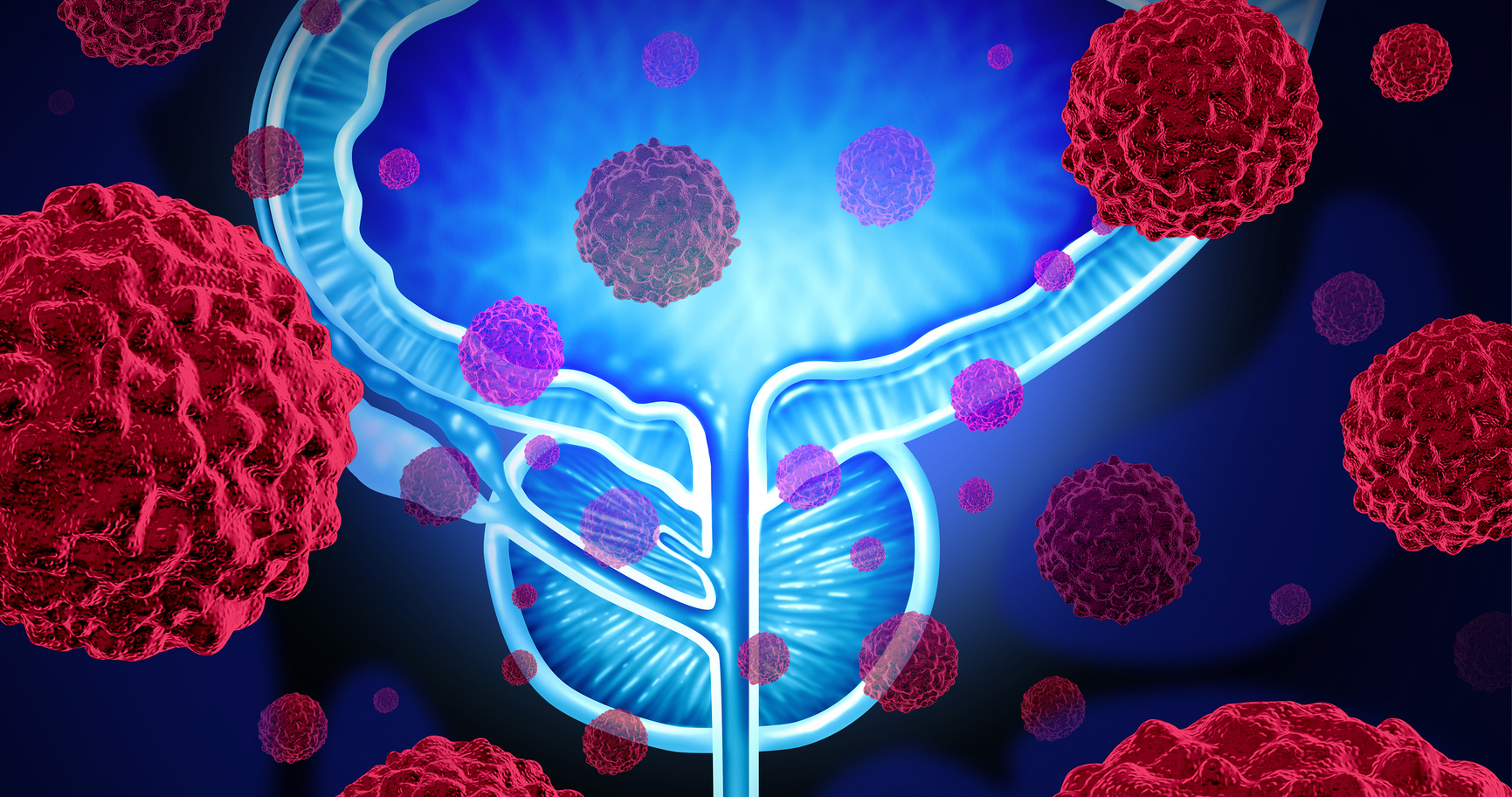
Identifying Biomarkers to Guide Prostate Cancer Treatment
Biological markers may help predict which patients will benefit most from specific therapies to treat prostate cancer, according to a study published in the journal Cell.
-
Combination Approach May Improve Cancer Treatment Efficacy
Northwestern Medicine investigators have discovered a new combination approach that may improve the efficacy of MYC inhibitor drugs for treating aggressive and treatment-resistant cancers, according to a recent Northwestern Medicine study published in Science Advances.
-
Targeting Tumor Metabolism to Trigger Cancer Cell Death
Northwestern Medicine scientists have developed a promising approach to killing treatment-resistant cancer cells by exploiting their hidden metabolic vulnerabilities, according to a study published in the Proceedings of the National Academy of Sciences (PNAS).