Tag: Research
-
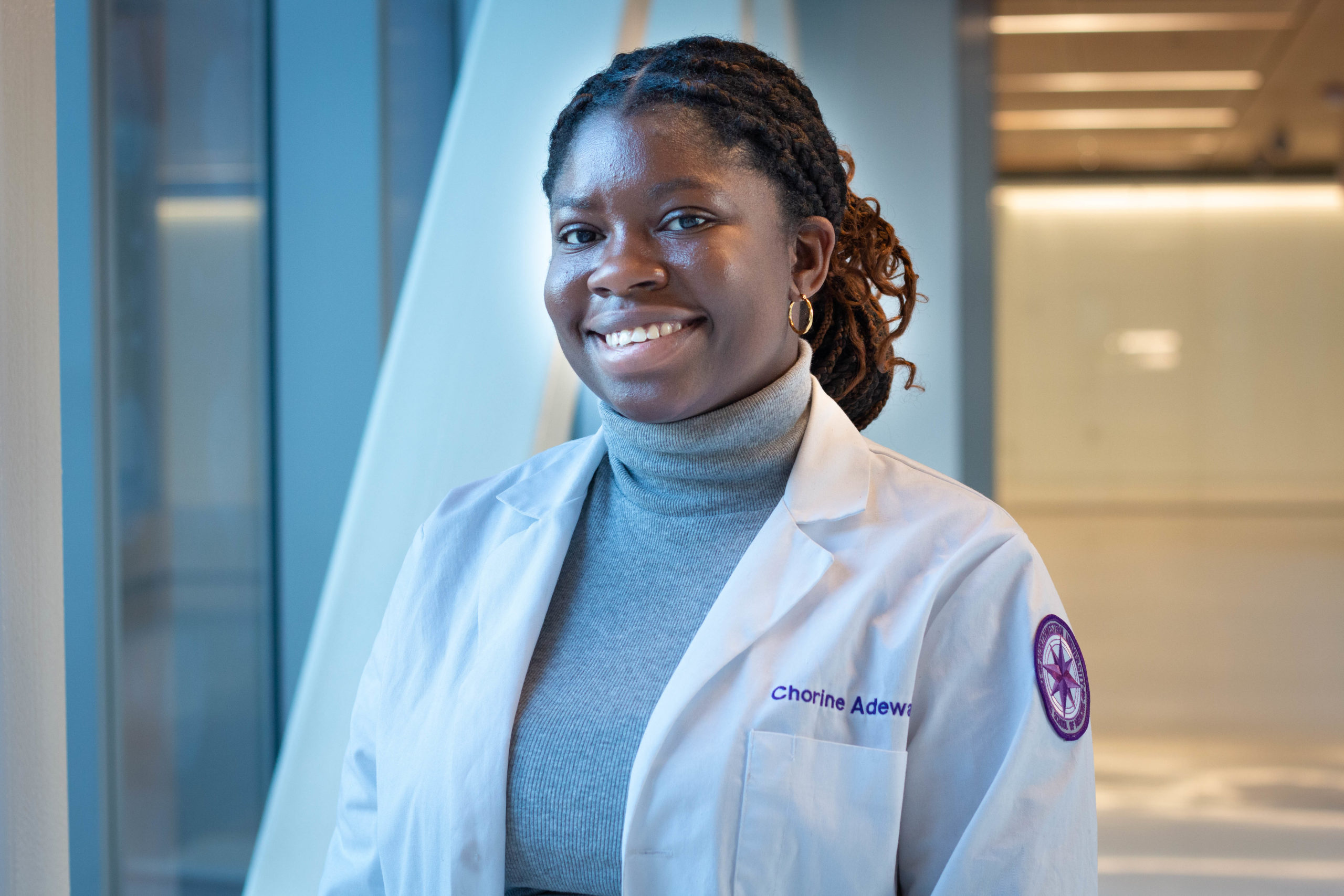
Medical Student Investigates Disparities in LGBTQ Healthcare
Chorine Adewale, a second-year medical student, analyzed data from a Chicago-based LGBTQ healthcare provider and found some patients may not be properly diagnosed because criteria don’t account for trans and gender non-conforming patients.
-

Global Health Day Highlights Education, Research and Outreach
Feinberg’s Robert J. Havey, MD Institute for Global Health hosted the 11th annual Global Health symposium on December 2, celebrating global health research, education and outreach efforts from Feinberg global health investigators, faculty, students and community partners.
-

Disability Advocacy Coalition Conference Fosters Inclusion, Education
Medical students and disability advocates gathered at the second Disability Advocacy Coalition in Medicine Interprofessional Virtual Conference to address ableism in medicine and medical education.
-
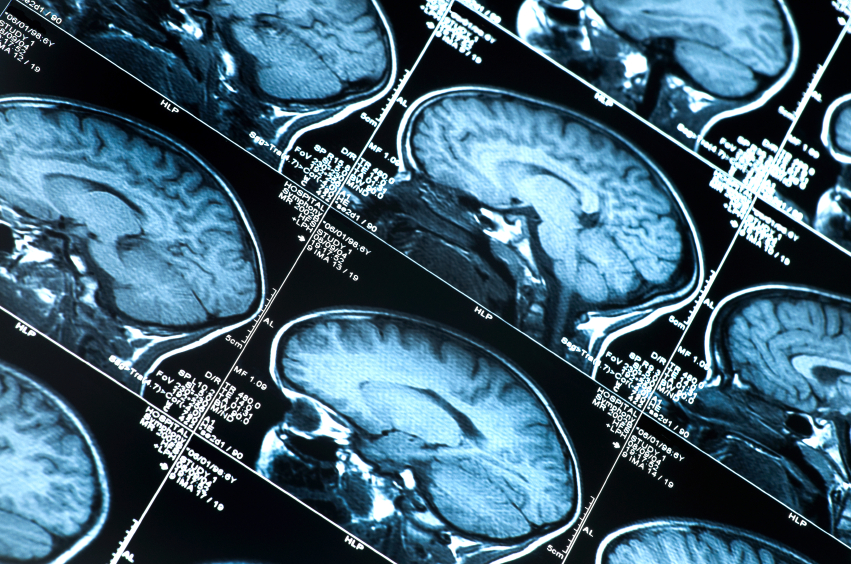
Study Identifies Novel Epigenetic Changes in Pediatric Brain Cancer
Investigators have identified previously unknown sets of epigenetic changes in pediatric brain tumors, which could serve as novel therapeutic targets and provide alternative treatment options.
-

Re-Examining Antibodies’ Role in Childhood Allergies
The presence of food-specific IgA antibodies in the gut does not prevent peanut or egg allergies from developing in children, according to a Northwestern Medicine-led study published in Science Translational Medicine.
-

New Center for Collaborative AI in Healthcare
The Institute for Artificial Intelligence in Medicine (I.AIM) has established the Center for Collaborative AI in Healthcare, with the mission of advancing artificial intelligence science, engineering and translation throughout healthcare specialties and create a positive impact on precision medicine.
-

Feinberg Investigators Featured on Global ‘Highly Cited’ List
Twelve faculty with appointments at Feinberg were named to the 2022 “Highly Cited Researchers” list, published by Clarivate Analytics.
-

Genetic Testing for Epilepsy Improves Patient Outcomes
Genetic testing in epilepsy patients can inform treatment and lead to better outcomes in many cases, according to a study published in JAMA Neurology.
-

Beyond Biology: Using the Fundamentals of Synthetic Biology to Address Complex Problems
At Feinberg, scientists are pursuing synthetic biology research to address the health challenges and diseases that humans face.
-

Northwestern Investigates COVID-19: Maternal Vaccinations, Burnout and Therapeutic Targets
Northwestern Medicine investigators continue to study the impact of the COVID-19 pandemic on health outcomes and society, from maternal vaccinations and antibody response to reducing burnout amongst healthcare workers and identifying novel therapeutic targets.