Tag: Research
-
Hospital Volume Not Associated With Quality of Heart Failure Care
A recent trend of using hospital volume as a surrogate measure of cardiovascular care may not accurately represent quality, according to a recent study published in Circulation.
-
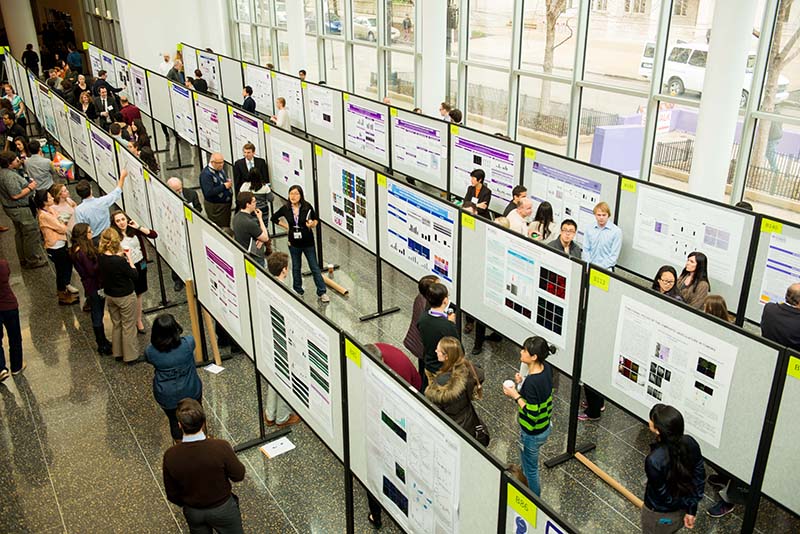
Keynote Speaker Announced for Lewis Landsberg Research Day 2018
Mina J. Bissell, PhD, will deliver the keynote address at Feinberg’s 14th Annual Lewis Landsberg Research Day.
-

Scientists Develop New Tool to Study Nicotine Receptors
A team of scientists has developed a new technique that allows investigators to better study the effects of nicotine on brain cells.
-
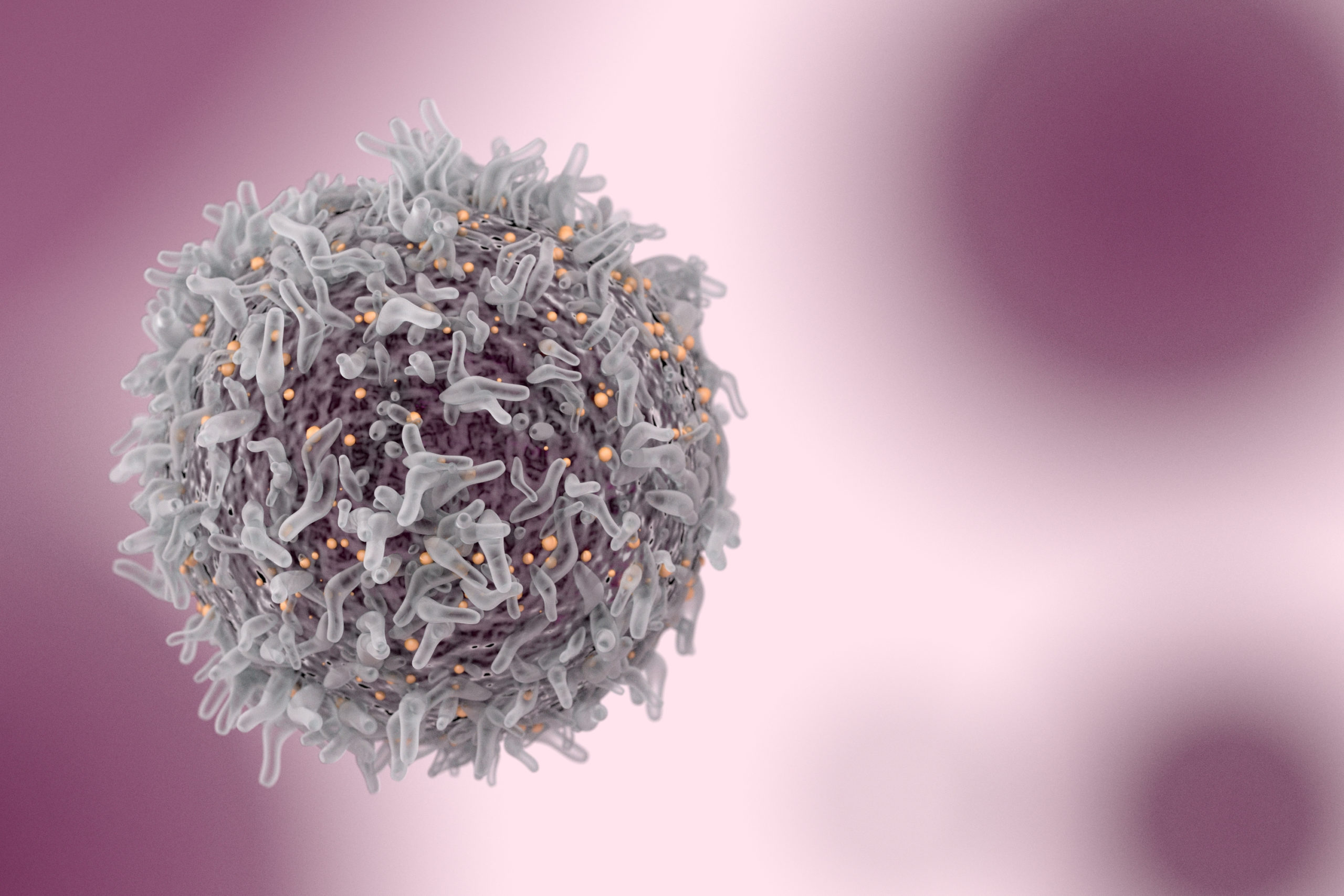
Obesity Linked to Improved Survival in Male Melanoma Patients
A new study has found that obese patients with metastatic melanoma live significantly longer than those with a normal body mass index — especially male patients treated with targeted or immune therapy.
-
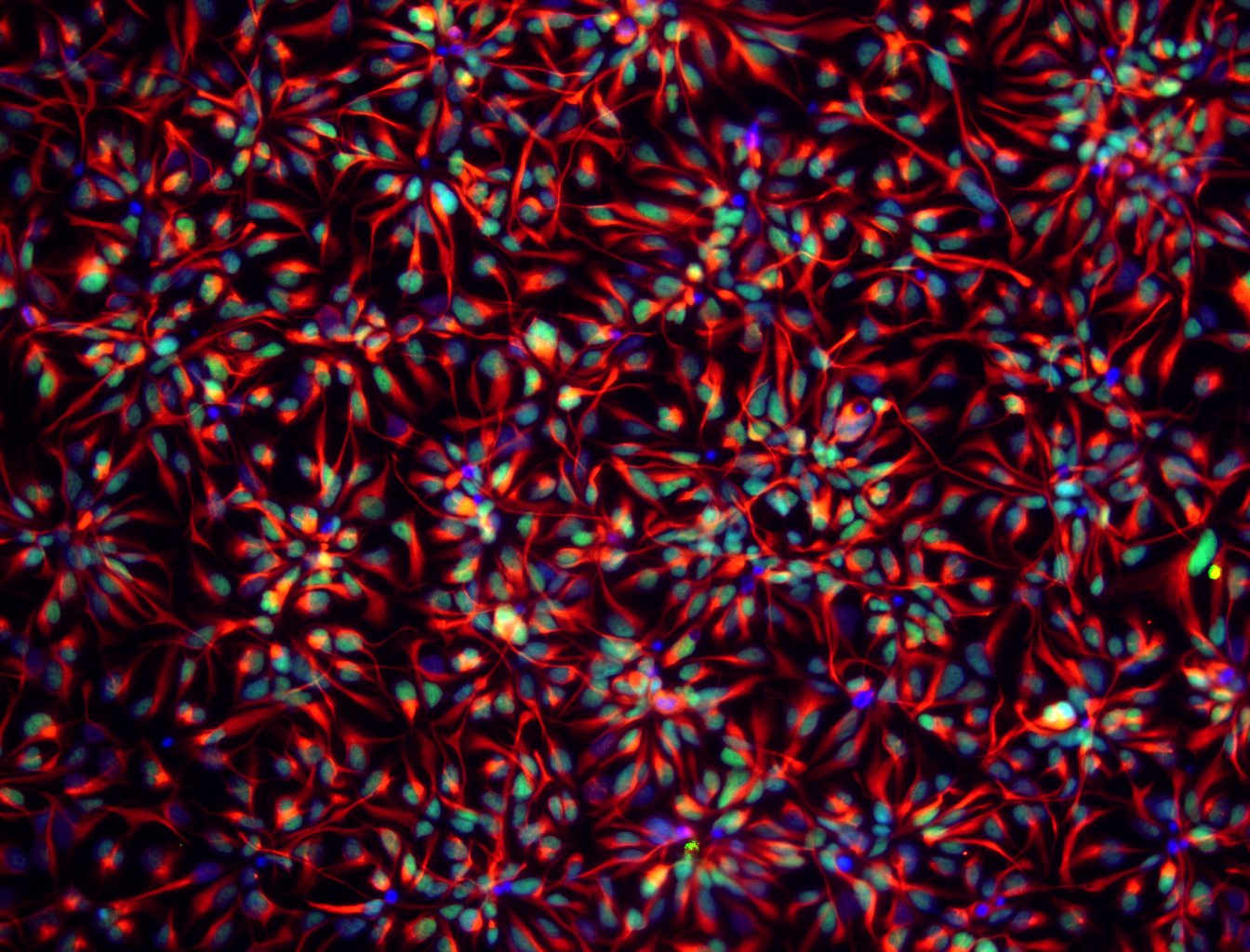
DNA Methylation Plays Key Role in Stem Cell Differentiation
Northwestern Medicine scientists have uncovered how DNA methylation triggers stem cells to transform into more specialized neuronal cells.
-

Rheumatoid Arthritis Meets Precision Medicine
A new study demonstrates how physicians can use genetic profiling of joint tissue to see which drugs will work for which patients.
-

Curated Cancer Care
Physicians and scientists in the Lurie Cancer Center’s OncoSET program are teaming up to help pioneer precision oncology.
-

Feinberg Again Ranks Among Best Medical Schools in the Nation
Feinberg has been named as one of the top 20 best research-oriented medical schools in the country, according to the latest U.S. News & World Report rankings.
-
Shorter Treatment for Hepatitis C Shown To Be Equally Effective
A new, shorter drug regimen to treat certain types of Hepatitis C was found to be as effective as the current, longer treatment, according to the findings of a large multi-center trial published in the New England Journal of Medicine.
-
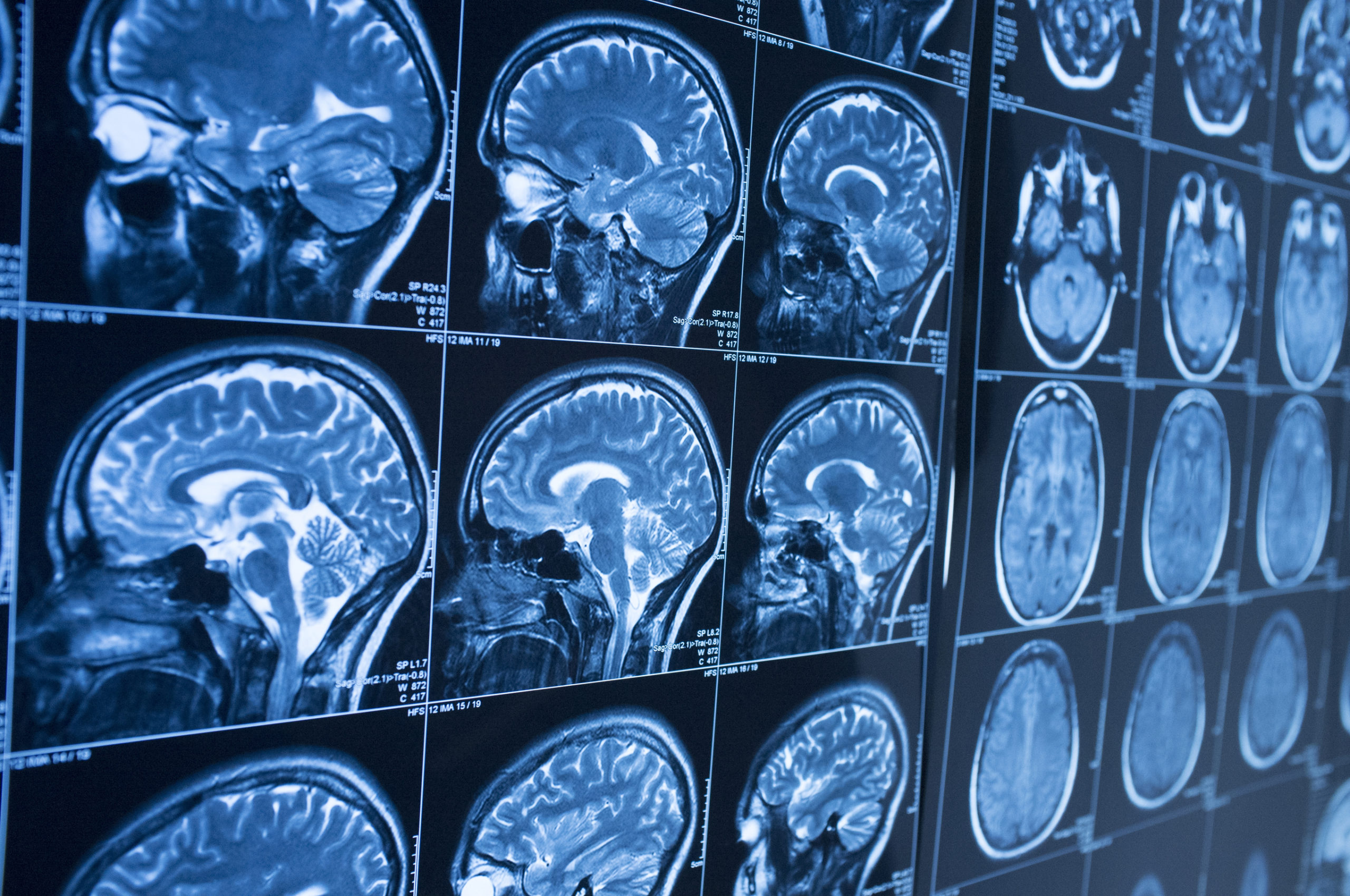
Machines See the Future for Patients Diagnosed With Brain Tumors
Scientists have developed software that can forecast the survival of patients diagnosed with glioma that is more accurate than physicians’ predictions.