Tag: Research
-

Drug Regimen Improves Survival in Lymphoma
A drug called brentuximab vedotin combined with chemotherapy significantly improved overall survival for patients with a type of T-cell lymphoma, according to a clinical trial in The Lancet.
-

Resilience May Be Neurobiological
A new study aims to answer a resilience puzzle: Why second-hand experiences of neighborhood violence affect some youth, but not others.
-
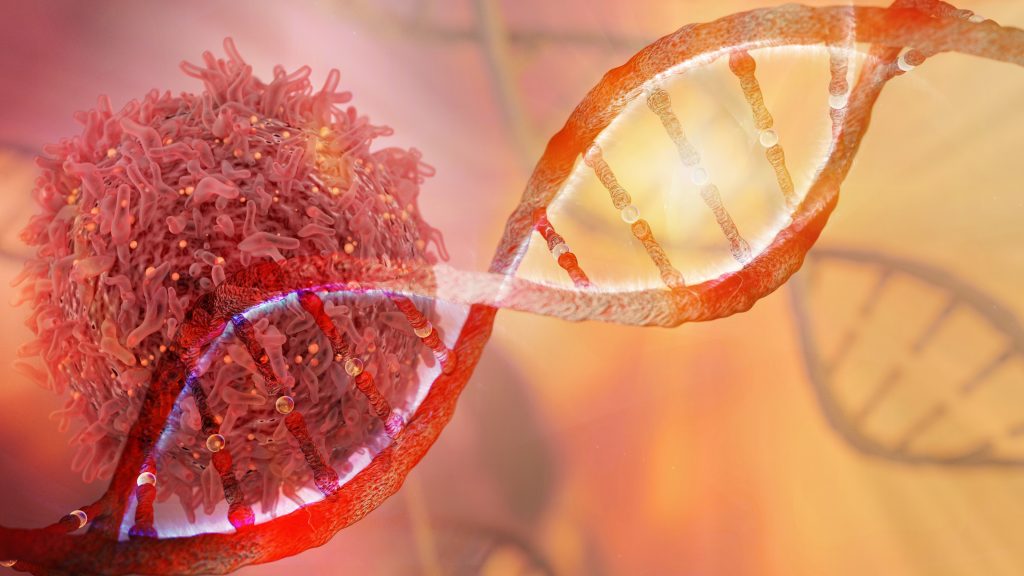
New Understanding of Enzyme’s Role in Prostate Cancer
Northwestern Medicine scientists have discovered that an enzyme called EZH2 can activate expression of the androgen receptor gene, which drives prostate cancer growth.
-
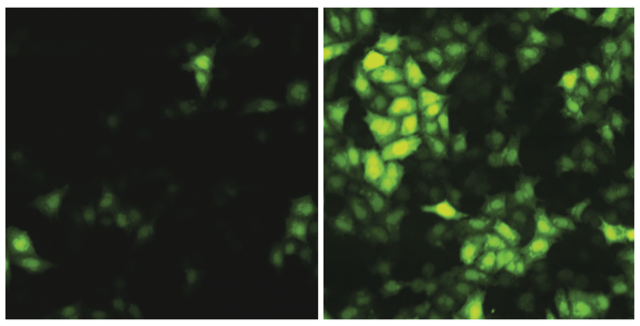
Ebola-Fighting Protein Discovered
A human protein called RBBP6 helps fight the Ebola virus by interfering with the virus replication cycle, according to a study recently published in Cell.
-

Inflammatory Bowel Disease Linked to Prostate Cancer
Men with inflammatory bowel disease have four to five times higher risk of prostate cancer, according to a new 20-year study.
-
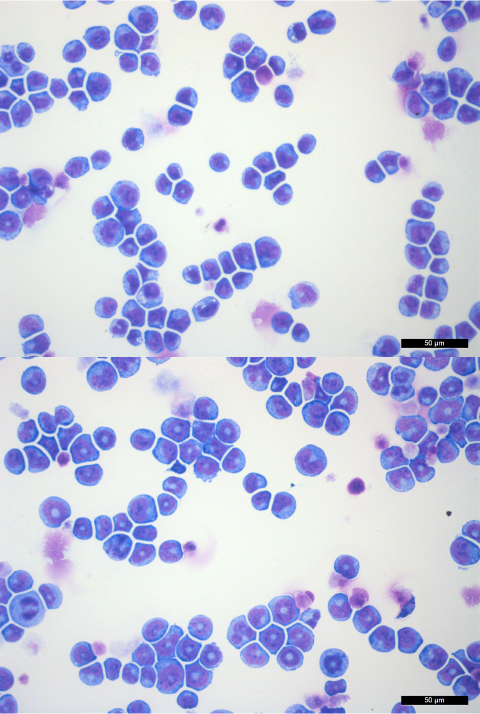
New Regulator of Leukemia Discovered
Inhibiting CHAF1B, a protein that normally helps replenish blood cells, may be a promising treatment for leukemia, according to a recent study.
-

IPHAM Hosts Inaugural Population Health Forum
Feinberg faculty, staff, students and community partners gathered at the inaugural IPHAM Population Health Forum to share their experience improving the health of communities in Chicago and around the world.
-
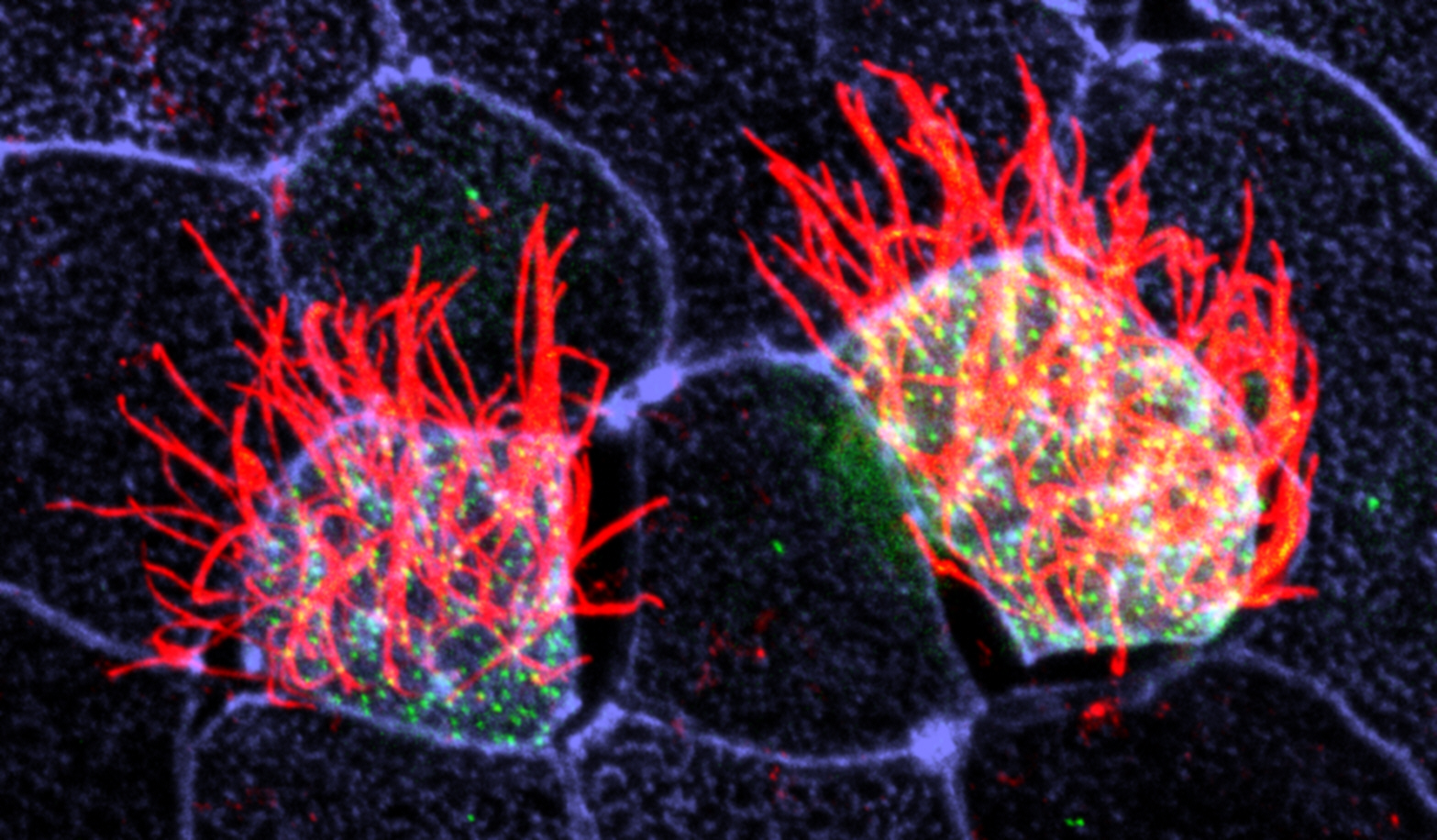
Celebrating Our 2018 Discoveries
From fundamental new understandings of the cell published in Nature to landmark clinical trials in the New England Journal of Medicine and cross-disciplinary collaborations in Science Translational Medicine, investigators throughout our institution have advanced new knowledge that is already transforming their diverse fields.
-

World’s Smallest Wearable Device Warns of UV Exposure, Enables Precision Phototherapy
The world’s smallest wearable device has been developed by Northwestern scientists, to measure exposure to light across multiple wavelengths.
-

New Therapeutic Target Identified in Prostate Cancer
A Northwestern Medicine study has revealed new insights into a pathway in prostate cancer and identified a potential new therapeutic target for aggressive disease.