Tag: Research
-

Mitochondrial Defects Contribute to Muscular Disease
A new study published in Developmental Cell discovered a link between a previously unknown mitochondrial process and Charcot-Marie-Tooth disease Type 2, a genetic neuropathy.
-

Millennial Lung Health Is Focus of New $24.8 Million Grant
A first-of-its-kind longitudinal study led by Northwestern Medicine will track young adults’ lung health nationwide to better understand the key risk factors and biomarkers associated with impaired lung health.
-

Restrictions on Electronic Medical Records Show Little Benefit
Restricting physicians’ ability to view multiple patient records at the same time did not reduce wrong-patient orders, according to a large clinical trial published in JAMA.
-

Self-Management Intervention Improves Asthma Outcomes in Older Adults
A targeted intervention to support asthma self-management significantly improved outcomes and medication adherence among older adults with asthma, according to a new study published in JAMA Internal Medicine.
-

Many Preventive Antibiotics Prescribed by Dentists Are Unnecessary
More than 80 percent of antibiotics prescribed before dental procedures to prevent infection are unnecessary, according to a study published in JAMA Network Open.
-

Cell Polarity Linked to Cell Adhesion
Scientists discovered a new link between cell polarity and cell adhesion, according to a study published in the Journal of Cell Biology.
-
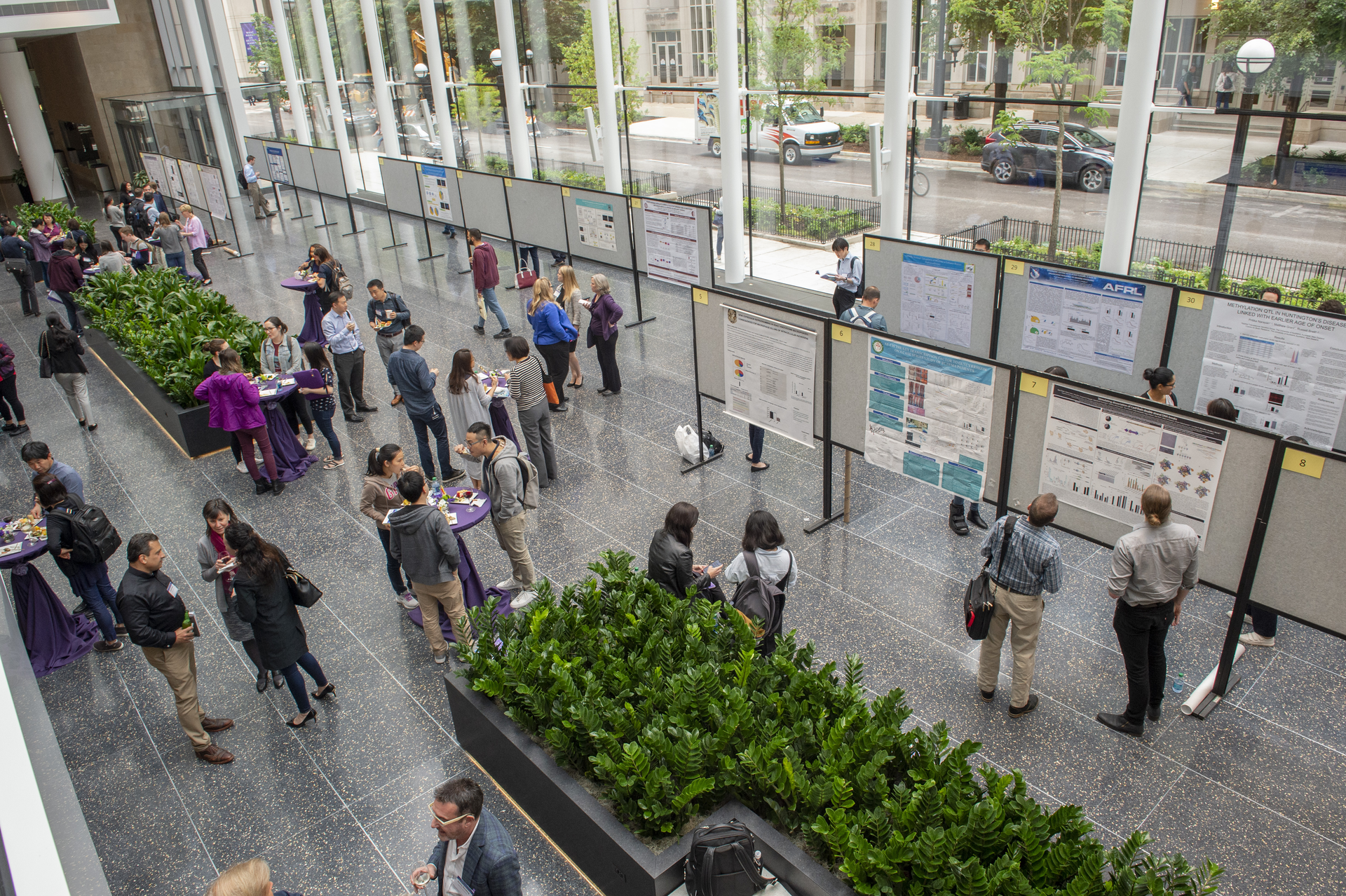
Feinberg/Nature Conference Explores Epigenetics
Feinberg partnered with Nature Genetics and Nature Medicine to host the Chicago Science 2019: Epigenetics and Genome Editing conference.
-

Northwestern Opens Largest Biomedical Academic Research Building in U.S.
The Louis A. Simpson and Kimberly K. Querrey Biomedical Research Center – the largest new building dedicated to biomedical research at a US medical school – has officially opened.
-

Radiation Plus Chemotherapy Doesn’t Improve Endometrial Cancer Recurrence-Free Survival
In a surprising new finding, radiation combined with chemotherapy did not increase recurrence-free survival in women with stage III/IVA endometrial cancer following surgery.
-

MD/PhD Student Stays Engaged With Student Development, Advocacy Initiatives
Radhika Rawat, a student in the Medical Scientist Training Program, discusses how she plays an active role in the medical school and maintains balance outside of her MD/PhD studies.