Tag: Research
-

Gestational Diabetes Rose Every Year in the US Since 2016
Gestational diabetes rose every single year in the U.S. from 2016 through 2024, according to a new Northwestern Medicine analysis of more than 12 million U.S. births.
-

Understanding the Link Between Nucleotide Metabolism and Chromatin Assembly
A Northwestern Medicine study has revealed a connection between two fundamental cellular processes, offering fresh insight into how human cells build and maintain chromatin, according to findings published in Molecular Cell.
-
Tanning Beds Triple Melanoma Risk, Potentially Causing Broad DNA Damage
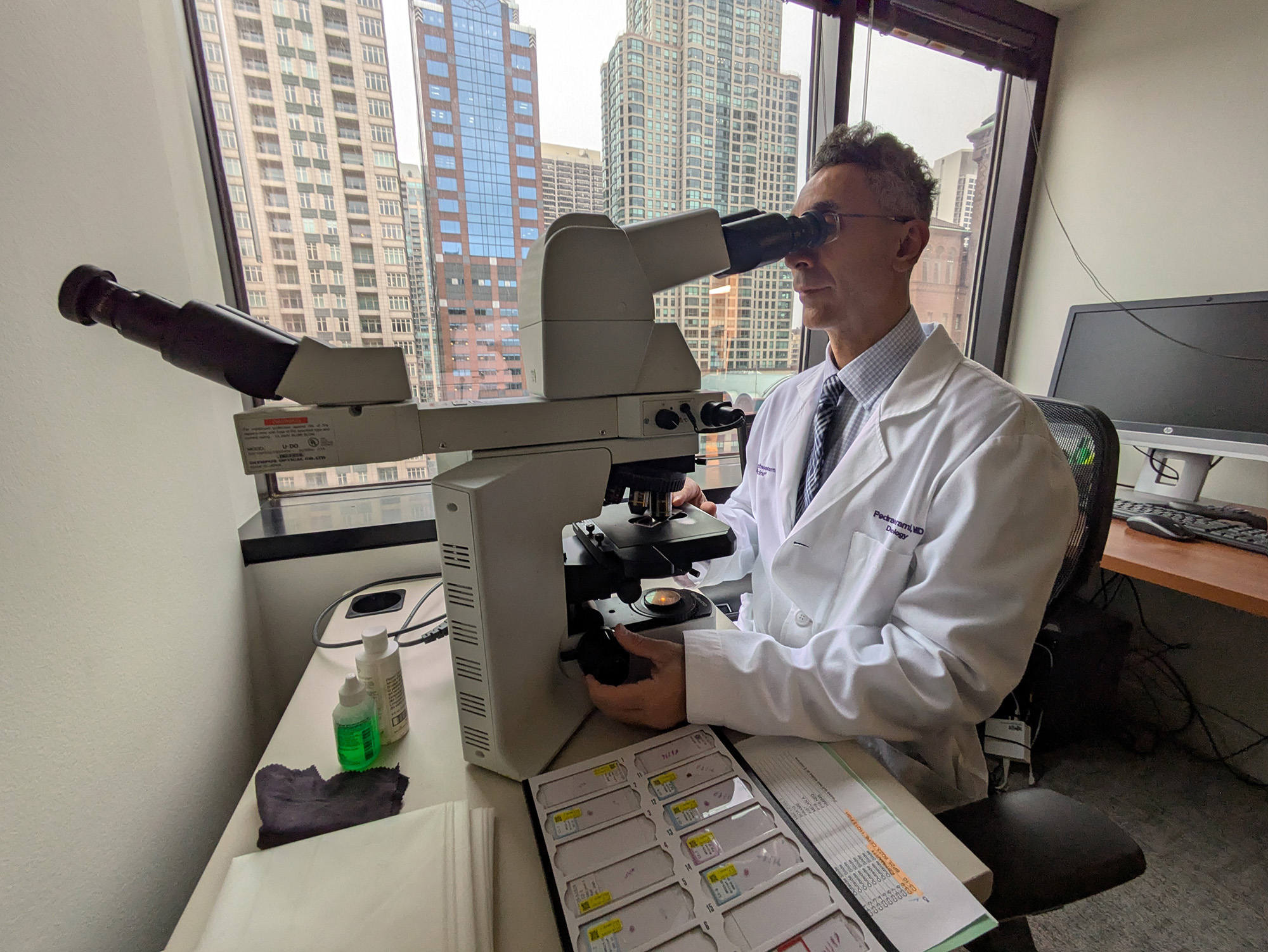
Tanning bed use is tied to almost a threefold increase in melanoma risk, and for the first time, scientists have shown how these devices cause melanoma-linked DNA damage across nearly the entire skin surface, according to a recent study.
-

Hypervigilance, Anxiety Linked to Poor Treatment Outcomes in Esophageal Disorder
Increased esophageal hypervigilance and anxiety were associated with worse post-treatment symptoms and poor quality of life in patients with achalasia, a rare esophageal motility disorder, according to a recent Northwestern Medicine study.
-

Targeting Aberrant Learning May Improve Parkinson’s Treatment
Northwestern Medicine scientists have discovered that targeting neuronal signaling controlling aberrant learning in the striatum may improve the efficacy of a first-line therapy for Parkinson’s disease and has the potential to reduce therapy-related side effects, according to a recent study published in Science Advances.
-
Shape-Shifting Cell Channel Reveals New Target for Precision Drugs
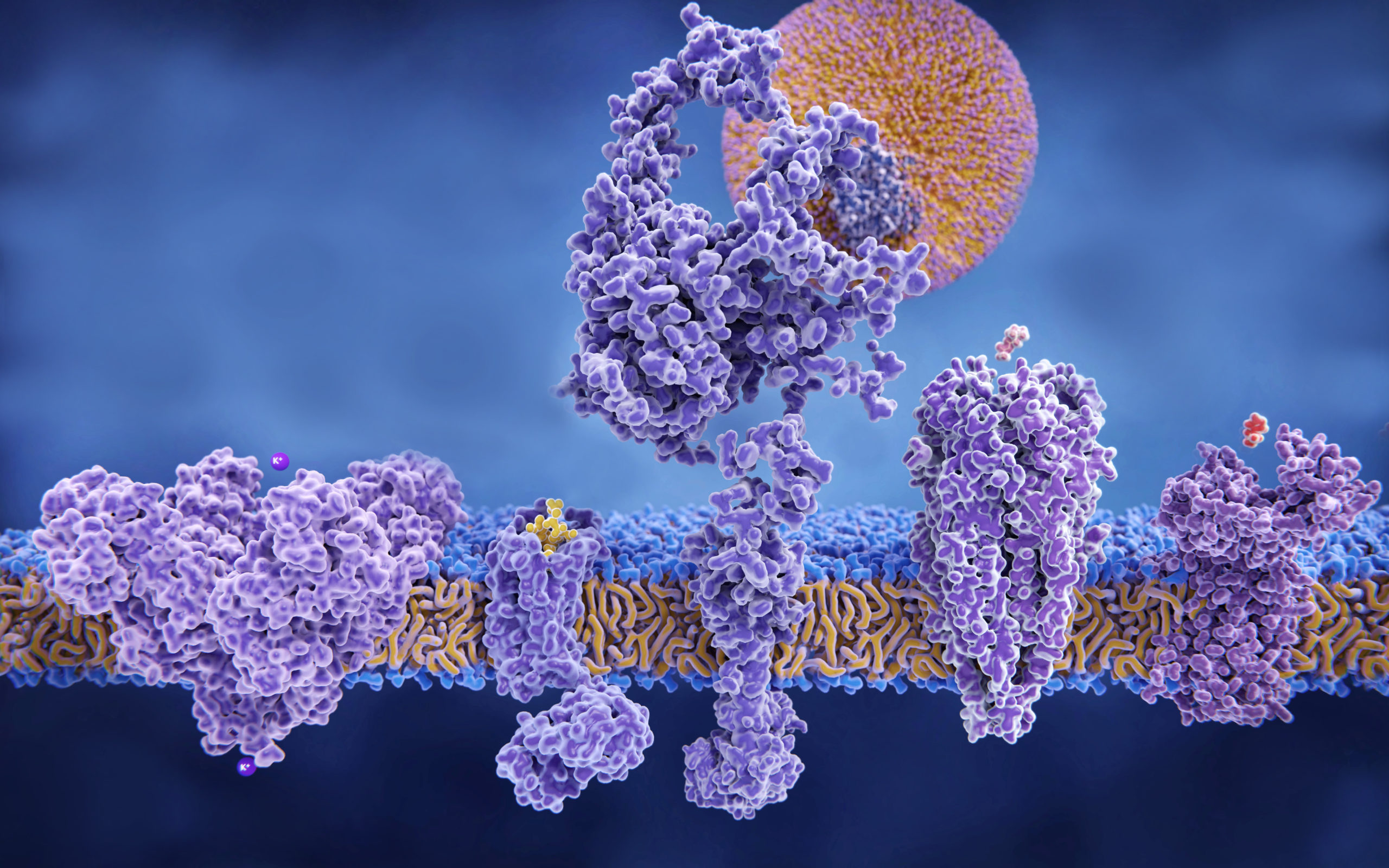
In a new study published in Nature Communications, Northwestern scientists have uncovered how a critical membrane pathway controls the flow of chemical messages responsible for everything from brain activity to inflammation.
-

2025 Year in Review
Feinberg experienced a year of discovery and scientific achievement in 2025, from honors and awards to unprecedented research discoveries.
-

Scientists Map the Human Genome in 4D
In a landmark effort to understand how the physical structure of our DNA influences human biology, Northwestern investigators and the 4D Nucleome Project have unveiled the most detailed maps to date of the genome’s three‑dimensional organization across time and space, according to a new study published in Nature.
-

2025 in Scientific Imagery
From elucidating cellular mechanisms underlying tissue regeneration to developing novel biomaterials to improve organ function, Feinberg investigators have provided stunning new snapshots of biological processes invisible to the naked eye.
-
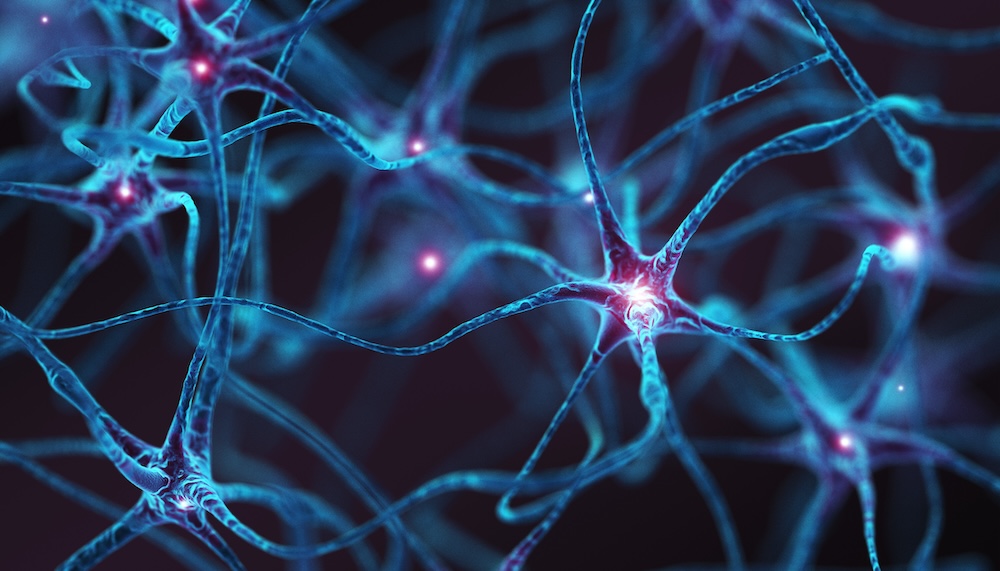
NU-9 Halts Alzheimer’s Disease In Animal Model Before Symptoms Begin
In a new study, scientists have identified a previously unknown driver of Alzheimer’s disease, and an experimental drug developed at Northwestern University has demonstrated further promise as an early intervention to treat the disease.