Tag: Research
-

Ophthalmology Grant Supports Unrestricted Research, Innovation
The Department of Ophthalmology has received a grant from Research to Prevent Blindness (RPB) to support investigators advancing the field of ophthalmology and vision science.
-

New Underlying Mechanisms May Support Proper Transcriptional Regulation and Improve Targeted Therapies
Northwestern Medicine scientists have discovered new mechanisms underlying transcriptional initiation and elongation control that support proper gene expression, which may inform targeted therapeutic approaches for many diseases, according to a recent study published in Molecular Cell.
-

Targeting Key Proteins in Fight Against ALS
Northwestern Medicine scientists have zeroed in on a cellular gatekeeper that may hold promise for treating abnormal protein accumulation in neurodegenerative diseases, according to a study published in Nature Communications.
-

How Inflammation Fuels Blood Cancer Risk
A Northwestern Medicine-led study published in The Journal of Clinical Investigation has uncovered why older individuals with specific genetic mutations face a heightened risk of developing serious blood cancers.
-

Investigating Treatments for Peripheral Artery Disease
A common diabetes medication does not help people with peripheral artery disease (PAD) walk farther, according to results from a major U.S. clinical trial published in JAMA.
-

Experimental Drug Shows Promise for Rare Genetic Disorder
A new experimental therapy has shown encouraging results in treating a rare and progressive lysosomal storage disorder, according to findings from a multi-year clinical trial published in the New England Journal of Medicine.
-
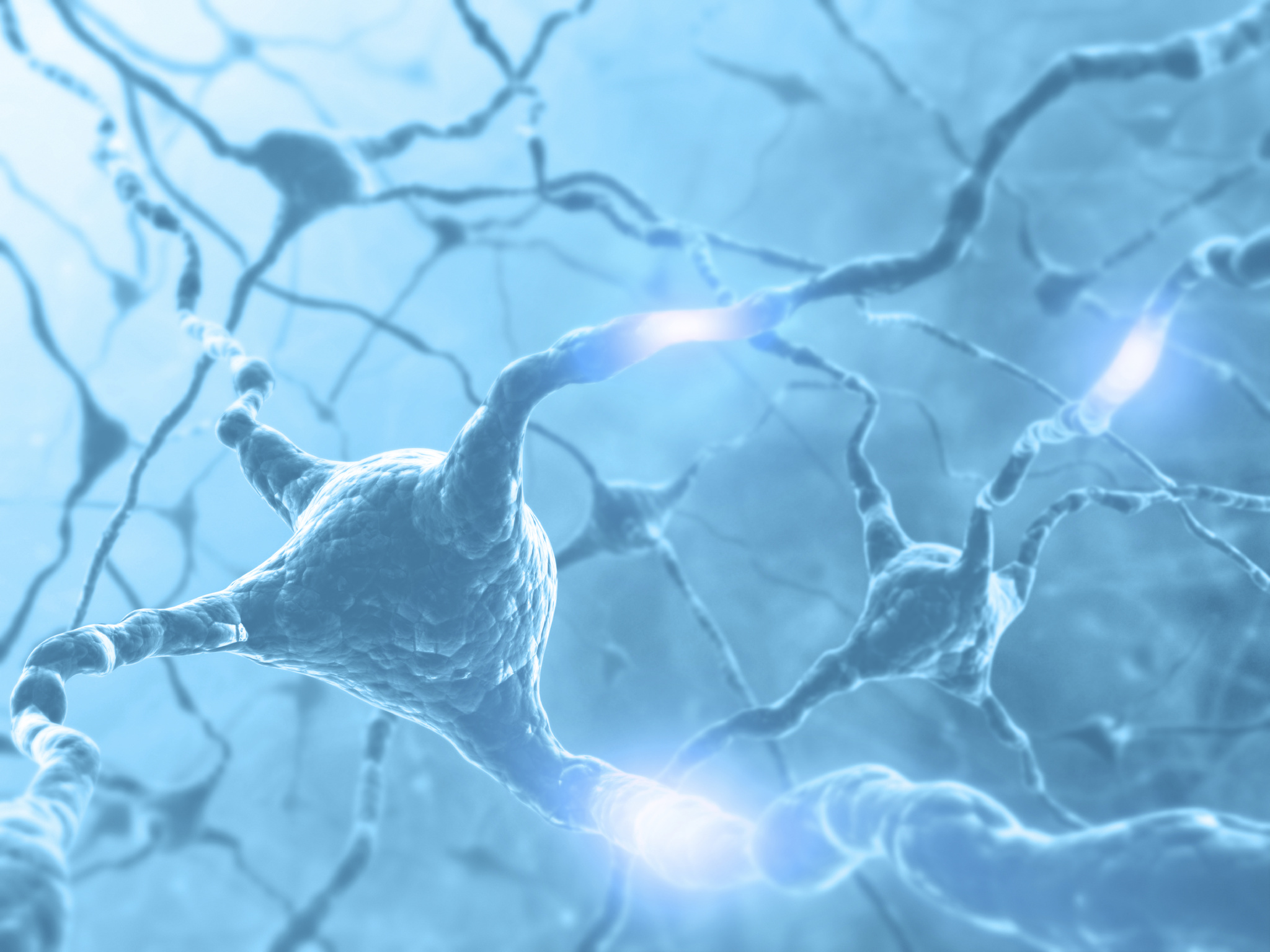
New Treatment Directions for Rare Brain Disorder
A Northwestern Medicine study has uncovered a promising new therapeutic approach for a rare genetic brain disorder, according to findings published in Nature Communications.
-
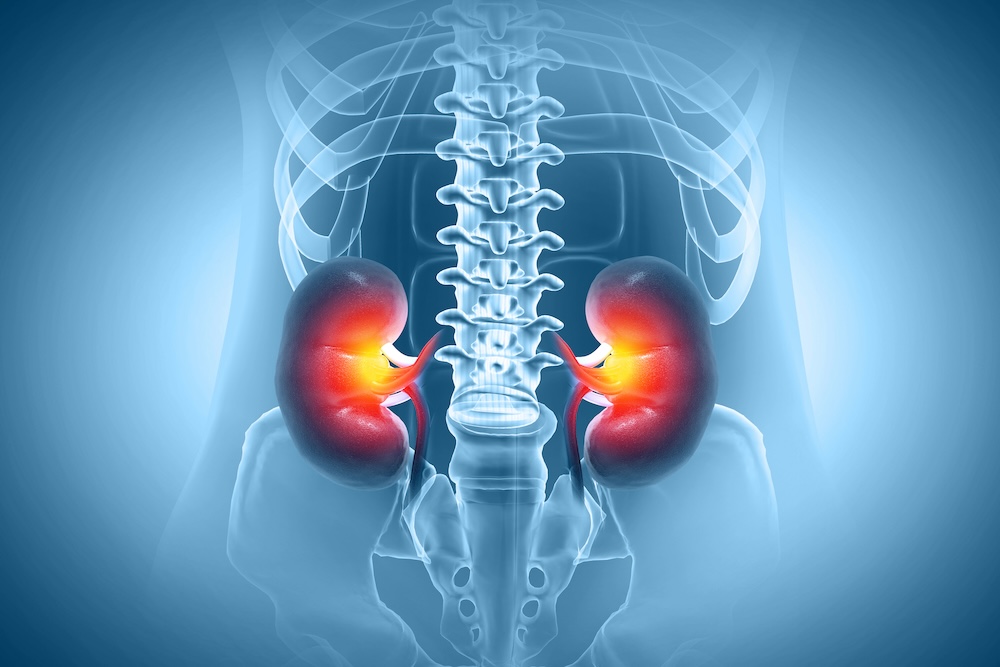
Novel Mechanism Regulates Essential Enzyme Production in Kidneys
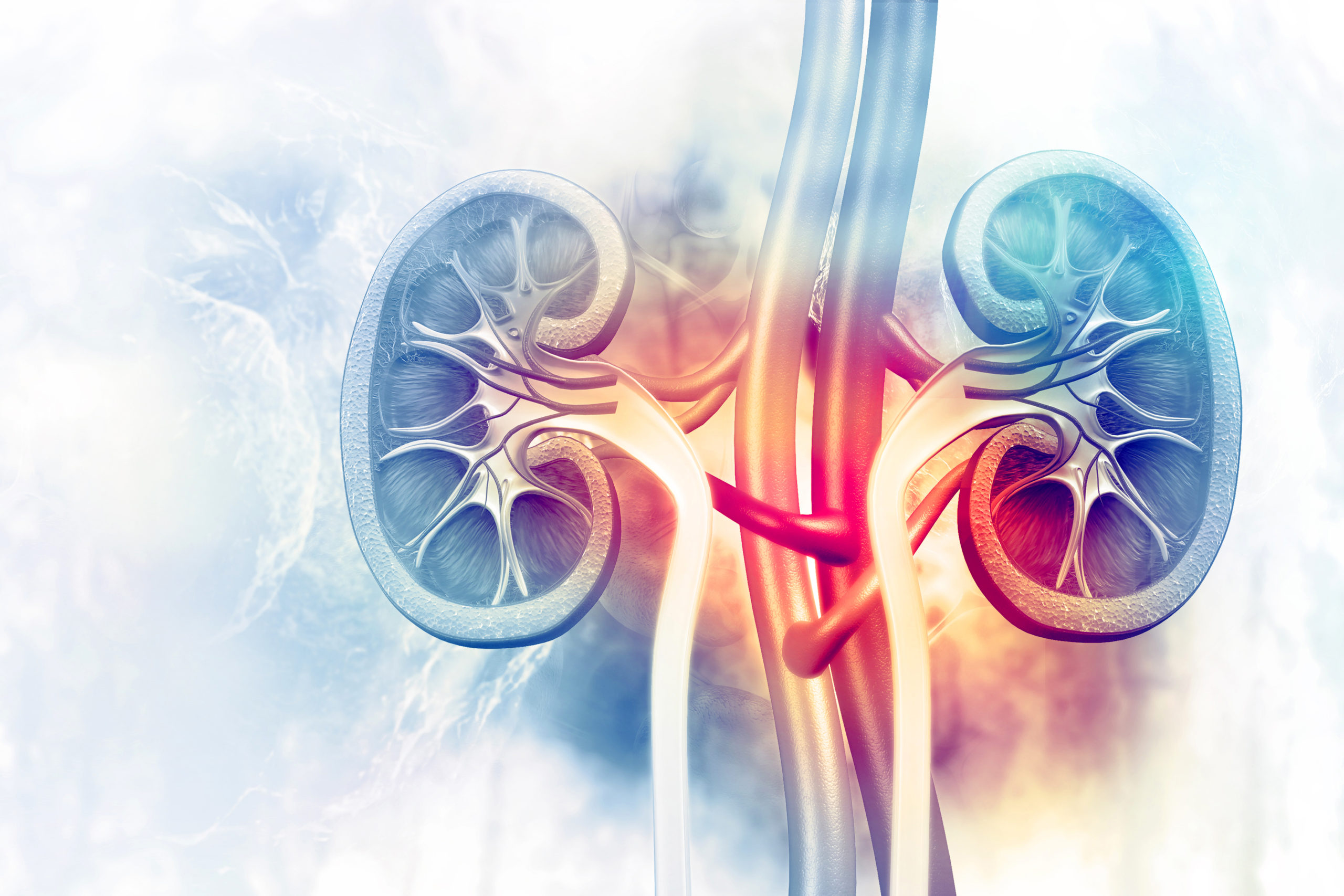
Scientists have discovered previously unknown cellular mechanisms that regulate the production of renin, an essential enzyme in the kidney, findings that could improve the understanding of how the kidney regulates its function and how chronic kidney disease develops, according to a recent study published in Cell.
-
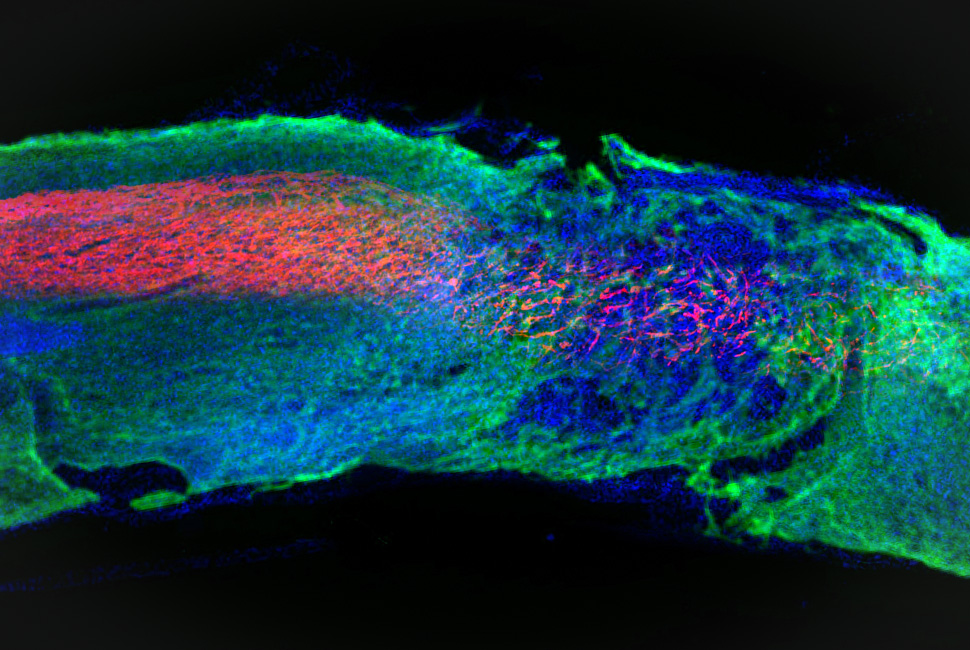
Post-Stroke Injection Protects the Brain in Preclinical Study
Northwestern University scientists have developed an injectable regenerative nanomaterial that helps protect the brain during the vulnerable window after a patient suffers a stroke.
-
Investigating HIV’s Hidden Immune Evasion Strategy
A Northwestern Medicine study published in Nature Communications has revealed how HIV can protect infected cells by altering the sugars on their surface, hindering the host immune system and avoiding detection.