Tag: Research
-
Histone Protein Influences Both Neurological Disorder and Cancer
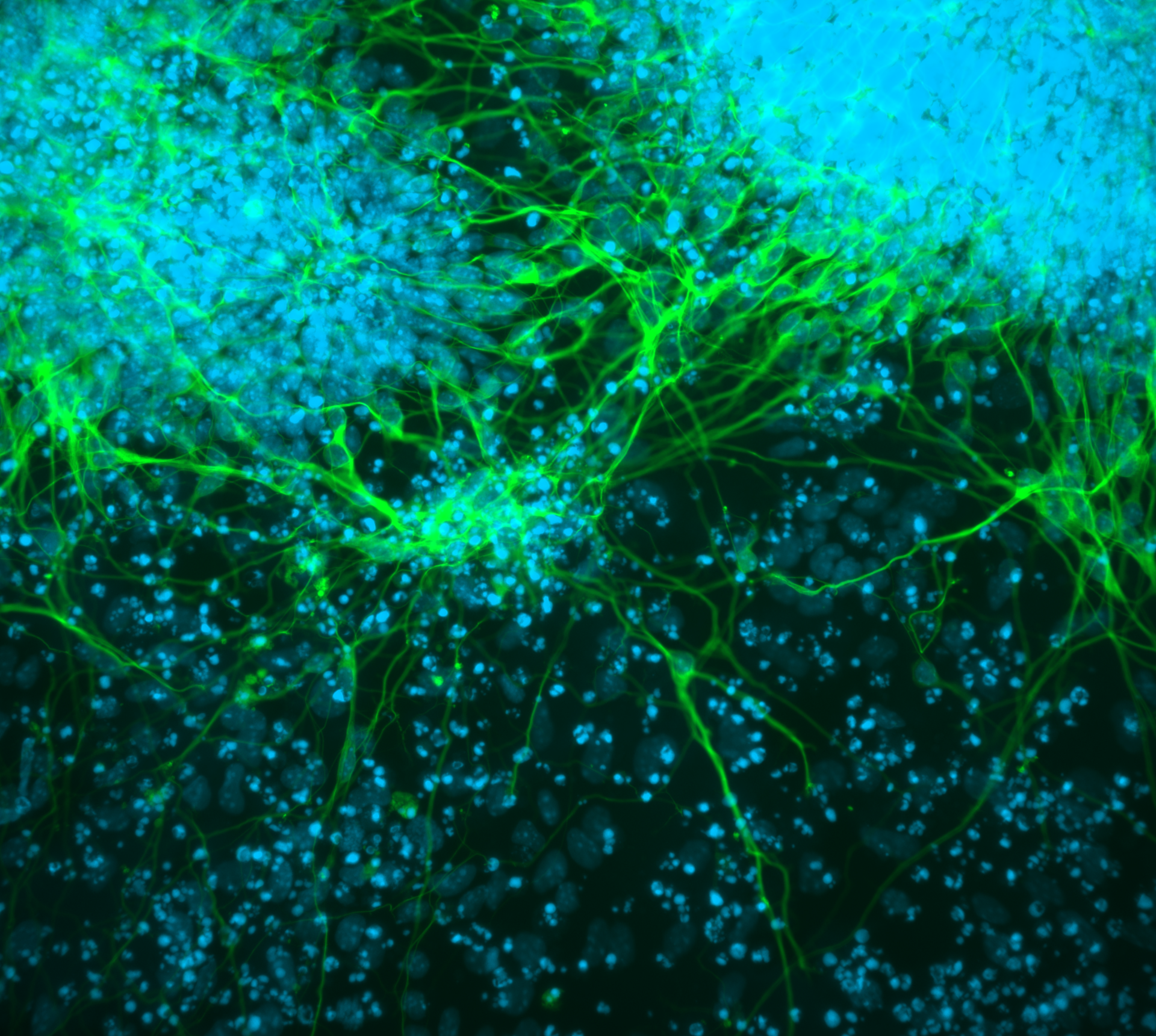
Mutations in a histone regulator protein are connected to both a rare neurodevelopmental disorder and to some cancers, according to a recent study.
-

County-Level Poverty Associated with Risk of Gun Death in Children
Living in U.S. counties with higher concentrations of poverty was associated with increased risk of firearm-related deaths among children and young adults, according to a recent study.
-
Ophthalmology Receives Grant to Support International Collaboration
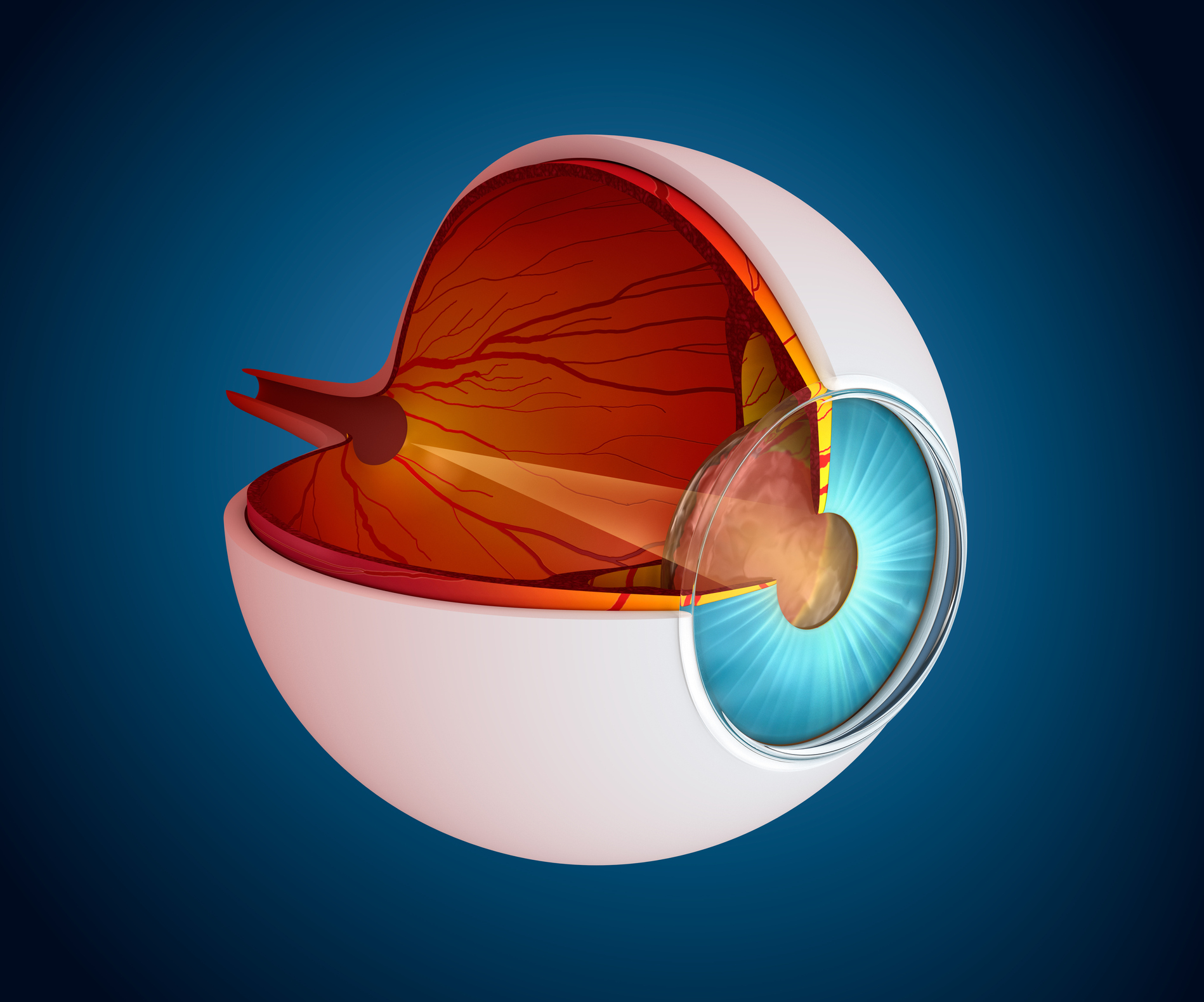
Steven DeVries, MD, PhD, has received a $75,000 International Research Collaborators Award from Research to Prevent Blindness to support international collaborations.
-
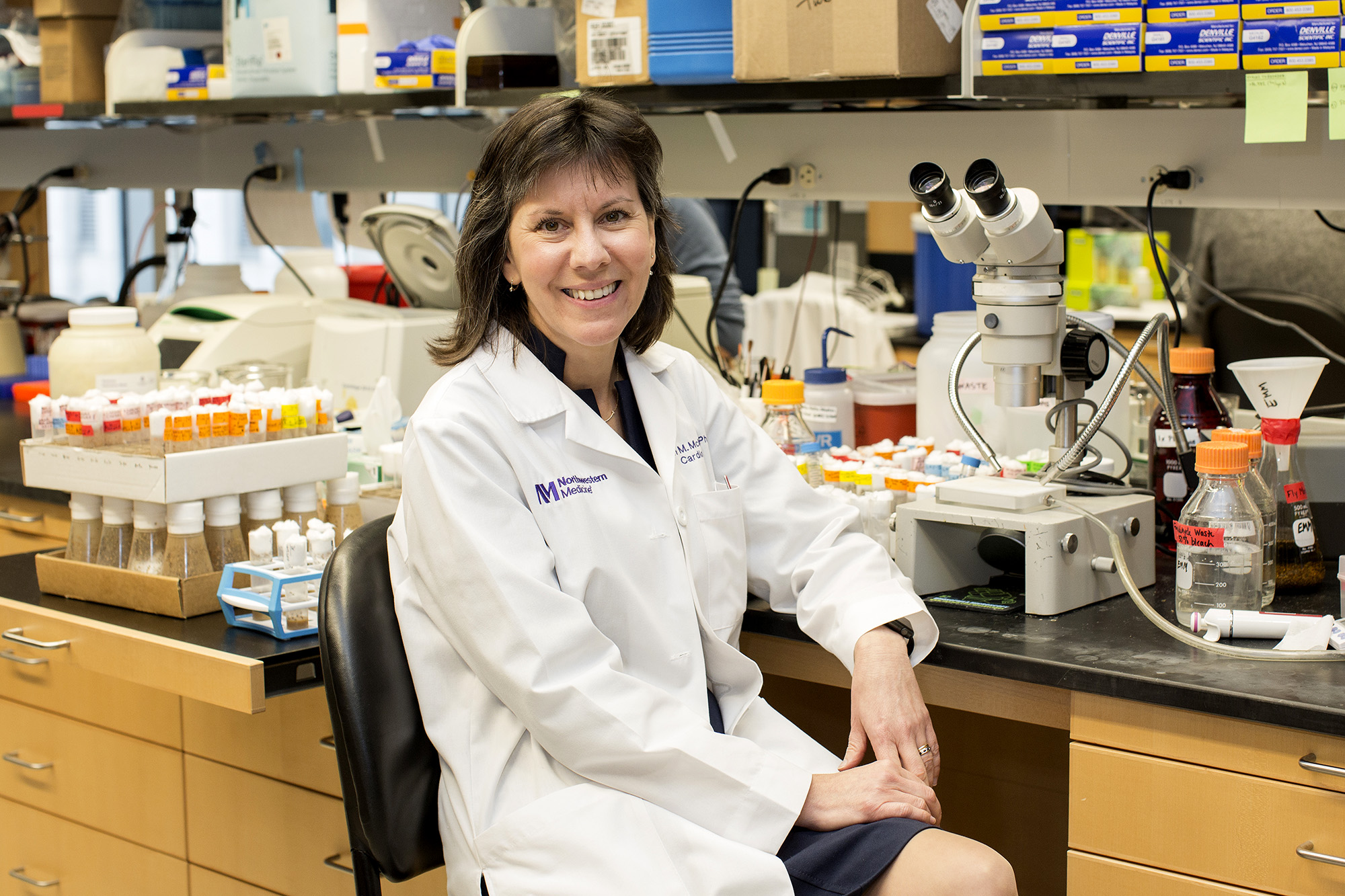
Northwestern Selected as Home for Journal of Clinical Investigation; McNally to Serve as Editor-in-Chief
Northwestern University Feinberg School of Medicine has been selected to serve as the home of the Journal of Clinical Investigation for its next five-year term, and Elizabeth McNally, MD, PhD, has been elected as the journal’s next editor-in-chief.
-
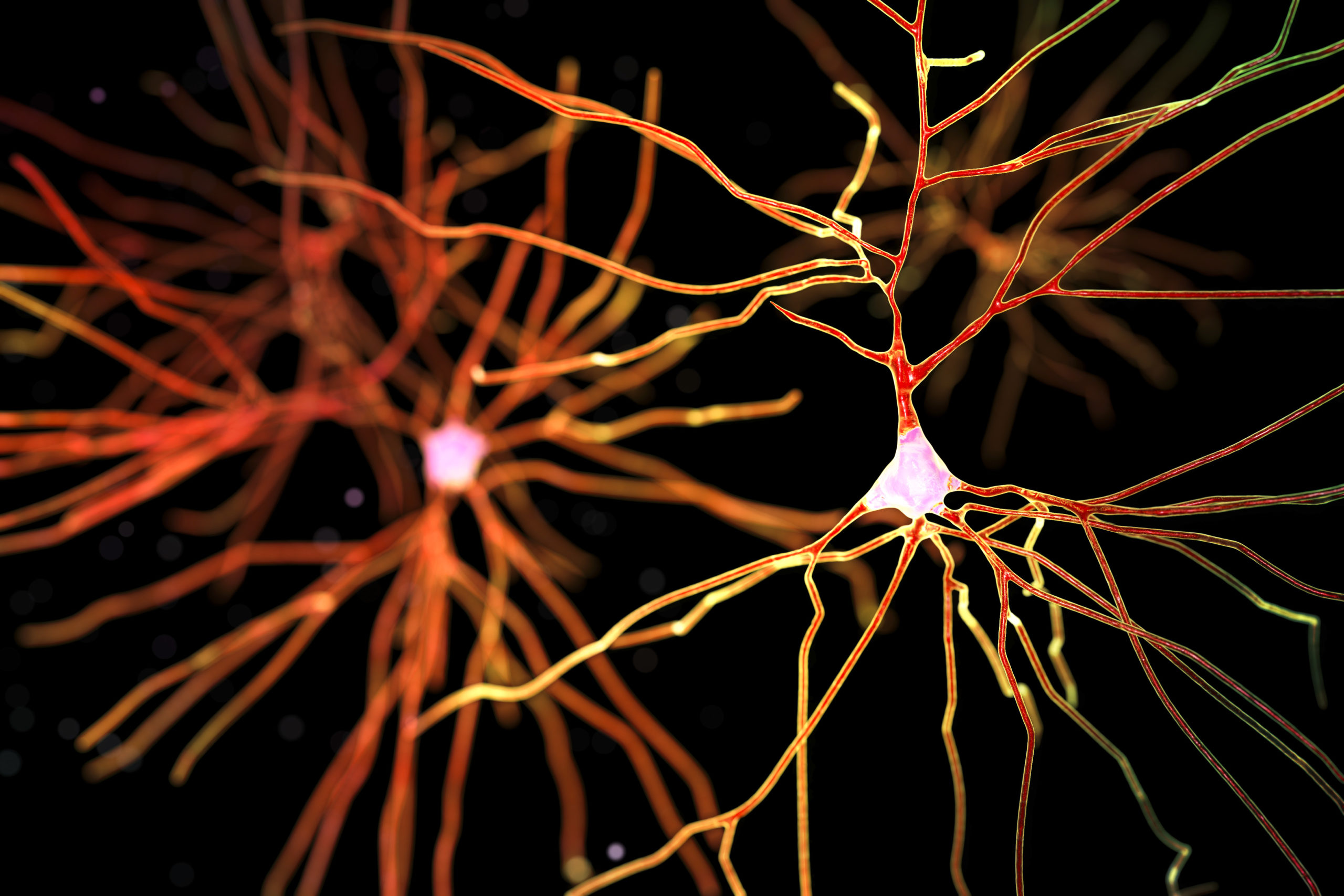
Uncovering the Degenerative Basis of Parkinson’s Disease
Northwestern investigators have discovered the molecular signature of a subset of dopaminergic neurons that increases their vulnerability to degeneration.
-

Effectiveness of Subcutaneous Defibrillators
Electric shocks delivered by subcutaneous defibrillators are equally effective compared to shocks delivered by conventional transvenous defibrillators, according to a recent study.
-

Fatty Acid Length Predicts Parkinson’s Disease Risk
Long chains of fatty acids in the lysosome are associated with a degenerative form of Gaucher disease, an inherited condition related to Parkinson’s disease.
-
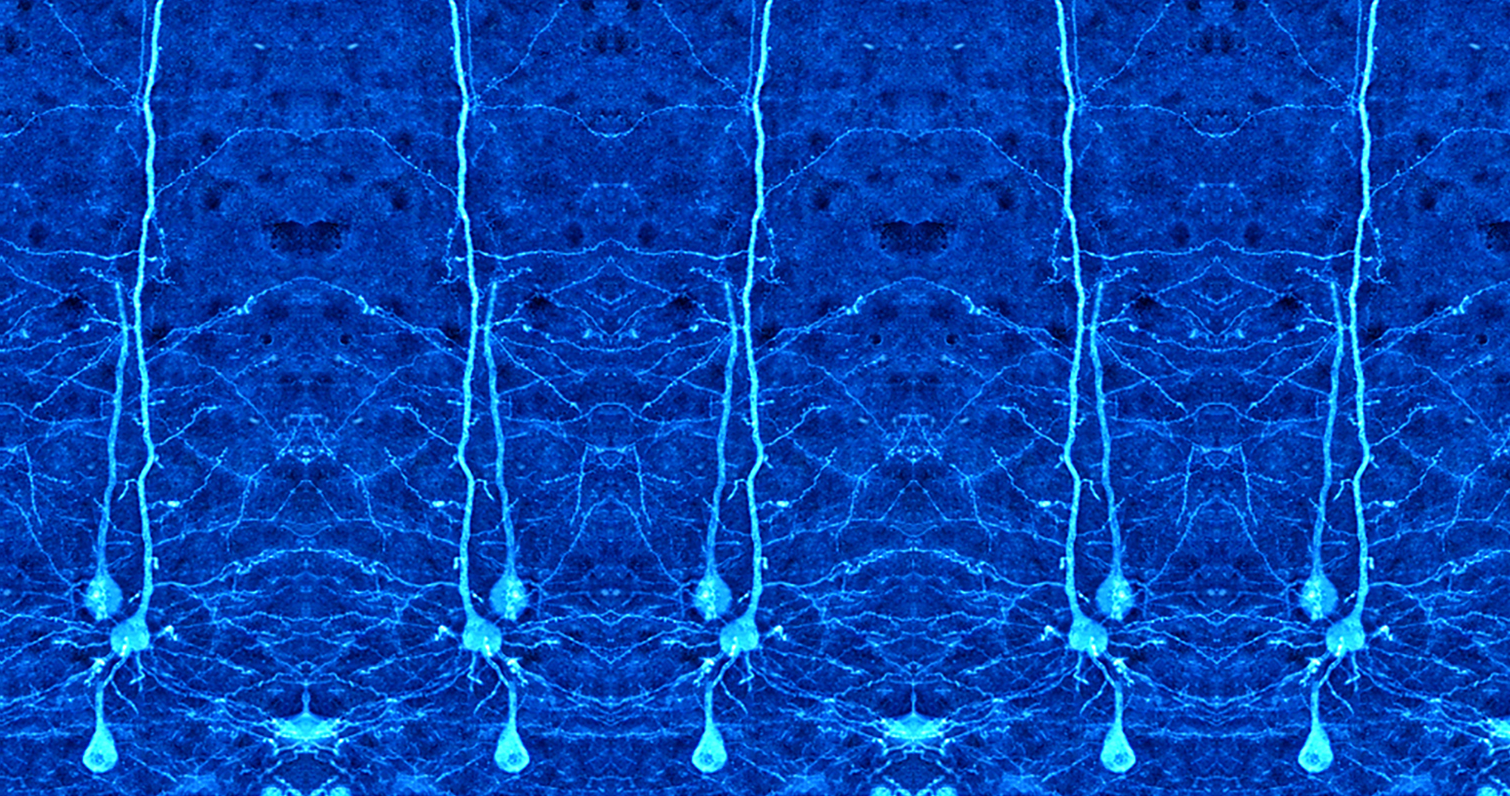
ALS Therapy Should Target Brain, Not Just Spine
A new study has shown that the degeneration of brain motor neurons in ALS is not merely a byproduct of the spinal motor neuron degeneration, and is a target for future treatments for the disease.
-
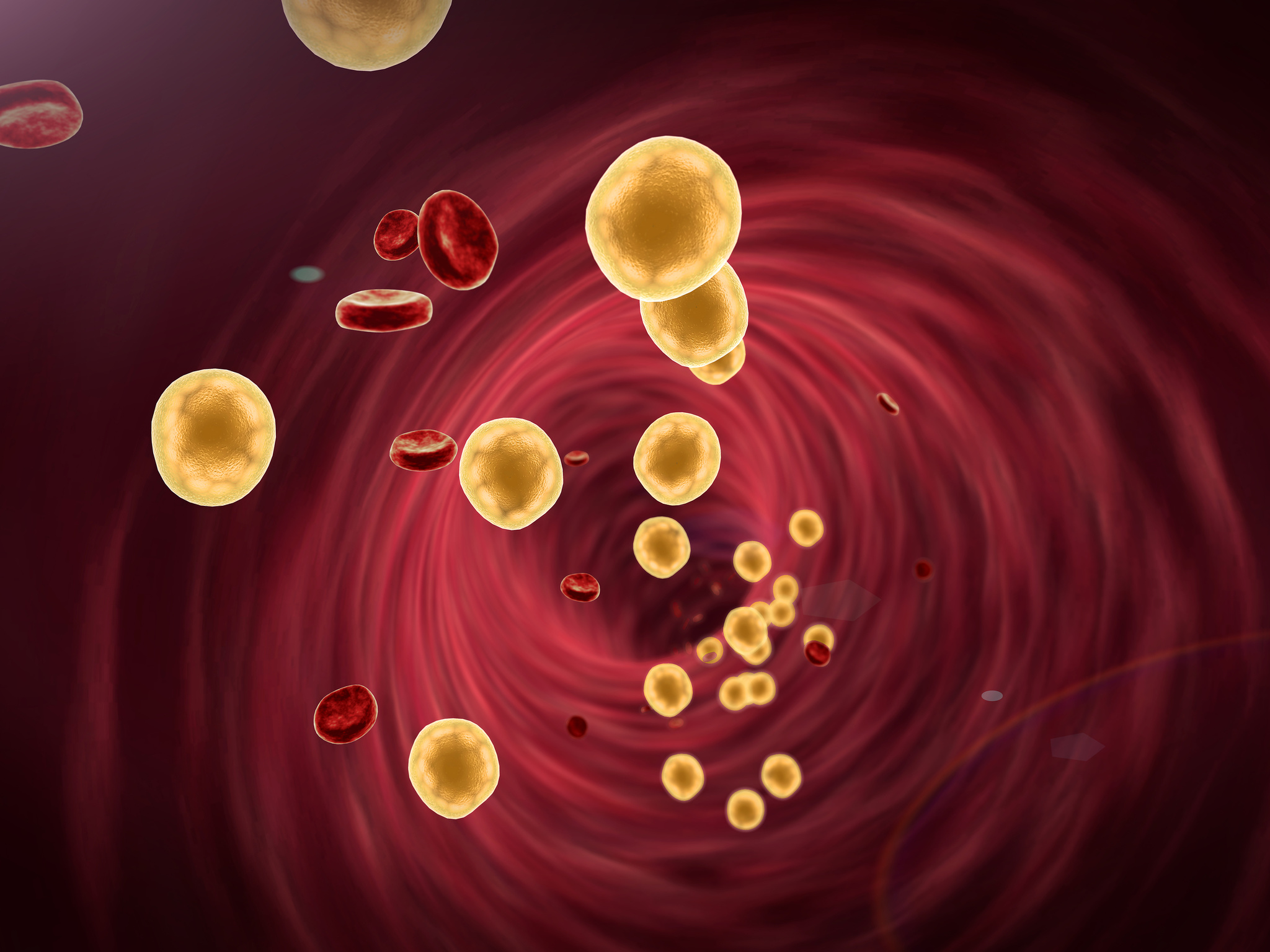
Statins Cost-Effective in Young Adults
Statin therapy has been shown cost-effective for lowering cholesterol in young adults, according to a study published in the Journal of the American College of Cardiology.
-

Predicting Which Glioblastoma Patients Will Respond to Immunotherapy
Northwestern Medicine scientists have discovered a new biomarker to identify which patients with brain tumors called glioblastomas — the most common and malignant of primary brain tumors — might benefit from immunotherapy.