Tag: Pulmonology
-

Groundbreaking Findings for Patients with Cystic Fibrosis
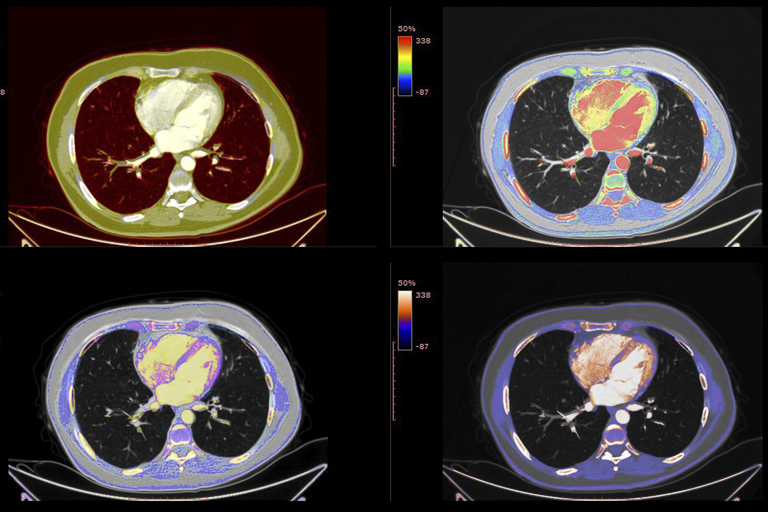
Treatment with two medications that target the most common genetic cause of cystic fibrosis improves lung function and lowers the rate of pulmonary exacerbations, according to results from a Northwestern Medicine clinical trial.
-
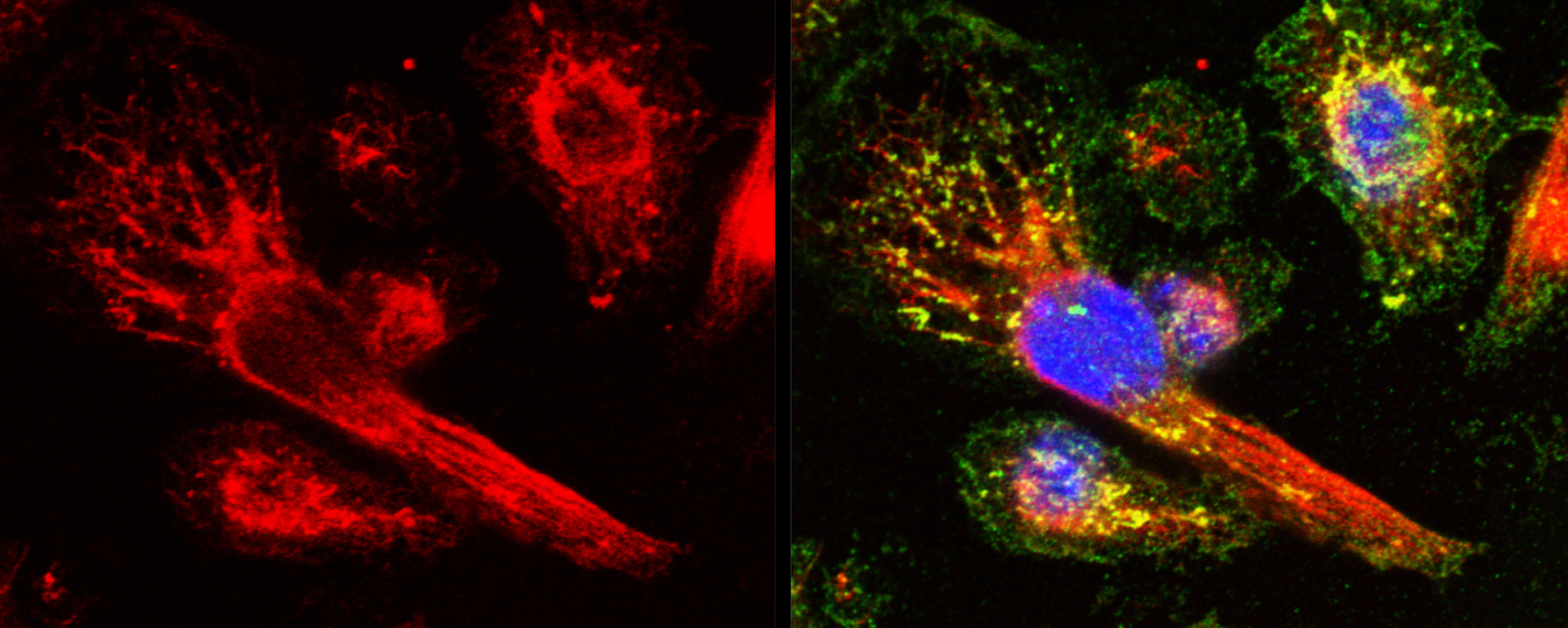
Vimentin Implicated in Lung Inflammation and Fibrosis
A new Northwestern Medicine study shows that a protein called vimentin may help activate an inflammatory response that leads to acute lung injury.
-
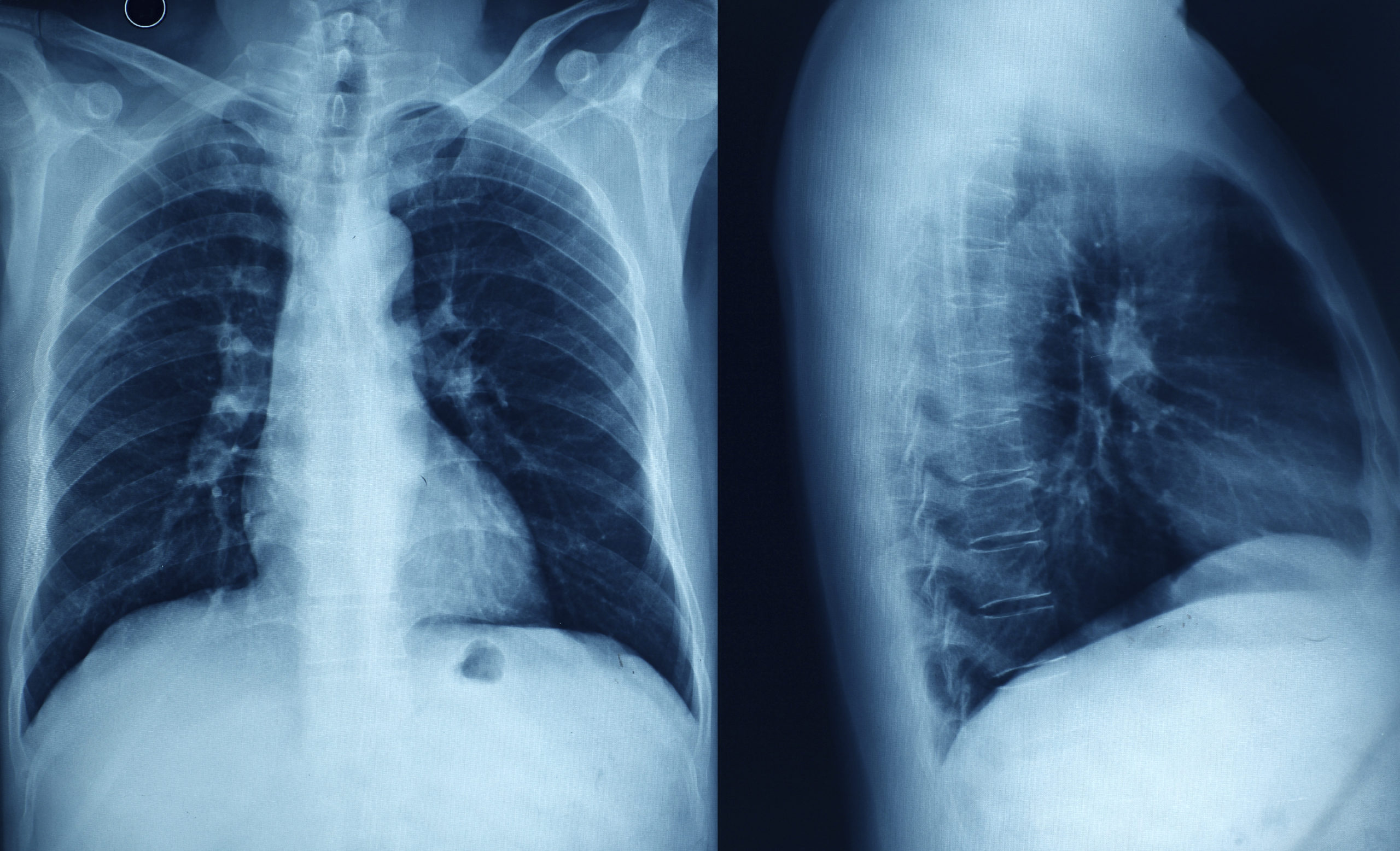
Burden of Pneumonia Hospitalizations on U.S. Children
A Northwestern Medicine study estimated the incidence and etiology of community-acquired pneumonia in children and found that respiratory viruses were more commonly detected in children with pneumonia than bacterial pathogens, suggesting that new anti-viral vaccines or treatments could reduce the overall burden of pediatric pneumonia.
-
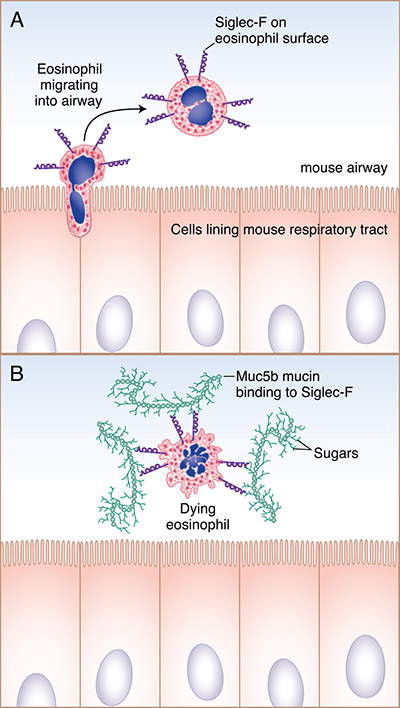
Mucus Proteins May Control Asthma
Sugars on a specific mucus protein can induce the death of a white blood cell called an eosinophil, which causes asthma, according to a new Northwestern Medicine study.
-
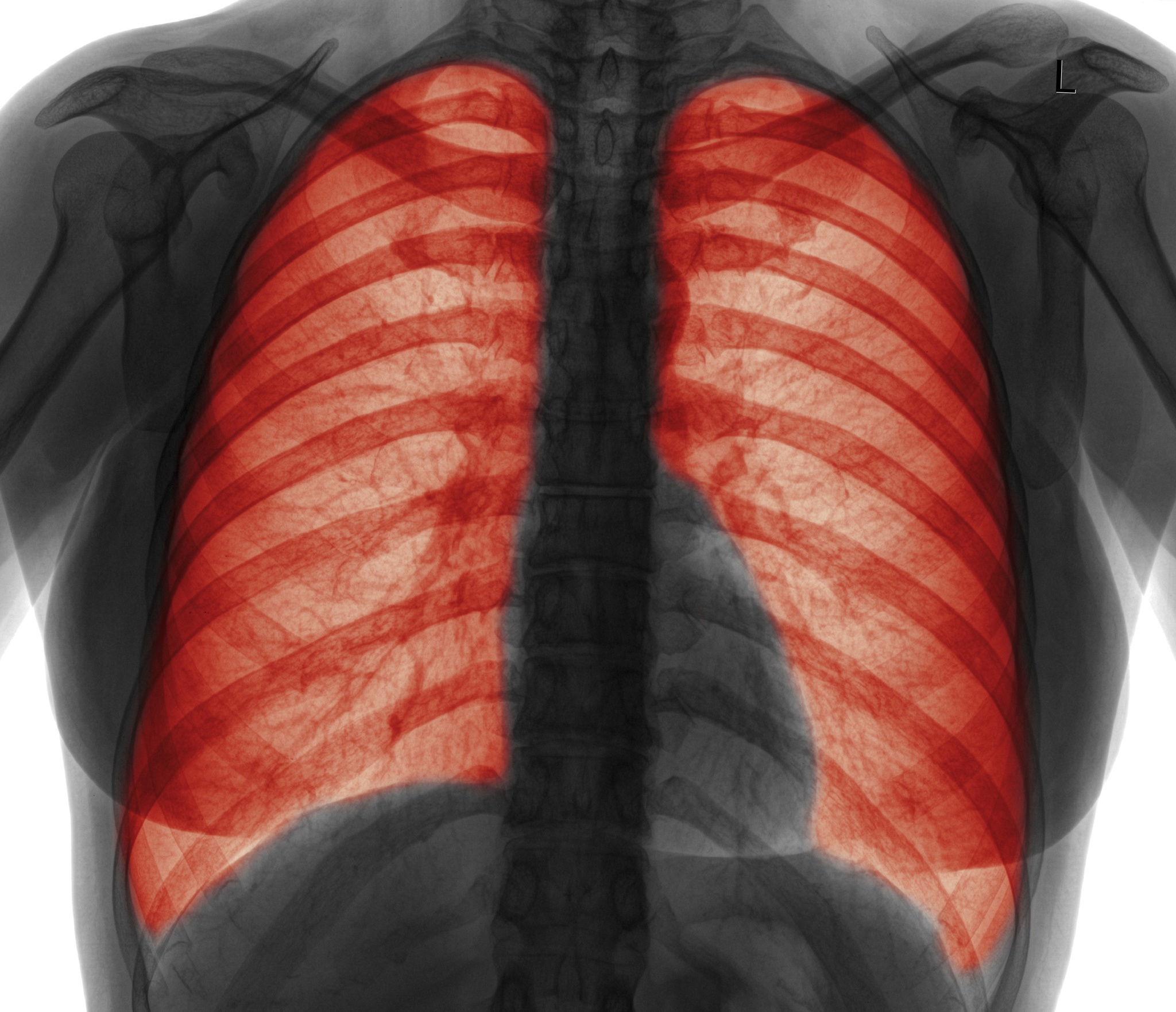
Transcription Factor Regulates Repair Pathways in the Lung
In a new study, scientists found that the transcription factor EHF regulates pathways in respiratory epithelial cells that are important for repair of damaged cells and in maintaining the lung surface’s barrier function.
-
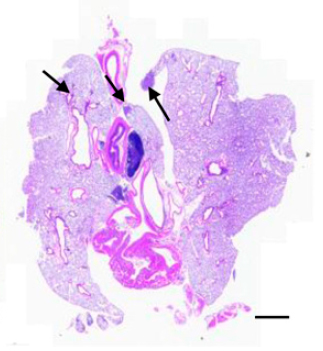
Stopping Tumor Growth During Hypoxia
Inhibiting a ubiquitin ligase stops tumor growth during hypoxia, a common characteristic of lung and brain cancers.
-
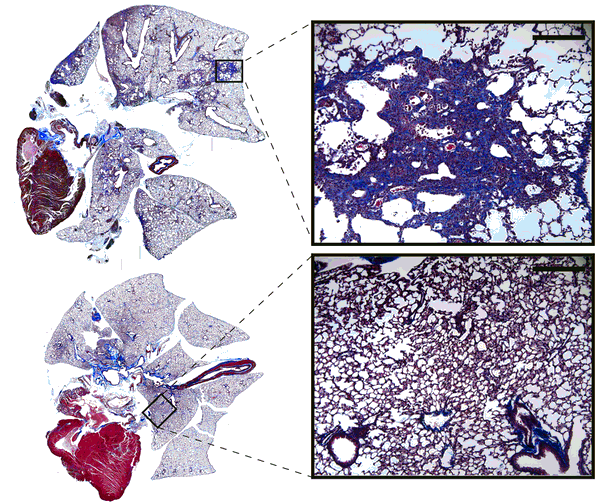
Pathway Found for Treating Fatal Lung Disease
Northwestern Medicine scientists identified genes correlated with the progression and severity of idiopathic pulmonary fibrosis.
-

Air Pollution Shown to Increase Lung Inflammation and Blood Clots
Northwestern Medicine scientists demonstrate that exposure to air pollution causes a stress response characterized by elevation in the level of the stress hormone adrenaline.
-

Math Models Show Influence of Macromolecular Crowding
A recently published Northwestern Medicine study uses math models based on the physical interactions within cells to make predictions of how gene transcription might be effected.
-

Enzymes Shown to Protect Mitochondrial DNA from Stress
David Kamp, MD, completed his residency and fellowship at Northwestern, where he now studies a range of lung disorders as well as cellular apoptosis, a process of programmed cell death.