Tag: Medicine
-

Circadian Rhythm Causes Metabolic Dysfunction in Fat Cells
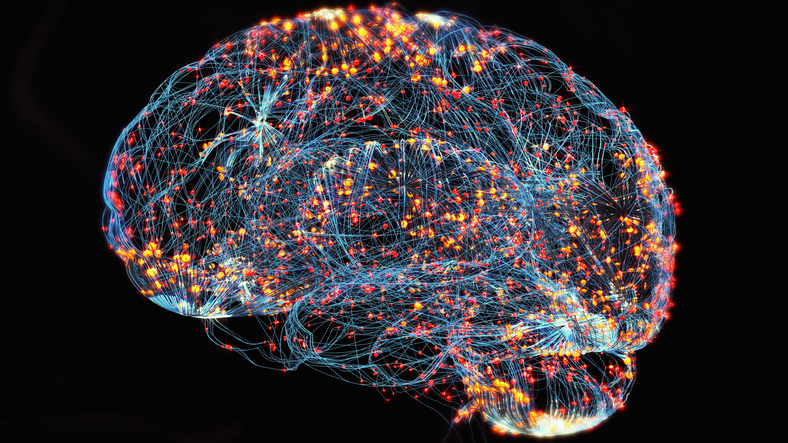
Northwestern Medicine scientists have discovered how disruptions in circadian rhythm impair metabolic function in fat cells, providing new insights into the molecular mechanisms that cause obesity and metabolic disease, according to a recent study published in Nature Metabolism.
-
CAR T-cell Therapy Improves Survival in Relapsed or Refractory Lymphoma
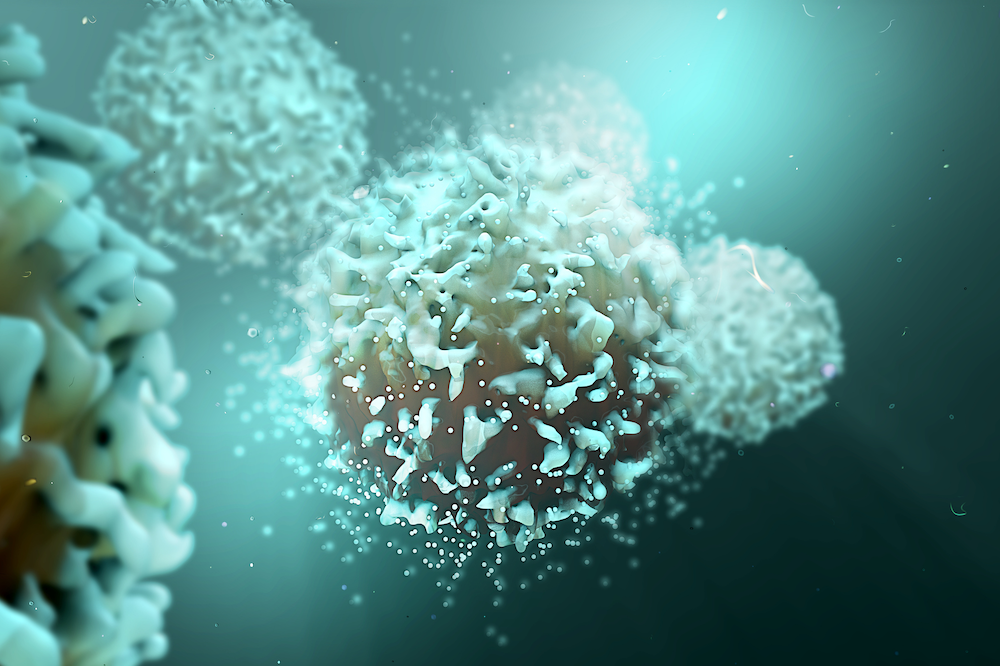
CAR T-cell immunotherapy improved progression-free and overall survival in patients with relapsed or refractory marginal zone lymphoma, according to a recent clinical trial published in The Lancet.
-

Study Reveals Why Some Immune Disorders Trigger Severe Food Allergies — and Others Don’t
A new study has shed light on why patients with certain rare immune disorders develop severe, food‑triggered allergic reactions while others with similar diagnoses do not.
-

Common Anti-Seizure Drug Prevents Alzheimer’s Plaques from Forming
Northwestern University scientists have pinpointed when and where toxic proteins accumulate within the brains of Alzheimer’s patients — and discovered a decades-old Food and Drug Administration (FDA)-approved drug that can stop the accumulation process before it even begins, according to a recent study published in Science Translational Medicine.
-
Combination Treatment May Slow Disease Progression in Advanced Sarcoma
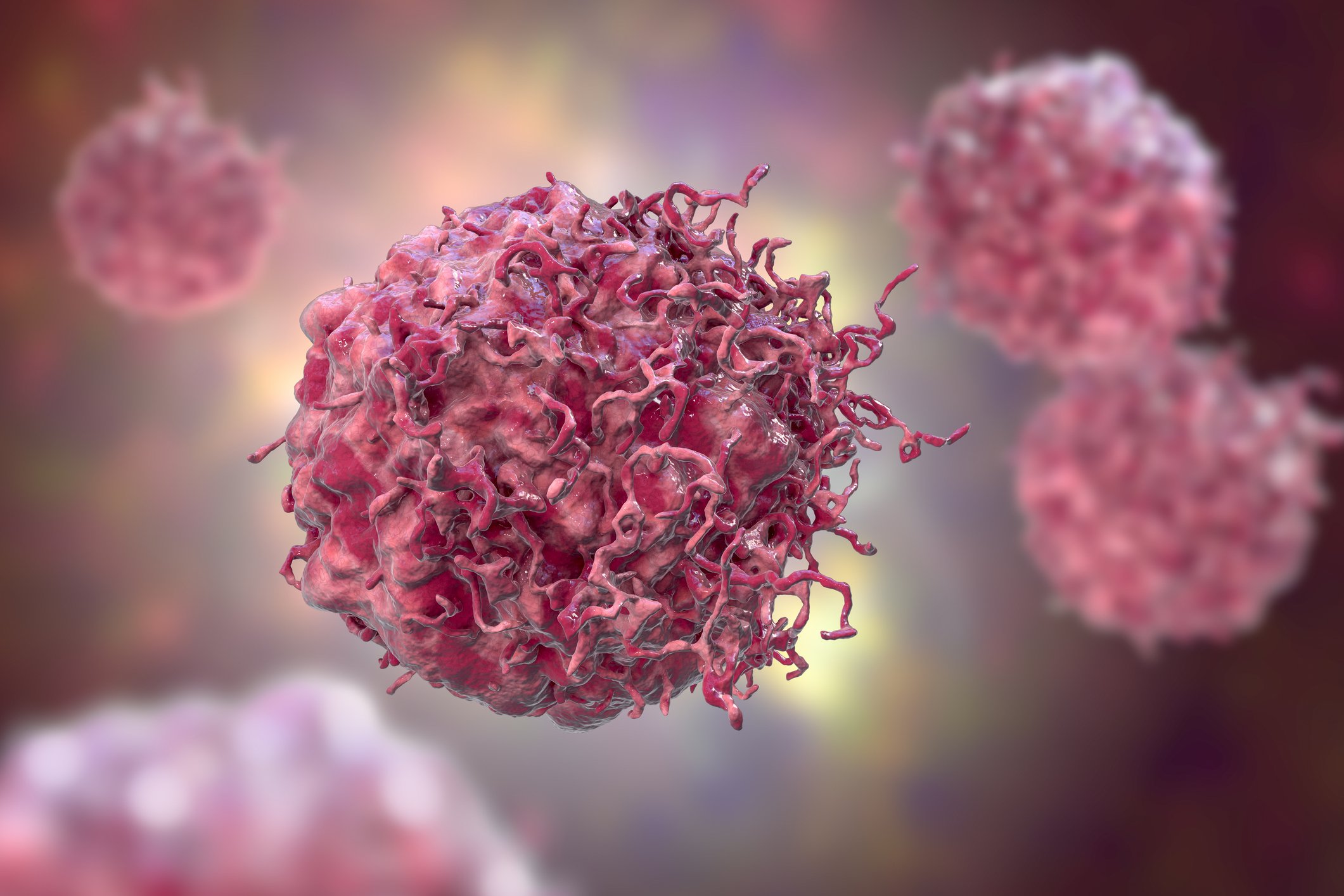
An oral combination treatment may prevent disease progression in patients with advanced leiomyosarcoma, one of the most common subtypes of soft tissue sarcoma, according to a recent study published in The Lancet Oncology.
-
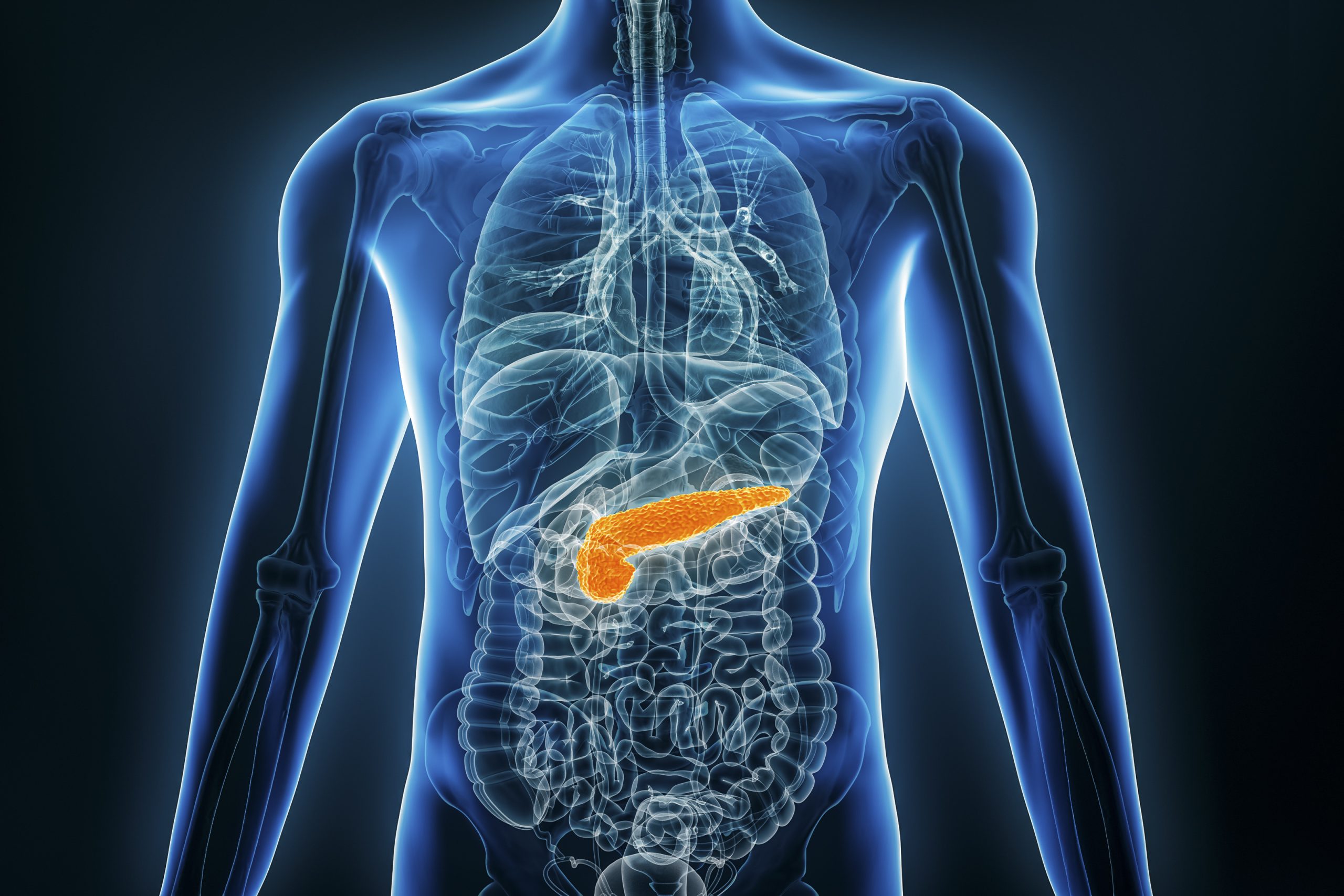
Common Procedure Does Not Prevent Recurrent Pancreatitis, Trial Finds
A multicenter clinical trial published in JAMA has found that a long-used endoscopic procedure does not prevent recurrent pancreatitis in adults with an anatomic anomaly, challenging decades of conventional wisdom.
-

How Inflammation Fuels Blood Cancer Risk
A Northwestern Medicine-led study published in The Journal of Clinical Investigation has uncovered why older individuals with specific genetic mutations face a heightened risk of developing serious blood cancers.
-

Investigating Treatments for Peripheral Artery Disease
A common diabetes medication does not help people with peripheral artery disease (PAD) walk farther, according to results from a major U.S. clinical trial published in JAMA.
-
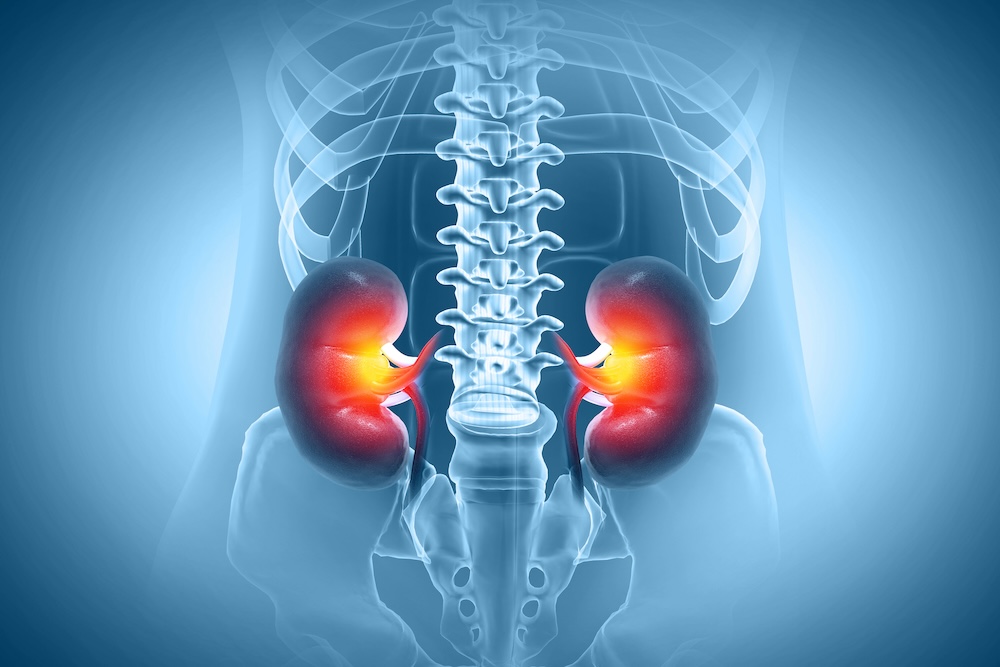
Novel Mechanism Regulates Essential Enzyme Production in Kidneys
Scientists have discovered previously unknown cellular mechanisms that regulate the production of renin, an essential enzyme in the kidney, findings that could improve the understanding of how the kidney regulates its function and how chronic kidney disease develops, according to a recent study published in Cell.
-
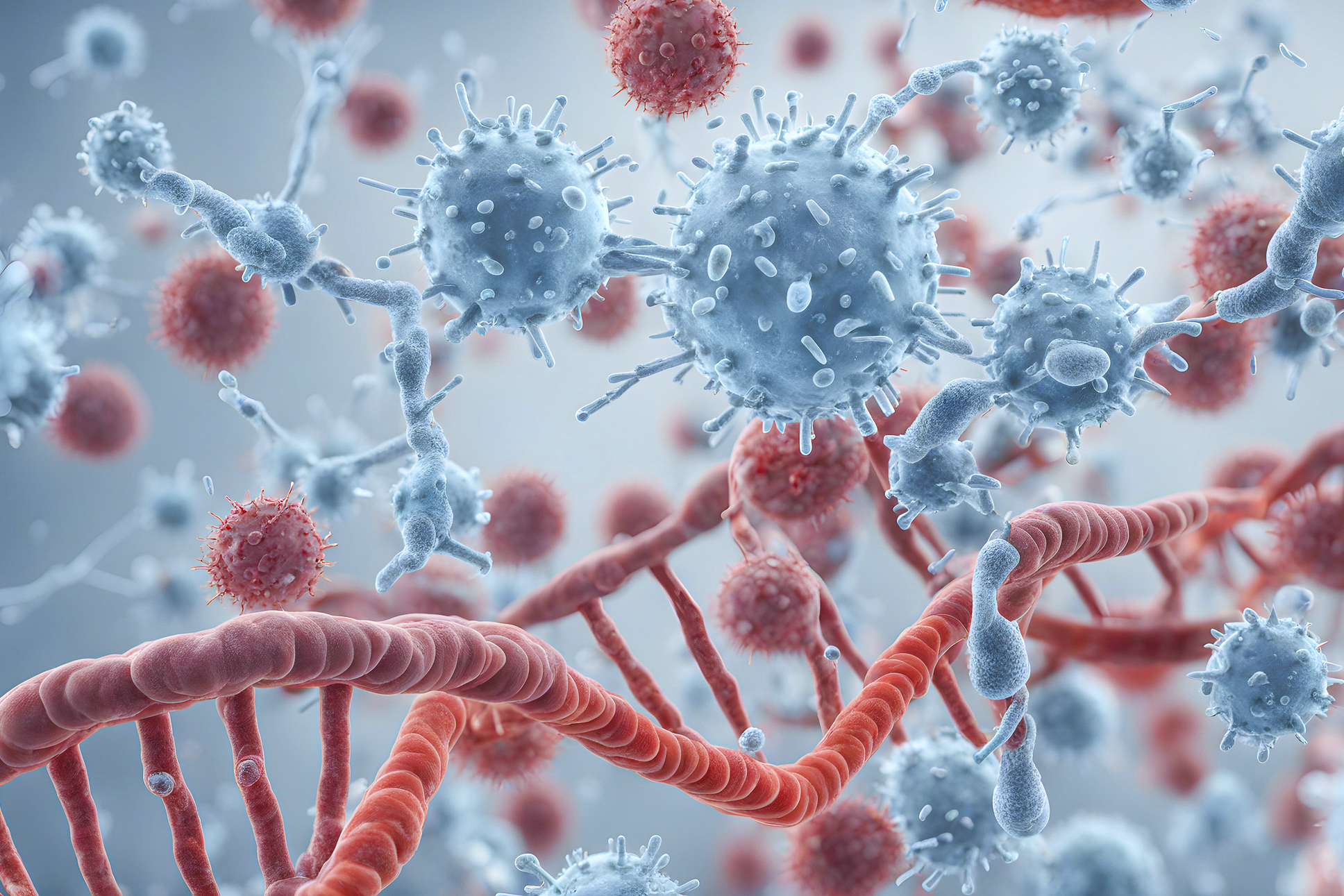
Investigating HIV’s Hidden Immune Evasion Strategy
A Northwestern Medicine study published in Nature Communications has revealed how HIV can protect infected cells by altering the sugars on their surface, hindering the host immune system and avoiding detection.