Tag: Medicine
-
Bacteria ‘Rewire’ Epithelial Cells and Drive Disease in the Gut
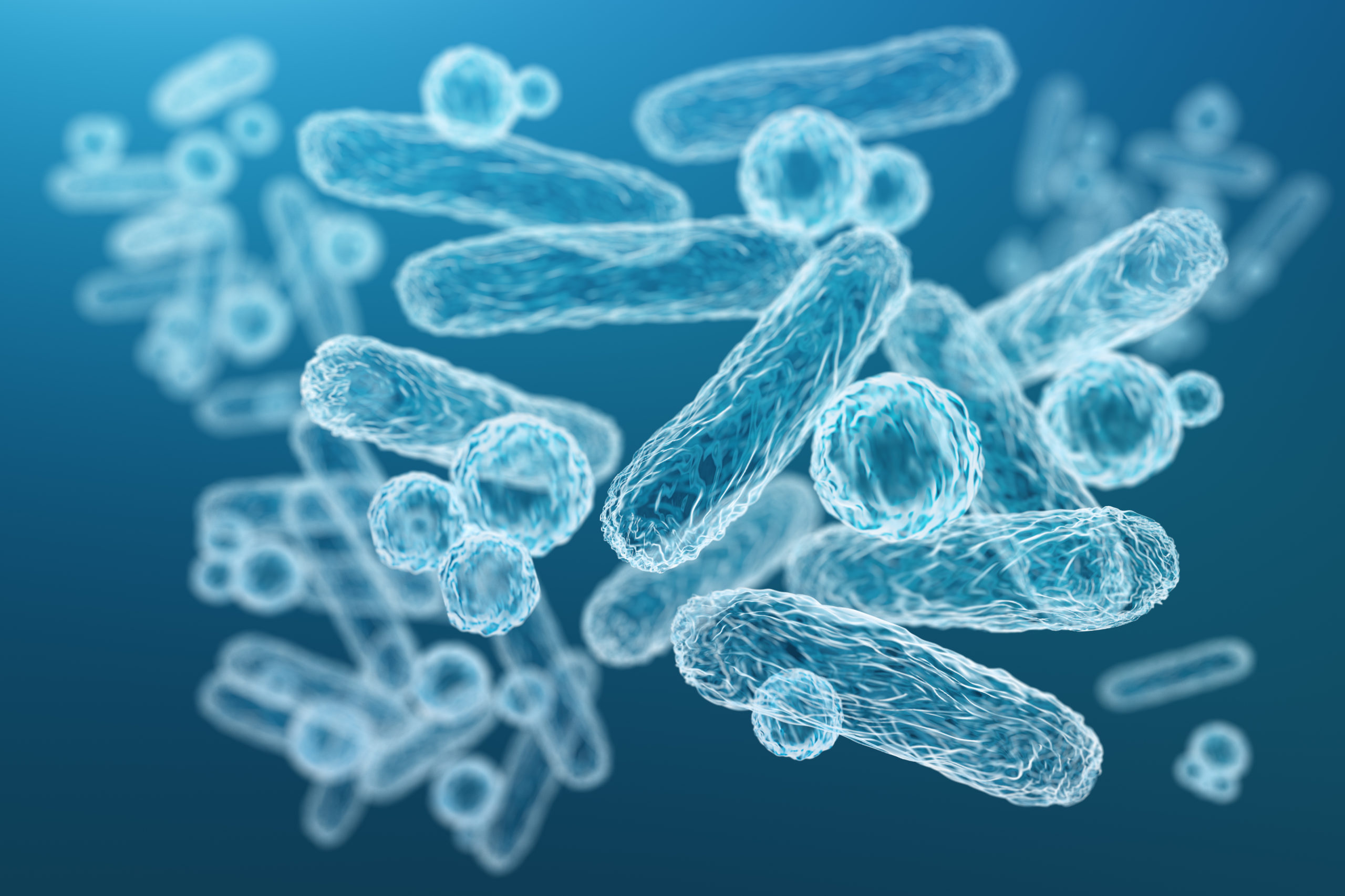
A bacterial pathogen that causes colitis and colorectal cancer creates a nutrient-rich niche and “rewires” epithelial cell signaling in the inflamed gut, which promotes bacterial colonization and disease, mechanisms that may be promising therapeutic targets, according to a recent study published in the journal Cell.
-
Hormone Impacts Red Blood Cell Production in Anemia
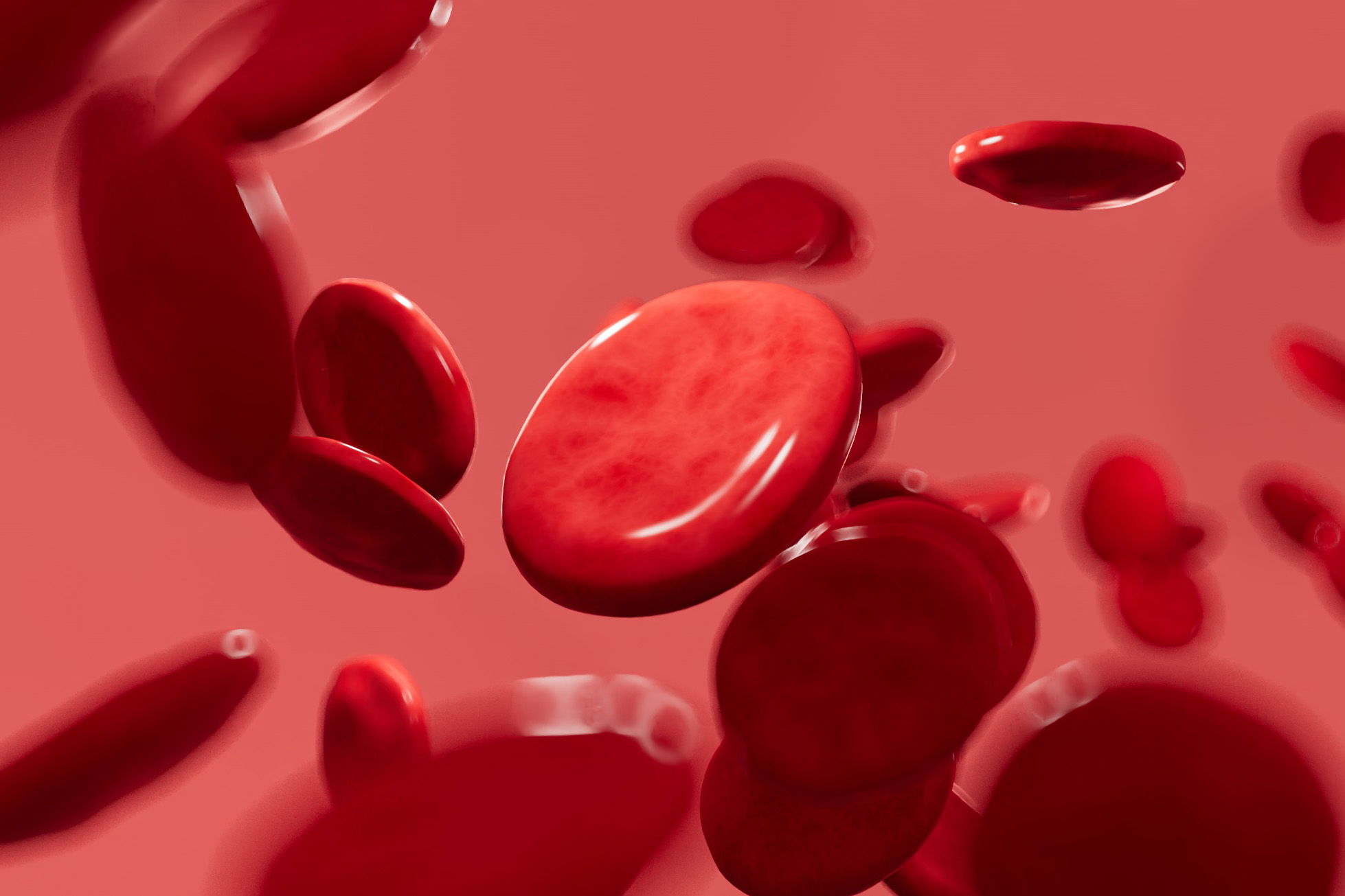
Northwestern Medicine scientists have discovered that the hormone FGF23 reduces the production of red blood cells and may contribute to the development of anemia of chronic kidney disease, according to a recent study published in Blood.
-

Overlooked DNA Structures Help Organize the Genome
Northwestern Medicine scientists have discovered that little-studied DNA structures play a central role in organizing the human genome and controlling gene activity, according to a new study published in the Proceedings of the National Academy of Sciences.
-

Spatial Transcriptomics Guides Inflammatory Bowel Disease Research
A novel spatial transcriptomics atlas developed by Northwestern Medicine scientists may improve the understanding of niche cellular interactions in the gastrointestinal tract that promote the development of inflammatory bowel diseases, as detailed in a recent study published in Nature Communications.
-

Reinfection Raises Long COVID Risk in Children and Adolescents
Children and adolescents who are reinfected with SARS-CoV-2 face a significantly higher risk of developing long COVID, according to a large, multi-institutional study published in The Lancet Infectious Diseases.
-

Digital Archive Reveals How Research Agencies Fund Scientific Projects
A new digital archive developed by Northwestern scientists reveals how state-supported research funding agencies cooperate with the scientific community to decide to fund scientific research projects and support scientific innovation, as detailed in a recent study.
-

Nonsurgical Heart Valve Replacement Improves Patient Outcomes
Patients with severe heart valve disease who underwent nonsurgical transcatheter tricuspid valve replacement showed significant improvements in overall cardiovascular health status and quality of life within 30 days post procedure, according to a recent study published in JAMA.
-
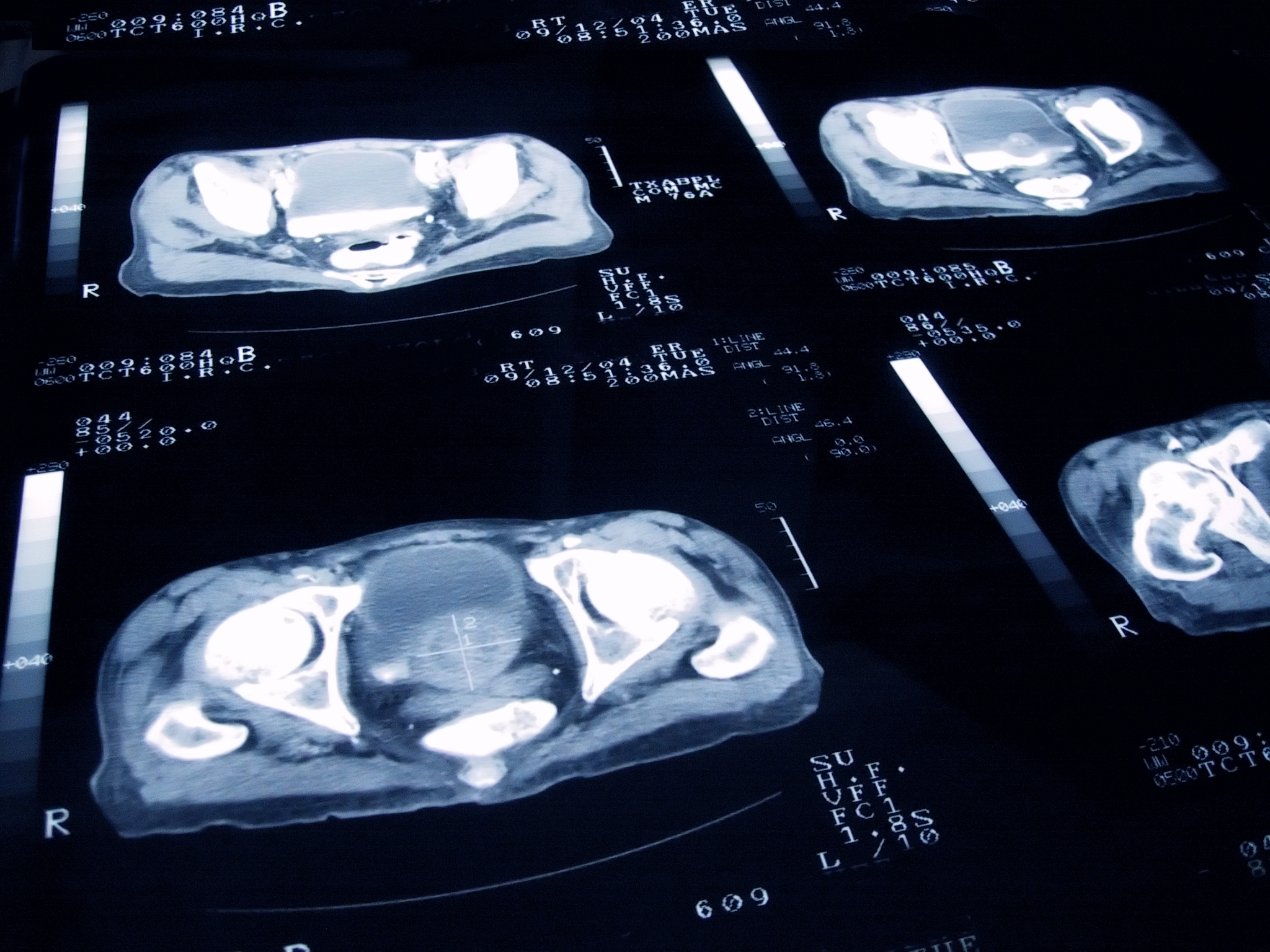
Scans Can Reveal Hidden Prostate Cancer Progression
A large analysis of two major clinical trials has found that the spread of prostate cancer can be detected on imaging scans even when biomarkers remain stable, according to a study published in the Journal of Clinical Oncology.
-
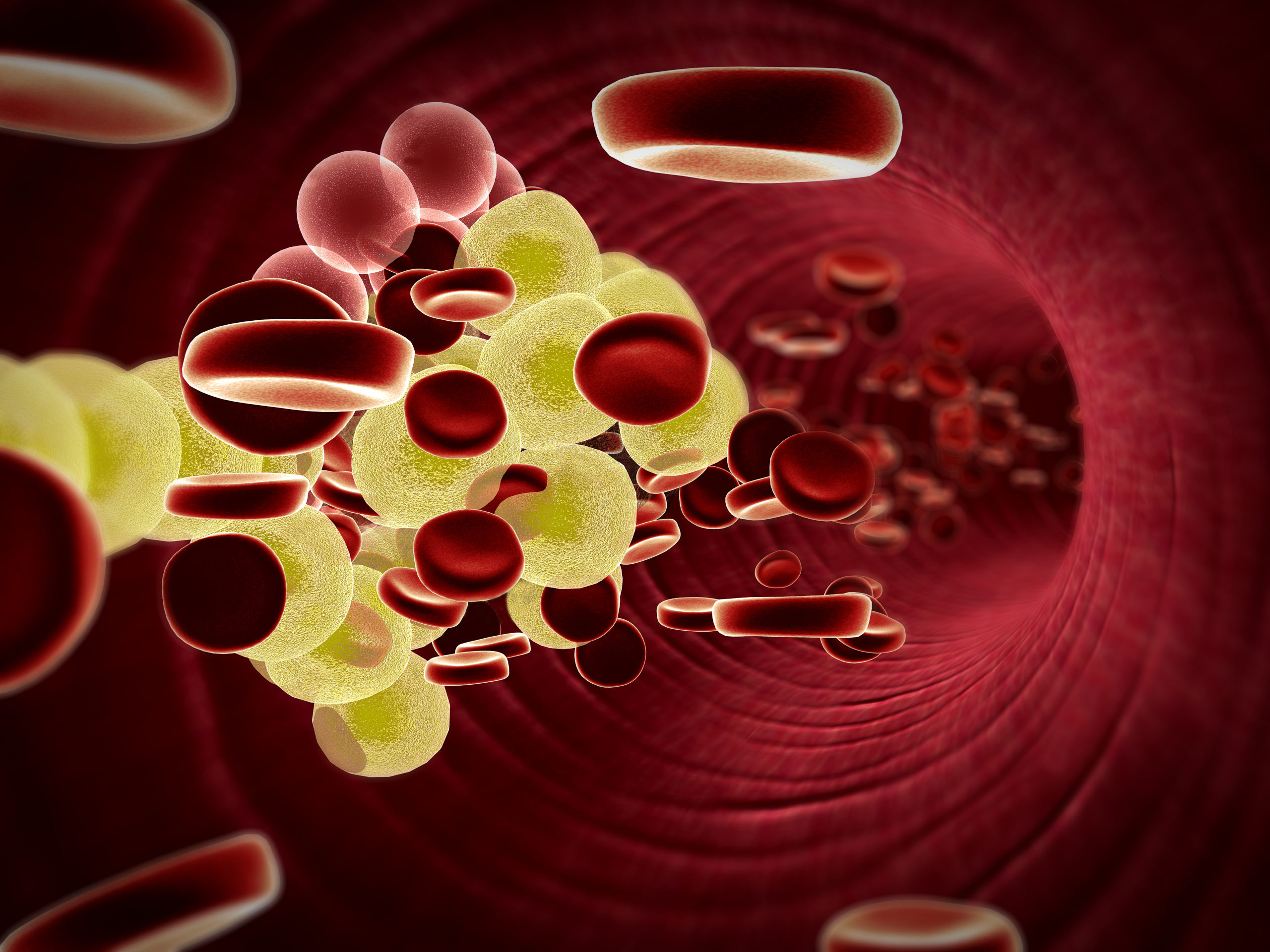
Little-Used Cholesterol Test Could Prevent More Heart Attacks, Strokes
A new Northwestern Medicine study published in JAMA has found that a little-used cholesterol test outperformed standard tests in guiding cholesterol-lowering therapy.
-
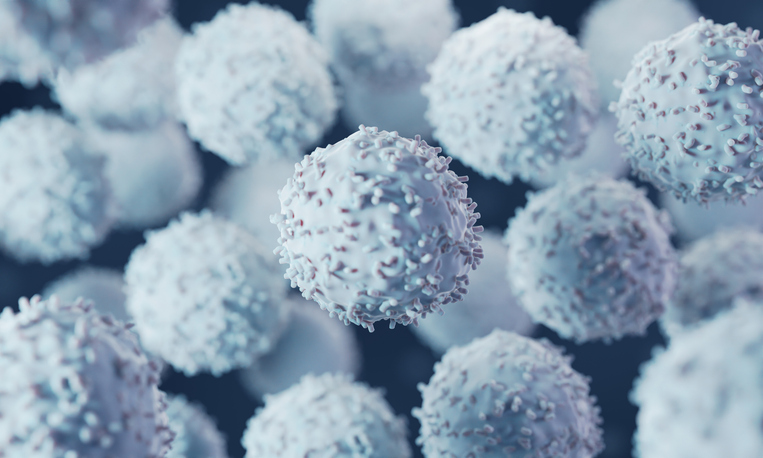
Overlooked Cells Linked to Poor Outcomes in Breast Cancer
A little-studied group of cancer cells circulating in the bloodstream may play a bigger role in breast cancer progression than previously thought, according to new research published in Science Translational Medicine that sheds light on how the disease spreads and why some patients fare worse than others.