Tag: Health and Lifestyle
-
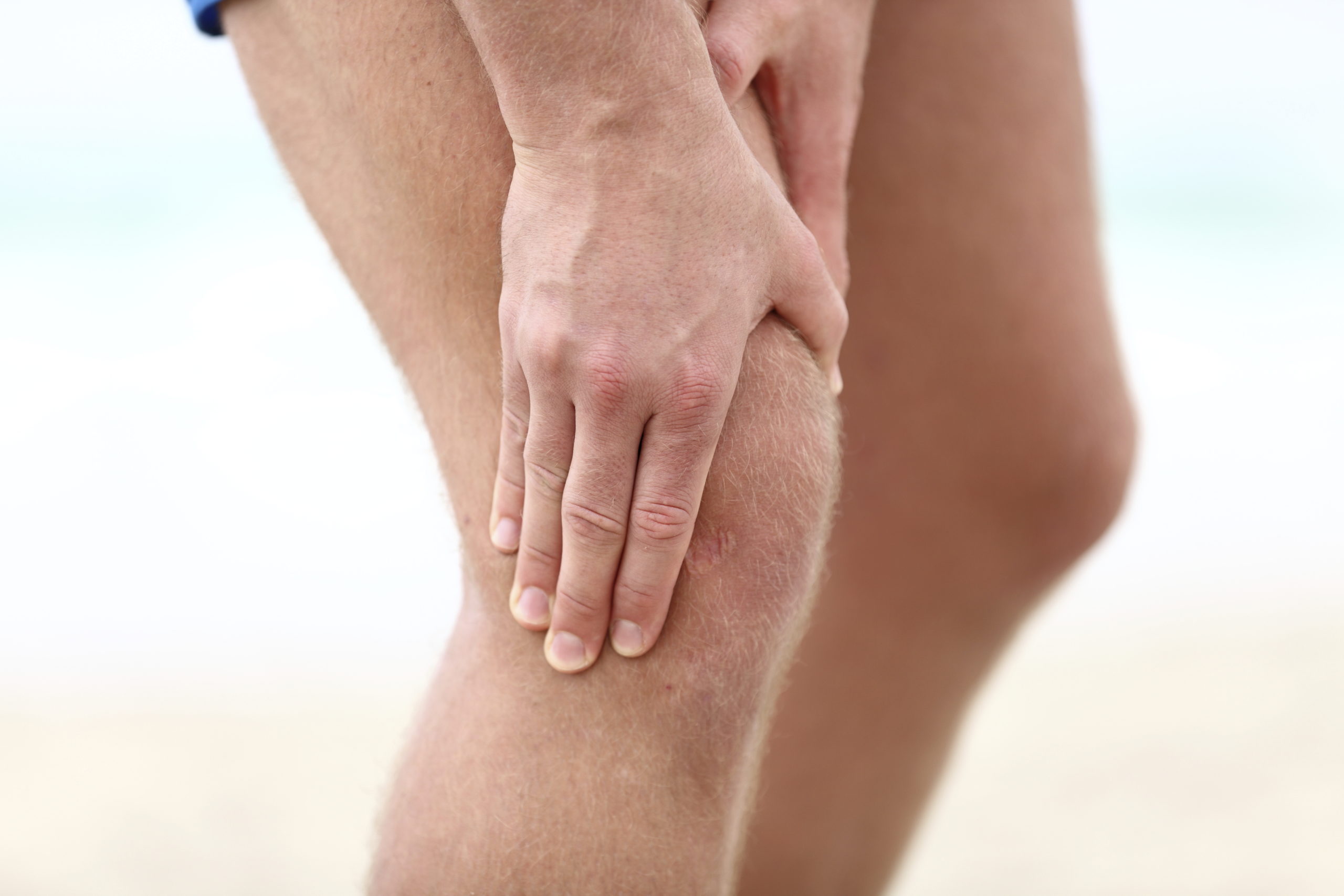
Detecting Early Stage Knee Osteoarthritis
Northwestern Medicine scientists found that lesions seen in MRIs of knees without any x-ray signs of osteoarthritis predict the development of persistent symptoms of the disease and the first appearance of cartilage damage.
-

Stress Increases Women’s Chance of Cardiovascular Disease
A study analyzed data from 82,000 women to see how stressful life events and social strain affect future development of coronary heart disease and stroke.
-
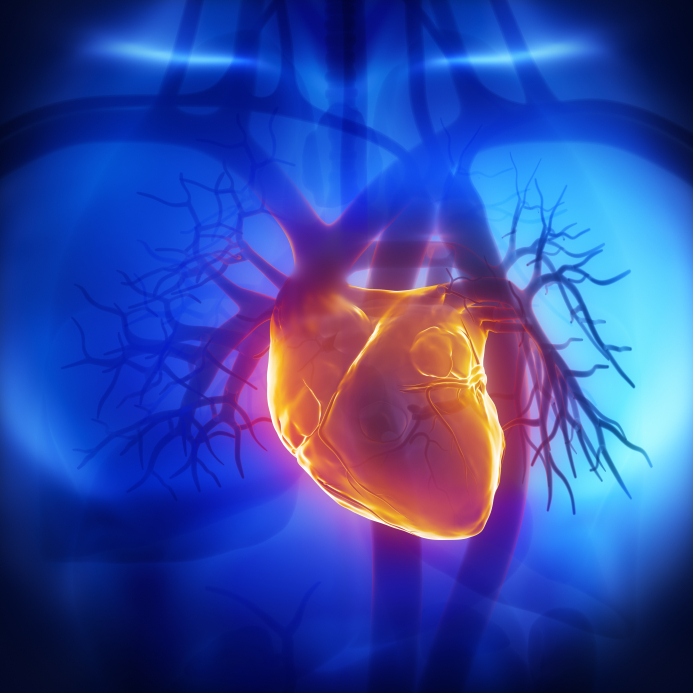
Scientists Find Heart Disease Can Be Reversed by Adopting Healthy Habits
Northwestern Medicine study found when adults in their 30s and 40s drop unhealthy habits they can potentially reverse the natural progression of coronary artery disease.
-
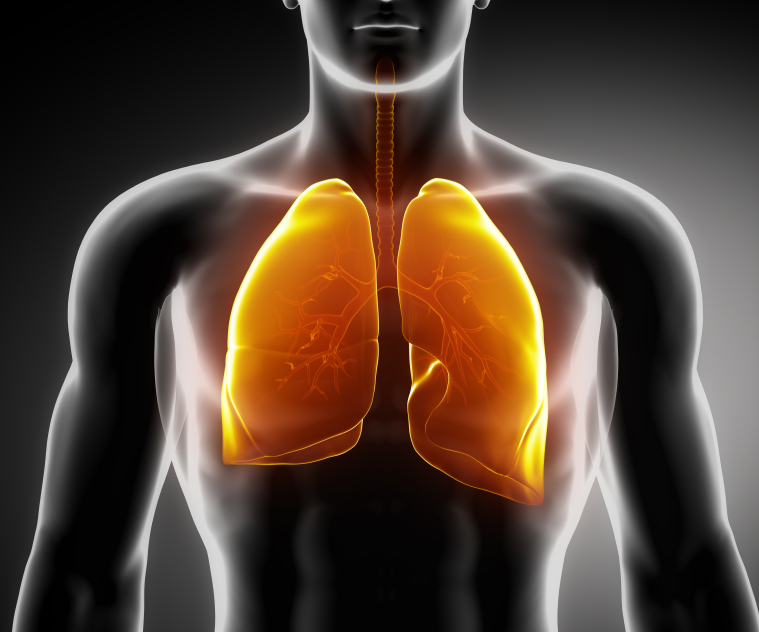
Vitamin E in Canola and Other Oils Hurts Lungs
Study upends our understanding of vitamin E and ties the increasing consumption of supposedly healthy vitamin E-rich oils to the rising incidence of lung inflammation and, possibly, asthma.
-

Study Links Light Exposure to Weight
The timing, intensity and duration of an individual’s light exposure during the day correlates to their body mass index.
-

New Sitting Risk: Disability After 60
Study is the first to show sedentary behavior is its own risk factor for disability, separate from lack of moderate vigorous physical activity.
-

Role of Nutrition Gains Importance in Medical Education
Linda Van Horn, PhD, RD, professor in Preventive Medicine, discusses the role of nutrition in the education of medical students and in research at the medical school.
-

Walking at Home Improves Speed, Endurance for PAD Patients
Mary McDermott, MD, professor in general internal medicine and geriatrics and preventive medicine, recently published a study in JAMA that may change clinical guidelines for patients with peripheral artery disease (PAD).
-

When to Worry about Kids’ Temper Tantrums
Temper tantrums in young children can be an early signal of mental health problems, but how does a parent or pediatrician know when disruptive behavior is typical or a sign of a serious problem?