Tag: Biochemistry and Molecular Genetics
-

Targeting Bicarbonate in Cancer
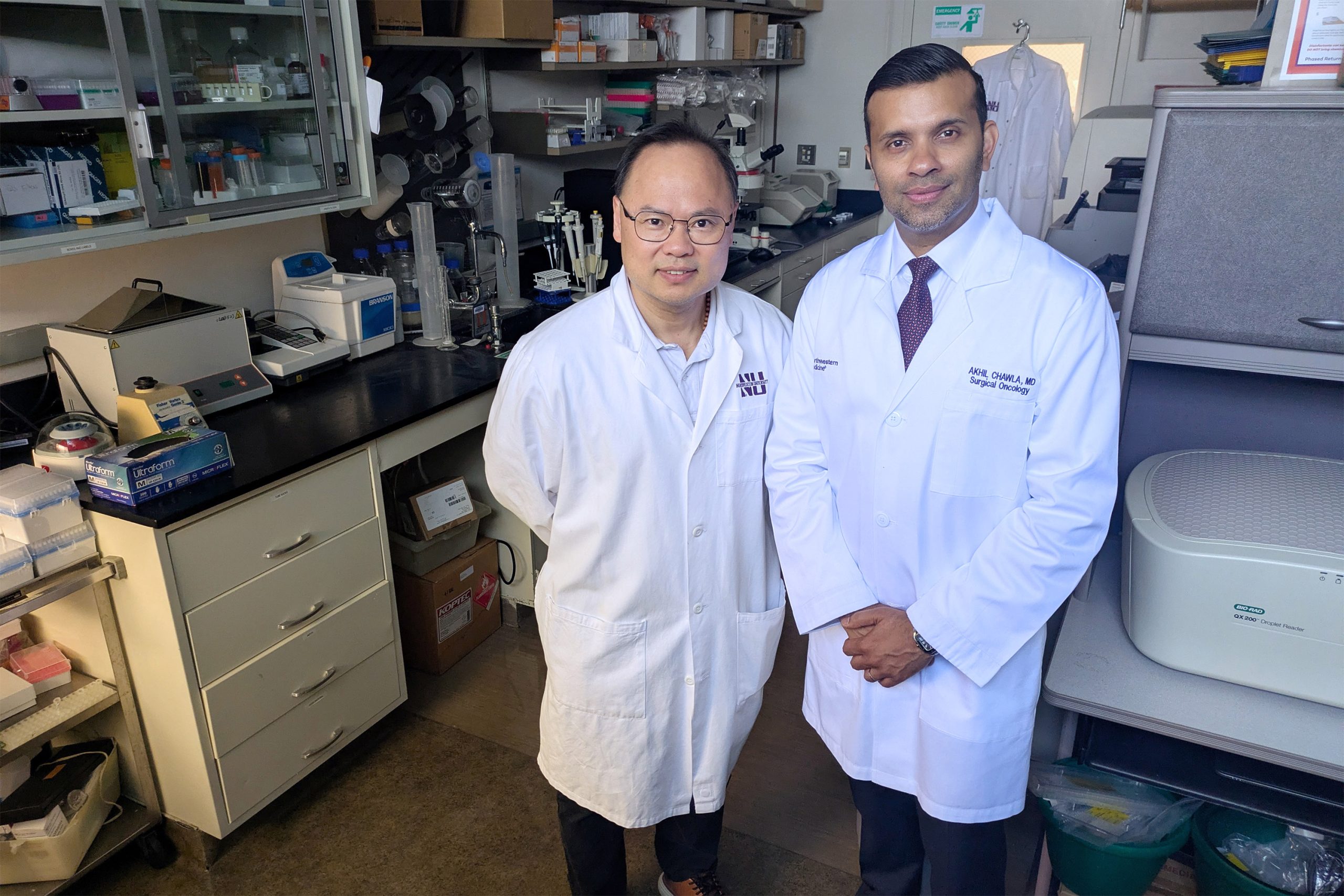
Bicarbonate ions are required for cell growth in some cancers, according to a Northwestern Medicine study.
-
Exploring New Roles for Non-coding RNA
Recent studies have pointed to an expanded role for non-coding RNA, according to a Northwestern Medicine review.
-
Mitochondrial Respiratory Chain Sustains Inflammation
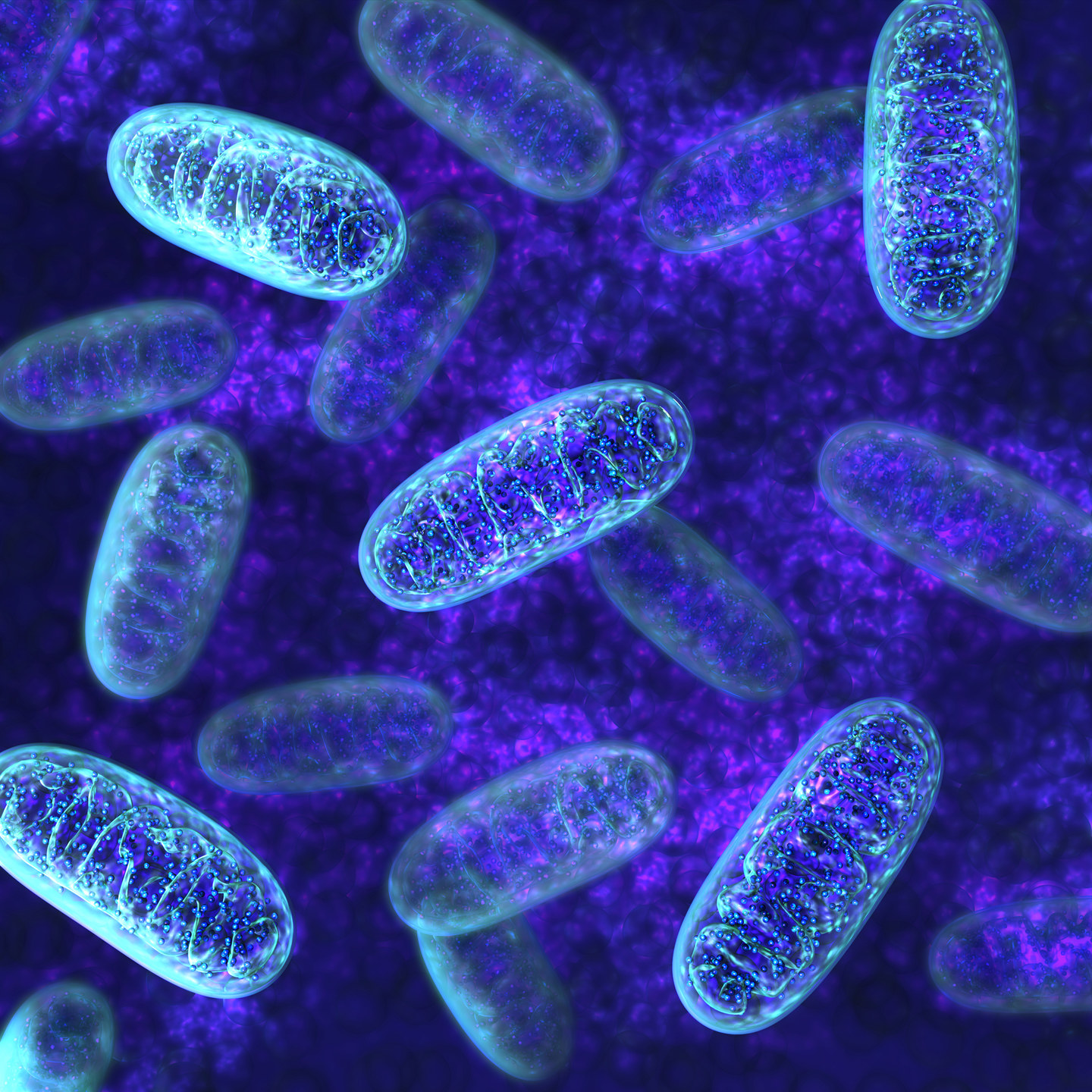
A Northwestern Medicine study published in Nature Immunology has discovered that mitochondria control the activation of a specific protein complex linked to inflammation and the progression of chronic diseases.
-
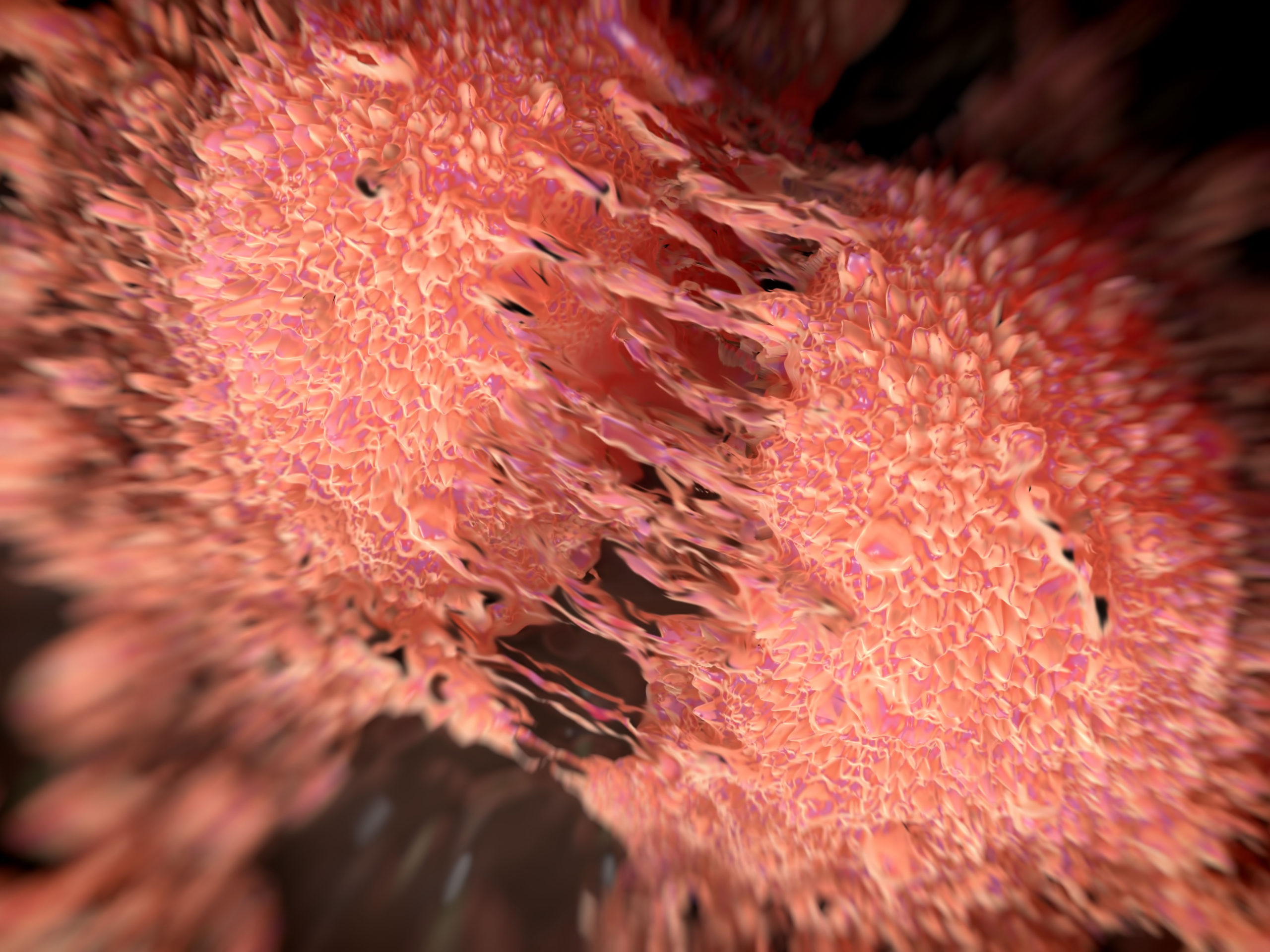
New Regulator of Prostate Cancer Metastasis Discovered
A transcription factor associated with androgen receptor activity in prostate cancer has a newly discovered role in controlling lipid biosynthesis.
-
Identifying Mechanisms of Methylation in Stem Cells
Northwestern Medicine scientists identified critical regulatory processes that govern differentiation in embryonic stem cells.
-
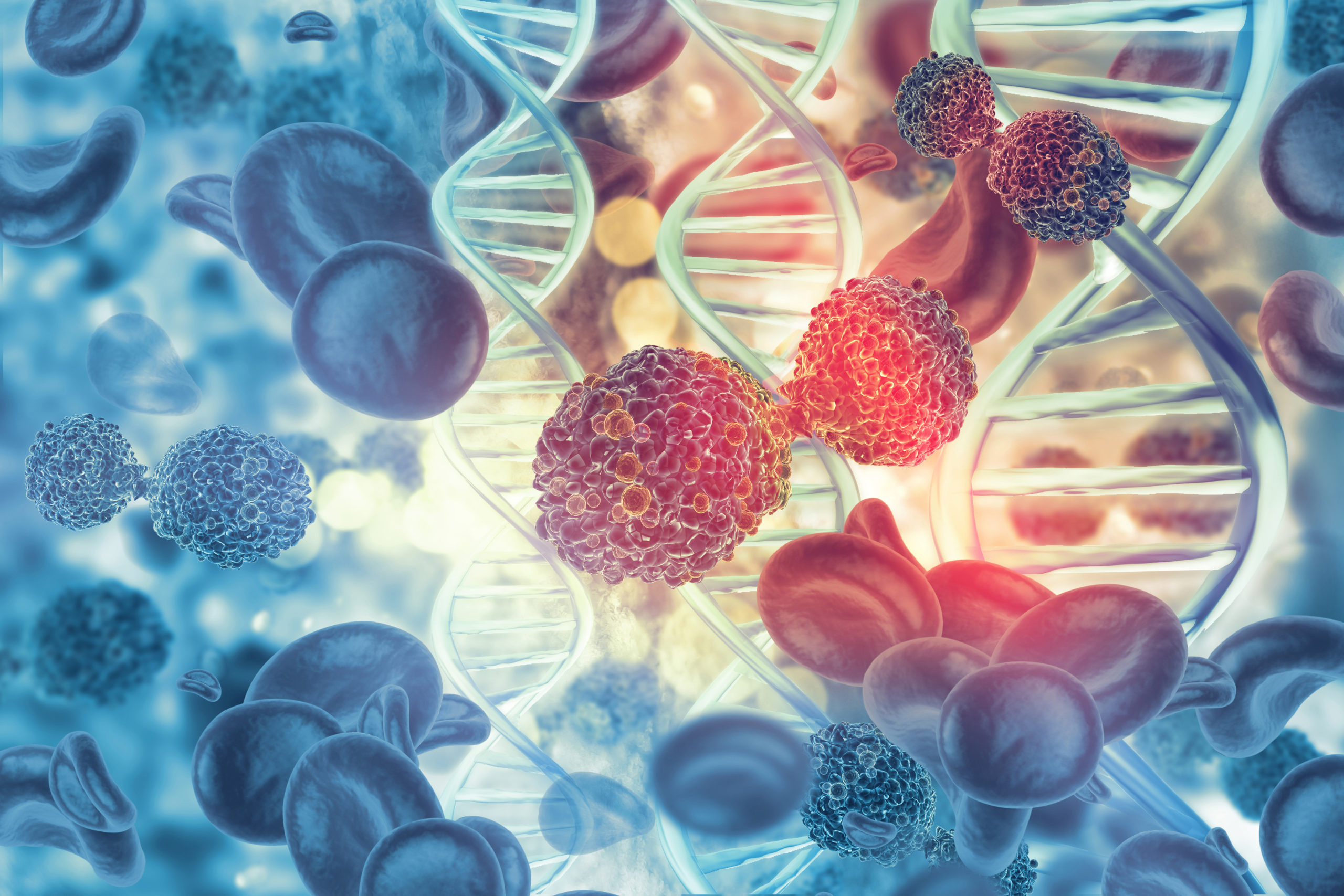
Transcription Factors Cooperate to Promote Cancer Growth
A well-established cancer cell transcription factor and its newly identified co-factor work together to drive cancer cell proliferation, according to a Northwestern Medicine study published in Science Advances.
-
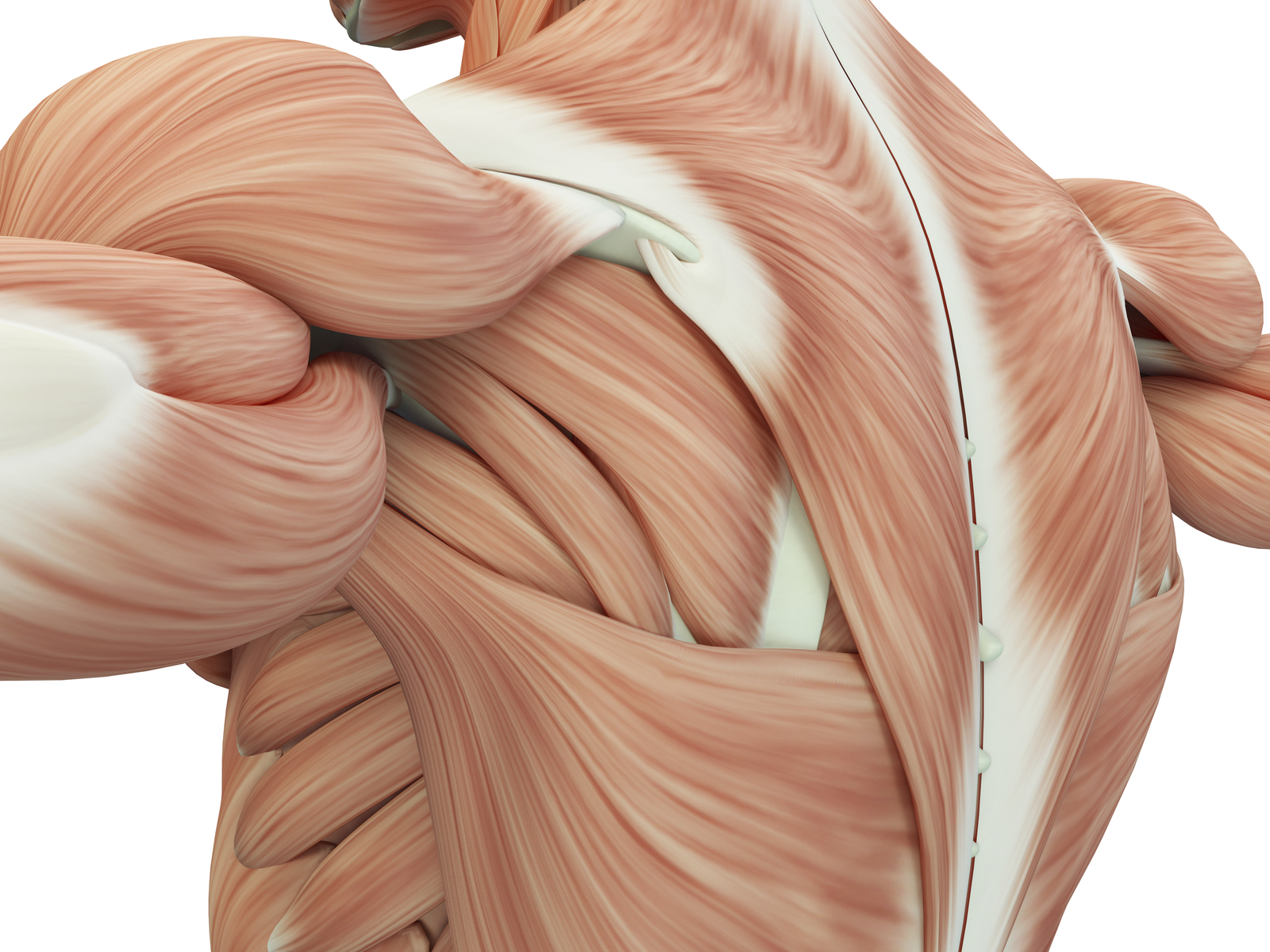
Glucocorticoids Enhance Muscles Through Sex-Specific Pathways
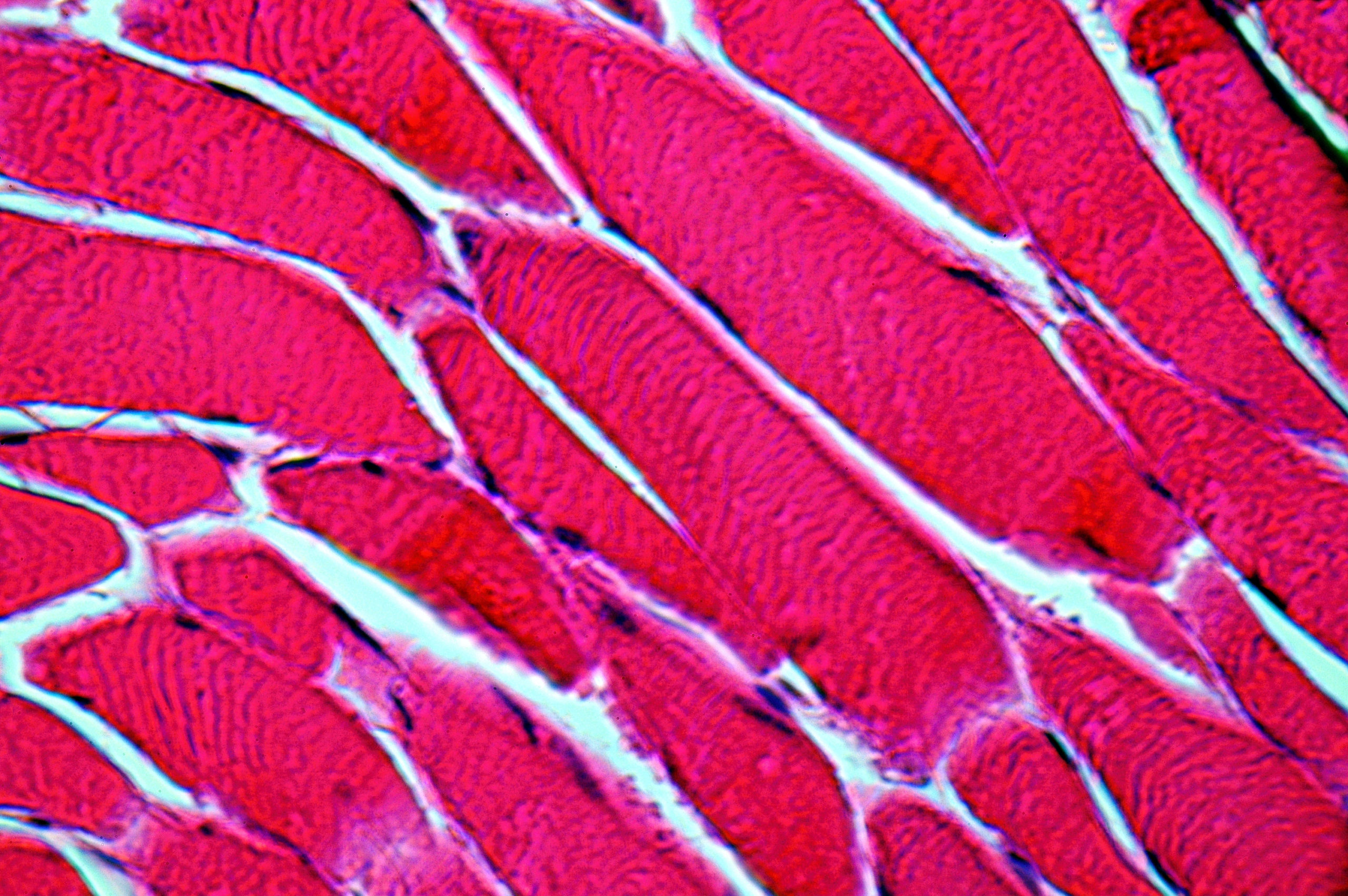
Glucocorticoid steroids improved muscle performance through distinct, sex-specific mechanisms, according to a Northwestern Medicine study.
-

Investigators Identify New Connections Between Circadian Rhythm and Muscle Repair
Northwestern Medicine investigators have discovered a novel mechanism that connects circadian rhythm-controlled cellular metabolism and regeneration with muscle repair after injury.
-

Genetic Variant of High-risk Childhood Leukemia Revealed
A genetic mutation changing just one base pair of nucleotides greatly increases risk of a lethal subtype of childhood acute lymphoblastic leukemia, according to a recent study.
-
Protein ‘Chaperone’ Plays Dual Role in DNA Replication
The protein UBR7 acts as a histone chaperone and regulates nucleotide metabolism, making UBR7 among the first proteins known to affect both processes.