Tag: Biochemistry and Molecular Genetics
-

Feinberg Faculty Inducted into the National Academy of Medicine
Northwestern Medicine physician-scientists whose discoveries have advanced the understanding and treatment of cancer have been inducted into the National Academy of Medicine, one of the nation’s highest honors in health and medicine.
-

Genetic Toolkit May Improve Study of Gut Bacteria’s Role in Disease
A novel genetic toolkit may improve the study of how Clostridia bacteria in the gut contribute to disease and reveal new molecular mechanisms that may serve as effective therapeutic targets, as detailed in a recent study published in Nature Biotechnology.
-
Novel Spatial Technology May Improve the Understanding of Cancer Biology
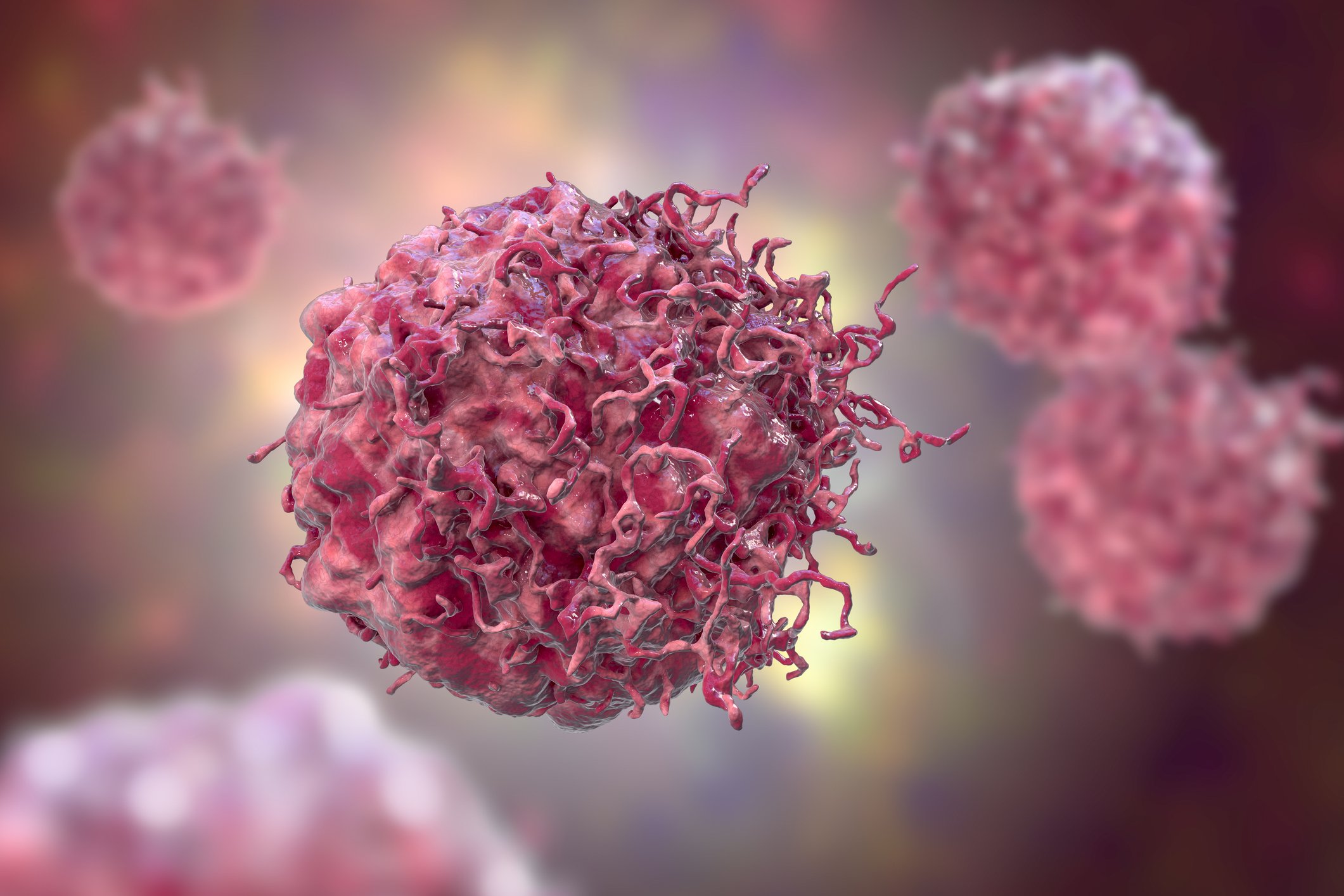
Northwestern Medicine scientists have developed a novel high-resolution 3D spatial genomics platform that may enhance future research about how genome organization and genetic alterations contribute to the development of disease, including cancer, as detailed in a recent study published in Nature Methods.
-

AI-Guided Study Uncovers Drug Targets for Psoriasis
A new study from Northwestern Medicine investigators, in collaboration with Biohub, a program of the Chan Zuckerberg Initiative, has identified potential drug targets for treating psoriasis, according to the study published in Nature Communications.
-
‘Leaky’ Muscle Fibers Drive Immune Response in Muscular Dystrophy
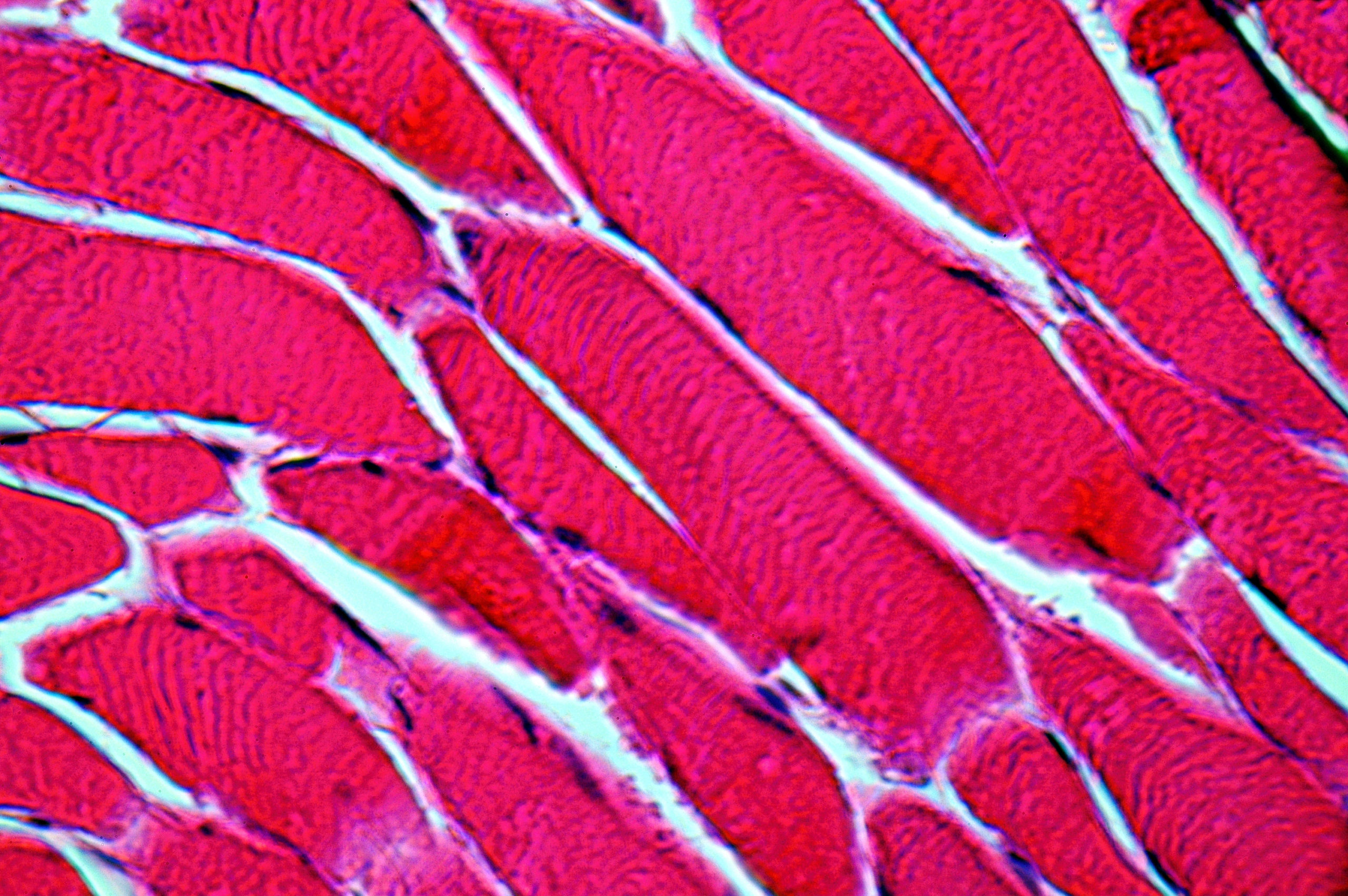
A Northwestern Medicine study has uncovered how chronic defects in muscle membrane repair can fuel harmful inflammation, according to the study published in JCI Insight.
-

Examining the Impact of Aging on Critical Cellular Processes
A new Northwestern Medicine study published in the Proceedings of the National Academy of Sciences has explored the impacts of aging on essential cellular processes, findings that could shape the development of future anti-aging therapeutic strategies.
-

Intracellular Mechanisms Promote Tumor Survival During Hypoxia
Northwestern Medicine scientists have for the first time described the underlying mechanisms that regulate how cells rapidly change gene expression in response to hypoxia, a key feature of many treatment-resistant tumors, according to a recent study published in Science Advances.
-

Blood Test May Predict Immunotherapy Response in Head and Neck Cancer
A new Northwestern Medicine study suggests that a simple blood test could help identify which patients with head and neck cancer are most likely to benefit from immunotherapy, according to a study published in the Journal of Clinical Investigation.
-
Novel Synthetic Biomolecule Degrades Disease-Related Proteins
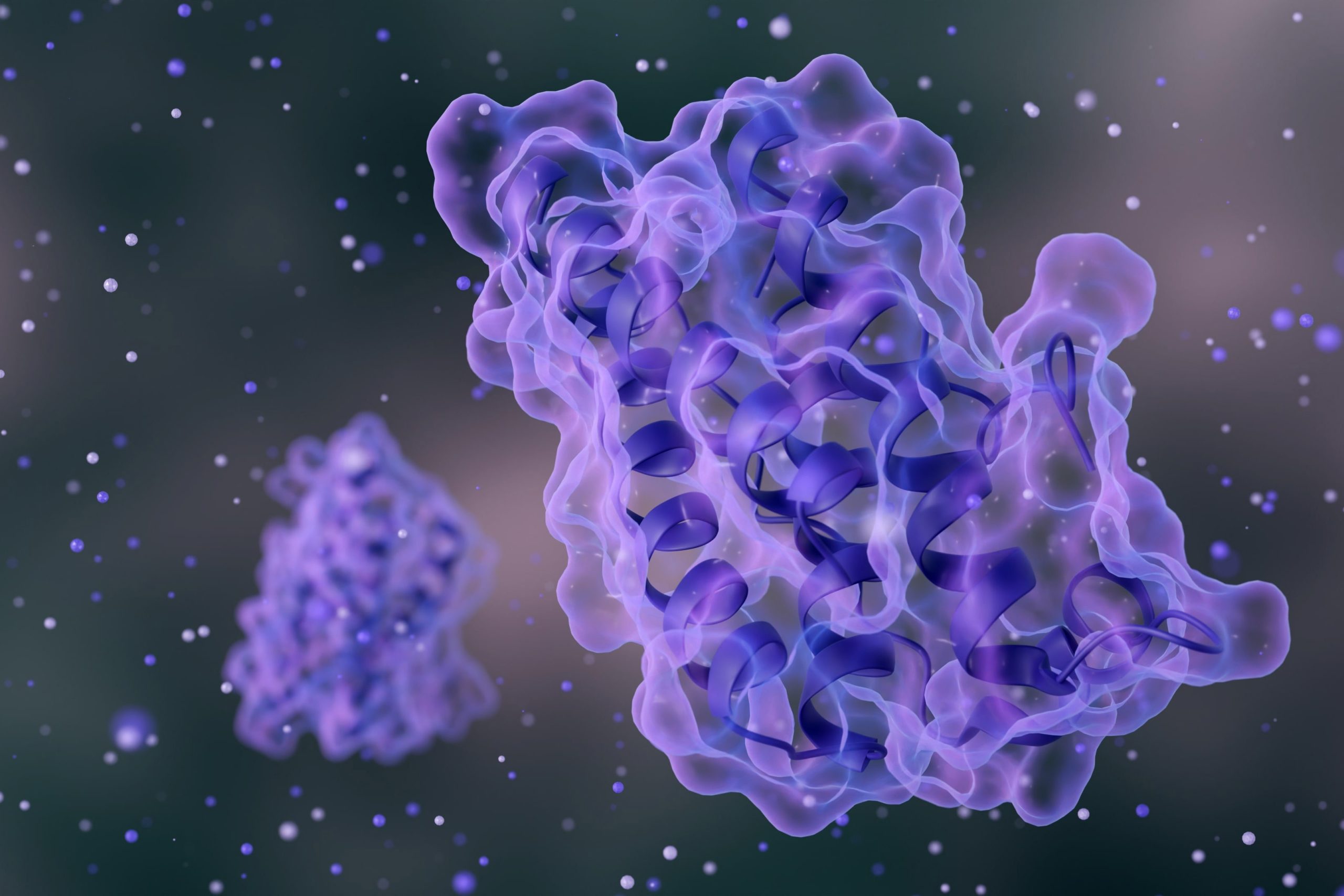
Northwestern Medicine scientists have developed a novel synthetic biomolecular condensate that can target and degrade intracellular disease-causing proteins, providing a framework for new therapeutic approaches for a wide range of diseases, as detailed in a recent study.
-

‘Toxic’ Molecule Plays Vital Role in Gene Regulation and Development
A molecule once thought to be a harmful metabolic byproduct may play a crucial role in early development and gene regulation, according to a new study published in Nature that challenges decades of biochemical assumptions.