Byline: Marla Paul
-

Emergency Visits For Childhood Food Allergy On Rise In Illinois
Emergency room visits and hospitalizations for severe allergic reactions climbed 29 percent per year over 5 years, according to a new Northwestern Medicine study.
-
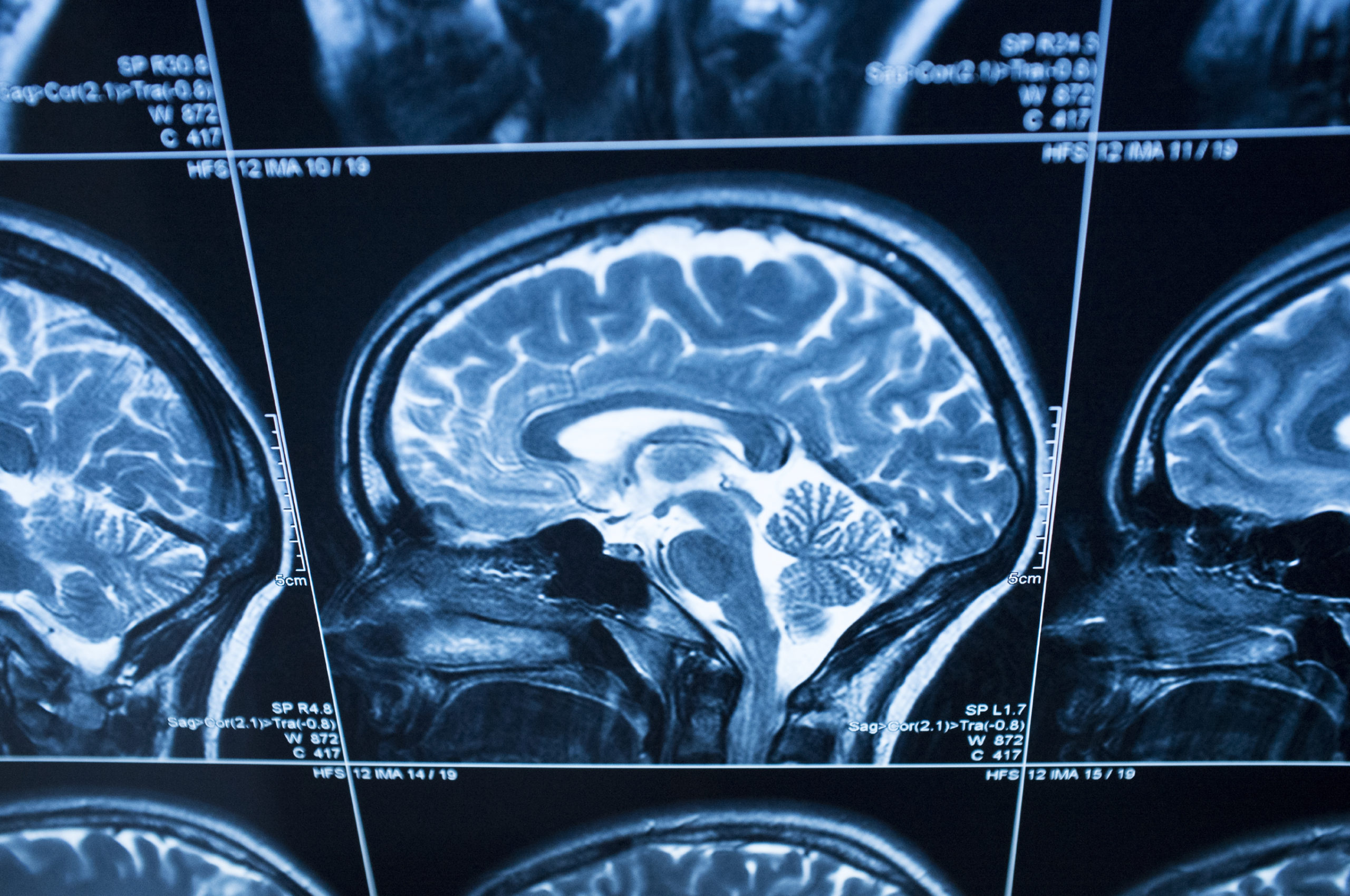
Redrawing Language Map of the Brain
Studying patients with a rare form of dementia called primary progressive aphasia has given scientists a new understanding of the way the brain comprehends language.
-
HIV’s Sweet Tooth Is Its Downfall
A study shows that an experimental compound has promise for attacking HIV via a new route – cutting off the virus’s pipeline of sugar and nutrients.
-
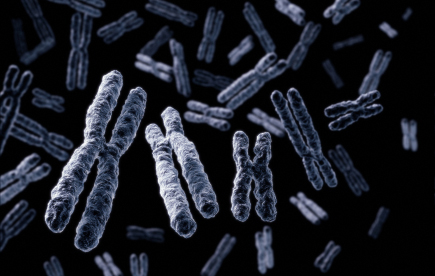
Telomere Changes Predict Cancer
A distinct pattern in the changing lengths of telomeres years before cancer diagnoses could yield a new biomarker that predict cancer, according to a new study.
-

Northwestern Creates $200,000 Nemmers Prize In Medical Science
Northwestern University has established a $200,000 prize to be awarded to physician-scientists whose body of research exhibits outstanding achievement in their disciplines, the Mechthild Esser Nemmers Prize in Medical Science.
-

New Apps Deliver Treatment For Depression And Anxiety
Northwestern Medicine scientists have developed a suite of interactive smartphone mini-apps designed to deliver treatment for depression and anxiety directly to a user.
-
Childhood Cancer Survivors Face Chronic Health Problems
The majority of children who survive cancer in the U.S. face chronic health problems related to their treatment, according to a new Northwestern Medicine study.
-

Sexual Dysfunction Inadequately Reported In Hair Loss Drug Trials For Men
Male baldness clinical trials did not adequately report sexual dysfunction, which may persist long-term, according to a Northwestern Medicine meta-analysis of published reports of clinical trials of the drug finasteride.
-
Teen Cannabis Users Have Poor Long-Term Memory In Adulthood
A new study shows that teenagers who had previously been heavy users of marijuana performed worse on long-term memory tests than those who never used cannabis, and they had abnormally shaped hippocampuses.
-

Louis Simpson And Kimberly Querrey Make $92 Million Gift To Northwestern For Biomedical Research
Northwestern University Trustee and alumnus Louis A. Simpson and his spouse Kimberly K. Querrey have made an additional $92 million gift to Northwestern University in support of the University’s biomedical research programs at Northwestern University Feinberg School of Medicine.