Author: kwm107
-
Immunosuppression Drug Could Reduce Chemotherapy Resistance
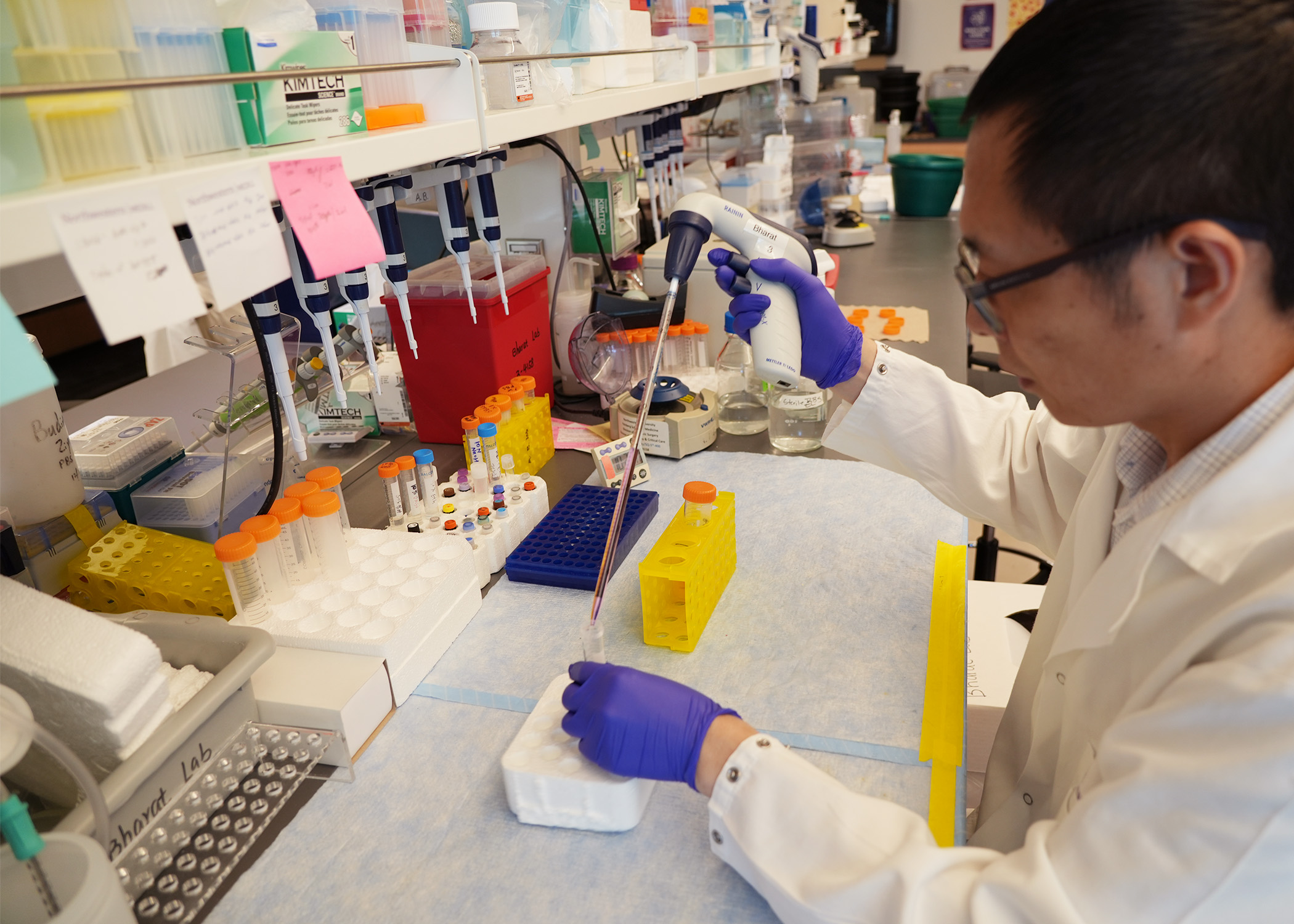
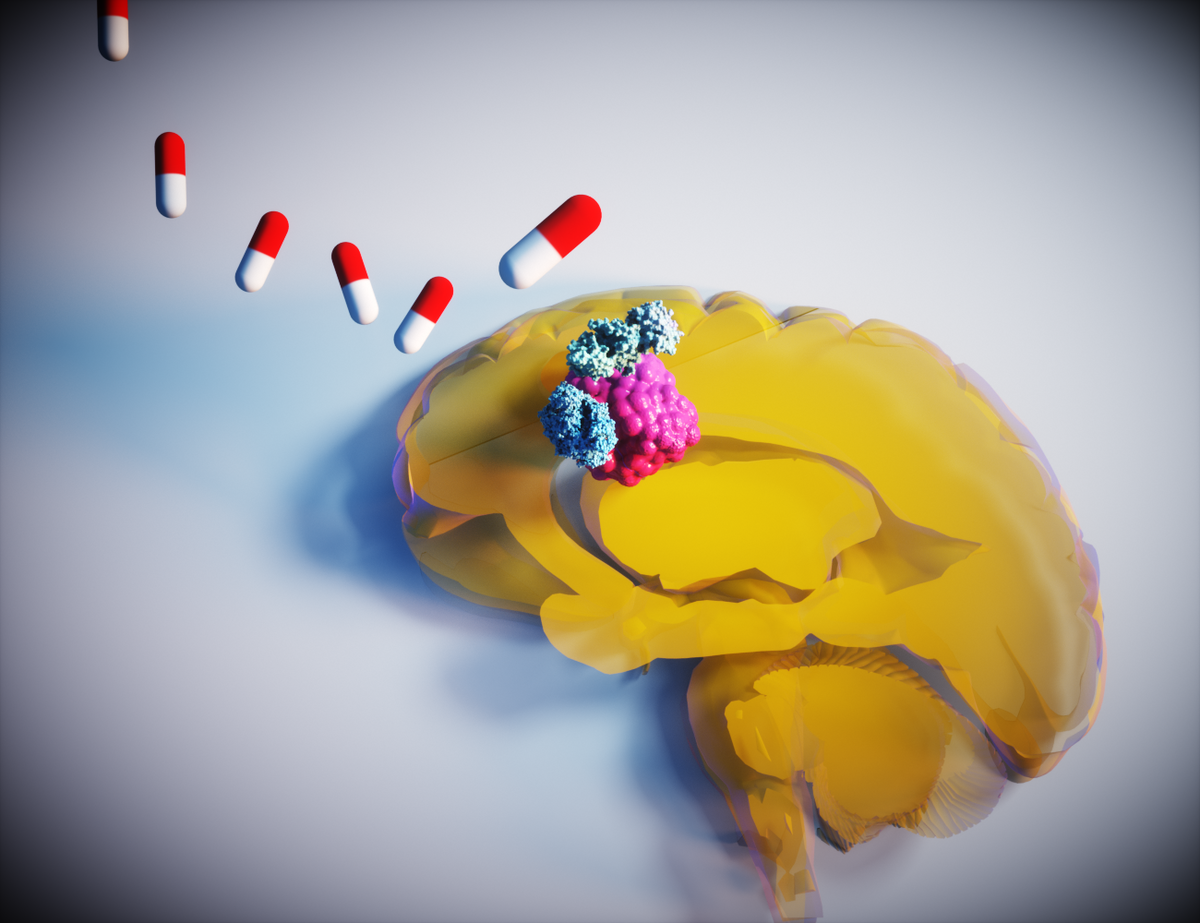
A drug currently used to prevent organ rejection in transplants could also reduce chemotherapy resistance in glioblastoma, according to a Northwestern Medicine study.
-
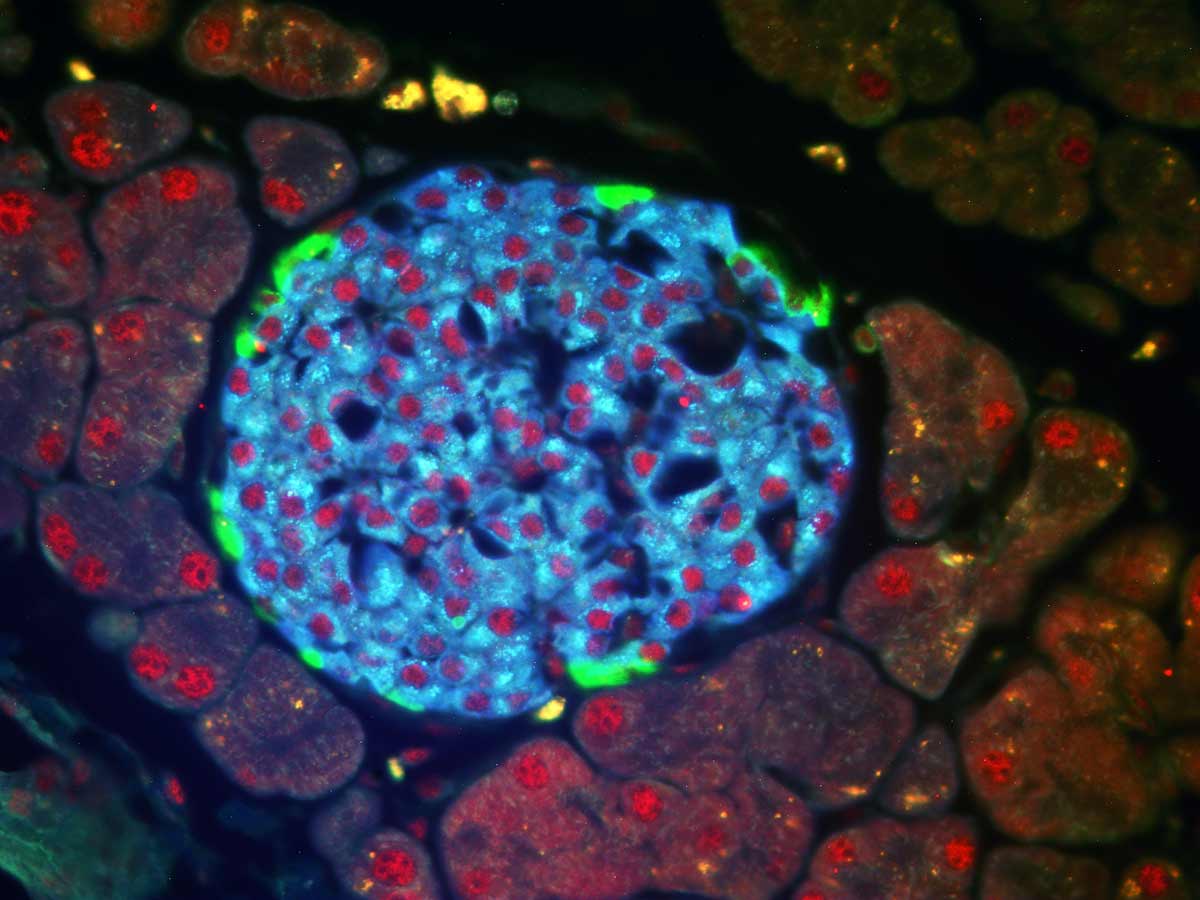
Modern Malady
One of the biggest diseases of the modern era is a pernicious cluster of risk factors called metabolic syndrome, and Northwestern scientists across disciplines are looking for new ways to understand, target, treat, and even prevent this syndrome, with the hopes of ultimately creating a much healthier nation.
-

Crosslinker Protein Helps Egg Cells Develop
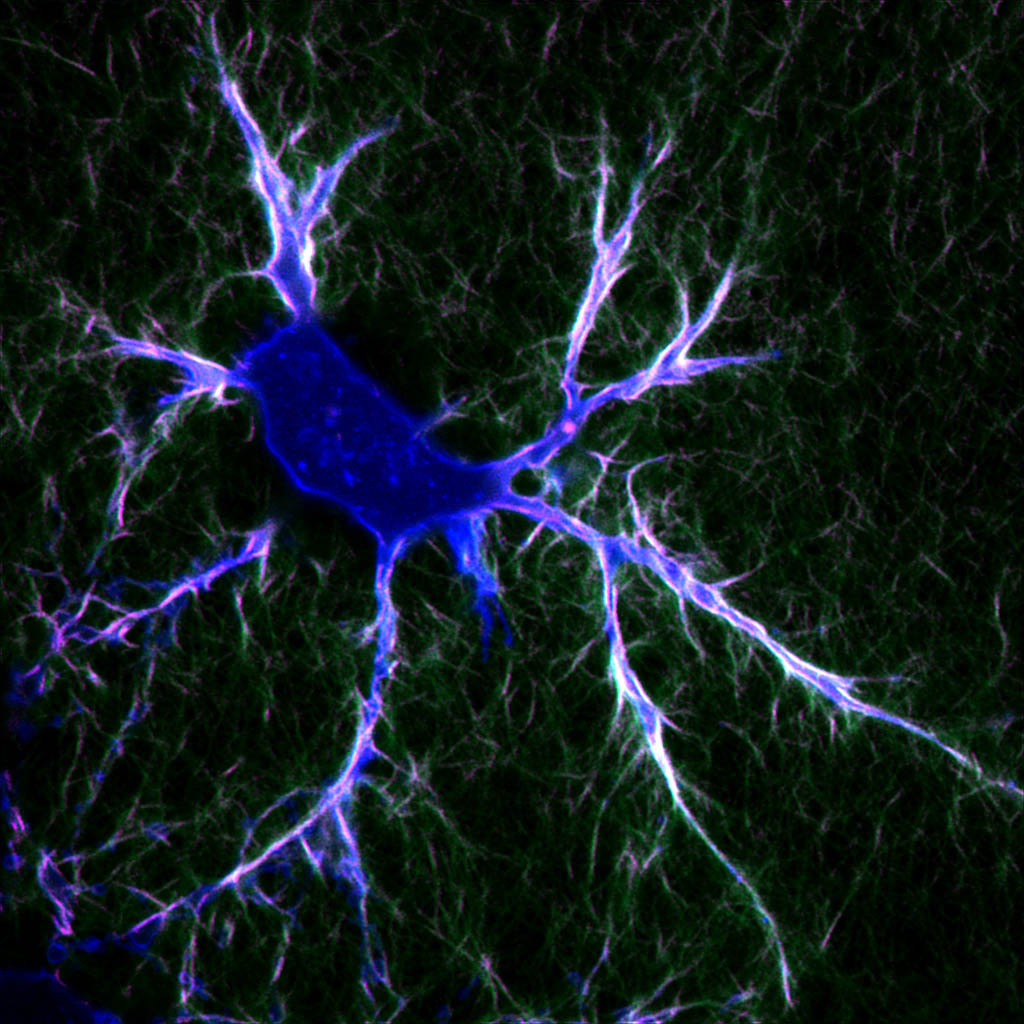
A protein helps direct the flow of materials in the Drosophila ovary during the development of egg cells, according to a Northwestern Medicine study.
-

Routine Medical Checkups Have Important Health Benefits
A new Northwestern Medicine study found while there is no clear proof that regular check-ups help adults live longer or prevent cardiovascular events, they still have many health benefits and should continue.
-

New Method to Untangle 3D Cancer Genome
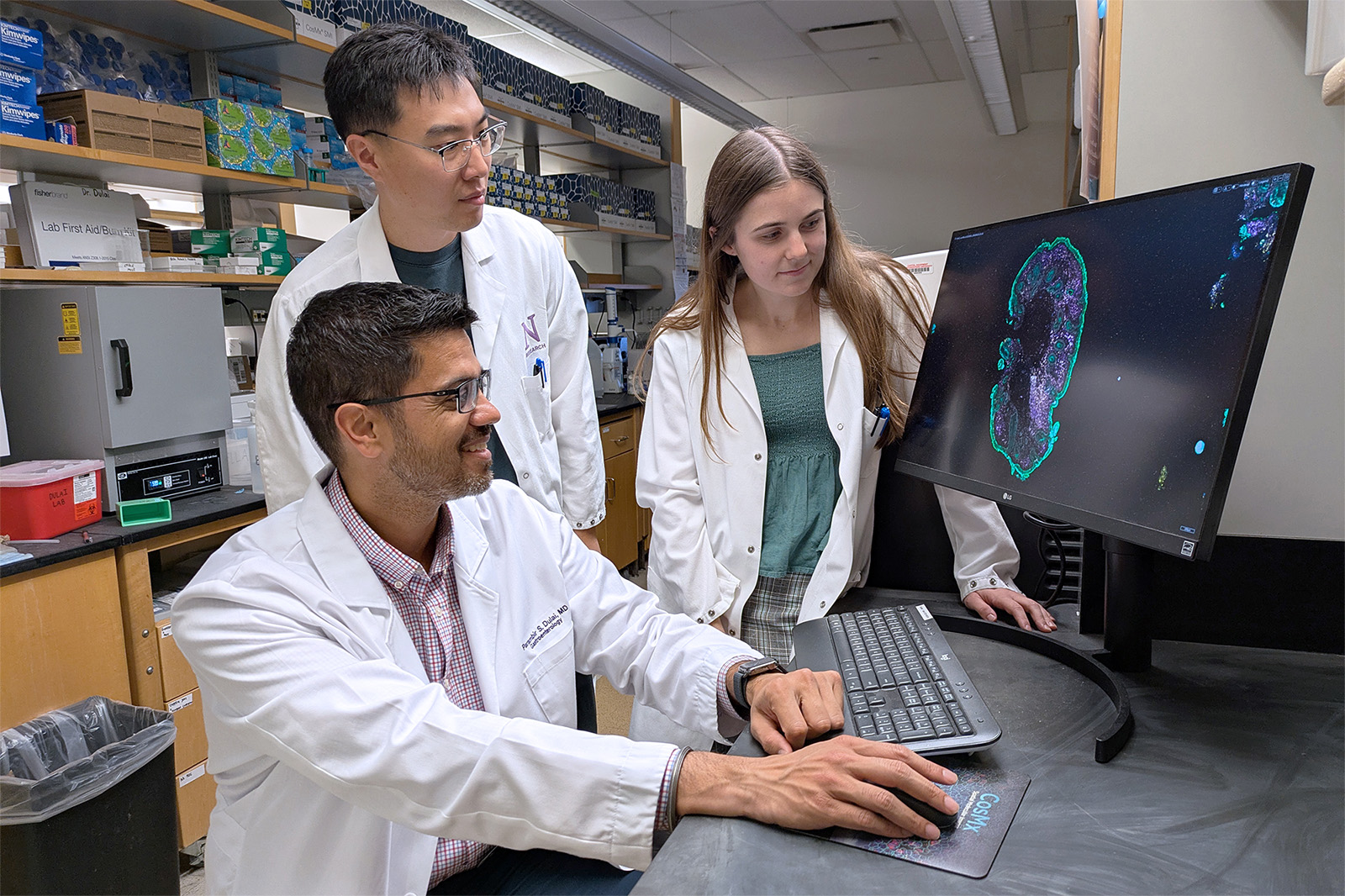
Northwestern Medicine scientists have described a method of reconstructing the three-dimensional structure of chromosomes in cancer cells and matching those chromosomes with counterpart oncogenes.
-

Physician Assistant Program Celebrates 2021 Graduation
Members of the Physician Assistant (PA) Program Class of 2021 were honored during a virtual commencement May 29, receiving their Master of Medical Science degrees.
-

3D Genome Structure Influences Cancer
For the first time, scientists have examined how the three-dimensional structure of chromatin can play a part in the development of bladder cancer and pediatric brain tumors, according to a pair of Northwestern Medicine studies.
-

Patients Need Monitoring for Atrial Fibrillation After Ischemic Stroke
Patients with ischemic strokes due to large or small vessel disease should undergo long-term monitoring for atrial fibrillation, according to a Northwestern Medicine study published in JAMA.
-

Student Consulting Group Serves Local Healthcare Organizations
Second Opinions, student-led pro-bono consulting group, helps guide organizational change at local healthcare groups, including improving fundraising and helping clinics evaluate their impact.
-

Enhanced Autophagy Could Help Treat Diabetes
Enhancing autophagy in fat could help treat diabetes, according to a Northwestern Medicine study published in Cell Reports.