Author: kwm107
-

New Immune Culprit Discovered in Alzheimer’s Disease
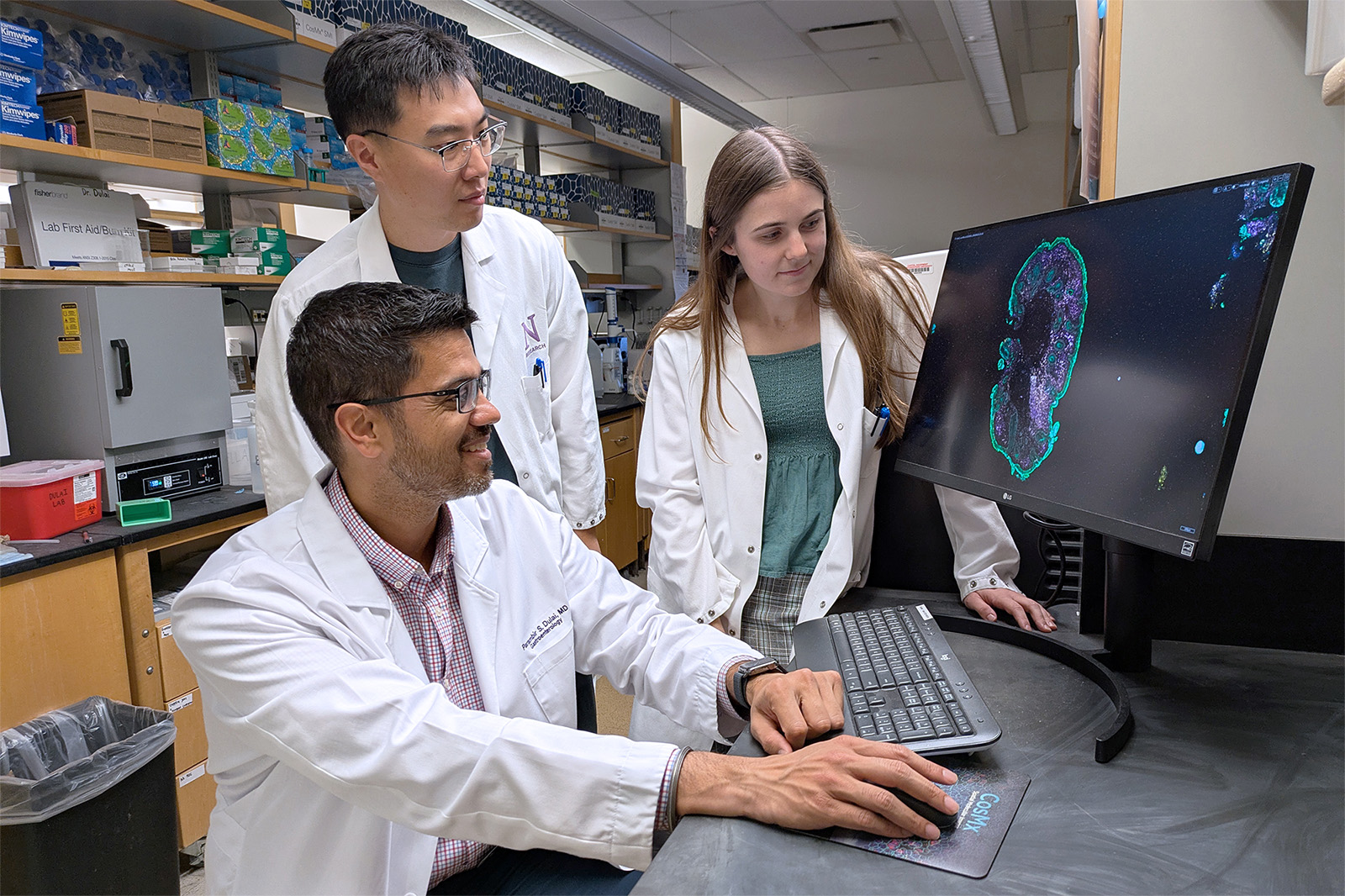
A new Northwestern Medicine study has discovered the role of cerebrospinal fluid in cognitive impairment, such as Alzheimer’s disease.
-

Aging Is Driven by Unbalanced Genes
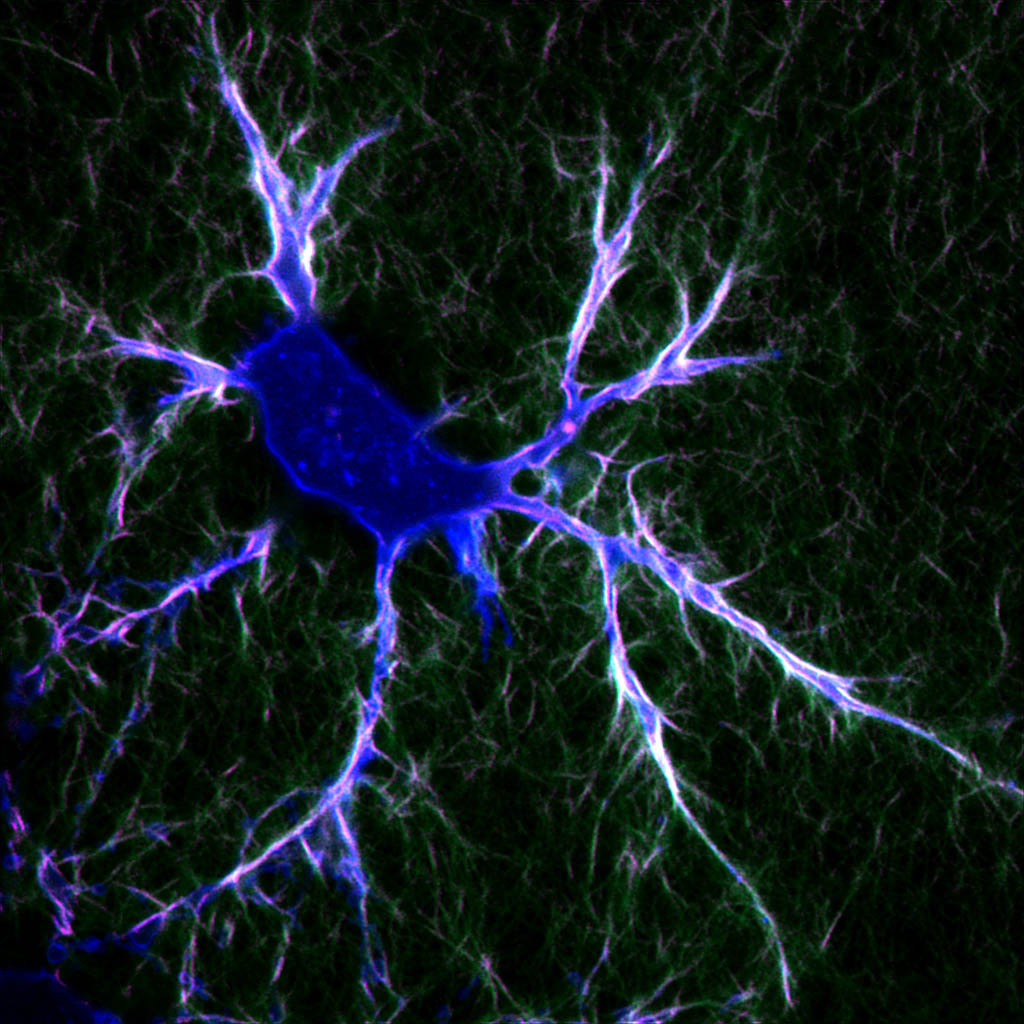
In a new study, Northwestern investigators used artificial intelligence to analyze data from a wide variety of tissues, and discovered that the length of genes can explain most molecular-level changes that occur during aging.
-

Racial, Ethnic Disparities in Swimming Skills Found Across Generations
A recent parent survey has identified intergenerational trends in swimming skills, with stark racial and ethnic differences.
-
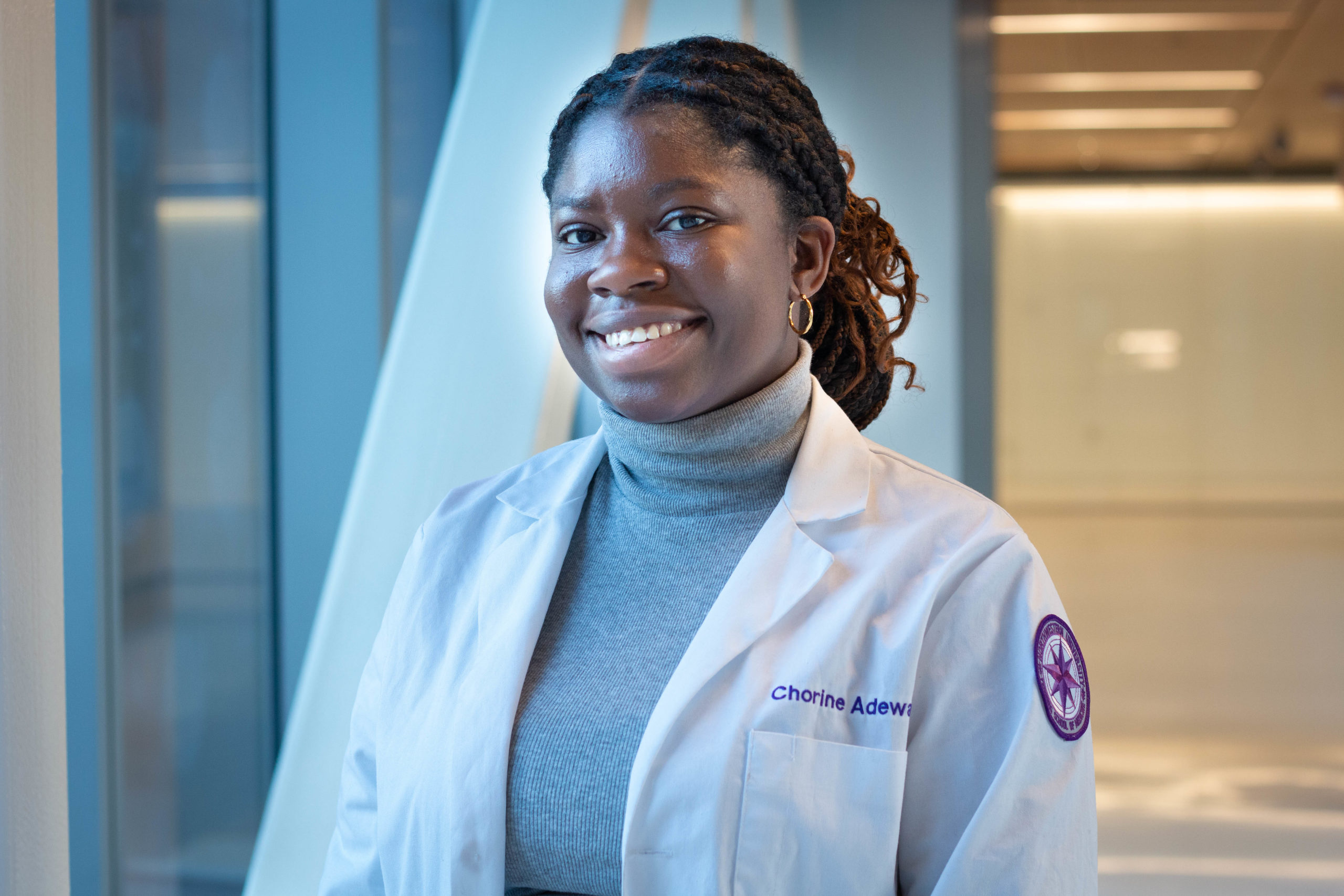
Medical Student Investigates Disparities in LGBTQ Healthcare
Chorine Adewale, a second-year medical student, analyzed data from a Chicago-based LGBTQ healthcare provider and found some patients may not be properly diagnosed because criteria don’t account for trans and gender non-conforming patients.
-

Global Health Day Highlights Education, Research and Outreach
Feinberg’s Robert J. Havey, MD Institute for Global Health hosted the 11th annual Global Health symposium on December 2, celebrating global health research, education and outreach efforts from Feinberg global health investigators, faculty, students and community partners.
-

Disability Advocacy Coalition Conference Fosters Inclusion, Education
Medical students and disability advocates gathered at the second Disability Advocacy Coalition in Medicine Interprofessional Virtual Conference to address ableism in medicine and medical education.
-

Five PA Students Awarded National Health Service Corps Scholarships
Five physician assistant students have been awarded scholarships from the National Health Service Corps Scholarship Program.
-

Mustanski Named Director of Third Coast Center for AIDS Research
Brian Mustanski, PhD, has been named director of the Third Coast Center for AIDS Research.
-

Re-Examining Antibodies’ Role in Childhood Allergies
The presence of food-specific IgA antibodies in the gut does not prevent peanut or egg allergies from developing in children, according to a Northwestern Medicine-led study published in Science Translational Medicine.
-

Genetic Testing for Epilepsy Improves Patient Outcomes
Genetic testing in epilepsy patients can inform treatment and lead to better outcomes in many cases, according to a study published in JAMA Neurology.