Year: 2026
-

Study Reveals Why Some Immune Disorders Trigger Severe Food Allergies — and Others Don’t
A new study has shed light on why patients with certain rare immune disorders develop severe, food‑triggered allergic reactions while others with similar diagnoses do not.
-

Inside the Feinberg Curriculum: The MD Program
A new video explores how Feinberg’s approach connects scientific discovery with clinical practice, preparing future physician leaders to advance patient-centered care and improve human health.
-

Targeting STING Pathway Triggers Cytotoxic and Immune Responses Against Meningioma
Northwestern Medicine scientists have discovered a potent immunotherapy approach for treating meningiomas, the most common type of primary brain tumor, according to a recent study published in Nature Communications.
-
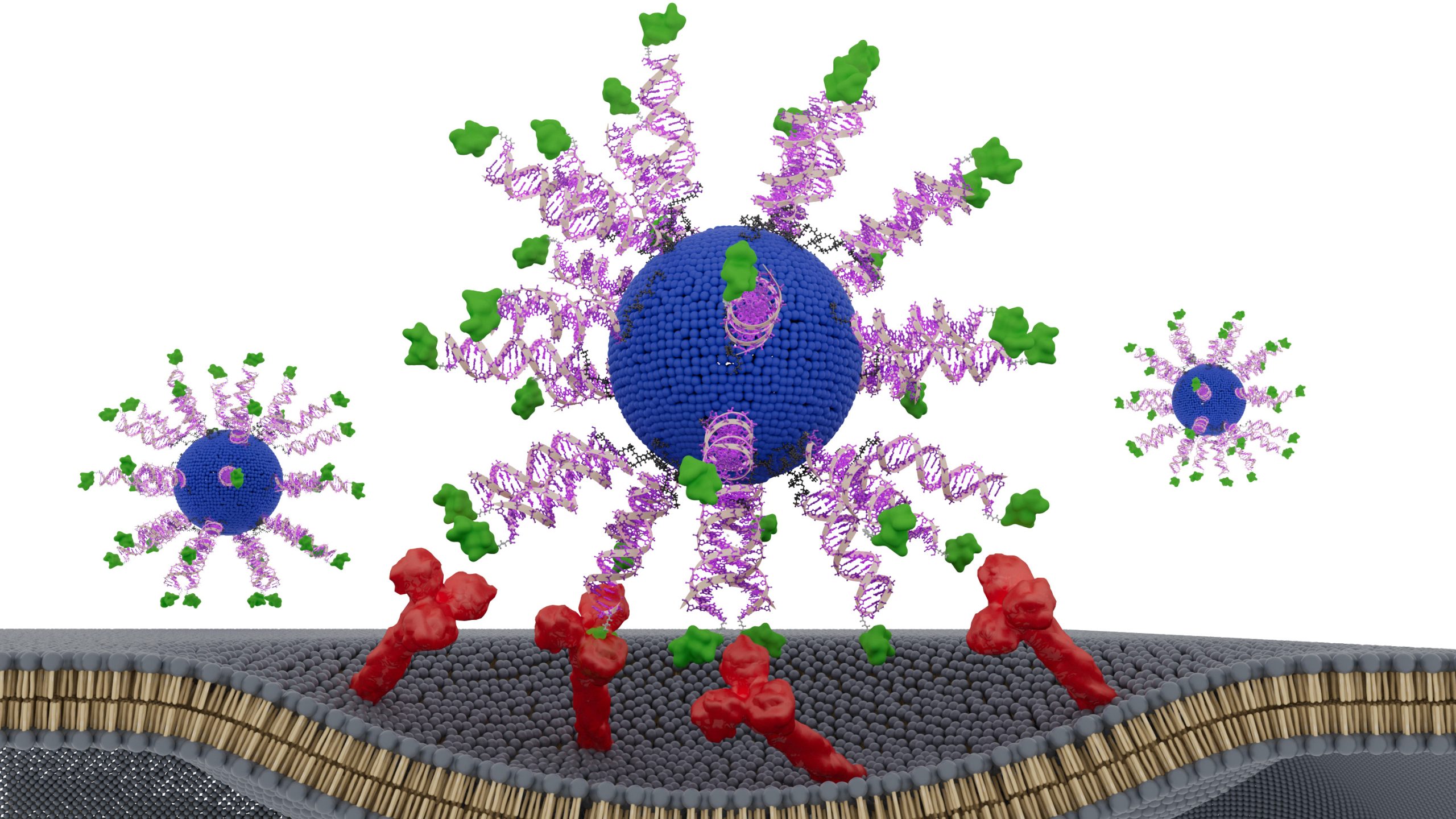
HPV Cancer Vaccine Slows Tumor Growth, Extends Survival in Preclinical Model
Northwestern scientists have discovered that systematically changing the orientation and placement of a single cancer-targeting peptide can lead to drug formulations that supercharge the immune system’s ability to attack tumors.
-

Experimental Stroke Drug Slows Bleeding but Doesn’t Improve Recovery
A global clinical trial has found that recombinant factor VIIa, a drug designed to rapidly slow bleeding in the brain after a hemorrhagic stroke, does not improve long‑term recovery for patients, according to a study published in The Lancet
-

Advancing Preventive Care and Cardiovascular Risk Prediction Through Online Tools
Recently named to the Time100 Health 2026 list, Sadiya Khan, MD, is establishing herself as a leader in preventive cardiology and calling for younger people to think about their heart health earlier in life.
-
Targeting Cellular Mechanisms May Improve Immune Response in Chronic Infections
Northwestern Medicine scientists have identified cellular mechanisms that cause immune cells to differentiate and ultimately lose function during viral infection, findings that could improve therapeutic strategies for controlling chronic infection, according to a recent study.
-
Transitions in Dermatology Leadership: Dr. Amy S. Paller to Step Down as Chair
Amy S. Paller, MD, the chair and Walter J. Hamlin Professor of Dermatology, will be stepping down as chair after more than two decades of transformative and visionary leadership.
-

Common Anti-Seizure Drug Prevents Alzheimer’s Plaques from Forming
Northwestern University scientists have pinpointed when and where toxic proteins accumulate within the brains of Alzheimer’s patients — and discovered a decades-old Food and Drug Administration (FDA)-approved drug that can stop the accumulation process before it even begins, according to a recent study published in Science Translational Medicine.
-
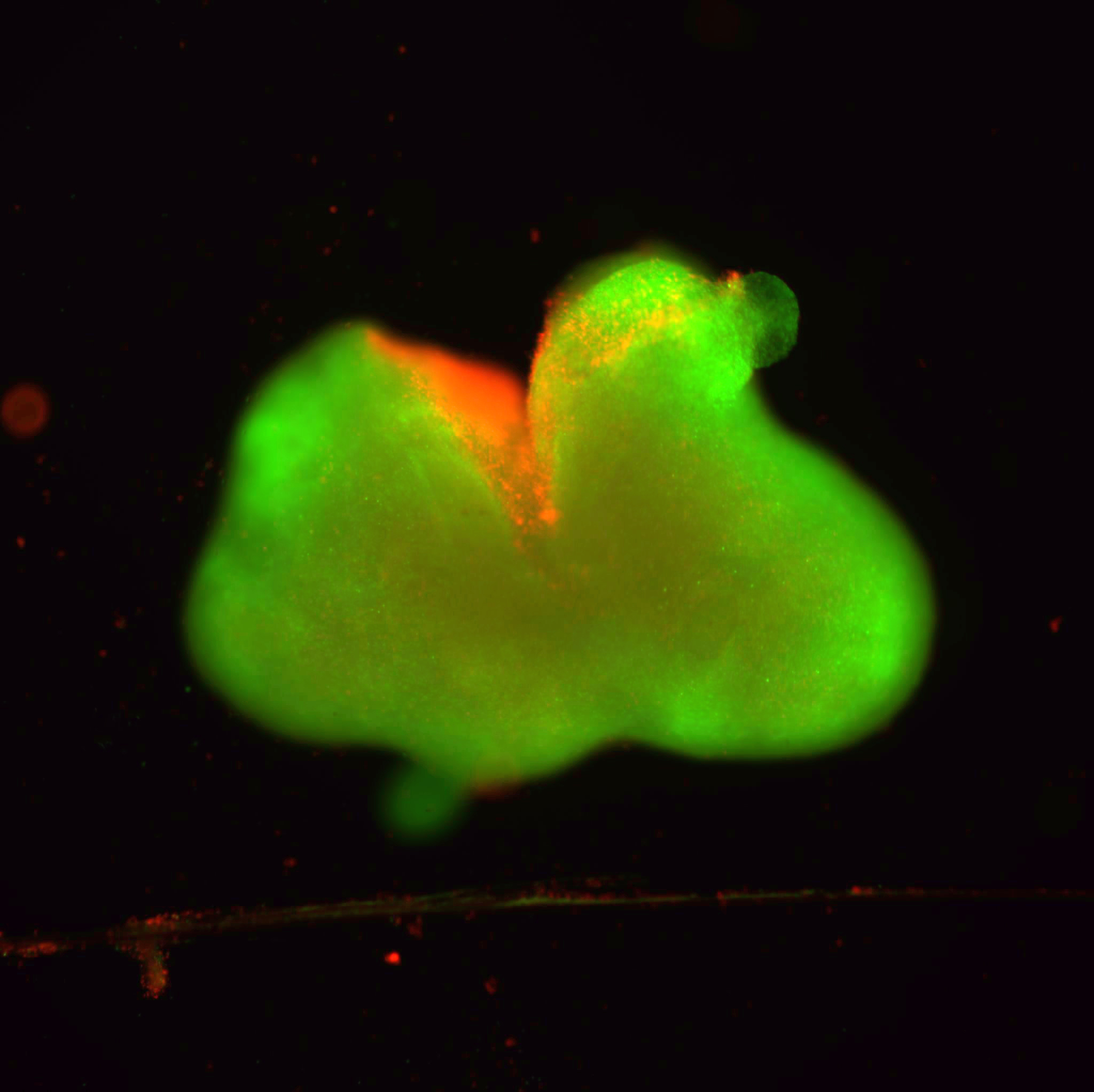
Paralysis Treatment Heals Lab-Grown Human Spinal Cord Organoids
Using lab-grown human spinal cord organoids — miniature organs derived from stem cells — Northwestern scientists have modeled different types of spinal cord injuries and tested a promising new regenerative therapy.