Year: 2026
-

New Experimental Method Reveals Protein Energy Landscapes on Larger Scale
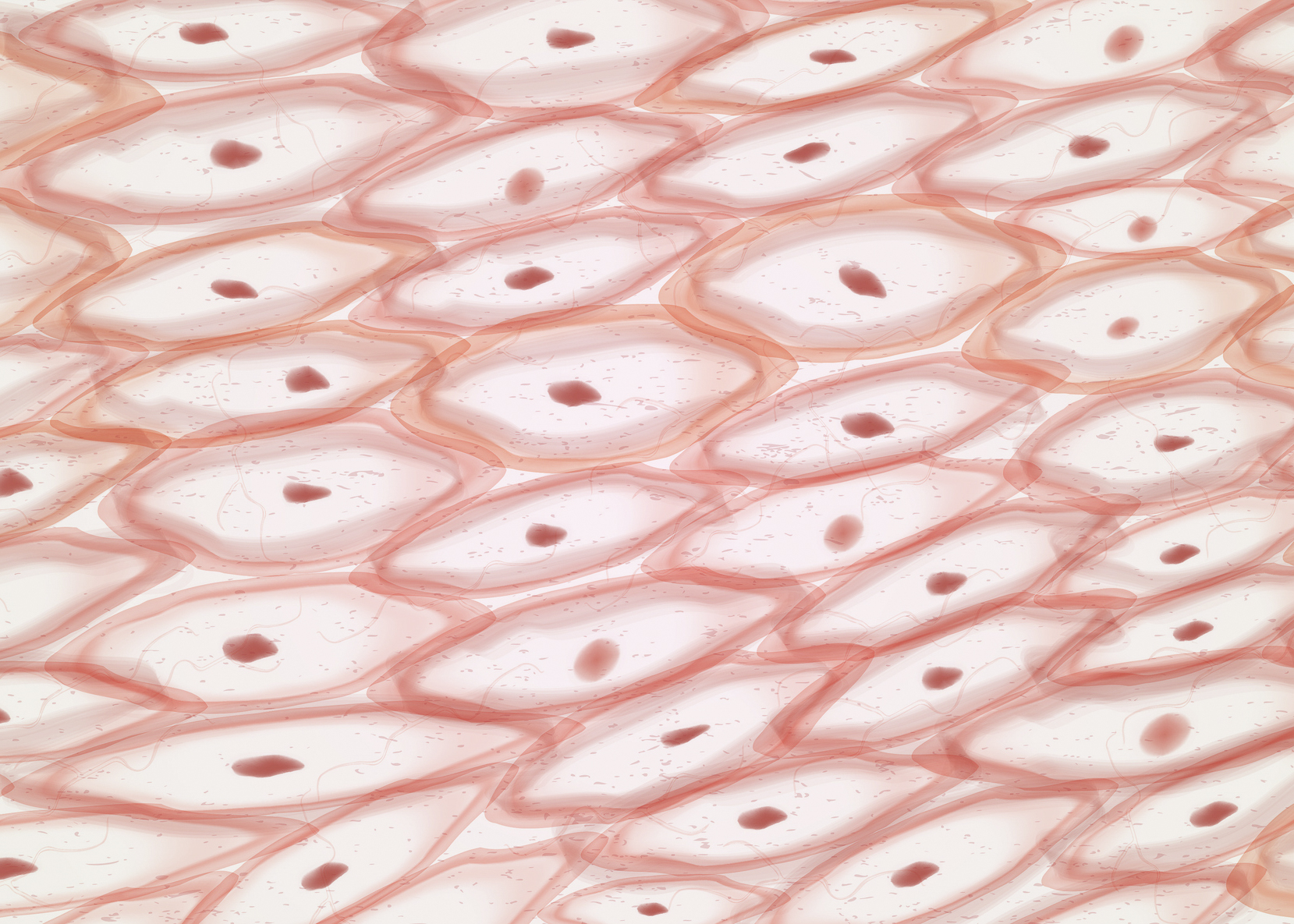
Northwestern Medicine scientists have developed a new experimental method to analyze conformational fluctuations in protein domains on a uniquely large scale, which may improve data-driven modeling, biology and protein engineering, as detailed in a recent study published in Nature.
-
Spatial Transcriptomics Guides Inflammatory Bowel Disease Research
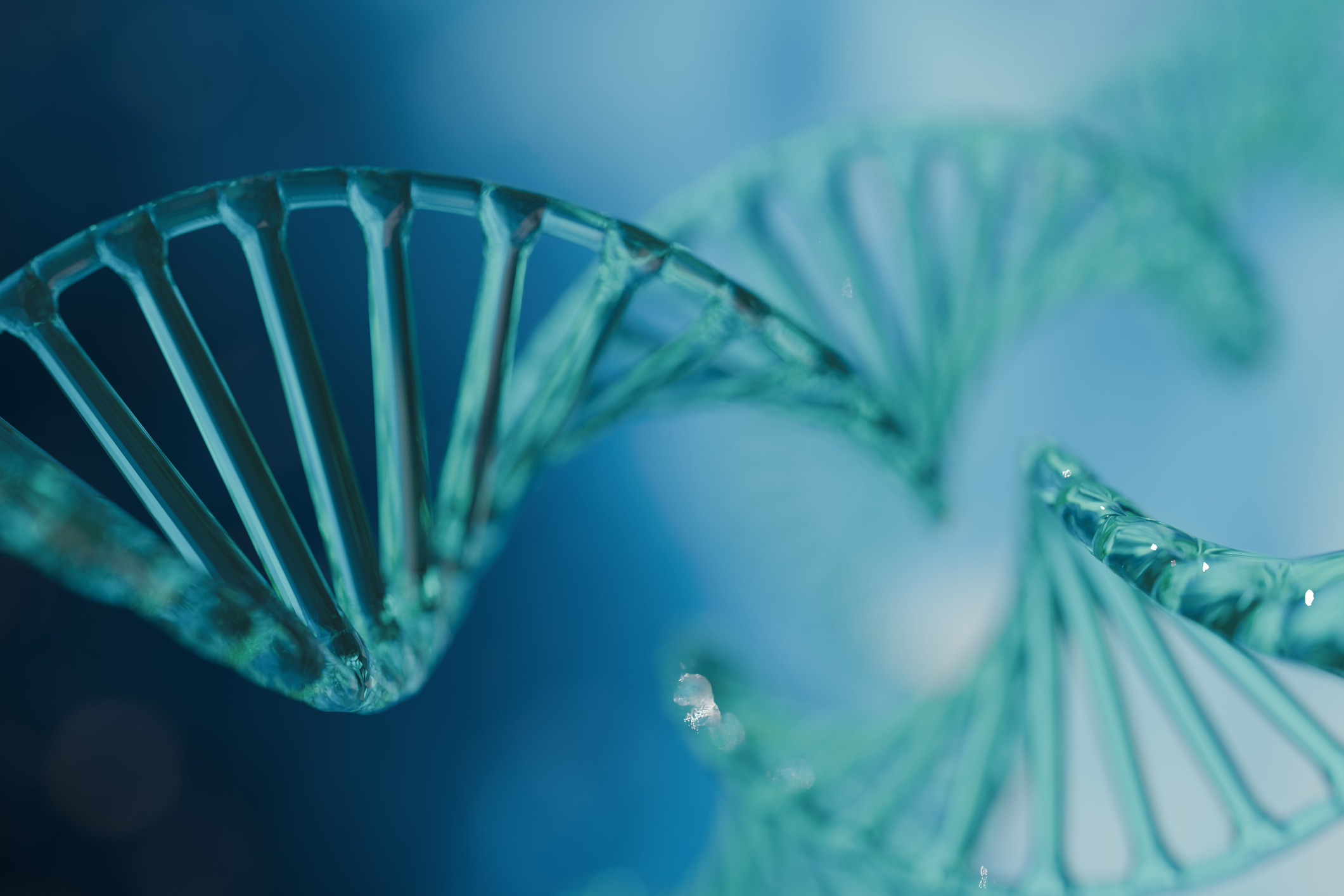
A novel spatial transcriptomics atlas developed by Northwestern Medicine scientists may improve the understanding of niche cellular interactions in the gastrointestinal tract that promote the development of inflammatory bowel diseases, as detailed in a recent study published in Nature Communications.
-

Honors Day Celebrates Medical School Excellence
Fourth-year medical students and faculty members were recognized for academic and clinical excellence during Feinberg’s Honors Day, held on May 15 in the Hughes Auditorium.
-

Honoring the MD Class of 2026
Feinberg honored the MD Class of 2026 during this year’s commencement ceremony held in the Aon Grand Ballroom at Navy Pier on May 18.
-

Building Capacity for Research in Ukraine
Two Feinberg investigators, Sara Huston, MS, and Steven P. Cohen, MD, have been collaborating with scientists in Ukraine to better understand how war is impacting Ukrainians through inquiries into DNA use for family reunification and better treating amputees’ pain.
-
Skin-Resident Immune Cells Drive Neuropathic Pain in Diabetes
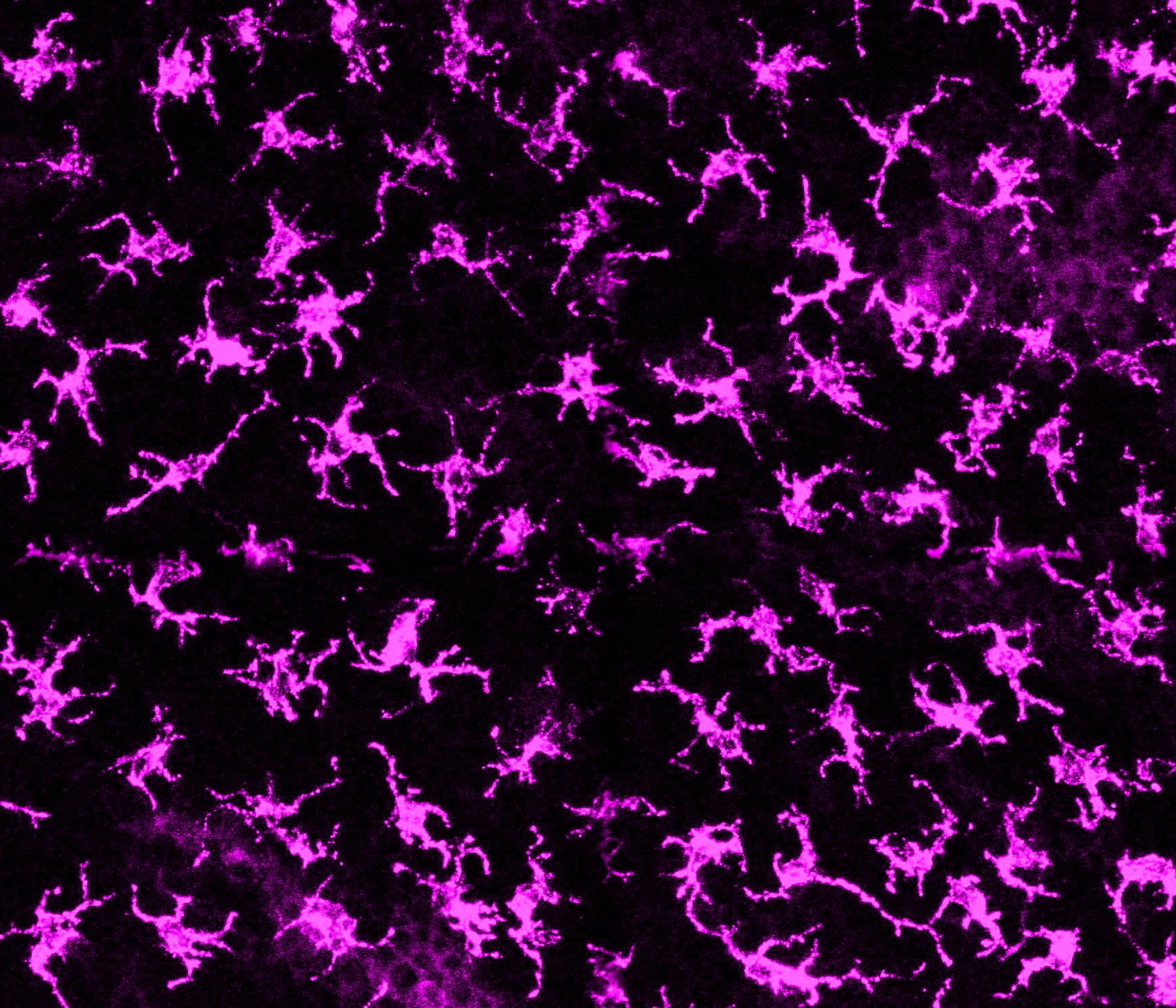
In experimental models of diabetes, Northwestern Medicine scientists have discovered that a specialized group of skin-resident immune cells drive neuropathic pain through sex-dependent signaling pathways, according to a recent study published in The Journal of Clinical Investigation.
-
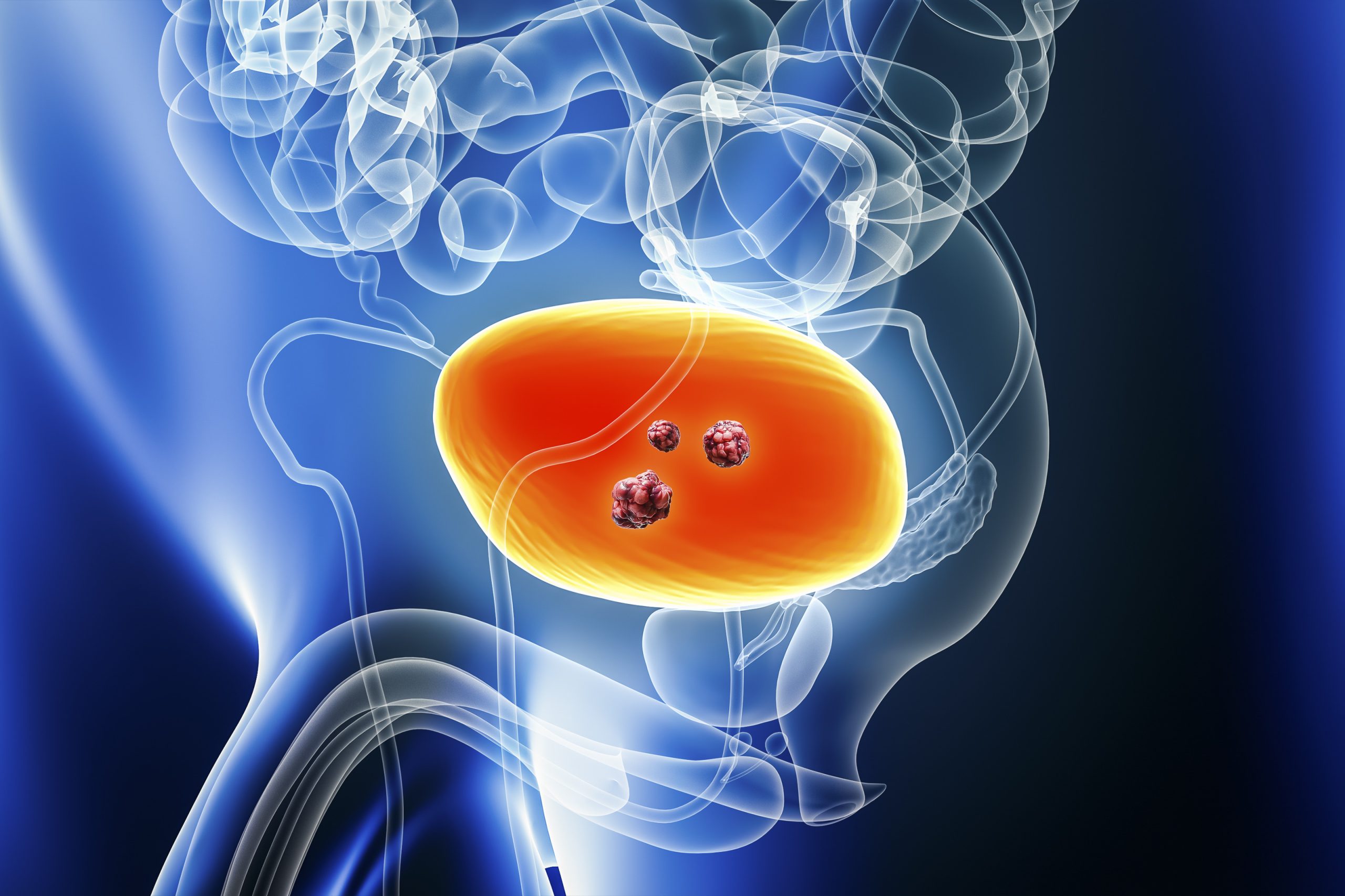
Understanding Treatment Response in High-Risk Bladder Cancer
A new study may pave the way toward more personalized treatments for patients with high-risk bladder cancer, according to a study published in European Urology.
-
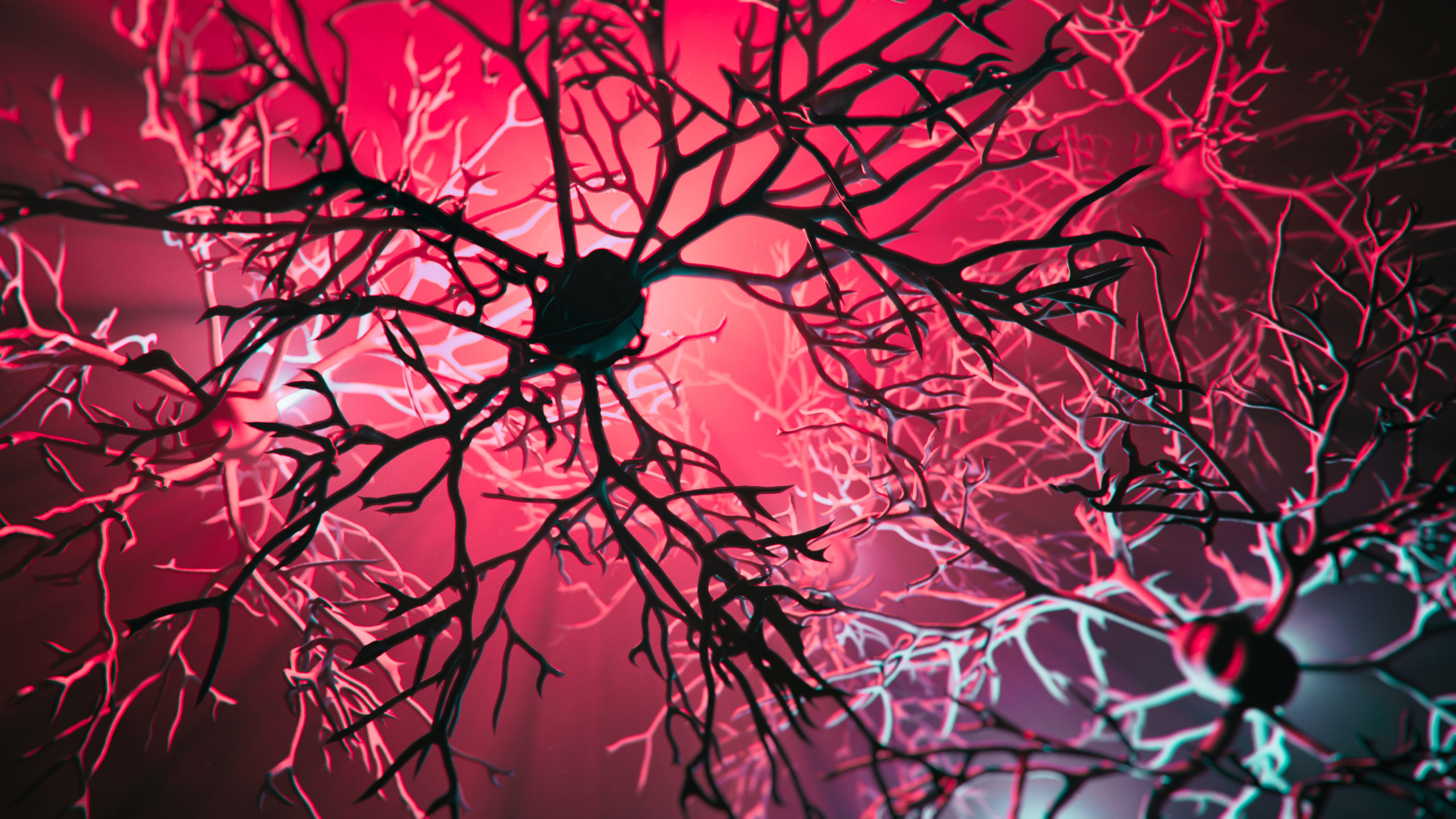
ALS is Driven by a Domino‑Like Chain Reaction That Begins in Nerve Cells
A new Northwestern Medicine study provides evidence that ALS unfolds through a domino‑like sequence of events that begins with an early breakdown inside motor neurons and is followed by a damaging inflammatory response.
-
Metformin Slows Mitochondrial Energy Production, Promotes Glycemic Control
A new Northwestern Medicine study has found that metformin, a commonly prescribed diabetes drug, focuses primarily on the gut, acting to prevent glucose levels rising in the blood by driving glucose utilization inside cells lining the intestine.
-

Time-Restricted Eating Supports Weight Loss in Women with PCOS
A time-restricted eating program promoted greater weight loss in women with polycystic ovary syndrome (PCOS) than no intervention, according to a randomized controlled trial published in Nature Medicine.