Tag: Research
-

Aortic Valve Replacement Procedures Show Similar Long-Term Survival Rates
Patients with severe aortic stenosis who underwent a minimally invasive aortic valve replacement procedure had similar long-term survival rates compared to patients who underwent traditional surgery, according to a recent study published in The New England Journal of Medicine.
-
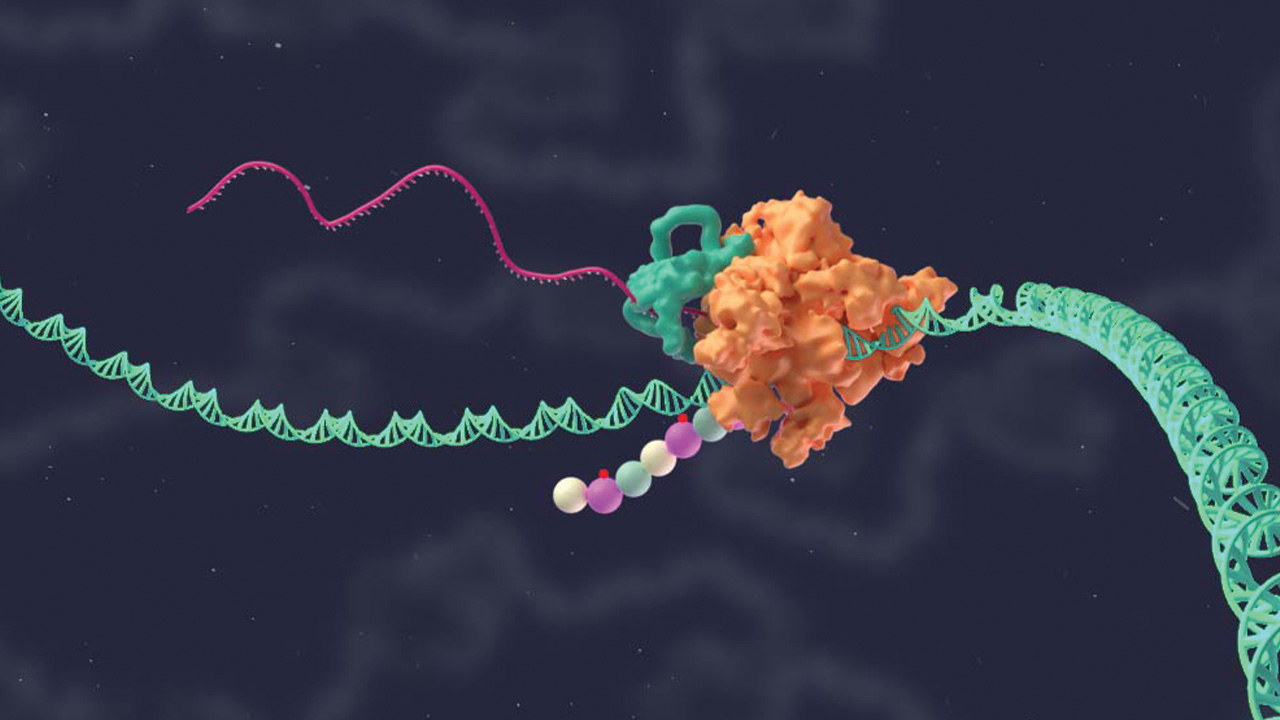
New Human Gene Cluster Sequence Discovered
Investigators from the laboratory of Ali Shilatifard, PhD, have discovered a new repeat gene cluster sequence that is exclusively expressed in humans and non-human primates, according to findings published in Science Advances.
-

Understanding Healthcare Worker Collaboration and Patient Outcomes
Some interventions designed to improve healthcare worker collaboration may not improve patient outcomes, according to a recent trial published in the Annals of Internal Medicine.
-

Novel Wearables Capture Body Sounds to Continuously Monitor Health
Northwestern scientists are introducing new soft, miniaturized wearable devices that continuously track subtle sounds simultaneously and wirelessly at multiple locations across nearly any region of the body.
-

Predicting The Risk of Heart Disease — 10 Years Younger Than Before
For the first time in 10 years, the American Heart Association has updated the model to predict someone’s risk of developing heart disease.
-
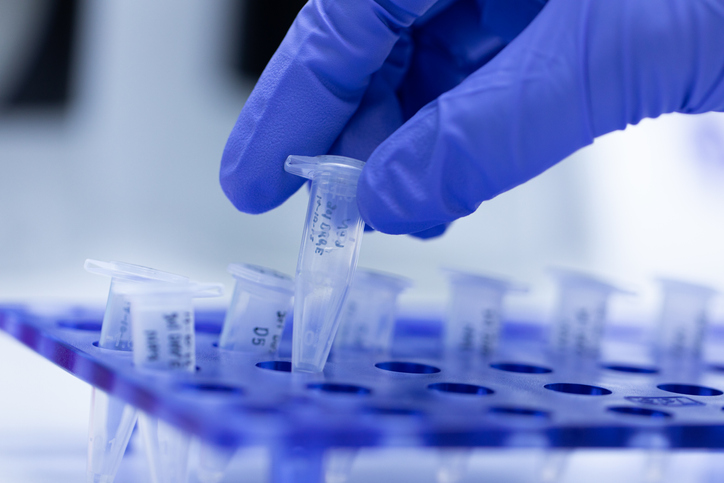
Novel Approaches for Correcting Gene Expression Insufficiency
A new molecular technology capable of binding to mRNA and regulating gene expression may offer a new avenue for treating diseases caused by insufficient protein levels, according to a study published in Nature Communications.
-

Investigating the Pathogenesis of Rare Congenital Nerve Disorder
A new Northwestern Medicine study has uncovered previously unidentified intracellular mechanisms in the peripheral nervous system that cause Charcot–Marie–Tooth Type 2B disease, findings that may inform the development of new targeted therapies.
-

Student Investigates AI Solutions to Medical ‘Loose Ends’
Roger Smith, an eighth-year student in Feinberg’s Medical Scientist Training Program, is developing an artificial intelligence tool to tie up medical loose ends identified in electronic health records.
-

Cut Salt, Cut Blood Pressure
Nearly everyone can lower their blood pressure, even people currently on blood pressure-reducing drugs, by lowering their sodium intake, according to a new study published in JAMA.
-

Studies Identify Novel Underpinnings of Genetic ALS
A pair of recent studies from the laboratory of Evangelos Kiskinis, PhD, have uncovered novel cellular mechanisms that are involved in two types of genetic ALS, providing support for future development of targeted therapies to treat the disease.