Tag: Research
-

Transcription Factor Drives Chemotherapy Resistance in Ovarian Cancer
Northwestern Medicine scientists have discovered how a specific transcription factor promotes genetic reprogramming and chemotherapy resistance in ovarian cancer cells, findings that may inform new targeted treatment approaches that inhibit this process and improve patient outcomes, according to a recent study published in The Journal of Clinical Investigation.
-

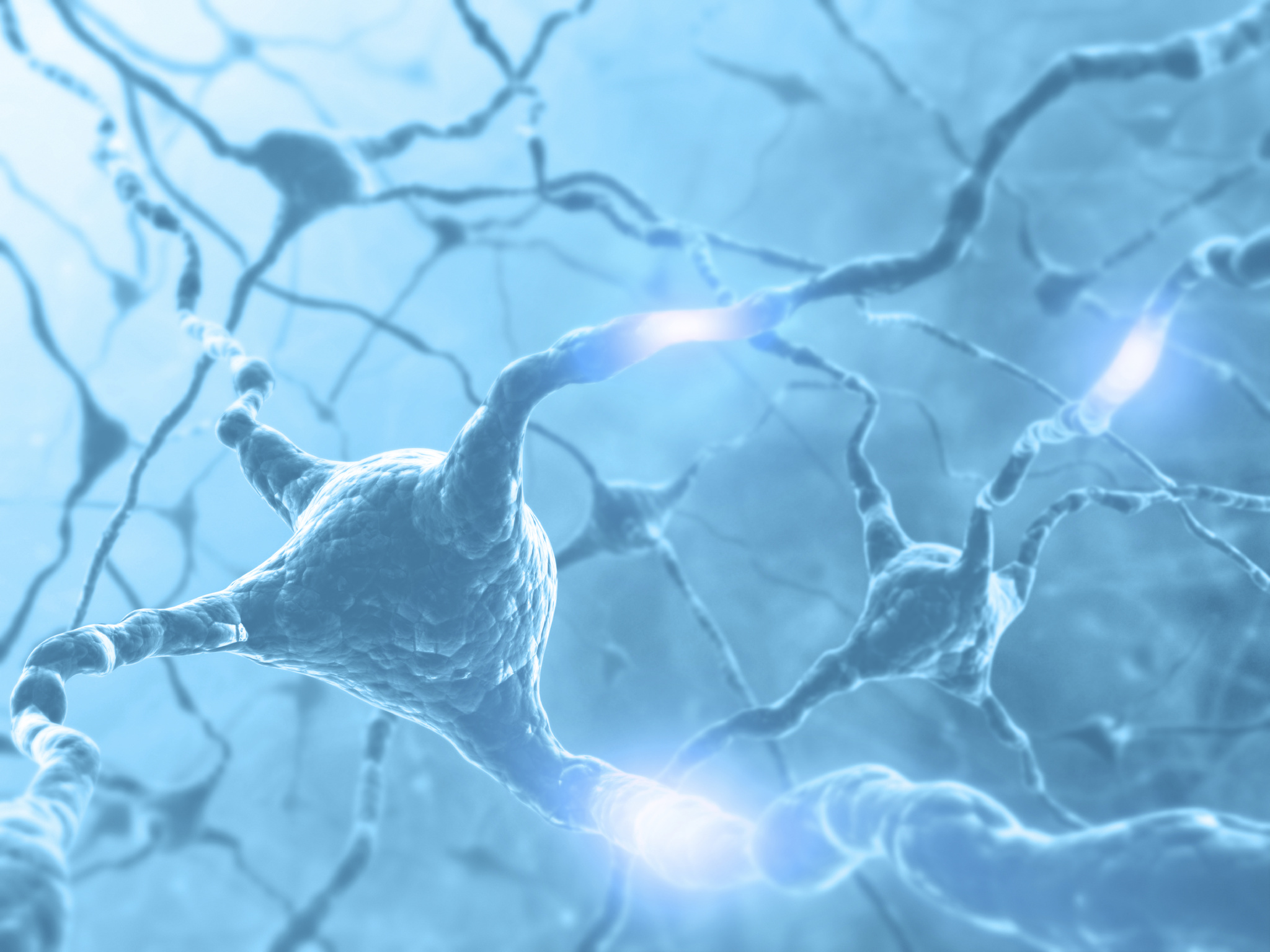
Novel Molecular Mechanisms Shape Neuron Identity
A recent study led by Tiffany Schmidt, PhD, has discovered previously unknown cellular mechanisms that shape neuron identity in retinal cells, findings that may improve the understanding of brain circuitry and disease.
-

Measuring the Severity of Debilitating Skin Disorders
A new clinical tool may improve how physicians assess the severity of a painful and often debilitating skin disorder, according to a study recently published in JAMA Dermatology.
-
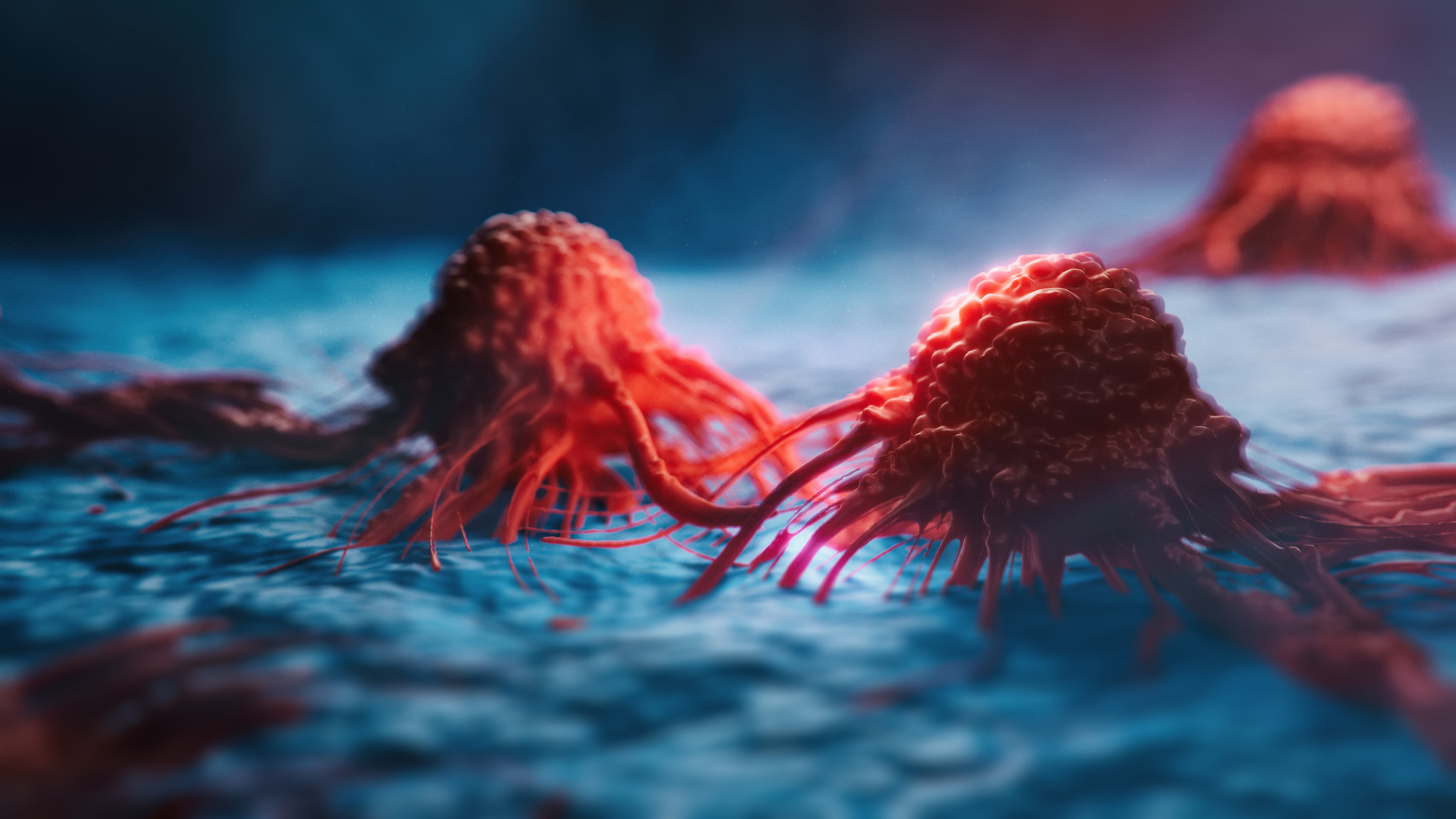
Uncovering New Therapeutic Targets for Cancer Mutations
A team of Northwestern investigators has discovered novel molecular underpinnings of a common oncogenic mutation in cancer, findings that may inform the development of new therapeutic strategies, according to findings published in Nature Chemical Biology.
-

Obesity Drugs Regulate Neural Systems to Curb Appetite
Lisa Beutler, MD, PhD, assistant professor of Medicine in the Division of Endocrinology, Metabolism and Molecular Medicine, was senior author of the study published in The Journal of Clinical Investigation.
-
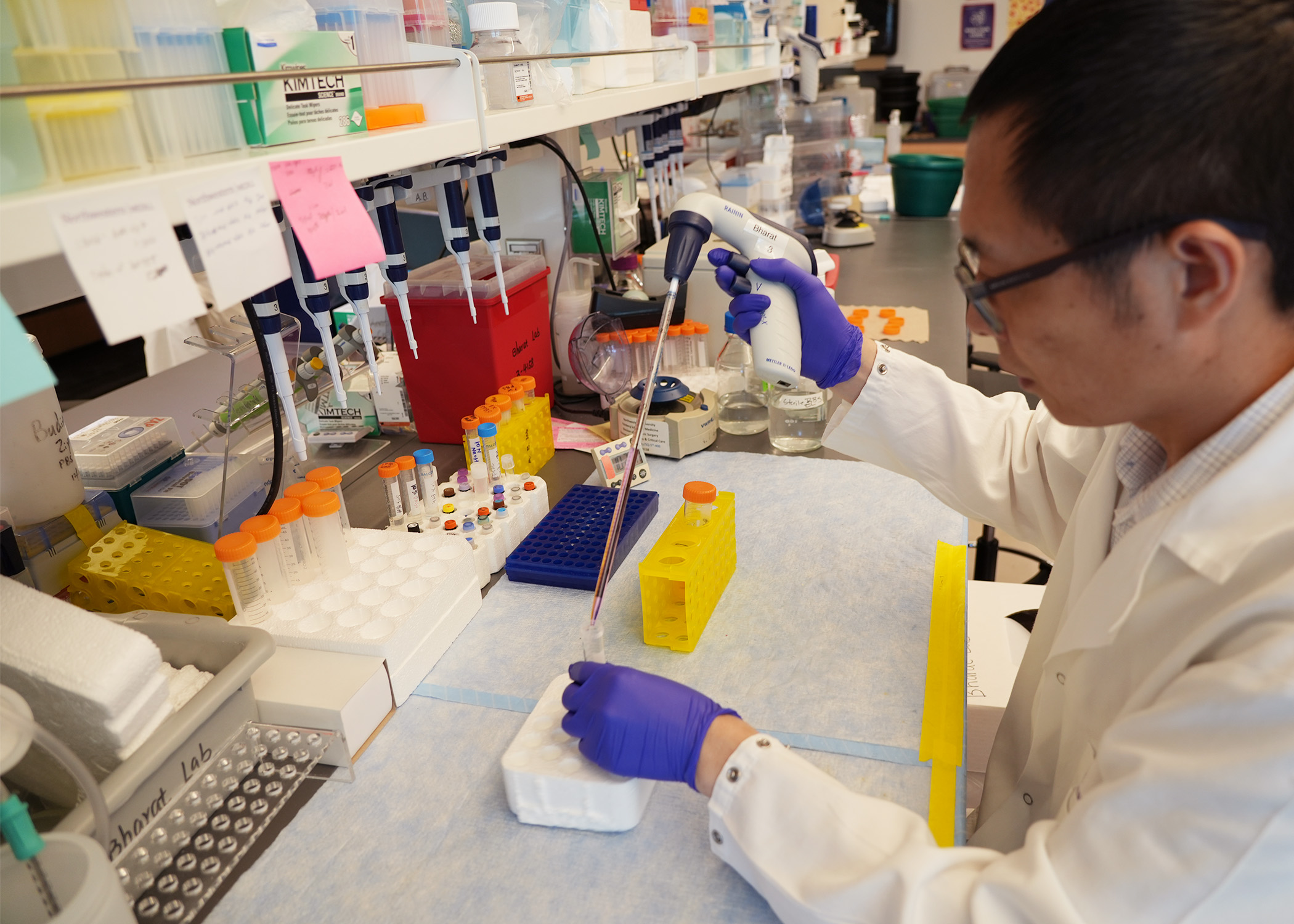
New Study Gives Answers, Drug Targets for Chronic Lung-transplant Rejection
A new Northwestern Medicine study has found that, following transplant and in chronic disease states, abnormal cells emerge and “conversations” between them drive the development of transplant rejection.
-

Medicaid Billed for More than Half of U.S. Hospital Costs From Gun Injuries
The initial hospital treatment of firearm injuries costed an estimated $7.7 billion between 2016 and 2021, with the largest share falling on urban trauma center hospitals that serve the highest proportion of Medicaid patients, according to a new study.
-

Spearheading Reproductive Science Research
In 1974, Neena Schwartz, PhD, the William Deering Professor of Endocrinology, launched Northwestern’s Program for Reproductive Research to catalyze reproductive biology research and collaboration across the university.
-
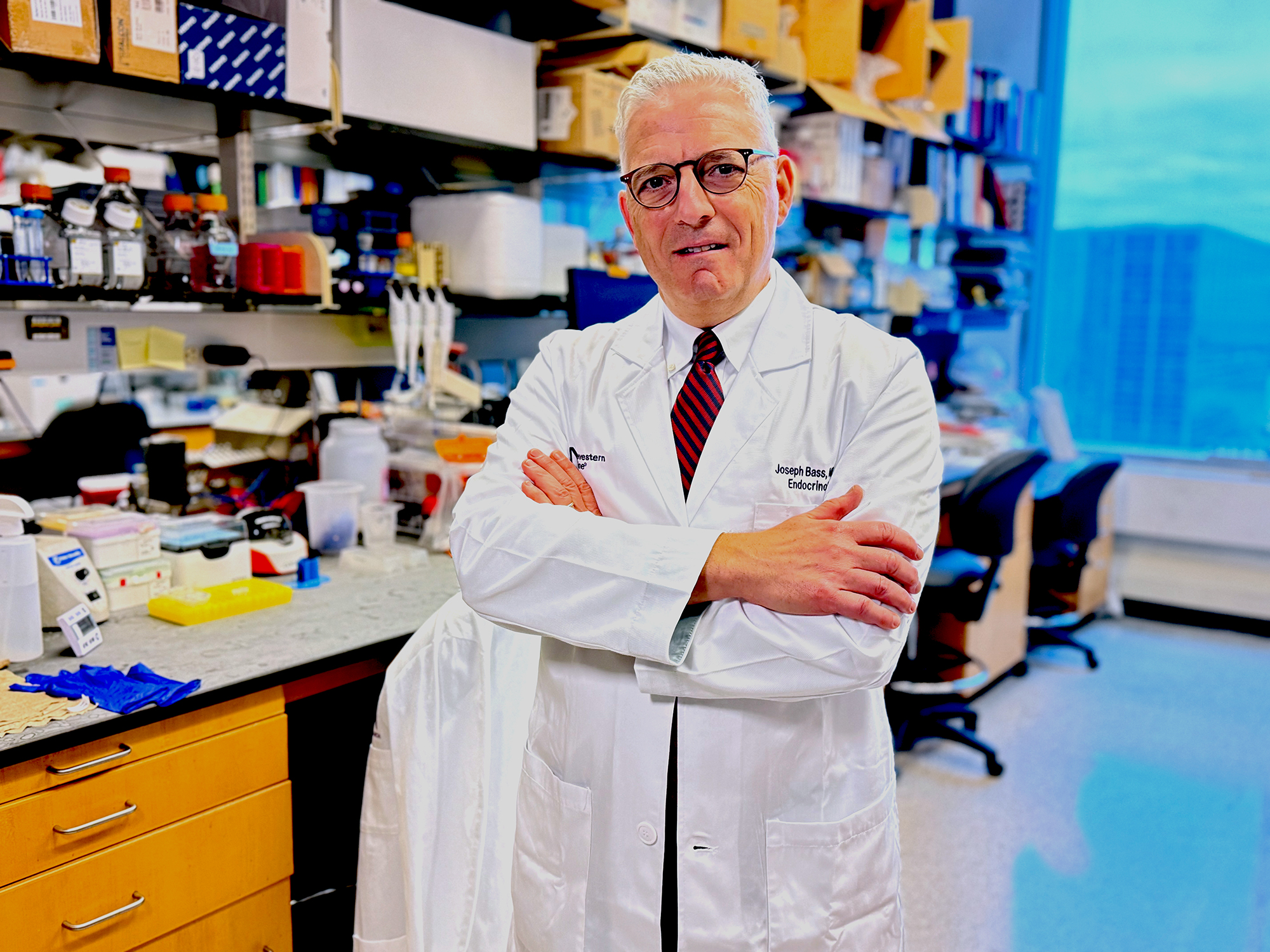
Bass Elected to the National Academy of Medicine
Joseph Bass, MD, PhD, the Charles F. Kettering Professor of Medicine, has been elected to the National Academy of Medicine for his foundational work in expanding the field of circadian mechanisms in metabolic health and disease.
-

Minimally Invasive Surgery May Improve Outcomes in Severe Stroke
Minimally invasive endoscopic surgery may be an effective and safe treatment for patients with intracerebral hemorrhage, the most severe type of stroke, according to results from a recent clinical trial published in JAMA Neurology.