Tag: Research
-

Sugary Drinks Linked to Gut Bacteria Changes and Diabetes
Sugary drinks have been linked to changes in the gut microbiome and higher diabetes risk in Hispanic and Latino populations, according to study published in Cell Metabolism.
-

Northwestern Launches Pioneering Medical Research Institute With $10 Million Gift From Trustee Kimberly Querrey, Bringing Her Total University Giving to $391 Million
Northwestern University Trustee Kimberly K. Querrey has made a $10 million gift to create and enhance the Querrey Simpson Institute for Regenerative Engineering at Northwestern University.
-
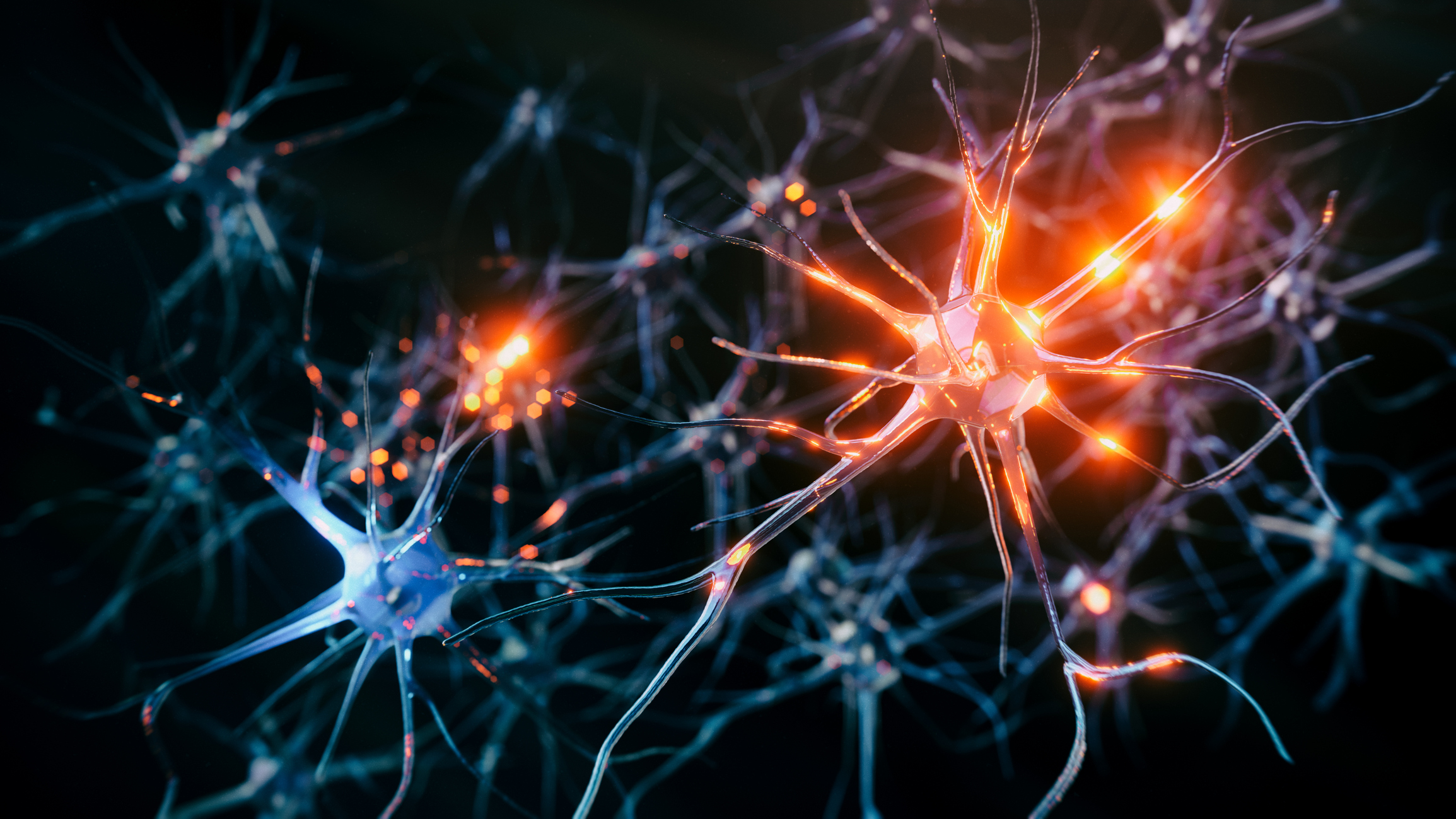
ALS Drug Effectively Treats Alzheimer’s Disease in New Animal Study
A small-molecule compound developed by Northwestern scientists improves neuron health in animal models of Alzheimer’s disease, according to a new study published in PNAS.
-

Study Identifies Link Between Body Clock Disruption and Metabolic Disease
Northwestern Medicine investigators have discovered how disruptions in circadian rhythm in our muscles combined with poor diet can contribute to the development of diabetes, according to a recent study published in Proceedings of the National Academy of Sciences.
-
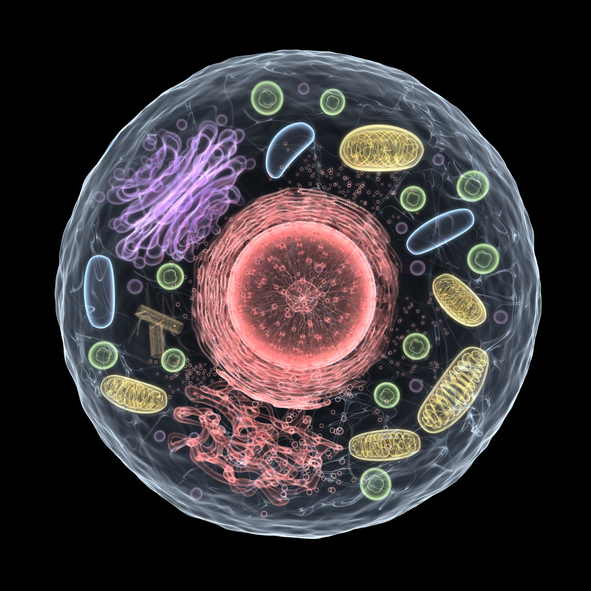
Investigating Cytoskeletal Filament Formation
Scientists have uncovered new details about cellular filaments that play a critical role in wound healing, according to a study published in the Proceedings of the National Academy of Sciences.
-

Improving Patient Screening for Housing Instability
Using electronic health record data to measure how frequently someone changes their residential address may be an effective tool to screen for patients who may be experiencing homelessness, according to a Northwestern Medicine study published in PLOS One.
-
New Key Genes in Parkinson’s Disease Identified Using CRISPR Technology
A new Northwestern Medicine study published in Science has identified a new set of genes that contribute to the risk of Parkinson’s disease, opening the door to previously untapped drug targets for treating the disease.
-
Novel Approach Improves Protein Characterization in Human Tissue
Scientists have developed a novel, robust proteomics technique that can more accurately identify and spatially characterize thousands of proteins in single cells within human tissue samples, as detailed in a recent study published in Nature Communications.
-
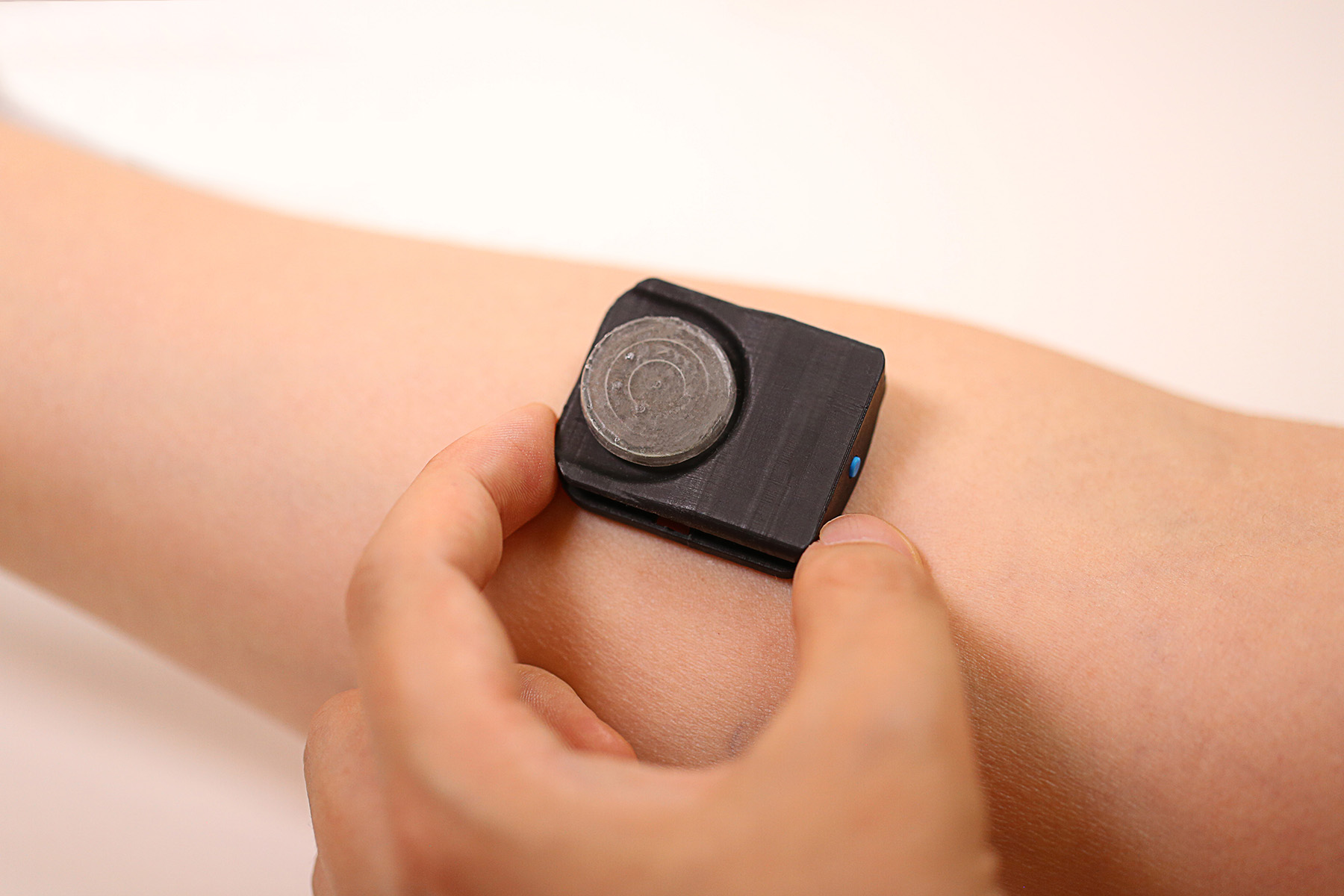
New Wearable Device is the First to Gauge Health by Sensing Gases Through Skin
Northwestern University scientists have developed the first wearable device for measuring gases emitted from and absorbed by the skin, according to a new study published in Nature.
-

Uncovering Mechanisms Driving Estrogen Receptor-Negative Breast Cancer
Northwestern Medicine investigators have discovered previously unknown metabolic changes that may contribute to the development of a subtype of breast cancer, findings which may inform new targeted preventives and therapeutics, according to a recent study published in Science Advances.