Tag: Research
-

Parkinson’s Gene Linked to Early Dysfunction in Brain Cells
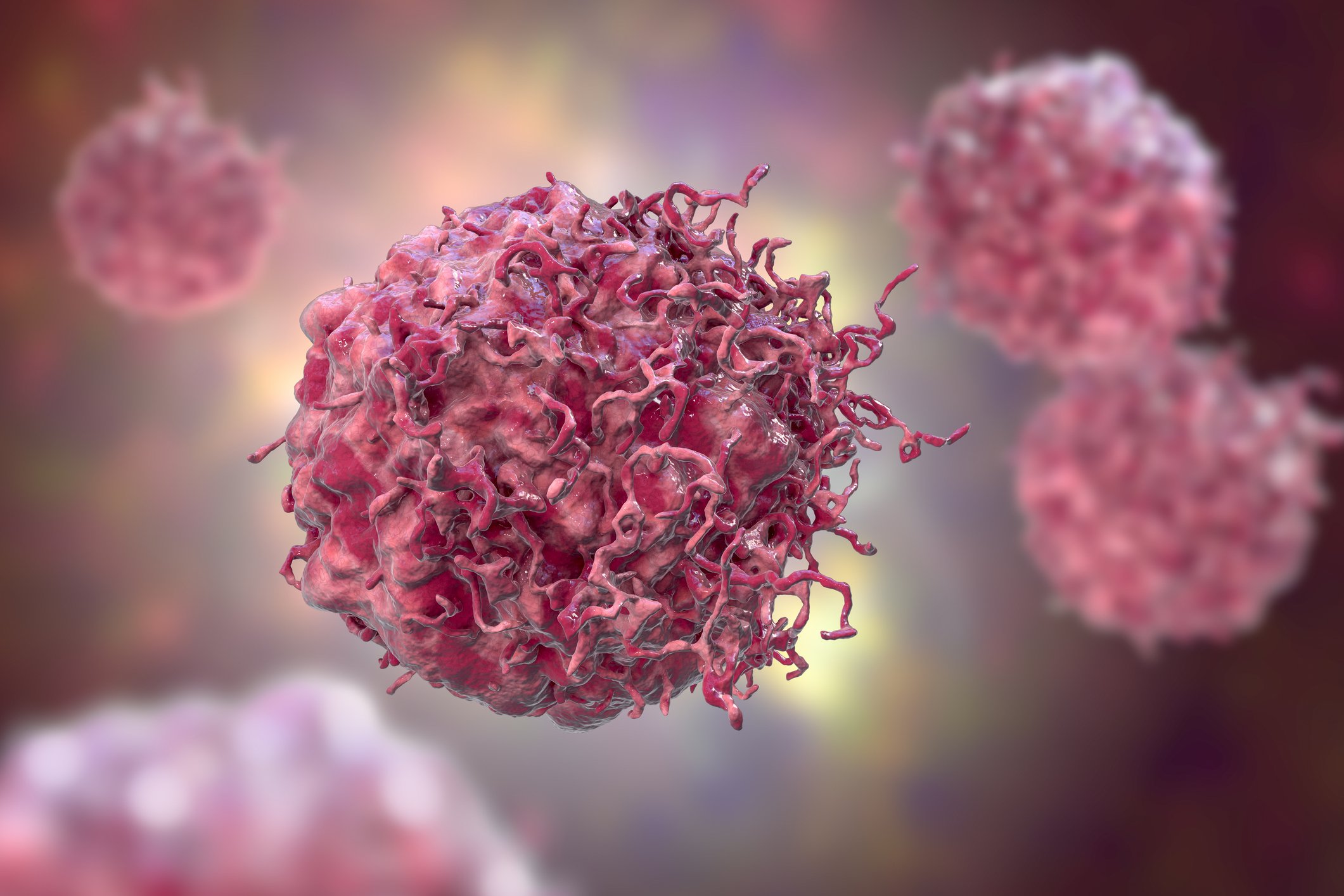
Northwestern Medicine scientists have uncovered how a major Parkinson’s disease gene disrupts the brain’s most vulnerable dopamine-producing neurons before detectable neuronal loss, according to findings published in Nature Communications.
-

Implementing Simulation-Based Learning to Improve Self-Care for Chronic Heart Disease
Northwestern Medicine investigators have received an R01 research grant from the National Heart, Lung, and Blood Institute to evaluate a new simulation-based mastery learning curriculum to help patients and their caregivers improve self-care for chronic heart disease.
-
Flexible DNA Transforms Protein Crystallization
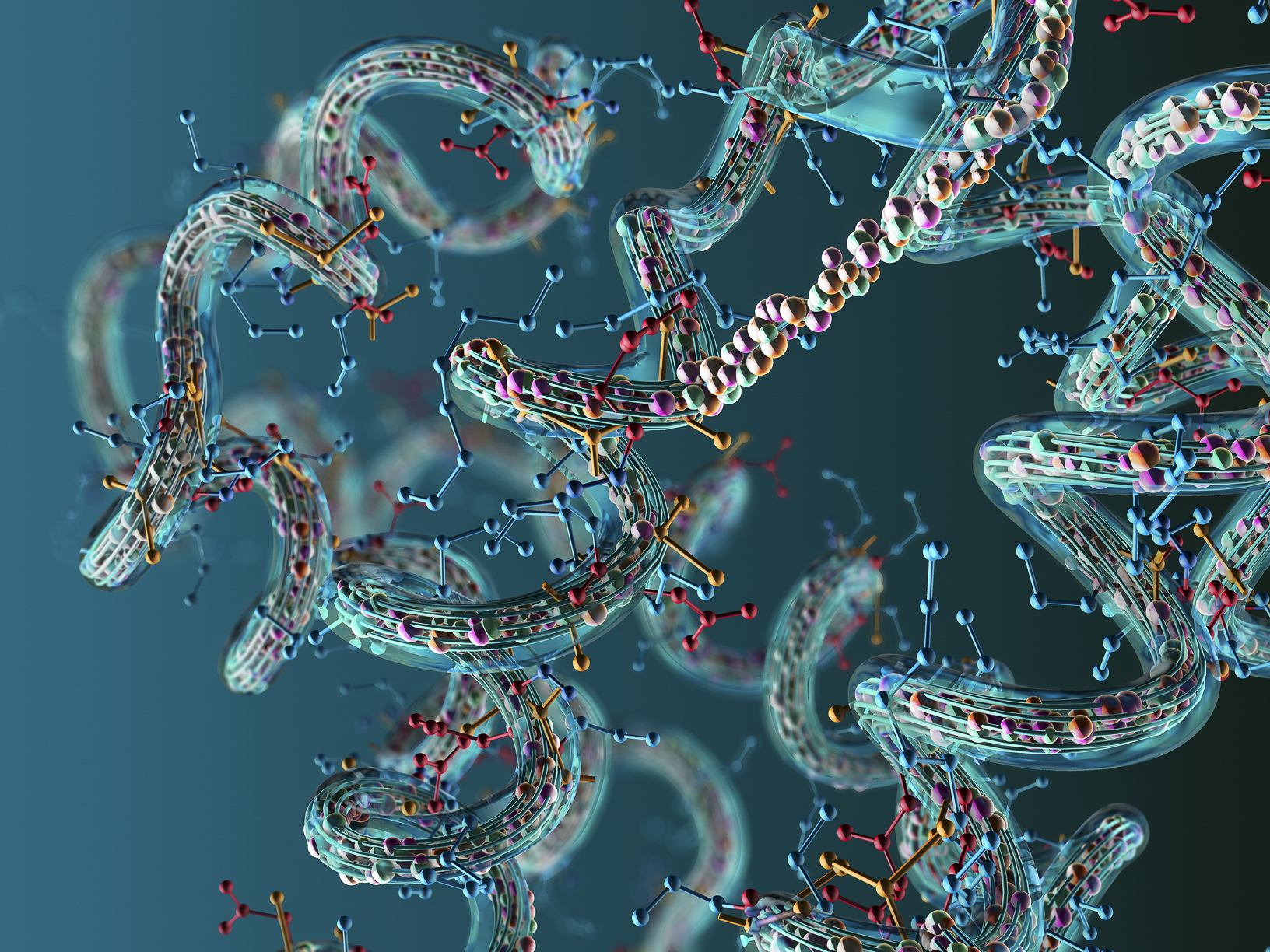
Northwestern scientists have developed a DNA-driven process to induce protein crystallization that can help reveal protein structures and enable the development of new flexible biomaterials.
-

Gut Bacteria Leave Intestinal ‘Memory,’ Protecting Against Inflammation
New Northwestern Medicine research published in Nature Communications suggests that a metabolite produced by gut bacteria when they digest dietary fiber can leave a lasting molecular imprint on intestinal cells, promoting immune tolerance and protecting against inflammatory bowel disease-like conditions long after exposure ends.
-

Study Identifies New Genetic Variants that Cause Rare Tumor Disorder
A recent Northwestern Medicine study offers new data showing previously unknown genetic variants that cause the development of tuberous sclerosis complex, a rare genetic disorder that causes benign tumors to develop in many parts of the body, according to findings published in Nature Communications.
-

AI-Guided Study Uncovers Drug Targets for Psoriasis
A new study from Northwestern Medicine investigators, in collaboration with Biohub, a program of the Chan Zuckerberg Initiative, has identified potential drug targets for treating psoriasis, according to the study published in Nature Communications.
-

Novel Wireless Sensor Monitors Progression of Soft Tissue Disorders
Northwestern scientists have developed a novel wireless sensor device that can continuously monitor skin elasticity in patients with soft tissue disorders including lymphedema and scleroderma, which can support early disease detection and better inform care strategies, as detailed in a study published in Science Advances.
-
Blood Test Spots Hidden Pancreatic Cancer After Treatment
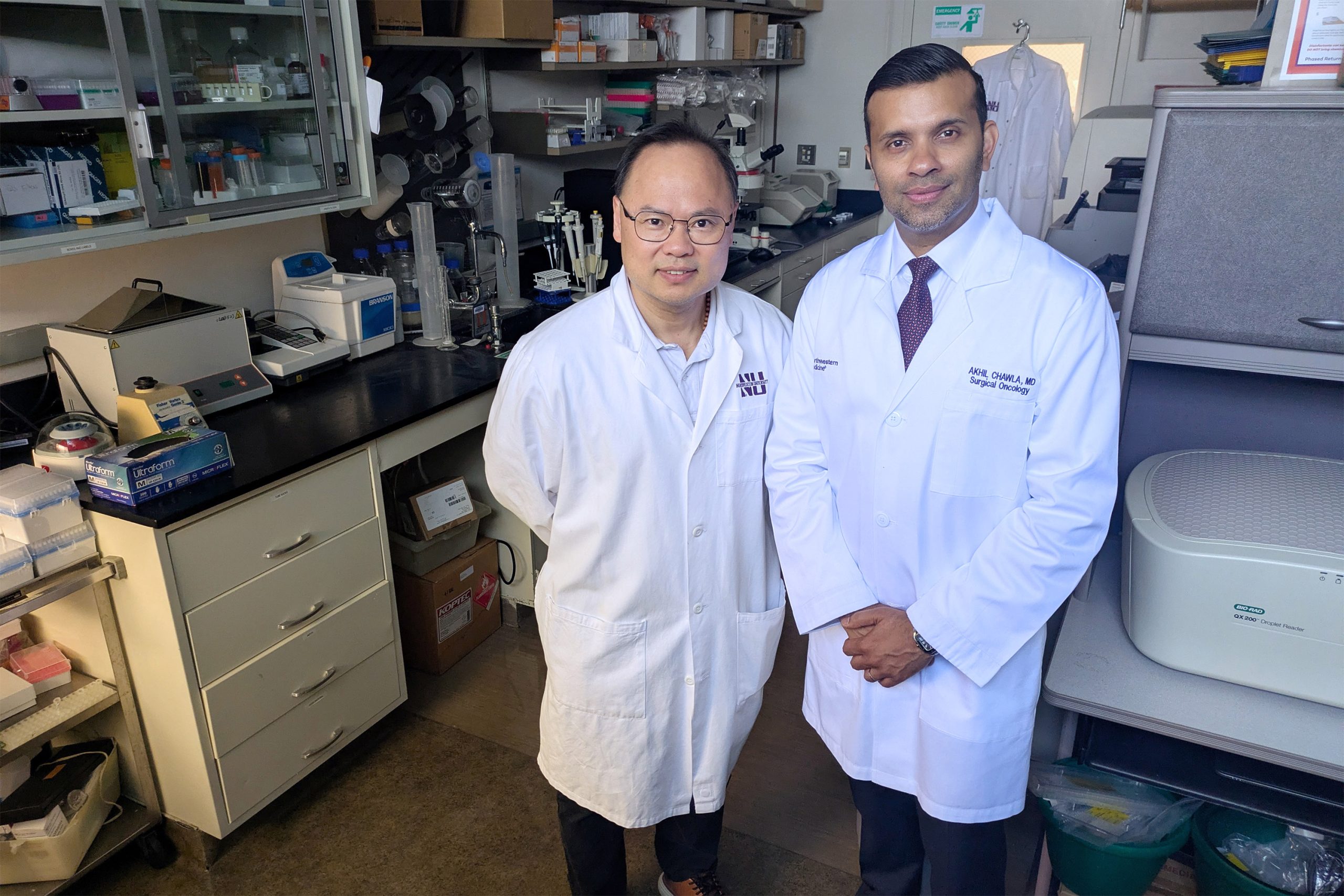
A highly sensitive blood test can detect traces of pancreatic cancer missed by standard testing, potentially helping physicians identify patients whose disease is more likely to return even when scans appear reassuring.
-
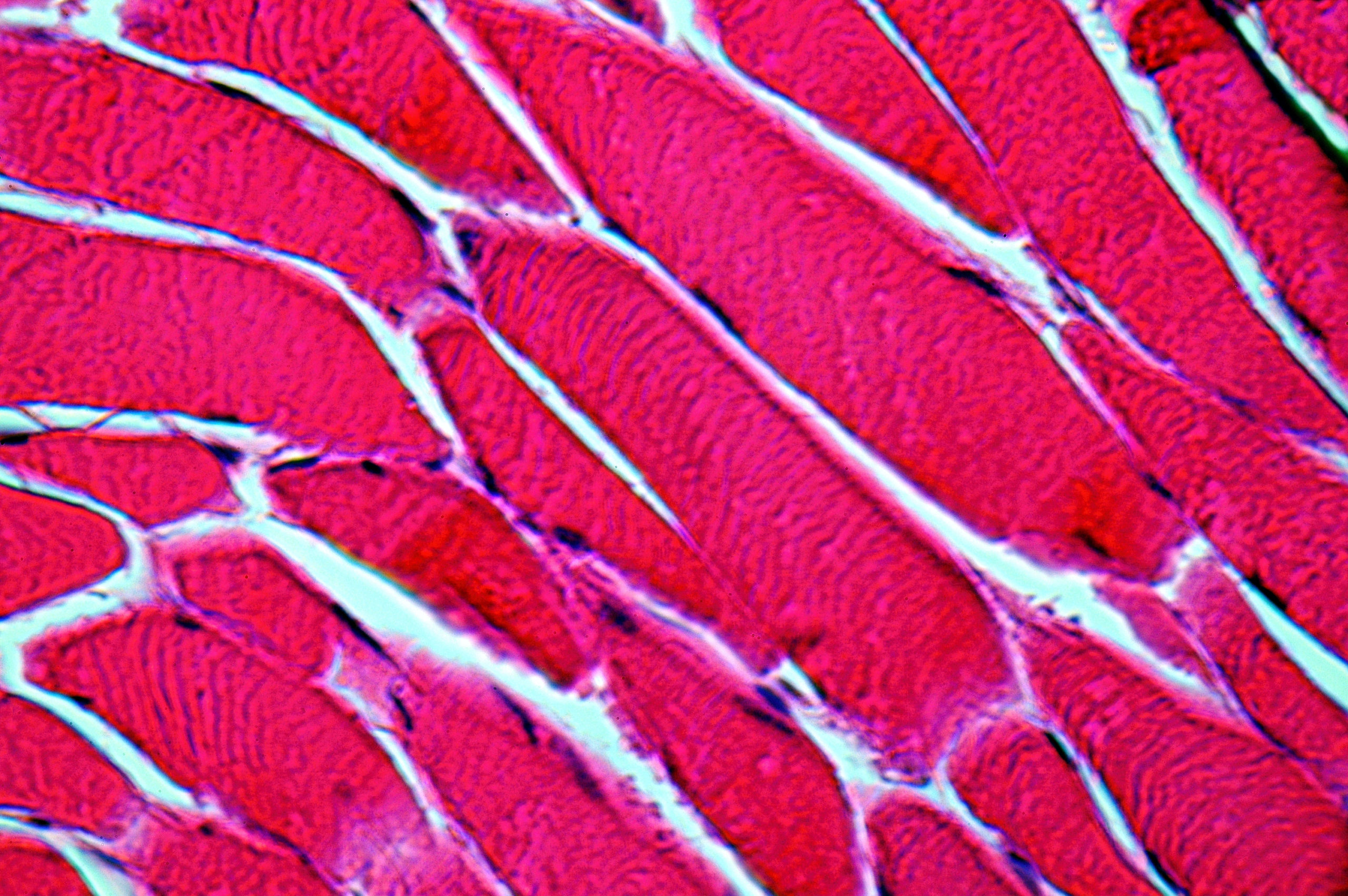
‘Leaky’ Muscle Fibers Drive Immune Response in Muscular Dystrophy
A Northwestern Medicine study has uncovered how chronic defects in muscle membrane repair can fuel harmful inflammation, according to the study published in JCI Insight.
-

Daylight Saving Time Impacts Risk of Retinal Vascular Disease
For the first time, Northwestern Medicine scientists have detailed how autumn and spring daylight saving time transitions impact a person’s risk of developing retinal vascular disease, according to a recent study published in Scientific Reports.