Tag: Research
-
Decoding Signaling Pathways that Lead to Scar Tissue
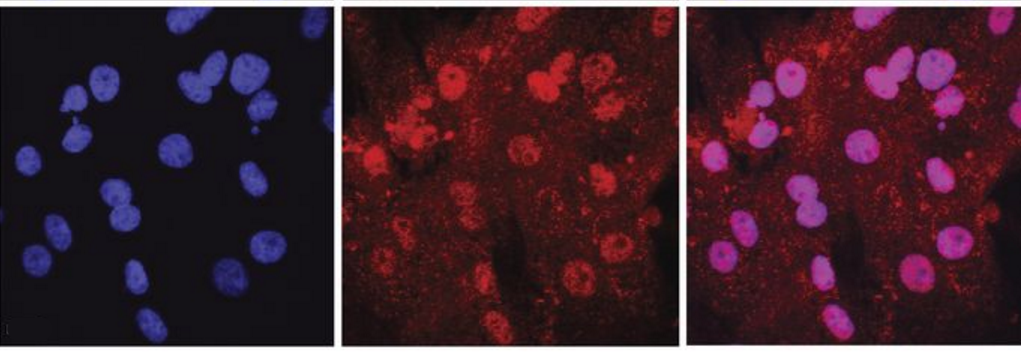
The loss of a component of a protein complex responsible for attaching cells together activates genes that lead to the buildup of fibrous scar tissue seen in cardiac disease arrhythmogenic cardiomyopathy, according to a recent study.
-

Kibbe Wins 2016 Tripartite Prize
Melina R. Kibbe, MD, ’03 GME, Edward G. Elcock Professor of Surgical Research and vice chair of Research in the Department of Surgery has been named the winner of the Tripartite Legacy Faculty Prize in Translational Science and Education.
-
Important Action Behind Cell Division Uncovered
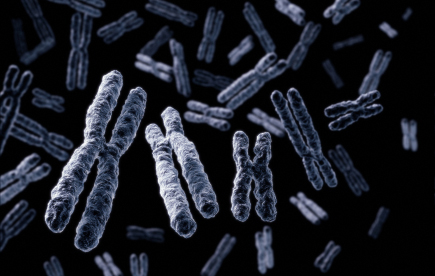
Research led by Northwestern Medicine scientist Daniel Foltz, ’01 PhD, sheds light on the assembly of centromeres, a region of the chromosome that helps ensure new cells have 46 chromosomes.
-

Feinberg Rises in Medical School Rankings
Feinberg has moved up two spots to become the 17th best medical school in the country for research, according to the latest U.S. News & World Report rankings.
-
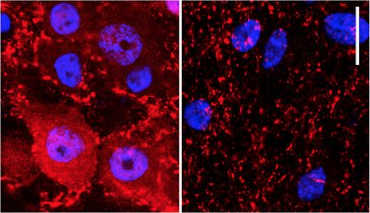
Rescuing Damaged Neurons in Parkinson’s Disease
Northwestern Medicine scientists shed light on a hallmark of Parkinson’s disease that has been poorly understood, the buildup of a protein called α-synuclein in the brain.
-

Testing a New Therapy for Advanced Blood Cancer
A recent clinical trial conducted by Northwestern Medicine investigator Seema Singhal, MD, showed that the drug daratumumab is a safe and effective treatment for patients with advanced multiple myeloma.
-

Uncovering Genetic Basis of Cilia Motility and Polarity
Scientists discovered that a specific gene that starts to build a link between cilia motility and cell polarity in a recent study.
-
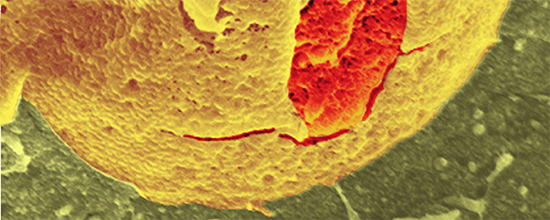
Crucial Step in Red Blood Cell Development Discovered
New Northwestern Medicine research has revealed a surprising phenomenon behind the production of red blood cells: an opening that forms on the nuclear membrane to condense chromatin.
-

Low Vitamin D Predicts Aggressive Prostate Cancer
A new Northwestern Medicine study showed that deficient vitamin D blood levels in men can predict aggressive prostate cancer.
-
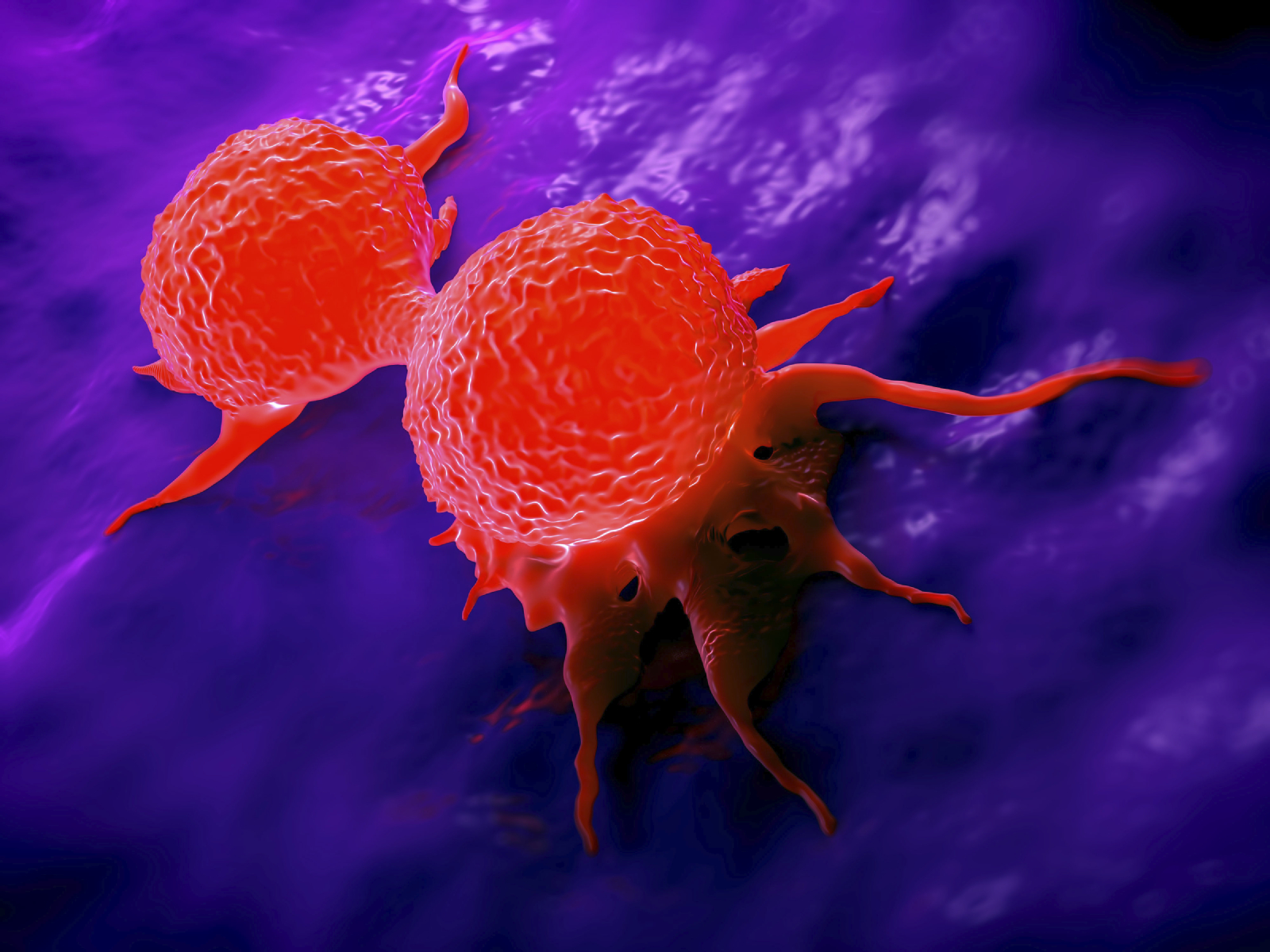
Examining New Breast Cancer Therapy
A phase III clinical trial tested the effectiveness of a combination of two drugs and found they may be an effective and safe treatment for patients with metastatic breast cancer.