Tag: Patient Care
-
Northwestern Medicine Joins $20 Million National Uterine Fibroid Study
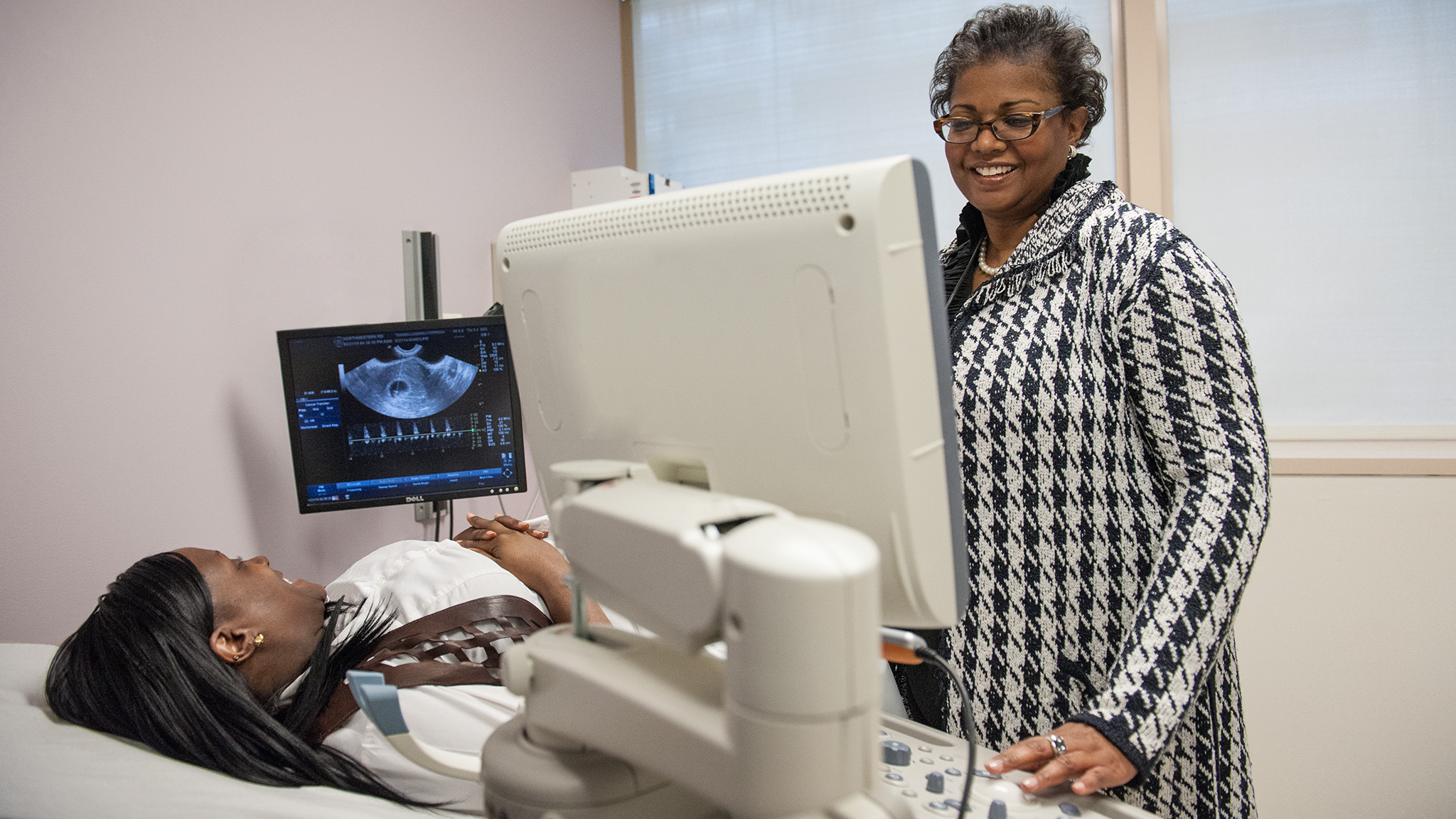
Northwestern Medicine has been chosen as one of ten investigational sites for a landmark study that seeks to improve the way uterine fibroids are treated.
-

Platanias Appointed Director of Lurie Cancer Center
Leonidas Platanias, MD, PhD, has been appointed director of the Robert H. Lurie Comprehensive Cancer Center of Northwestern University, a position he has served in interim since January.
-

Detecting Early Stage Knee Osteoarthritis
Northwestern Medicine scientists found that lesions seen in MRIs of knees without any x-ray signs of osteoarthritis predict the development of persistent symptoms of the disease and the first appearance of cartilage damage.
-

A New Way to Prevent Organ Transplant Rejection
Northwestern Medicine scientists discovered a method to promote organ transplant tolerance by limiting the immune response in a novel way.
-
Restoring the Ability to Grasp to Paralyzed Patients
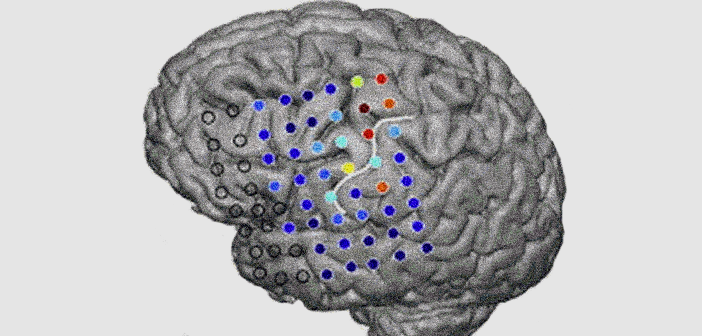
Northwestern Medicine scientists decoded a brain machine interface to help people with severe paralysis activate grasp kinetics
-
DNA Changes Behind Asthmatic Aggravation from Cold Infection
The common cold decreases gene expression in nasal cavity cells, making asthma worse.
-

Improving Nurse-Physician Teamwork
Redesigned hospital rounds increased nurse-physician teamwork and patient safety in two medical units in a Northwestern Medicine study. Interestingly, the positive change was so successful that it spread to additional units before a recent follow-up study even began.
-

First Blood Test to Diagnose Depression in Adults
Northwestern Medicine scientists developed the first blood test to diagnose major depression in adults and to predict who will benefit from cognitive behavioral therapy.
-

Faculty Experts Discuss Ebola Virus During Global Health Day
A panel of Northwestern Medicine experts focused on the current Ebola outbreak during Global Health Day 2014 on September 10.
-

Schools Without Health Plans, Unprepared to Handle Life-threatening Emergencies
Through a partnership between Northwestern’s Center for Community Health and the Chicago Public School (CPS) Office of Student Health and Wellness, a new study focused on understanding the chronic disease reporting and management process in order to better serve the health care needs of CPS students with conditions such as asthma and food allergies.