Tag: Neuroscience
-
Study Uncovers Potential Gene Therapy for Late-Stage Parkinson’s Side-Effects
Northwestern Medicine scientists have discovered that suppressing excitatory synaptic transmission in a small group of neurons in the brain may reverse levodopa-induced dyskinesia in patients with late-stage Parkinson’s disease without reducing the symptomatic benefits of levodopa treatment, according to a recent study published in Neuron.
-
FDA-Approved Compound Promotes Neuroprotective Effects in Parkinson’s Disease
Northwestern Medicine scientists have discovered an FDA-approved compound promotes neuroprotective effects in experimental models of Parkinson’s disease, according to a recent study published in The Journal of Clinical Investigation.
-

Targeting Aberrant Learning May Improve Parkinson’s Treatment
Northwestern Medicine scientists have discovered that targeting neuronal signaling controlling aberrant learning in the striatum may improve the efficacy of a first-line therapy for Parkinson’s disease and has the potential to reduce therapy-related side effects, according to a recent study published in Science Advances.
-
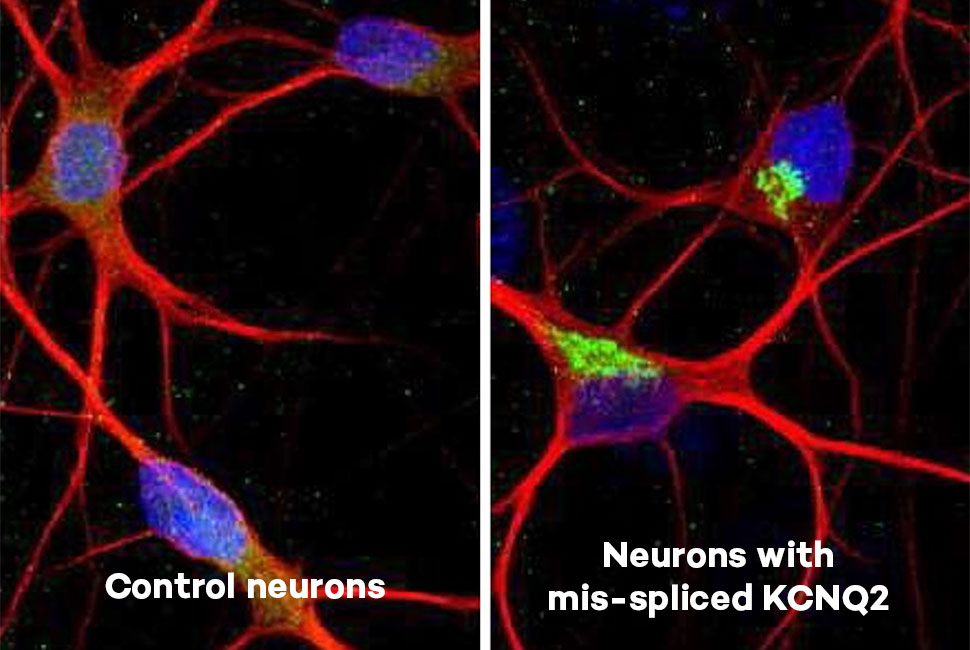
A New Clue to ALS and FTD: Faulty Protein Disrupts Brain’s ‘Brake’ System
A new Northwestern study has uncovered how a key disease protein drives overactive nerve cells in neurodegenerative diseases like ALS and frontotemporal dementia.
-
Identifying New Therapeutic Strategies for Psychiatric Disorders
A new Northwestern Medicine study has identified the molecular mechanisms that cause a commonly prescribed antipsychotic drug to produce harmful side effects similar to Parkinson’s disease symptoms, according to findings published in Molecular Psychiatry.
-

Northwestern Establishes New Center for Ataxia Research and Treatment
Northwestern has established the Denning Ataxia Center, a multidisciplinary hub dedicated to improving the understanding of ataxia through integrating leading-edge research with patient-centered clinical care, with the goal of unraveling the complexities of the condition and developing improved treatments.
-
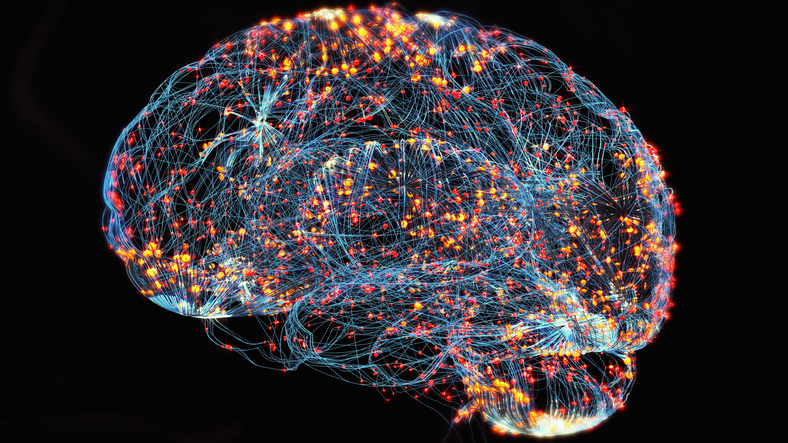
Non-Neuron Brain Cells Produce a Third of Amyloid Plaque in Alzheimer’s Disease
An international team of investigators have discovered that oligodendrocytes contribute approximately one-third of plaque formation alongside neurons in mouse models of Alzheimer’s disease, according to a recent study published in Nature Neuroscience.
-
Investigating the Molecular Mechanisms of ‘Forgetting’
Northwestern Medicine investigators have uncovered a new way in which neurons in the brain “forget” associations that help guide behavior and habits, according to a study published in Cell Reports.
-
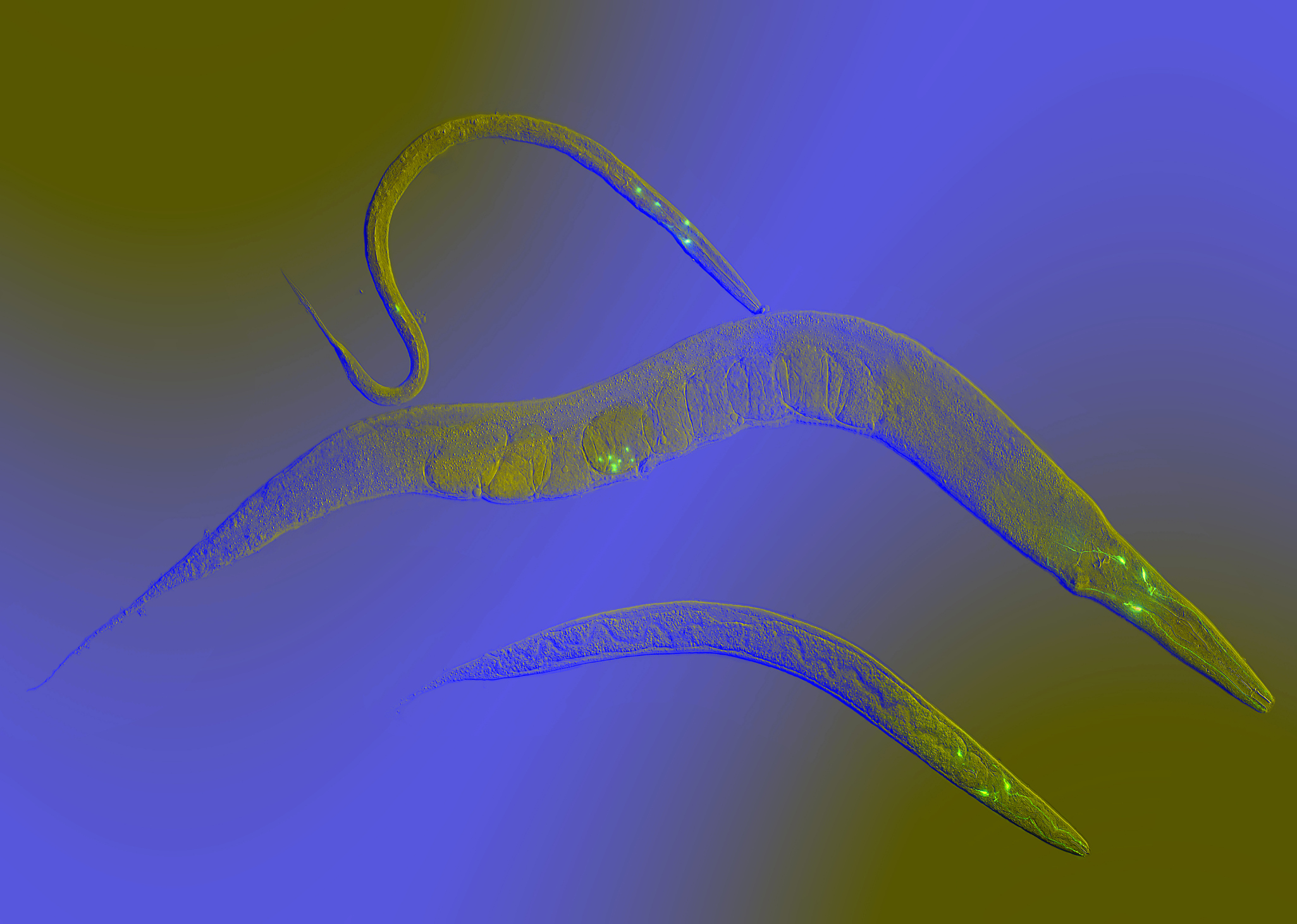
Embryo’s Signaling Mechanism May Promote Healthy Aging, Combat Neurodegenerative Diseases
Northwestern investigators have identified a novel transcription factor which regulates a signaling mechanism utilized by a fertilized embryo to protect its mother from cellular and environmental stress, according to a recent study to published in the journal Genes and Development.
-

Goyal and Kennedy Named 2024 Pew Scholars
Yogesh Goyal, PhD, and Ann Kennedy, PhD, have been named 2024 Pew Scholars by The Pew Charitable Trusts, which recognizes promising early-career investigators whose research will accelerate discovery and translation in the biomedical sciences.