Tag: Microbiology-Immunology
-
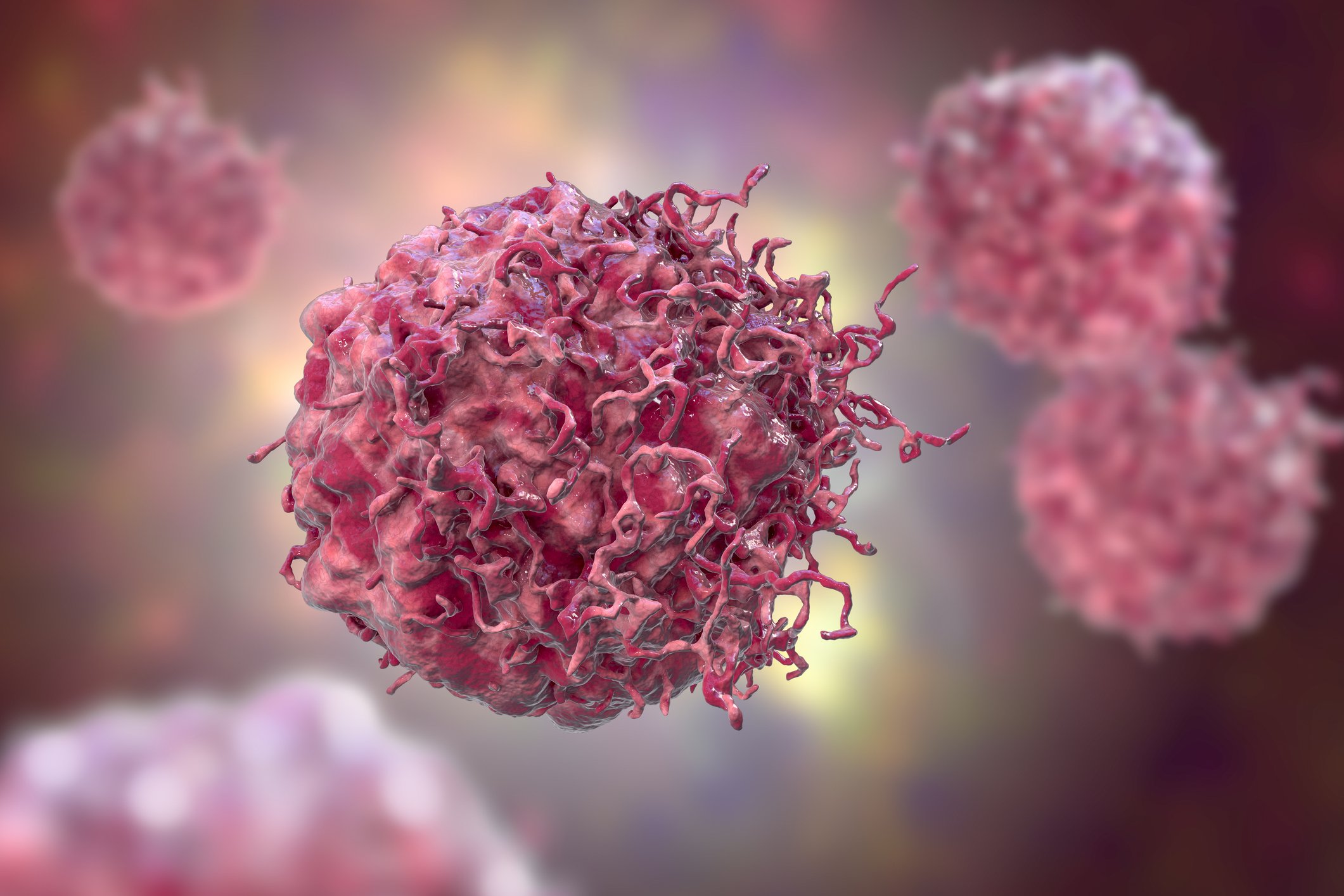
Combination Therapy May Improve Immune Response Against Advanced Prostate Cancer
Combining two therapies may improve immune response in a subgroup of patients with metastatic castration-resistant prostate cancer who responded poorly to initial treatment, according to a Northwestern Medicine study published in The Journal of Clinical Investigation.
-
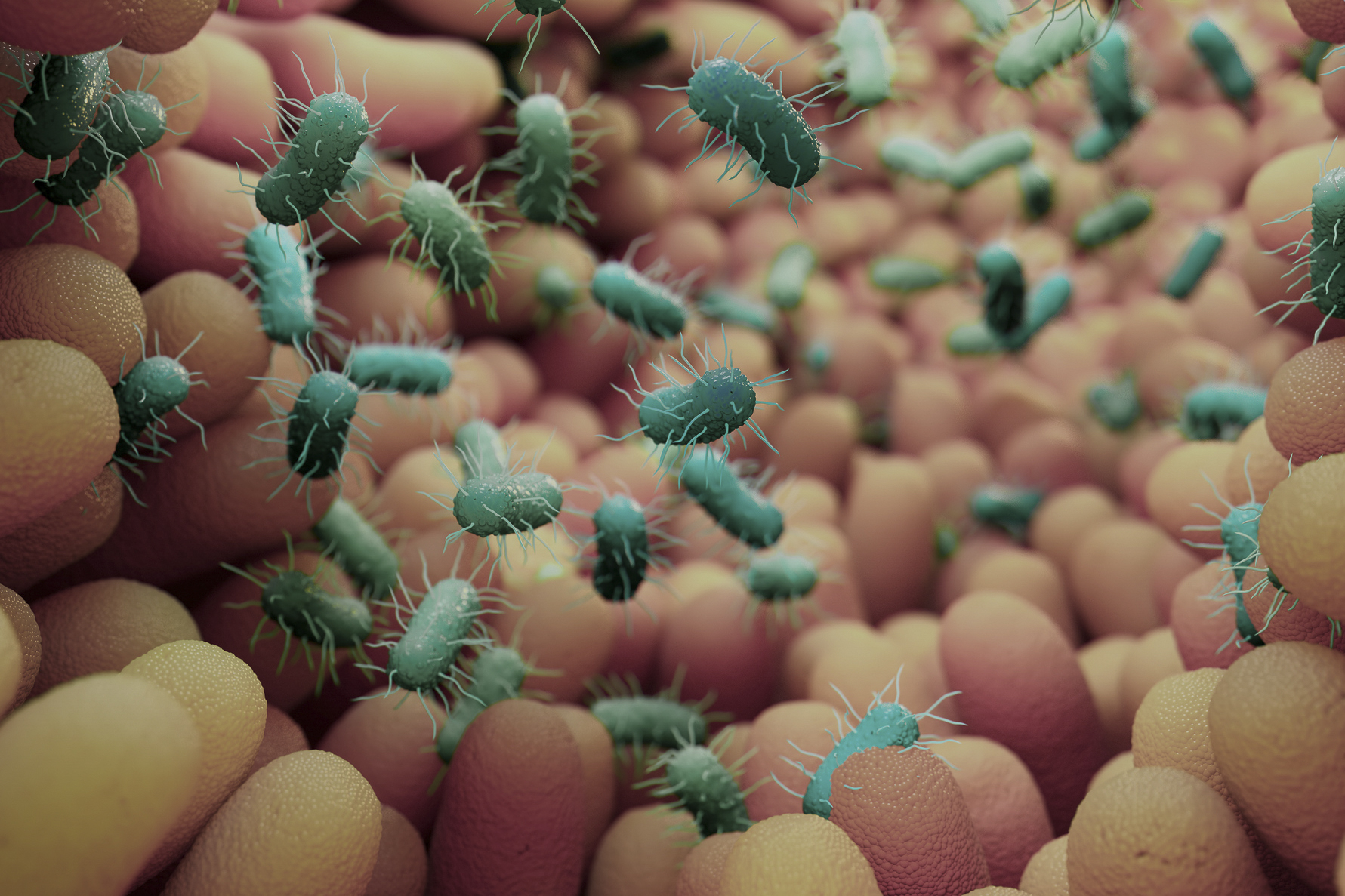
Gut Bacteria Leave Intestinal ‘Memory,’ Protecting Against Inflammation
New Northwestern Medicine research published in Nature Communications suggests that a metabolite produced by gut bacteria when they digest dietary fiber can leave a lasting molecular imprint on intestinal cells, promoting immune tolerance and protecting against inflammatory bowel disease-like conditions long after exposure ends.
-

Immune Receptor Plays Dual Role in Promoting T-cell Exhaustion in Cancer
A new Northwestern Medicine study has uncovered how a key immunoregulatory receptor plays an unexpected dual role in promoting T-cell exhaustion during chronic infection and cancer, according to findings published in the Proceedings of the National Academy of Sciences.
-
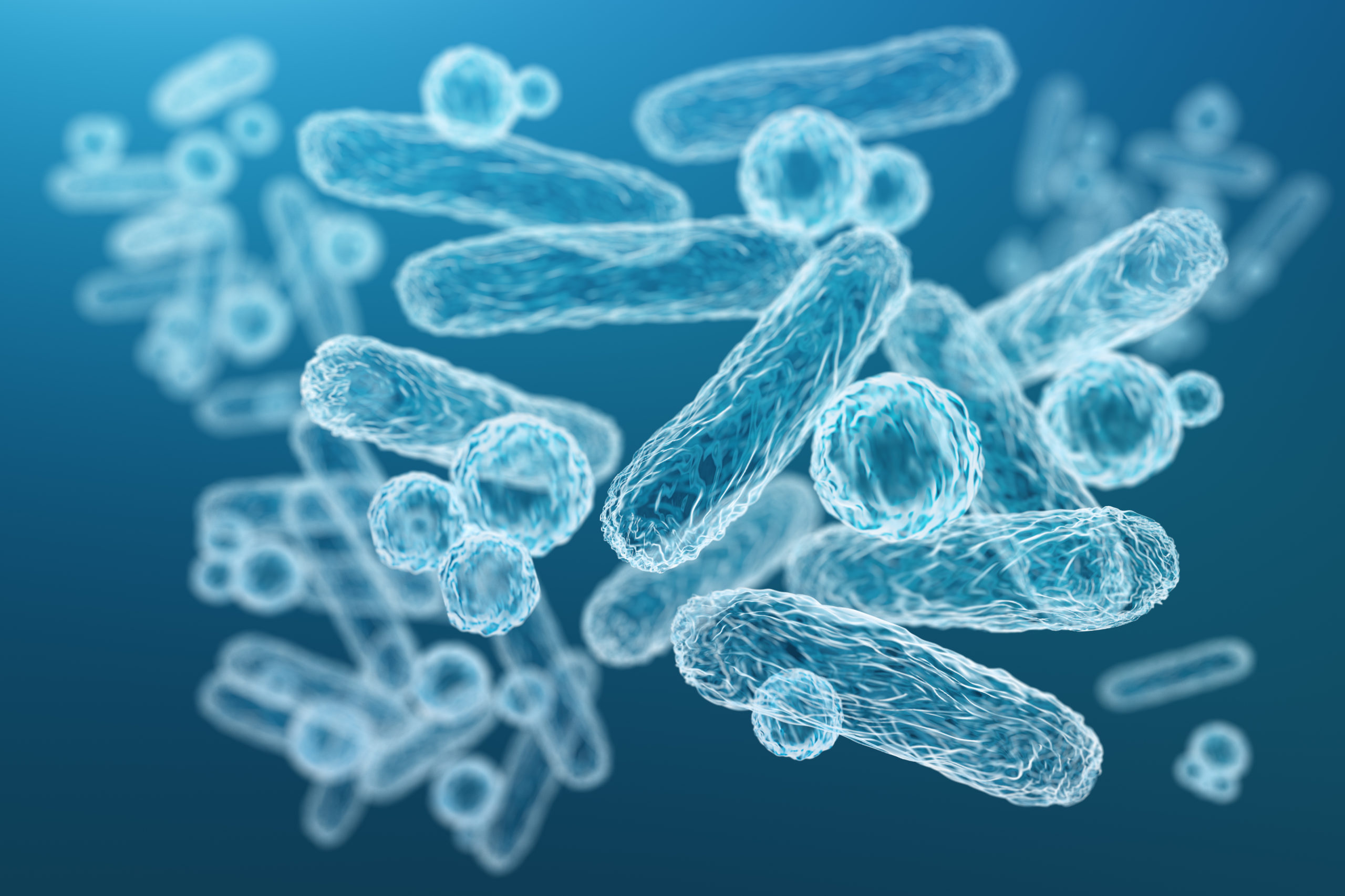
Intricate Molecular Mechanisms Help Bacteria Evade Immune Detection
Northwestern scientists have identified a novel mechanism utilized by the bacteria responsible for gonorrhea to evade immune detection and achieve widespread infection, according to a recent study published in the Proceedings of the National Academy of Sciences.
-
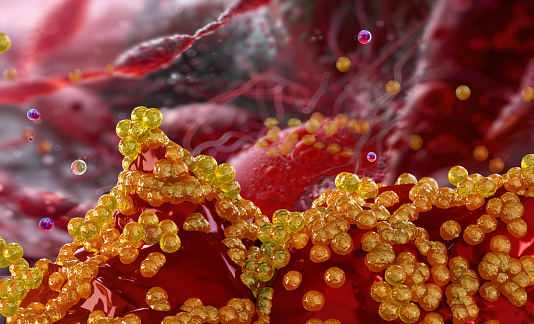
Understudied Enzyme Helps Pathogen Prosper, Study Finds
A new study published in the Proceedings of the National Academy of Sciences has offered insight into how Staphylococcus aureus, a major human pathogen, fine-tunes its internal RNA degradation machinery to survive stress and potentially cause infection.
-
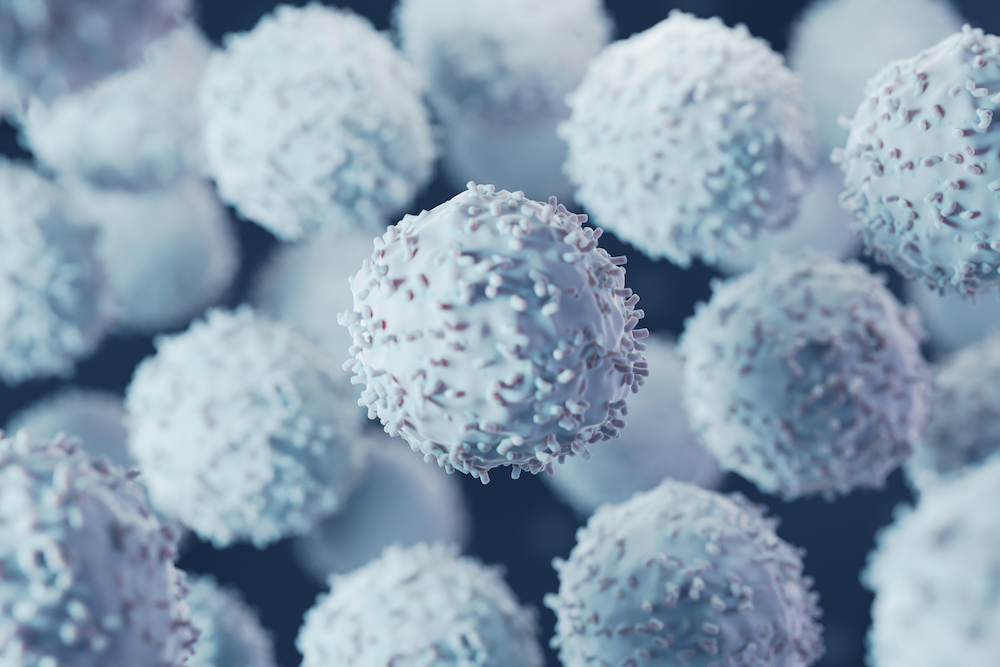
Identifying Mechanisms Supporting Nanoparticle Therapy for Autoimmune Diseases
Northwestern Medicine scientists in the laboratory of Stephen Miller, PhD, have identified the cellular and molecular mechanisms required for the antigen-specific tolerance inducing abilities of a novel nanoparticle therapy for treating autoimmune diseases, according to a recent study published in Science Advances.
-
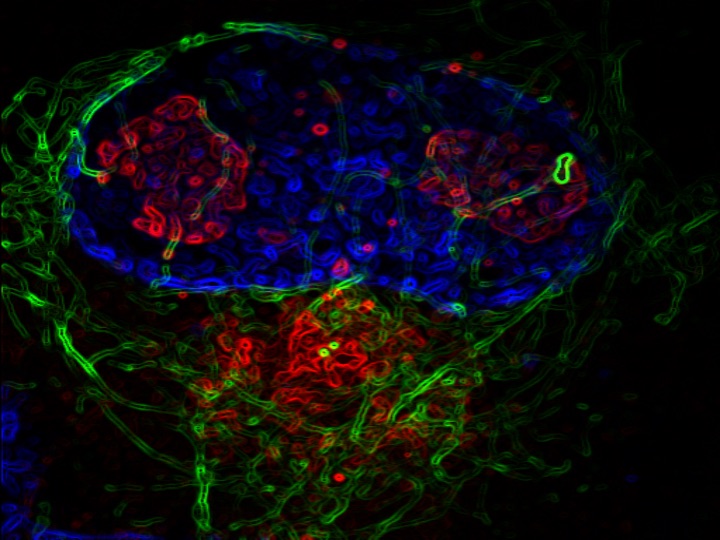
Common Virus ‘Rewires’ Intracellular Mechanisms to Promote Infection
Investigators from the laboratory of Derek Walsh, PhD, have discovered how human cytomegalovirus rewires intracellular mechanisms to control the movement of the cell nucleus and promote infection, according to a recent study.
-

Study Identifies Misleading Genomic Sequences of Bacteria Causing Gonorrhea
Northwestern Medicine investigators have identified issues with most genomic sequence data for the Neisseria gonorrhoeae bacterium, findings that could complicate future epidemiological and pathogenesis studies, according to a recent study published in the Journal of Infectious Diseases.
-
Comparing COVID-19 Vaccines
A recent study has provided the first side-by-side comparison of how three major COVID-19 vaccine types differ in triggering immune responses and sustaining protection.
-

Genetic Mechanisms Promote Antimicrobial Resistance in Gonorrhea
Northwestern Medicine scientists have identified previously unknown genetic mechanisms that promote antimicrobial resistance in gonorrhea, findings that may inform the development of more effective treatment strategies, according to a recent study published in PLoS Pathogens.